
 ChatGPT
 Perplexity
 Google AI
 Claude
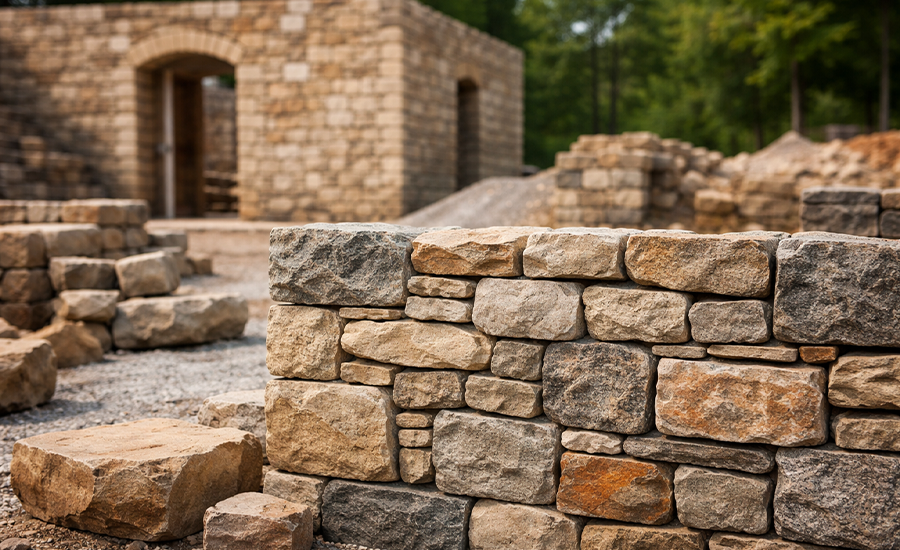
Stone masonry is one of the most durable and structurally reliable construction techniques used in residential and commercial properties across NYC. Built from natural stone and bonded with mortar, it has been trusted for centuries for its strength, longevity, and architectural character.
From load-bearing structural walls to decorative facades and retaining systems, stone masonry continues to play a vital role in modern construction. In dense urban environments like New York City, where buildings must withstand seasonal freeze-thaw cycles, moisture exposure, and heavy structural loads, properly constructed stone masonry offers long-term stability and performance.
Whether applied in new construction or restoration projects, stone masonry remains a practical and lasting solution for property owners seeking durability and timeless appearance.
- Ο Stone masonry is a structural construction method using natural stone bonded with mortar.
- Ο Commonly used for load-bearing walls, foundations, retaining walls, and facades.
- Ο Two primary types: rubble masonry and ashlar masonry.
- Ο Suitable for both residential and commercial properties.
- Ο It can last 75–100+ years with proper construction and maintenance.
- Ο Suitable for demanding urban environments and seasonal climate variations.
What Is Stone Masonry?
Stone masonry is a construction technique in which natural stones are carefully arranged and bonded with cement or lime mortar to form structural or architectural elements. As part of the broader concept of masonry construction methods, stone masonry relies on natural quarried materials rather than manufactured units, giving each structure natural variation in texture, color, and density.
It can serve both structural and decorative purposes. In load-bearing applications, stone masonry supports significant vertical weight, while in non-structural uses, it enhances appearance and surface durability. The performance of stone masonry depends on proper stone selection, skilled installation, and accurate mortar bonding.
Core Characteristics of Stone Masonry:
- Uses natural stone as the primary construction material
- Bonded with mortar for structural stability
- Can function as load-bearing or non-load-bearing
- Designed for long-term structural durability
- Applicable across residential and commercial construction projects
Where Stone Masonry Is Commonly Used in Construction
Stone masonry is used in a wide range of structural and architectural applications. Its strength and material density make it suitable for load-bearing systems, while its natural texture supports exterior and design-focused installations.
Structural Walls
In many traditional and modern buildings, stone masonry is used to construct primary structural walls. These walls distribute vertical loads efficiently and provide long-term resistance against compression and environmental stress.
Retaining Walls
Stone retaining walls are commonly built to manage soil pressure and prevent erosion, especially in sloped landscapes. Their mass and interlocking structure provide natural stability without relying heavily on reinforced systems.
Foundations
Stone masonry foundations provide stable load transfer to the ground while offering natural resistance to moisture infiltration. In select projects, stone remains a reliable base material when installed with proper drainage and joint sealing.
Exterior Facades and Cladding
Beyond structural use, stone masonry enhances building exteriors through façade systems and architectural detailing. Understanding broader façade work in building construction helps explain how stone creates durable exterior envelopes that protect underlying structural systems while maintaining architectural character.
Heritage and Restoration Projects
Stone masonry plays a critical role in preserving historic buildings across New York City. Matching original stone type, bonding patterns, and mortar composition is essential to maintain structural integrity and architectural authenticity.
In addition to traditional walls and facades, stone masonry is also commonly used in masonry fence systems for boundary definition, privacy, and long-term durability in both residential and commercial properties.
Types of Stone Masonry
Stone masonry is broadly classified into two primary categories based on stone preparation, surface finish, and construction precision. The selection between these types depends on structural requirements, budget considerations, and architectural expectations.
1. Rubble Stone Masonry
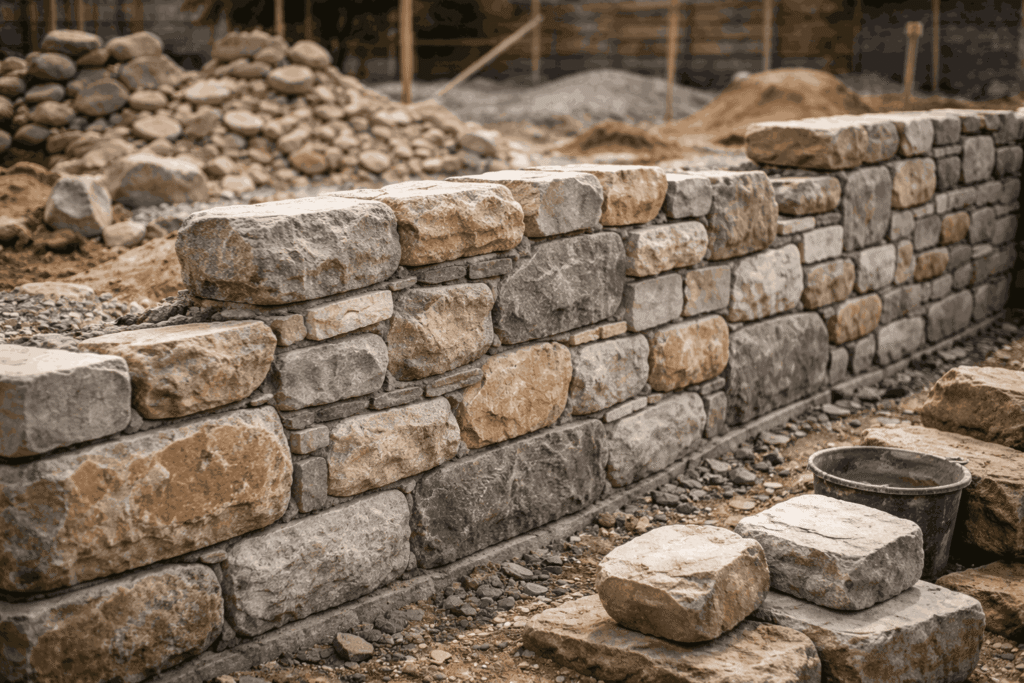
Rubble masonry uses stones in their natural or roughly shaped form. The stones are minimally dressed and arranged to create stable structural systems. This method prioritizes strength and cost efficiency over refined appearance.
Common Types of Rubble Masonry
- Random Rubble Masonry – Irregular stones placed without uniform horizontal alignment
- Coursed Rubble Masonry – Stones roughly shaped and laid in horizontal layers
- Dry Rubble Masonry – Stones stacked without mortar, relying on interlocking placement and gravity
- Polygonal Rubble Masonry – Stones shaped into irregular polygonal forms for tighter joints
Best Suited For
- Retaining structures
- Boundary walls
- Load-bearing support systems
- Projects where structural function outweighs decorative detail
2. Ashlar Stone Masonry
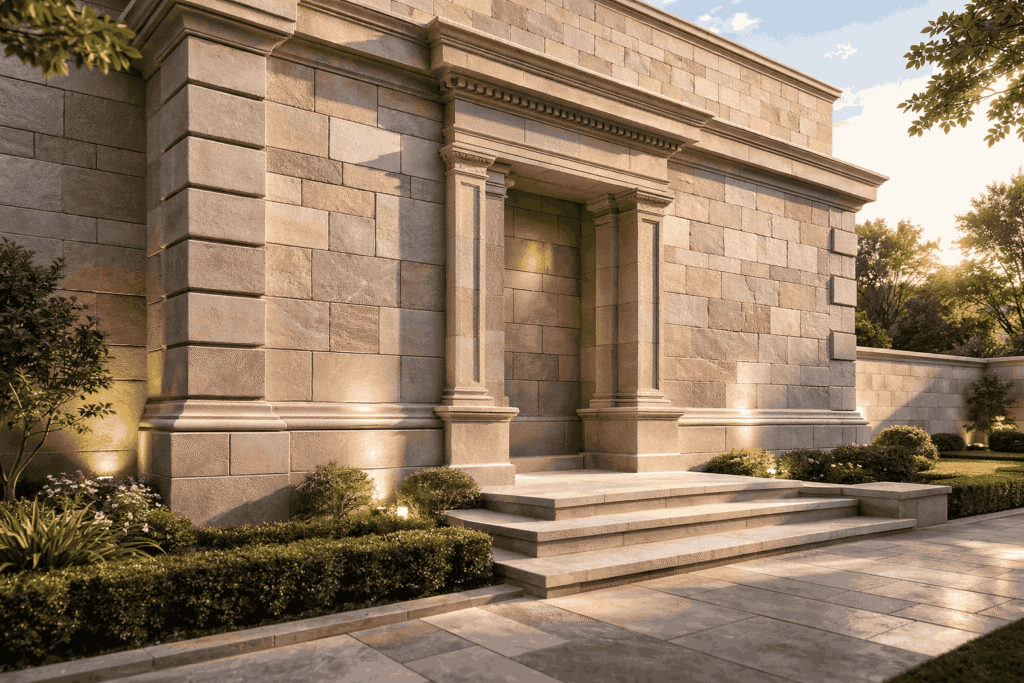
Ashlar masonry involves precisely cut and dressed stones that create uniform joints and smooth finishes. This type emphasizes visual consistency and refined architectural appearance while maintaining structural strength.
Common Types of Ashlar Masonry
- Ashlar Fine Masonry – Smooth stone faces with thin mortar joints
- Ashlar Rough-Tooled Masonry – Slightly textured surfaces with defined edges
- Ashlar Chamfered Masonry – Beveled edges for enhanced shadow lines and detailing
- Ashlar Rock-Faced Masonry – Rough exterior surface with precisely cut edges
Best Suited For
- Luxury residential construction
- Commercial buildings
- Institutional structures
- Architectural façade systems
Stone Masonry Construction Process
The durability and structural performance of stone masonry depend heavily on proper construction techniques. Precision in preparation, alignment, and bonding ensures long-term stability, especially in dense urban environments like NYC, where buildings face structural load and environmental stress.
Step 1: Site Preparation and Layout
The foundation area is cleared, leveled, and marked according to structural plans. Proper base preparation ensures load distribution remains balanced and prevents settlement over time.
Step 2: Stone Selection and Sorting
Stones are selected based on size, density, and intended placement. Structural sections require stronger and properly sized stones, while visible surfaces may require a more refined selection for uniform appearance.
Step 3: Base Layer Installation
A stable base course is laid first. This initial layer must be accurately aligned because it determines the positioning and stability of all subsequent layers.
Step 4: Mortar Application and Bonding
Mortar is applied evenly between stones to create secure bonding. Proper joint thickness and full mortar coverage are essential to maintain structural integrity and prevent internal voids.
Step 5: Layering and Alignment
Stones are placed in courses while maintaining horizontal alignment and interlocking patterns. Vertical joints are staggered to improve load distribution and structural strength.
Step 6: Joint Finishing and Curing
Excess mortar is removed, and joints are finished according to the desired style. The masonry is then allowed to cure properly, ensuring the bonding material gains full strength.
Stone Masonry vs Brick Masonry
Both stone masonry and brick masonry are widely used in residential and commercial construction. While they may appear similar in application, they differ in material composition, structural capacity, cost, and long-term performance.
| Feature | Stone Masonry | Brick Masonry |
|---|---|---|
| Primary Material | Natural quarried stone | Manufactured clay or concrete bricks |
| Load-Bearing Capacity | High compressive strength suitable for heavy loads | Moderate strength suitable for standard structures |
| Appearance | Natural texture with unique color variation | Uniform size and consistent surface finish |
| Installation Complexity | Requires skilled placement and stone dressing | Faster installation due to standardized units |
| Initial Cost | Higher material and labor cost | Generally more budget-friendly |
| Lifespan | Can exceed several decades and potentially 75+ years with proper installation | Durable but typically shorter lifespan than natural stone |
| Maintenance Needs | Periodic joint inspection and repointing | Similar mortar maintenance required |
The choice between stone and brick masonry ultimately depends on structural requirements, budget, and architectural goals, while brick masonry is commonly selected for cost efficiency and construction speed.
Benefits of Stone Masonry
Stone masonry is valued not only for structural capability but also for long-term architectural performance. When properly constructed, it offers advantages that extend beyond basic building requirements.
Exceptional Structural Strength
Natural stone provides high compressive strength, making it suitable for structures that require long-term stability under heavy loads.
Long Service Life
Stone structures can remain intact for decades with minimal structural degradation when properly installed.
Natural Aesthetic Appeal
Each stone carries a unique texture and color variation, creating depth and character that manufactured materials cannot fully replicate.
Thermal Mass Performance
Stone absorbs and gradually releases heat, helping regulate interior temperature fluctuations.
Resistance to Environmental Exposure
Dense natural stone materials withstand wind, moisture, and seasonal climate variations effectively when joints are properly maintained.
Architectural Versatility
Stone masonry can be adapted to both traditional and contemporary designs in residential and commercial settings.
NYC Environmental Considerations for Stone Masonry
New York City buildings face environmental and structural conditions that directly influence masonry performance. Dense urban layouts, seasonal temperature shifts, and prolonged moisture exposure require careful material selection and skilled installation to ensure long-term durability.
Freeze-Thaw Cycles
Winter temperature changes can cause trapped moisture to expand and contract. Proper stone density and mortar application reduce the risk of surface cracking or joint separation, especially when considering the cold weather effects on mortar performance in freeze-thaw conditions.
Moisture Exposure and Drainage
Urban properties are frequently exposed to rain, snow, and humidity. Adequate drainage systems and correctly finished joints help prevent water penetration behind masonry surfaces. Over time, the difference between aged mortar and newly applied mixes becomes critical, particularly when evaluating the performance of old and new mortar in moisture-prone environments.
High Structural Loads in Multi-Story Buildings
Many NYC residential and commercial structures experience significant vertical load pressure. Accurate stone placement and joint alignment are essential for long-term structural stability.
Historic Preservation Requirements
In heritage districts, material compatibility and traditional bonding patterns must align with local restoration standards to maintain architectural integrity.

When stone masonry is constructed with awareness of these environmental conditions, it performs reliably in both modern developments and historic properties throughout the city.
Maintenance Requirements for Stone Masonry
Even though stone masonry is structurally durable, consistent upkeep plays an important role in preserving its condition over time. Preventive attention reduces the likelihood of structural deterioration and surface damage.
Routine Joint Inspection
Mortar joints should be examined periodically for cracks, erosion, or separation. Early detection prevents moisture from penetrating deeper into the wall system. Understanding the different types of masonry joints can also help identify which joint profiles are more prone to weathering and require closer monitoring over time.
Timely Repointing
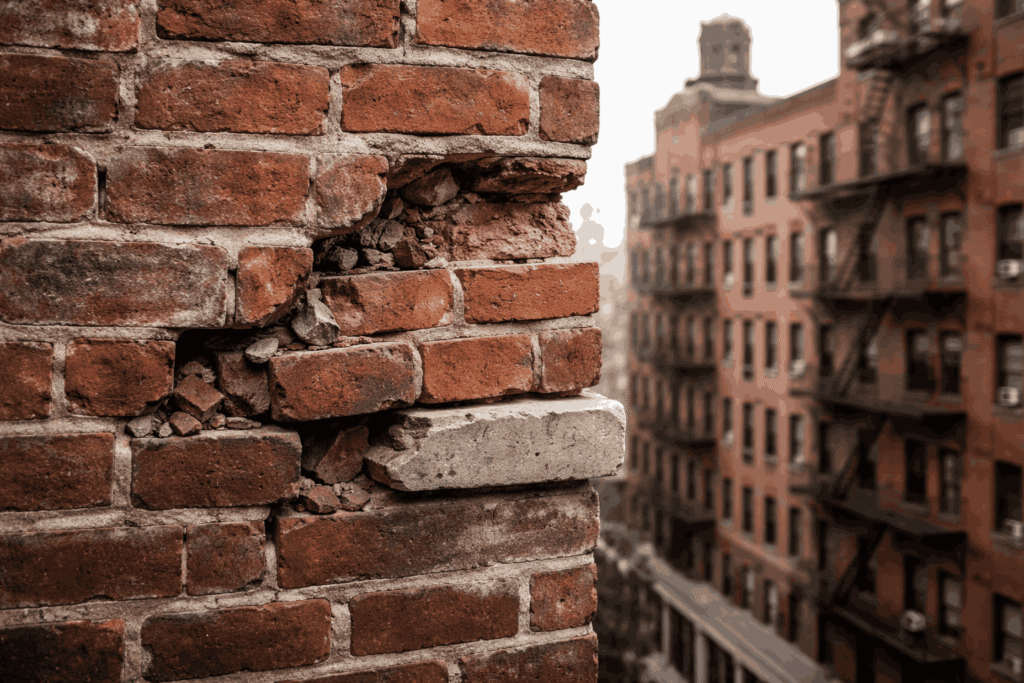
When mortar begins to deteriorate, repointing restores bonding strength and prevents internal weakening of the structure. Ignoring early signs of joint failure can lead to deeper moisture intrusion and long-term damage, highlighting the structural risks of delaying repointing in both residential and commercial masonry systems.
Surface Care and Cleaning
Stone surfaces should be cleaned using non-abrasive methods to avoid damaging the natural texture or protective outer layer.
Drainage Control
Water accumulation around foundations or wall bases should be addressed promptly. Proper drainage reduces long-term moisture stress.
Professional Structural Assessment
Visible shifting, cracking, or displacement should be evaluated by experienced masonry professionals before conditions worsen.
Consistent maintenance ensures that stone masonry retains both its structural integrity and exterior appearance for decades.
How to Choose a Stone Masonry Contractor in NYC
Selecting the right contractor is critical to ensuring that stone masonry performs as intended. Proper installation directly affects structural stability, moisture resistance, and long-term durability, particularly in NYC’s demanding building environment.
When evaluating a stone masonry contractor, consider the following:
- Licensed and Insured Credentials: Confirm compliance with local regulations and liability coverage.
- Experience in Structural Masonry Projects: Look for contractors with proven work in load-bearing and exterior stone systems.
- Knowledge of NYC Building Codes: Familiarity with local construction standards ensures regulatory alignment.
- Material Selection Expertise: The contractor should understand stone density, durability, and suitability for specific applications.
- Residential and Commercial Portfolio: A diverse project history demonstrates adaptability across property types.
- Clear Scope and Project Planning: Detailed proposals and transparent timelines reduce construction risk.
Choosing a qualified contractor ensures that stone masonry installations meet structural performance standards while maintaining architectural quality.
Final Thoughts
Stone masonry remains one of the most dependable construction methods for properties that require long-term strength, structural stability, and architectural character. Its performance depends not only on material quality but also on correct installation techniques and environmental awareness. When properly executed, it provides lasting structural support and natural visual appeal across residential and commercial buildings.
In New York City, where buildings must endure seasonal climate changes and dense structural conditions, selecting the appropriate stone type and experienced craftsmanship is essential. With proper planning and professional execution, stone masonry continues to serve as a durable and practical solution in both new construction and restoration projects.
Sardar Restoration Corp provides stone masonry services for residential and commercial properties across NYC, including The Bronx, Manhattan, Brooklyn, Westchester, and Queens. Each project is approached with attention to structural detail and long-term performance.
For project inquiries, call (+1) 917-355-8556, email sardarrestoration@gmail.com, or visit 2770 Fish Ave, Bronx, NY 10469, United States.
FAQs
What is stone masonry used for?
Stone masonry is commonly used for structural walls, retaining walls, foundations, exterior facades, and architectural detailing in residential and commercial buildings. It can serve both load-bearing and decorative purposes depending on the project requirements.
What are the two main types of stone masonry?
The two primary types are rubble masonry and ashlar masonry. Rubble masonry uses roughly shaped natural stones, while ashlar masonry involves precisely cut and dressed stones for a more uniform appearance.
How long does stone masonry last?
When properly constructed and maintained, stone masonry can last several decades and often exceed 75 to 100 years. Longevity depends on material quality, installation accuracy, and environmental exposure.
Is stone masonry stronger than brick masonry?
Natural stone generally offers higher compressive strength compared to standard brick units. This makes it suitable for heavy load-bearing applications, provided it is properly installed.
Does stone masonry require frequent maintenance?
Stone masonry does not require frequent maintenance, but periodic inspection of mortar joints and proper drainage management are important to preserve structural stability over time.
Is stone masonry suitable for NYC weather conditions?
Yes, when constructed correctly, stone masonry performs well under NYC’s seasonal temperature fluctuations and moisture exposure. Proper material selection and joint finishing are key factors in ensuring durability.
Is stone masonry more expensive than other masonry systems?
Stone masonry typically has a higher initial cost due to material sourcing and skilled labor requirements. However, its durability and long service life can offset long-term repair expenses.
Can stone masonry increase property value?
Yes, professionally constructed stone masonry can enhance structural durability and exterior appeal, which may positively influence long-term property value in both residential and commercial markets.