
Stucco Crack Repair Manhattan
A tall Manhattan wall moves more in total than a short one does, because the same expansion applies across far more height. Cement stucco cannot stretch, so that movement goes into cracks, and it goes into the same ones every year.
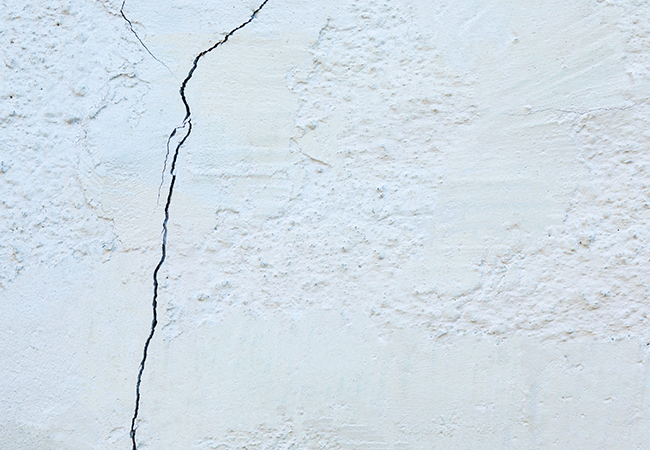
Movement Adds Up on a Tall Manhattan Wall
Every masonry wall grows slightly in summer and shrinks in winter. Across a two story elevation that change is small enough to disappear into the material. Across a twenty story Manhattan facade the same behavior applies over ten times the distance, and the total is no longer something the surface can absorb quietly.
As a stucco crack repair contractor in Manhattan the first thing we establish is whether we are looking at one crack or at a pattern spaced along an elevation. A single crack usually has a local cause. Cracks recurring at intervals are the building relieving movement, and that changes the repair from a filling job into a question about where the movement is supposed to go.
Verified on:






Cracks at Intervals on a Manhattan Elevation
Four things that only show up once a building is tall enough.
Height multiplies total movement
The rate does not change with height. The distance does. A Manhattan elevation ten times taller than a house experiences ten times the total expansion across its face, and stucco has almost no give in it.
Cracking spaces itself out
Movement relieves where the wall is weakest, and those points are usually regular rather than random. Cracks appearing at similar intervals up or along an elevation are a pattern of relief rather than a series of unrelated faults.
A wall with no joint makes one
Where a facade was built without movement joints, the first crack that forms becomes the place the movement goes from then on. It is functioning as a joint. It was simply never designed as one.
Filling a relief crack never holds
The repair is sound, the material is right, and the same line opens again at the next temperature swing because the movement still has nowhere else to go. That is not a workmanship failure on a Manhattan wall, it is a design question.
Spotting a Movement Crack From a One-Off
We look for repetition before anything else
One crack is a local event. Several at similar spacing along a Manhattan elevation is the building relieving movement, and those two situations get completely different quotes.
We check the crack against the structure
Whether it aligns with a floor level, a change in the facade, or a long uninterrupted run of wall. Where a crack sits relative to the frame tells you what is driving it more reliably than its width does.
We say when a joint is the answer rather than a filler
Where a crack on a Manhattan elevation is relieving movement, the honest recommendation is to formalize it as a joint rather than keep filling it. That is a larger piece of work and it is the version that stops the annual return.
How We Assess Cracks on a Manhattan High Rise
We Look for Repetition Along the Elevation
We Check a Crack Against the Building Structure
We Say When Filling a Manhattan Crack Will Fail
What Manhattan Owners Say About Our Crack Repair Work
Trustindex verifies that the original source of the review is Google.Posted on Google Hasnat Chaudhary68 days agoGreat servicesTrustindex verifies that the original source of the review is Google.Posted on GoogleChaudhary Khizer Ahmed68 days agoGreat serviceTrustindex verifies that the original source of the review is Google.Posted on GoogleVas Ortiz68 days agoThey were prompt and finished in a day. I was really impressed and they guaranteed their work. Great job guys!! Thank you. We’ll definitely keep in touch for future work.Trustindex verifies that the original source of the review is Google.Posted on GoogleRicardo Cruz73 days agoI found Sadat restoration very professional, thorough at their work , reliable and amazing clean up at the end! Thank you Mohammed , to you and your crew. I highly recommend this company!Trustindex verifies that the original source of the review is Google.Posted on GoogleRobert Scarano76 days agoAs the owner of Scarano Architect, PLLC firm, we recommend this team. They repaired the façade in a timely fashion, ensuring all work was done properly and fully code compliant. They are professional, reliable, and easy to work with. Hoping to do more projects with them.Trustindex verifies that the original source of the review is Google.Posted on GoogleJen Volmer76 days agoWe worked with Sardar Restoration to repoint brick on our home. I've worked with several contractors in the Riverdale/Bronx area, and had a positive experience with Mohammed and his team. They were communicative, punctual, clear with timelines and costs. My favorite thing might have been how efficiently they used their time!Trustindex verifies that the original source of the review is Google.Posted on GoogleDorothy Balacich83 days agoI am extremely happy with the work Sardar did on my firescape. I needed it scraped and primed n painted. It was not done for many years. They are reliable and did a very clean and professional job. I am using them for my next project. Thank you Mohammed !!!Trustindex verifies that the original source of the review is Google.Posted on GoogleVoncho88 days agoThey did a phenomenal job with the pavers! I’m very happy with there work! Highly recommendedTrustindex verifies that the original source of the review is Google.Posted on GoogleAngelica Quinteros171 days agoamazing team of saardarsTrustindex verifies that the original source of the review is Google.Posted on GoogleAnthony Tapia171 days agoLoved there work

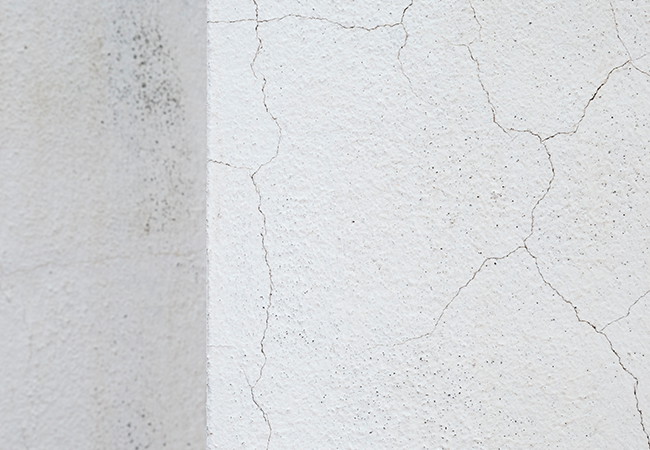
Some Manhattan Cracks Need a Joint, Not a Fill
If a crack on your building has been repaired properly and returned in the same line, the material was not the problem. Something is moving and that crack is where it goes. On a tall elevation the movement is real, measurable and seasonal, and no filler is stronger than a building expanding. The useful question at that point is whether the facade has anywhere else to put it. If it does not, formalizing that line as a joint costs more once and stops costing anything after, which is a different proposition from paying for the same repair every few years.
Stucco Crack Repair Manhattan NY Service Areas
Height is what drives this, so the same pattern turns up on tall stock from the Financial District through Midtown to Harlem and Washington Heights.
- Financial District
- Greenwich Village
- Lower East Side
- Tribeca
- East Village
- Kips Bay
- Midtown East
- Upper East Side
- Harlem
- Chinatown
- Little Italy
- Soho
- West Village
- Gramercy
- Murray Hill
- Midtown
- Upper West Side
- Inwood and Washington Heights
See stucco contractor Manhattan for our other stucco work on the island, or stucco crack repair NYC for how a crack is assessed before anything is filled.

Stucco Crack Repair Projects in Manhattan
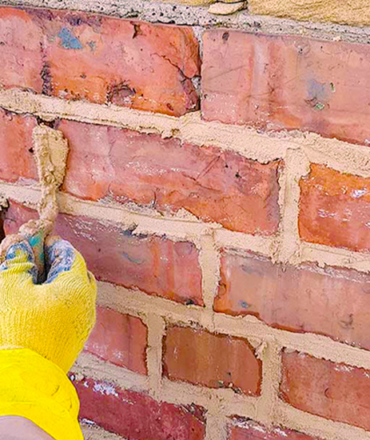
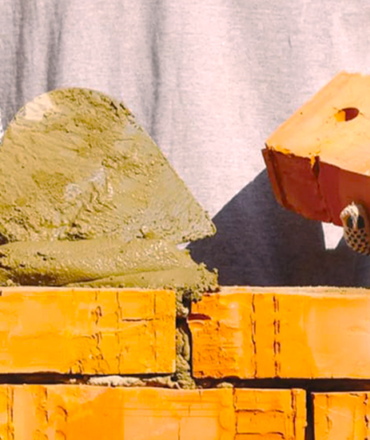
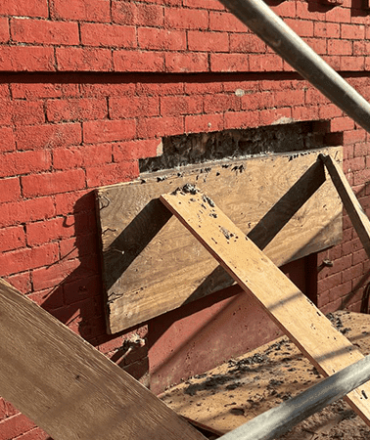
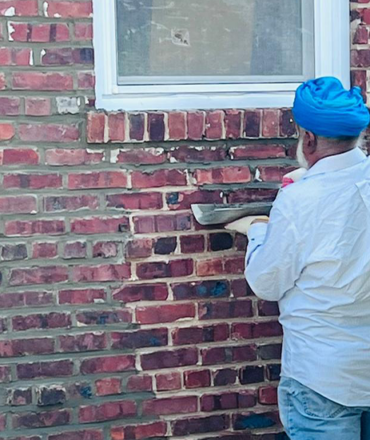
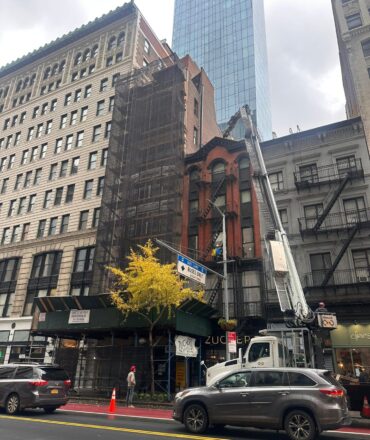
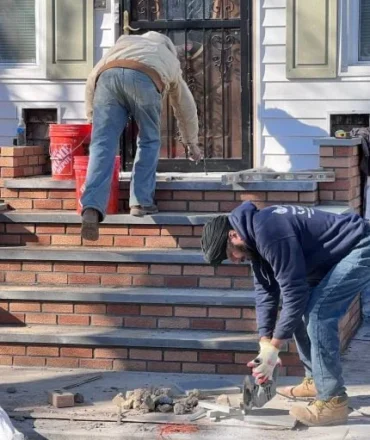
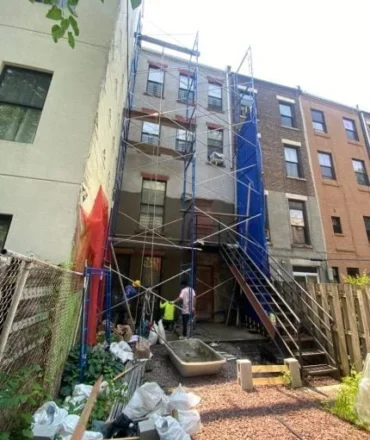
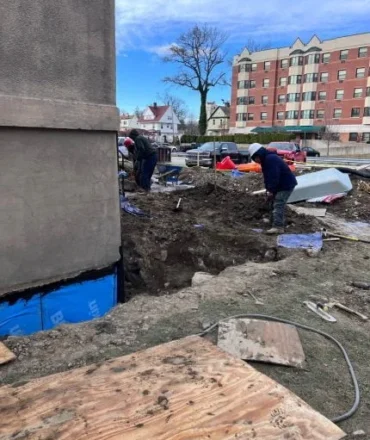
Browse our gallery to explore the outstanding projects we’ve successfully completed, highlighting our expertise.
Frequently Asked Questions
Because the movement is being relieved at intervals. A Manhattan elevation expands and contracts as a whole, and the stucco releases that where the wall is weakest. Those weak points tend to be regularly spaced, so the cracking that results is spaced rather than scattered.
Considerably. The rate of expansion is the same on any wall, but the total across an elevation grows with its height. A twenty story Manhattan facade therefore has to absorb far more overall movement than a house does, and cement stucco has very little capacity to stretch.
A filled crack is meant to stop moving. A joint is built to keep moving, with material that flexes and a detail that allows it. Where a crack on a Manhattan wall is relieving building movement, filling it fights the building and the joint works with it.
Because it is the route the movement takes. Temperature swings each season, the elevation changes length slightly, and that change goes wherever the wall is weakest. Once a line has formed it stays the weakest point, so the movement keeps choosing it regardless of what was put in it.
Often, yes, particularly on older Manhattan stock built before joints were standard practice. A facade with nowhere designed to take expansion will form its own relief point, and that first crack then does the work a joint would have done had one been provided.