
Brick Pointing NYC
Most repointing that fails early in New York was decided before any new mortar went in. The old mortar was scraped from the surface instead of cut out to depth, or the joint was filled in one thick pass. Getting those two steps right is what makes new joints last.
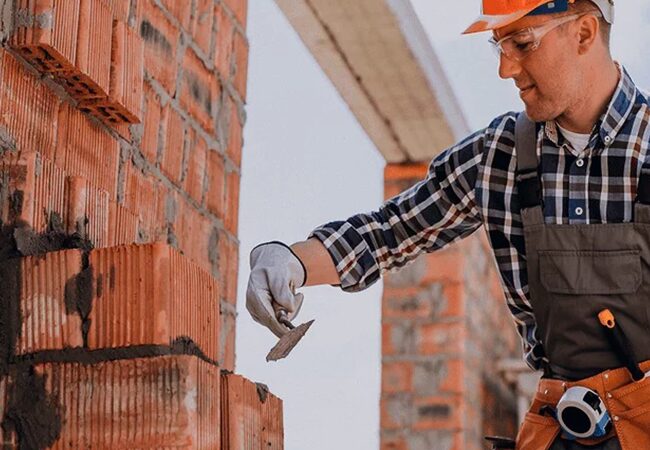
Repointing Brick in NYC Starts With the Rake-Out
NPS Preservation Brief 2, the National Park Service’s guidance on repointing, is specific about the part most crews rush. Old mortar should be removed to a minimum depth of 2 to 2 1/2 times the width of the joint, which for most brick joints means roughly 1/2 to 1 inch. Anything shallower leaves the new mortar too little to hold on to.
As a brick pointing contractor in NYC we measure the joints before we cut, cut out to that depth, and fill in layers rather than in a single pass. It is slower than scraping and filling, and it is the difference between mortar joint repair that lasts for decades and joints that start dropping out within a few years.
Verified on:






Pointing or Something Else on an NYC Wall
Several different jobs get called pointing. Knowing which one a wall needs saves paying for the wrong work.
Four of these belong on other pages. The first is what this page is about.
Pointing and repointing both mean cutting out failed mortar and packing in new. NPS Brief 2 treats them as one job on any NYC wall.
A decorative line of mortar or putty laid over joints filled level with the brick is a separate technique, covered on our tuckpointing NYC page.
Where the color of the new joint matters as much as its depth, see our custom color brick pointing NYC page.
Cracked or crumbling bricks are not fixed by new mortar around them. They come out, as set out on our brick replacement NYC page.
Stone joints run wider and less regular than brick ones and need their own approach, described on our stone repair and repointing NYC page.
Brick Mortar Repair That Holds in New York
Four things that decide whether new joints stay where they are put.
Depth decides the bond
NPS Brief 2 sets the minimum at 2 to 2 1/2 times the joint width, about 1/2 to 1 inch for most brick joints on a New York wall. Cut shallower and the new mortar has too little grip, so it pops out.
Hand tools spare the brick
According to the Brief, hand chisels and mash hammers pose the least threat to brick and give the best finished result, while grinders are the most common method. Used carelessly on an NYC facade, a grinder widens joints and chips brick edges for good.
Deep joints fill in layers
Where joints on an NYC wall run deeper than an inch, the deepest parts are filled first, about 1/4 inch at a time. Each layer reaches thumb-print hardness before the next goes in, which keeps overall shrinkage down.
The finish follows the wall
The face of each new joint is tooled to the shape the rest of the wall already has. Repointed areas then read as part of the original New York elevation rather than as a patch.
Cutting Out and Refilling NYC Joints
We measure the joints before cutting
Joint width sets the depth every joint has to be cut to. On an NYC wall with mixed joint widths, the measurement is taken area by area rather than assumed once for the building.
We cut out to depth and clear the joint
Hand tools where brick edges are soft or fragile, careful power cutting only where the joint allows it. Loose material and dust come out of every NYC joint before any new mortar goes in.
We pack in layers and tool the finish
Deep areas first, about 1/4 inch at a time, each firmed up before the next. The last layer is tooled to follow the profile of the surrounding New York brickwork.
Workmanship Behind Our NYC Repointing
We Rake NYC Joints to at Least Twice Their Width
We Cut Out NYC Mortar by Hand Where Brick Edges Are at Risk
We Fill Deep NYC Joints in Layers, Not in One Pass
What NYC Clients Say About Our Pointing Work
Trustindex verifies that the original source of the review is Google.Posted on Google Kevin Bradley0 days agoGreat team. They know what they are doing.Trustindex verifies that the original source of the review is Google.Posted on GoogleHasnat Chaudhary85 days agoGreat servicesTrustindex verifies that the original source of the review is Google.Posted on GoogleChaudhary Khizer Ahmed85 days agoGreat serviceTrustindex verifies that the original source of the review is Google.Posted on GoogleVas Ortiz85 days agoThey were prompt and finished in a day. I was really impressed and they guaranteed their work. Great job guys!! Thank you. We’ll definitely keep in touch for future work.Trustindex verifies that the original source of the review is Google.Posted on GoogleRicardo Cruz89 days agoI found Sadat restoration very professional, thorough at their work , reliable and amazing clean up at the end! Thank you Mohammed , to you and your crew. I highly recommend this company!Trustindex verifies that the original source of the review is Google.Posted on GoogleRobert Scarano93 days agoAs the owner of Scarano Architect, PLLC firm, we recommend this team. They repaired the façade in a timely fashion, ensuring all work was done properly and fully code compliant. They are professional, reliable, and easy to work with. Hoping to do more projects with them.Trustindex verifies that the original source of the review is Google.Posted on GoogleJen Volmer93 days agoWe worked with Sardar Restoration to repoint brick on our home. I've worked with several contractors in the Riverdale/Bronx area, and had a positive experience with Mohammed and his team. They were communicative, punctual, clear with timelines and costs. My favorite thing might have been how efficiently they used their time!Trustindex verifies that the original source of the review is Google.Posted on GoogleDorothy Balacich100 days agoI am extremely happy with the work Sardar did on my firescape. I needed it scraped and primed n painted. It was not done for many years. They are reliable and did a very clean and professional job. I am using them for my next project. Thank you Mohammed !!!Trustindex verifies that the original source of the review is Google.Posted on GoogleVoncho105 days agoThey did a phenomenal job with the pavers! I’m very happy with there work! Highly recommendedTrustindex verifies that the original source of the review is Google.Posted on GoogleAngelica Quinteros188 days agoamazing team of saardars

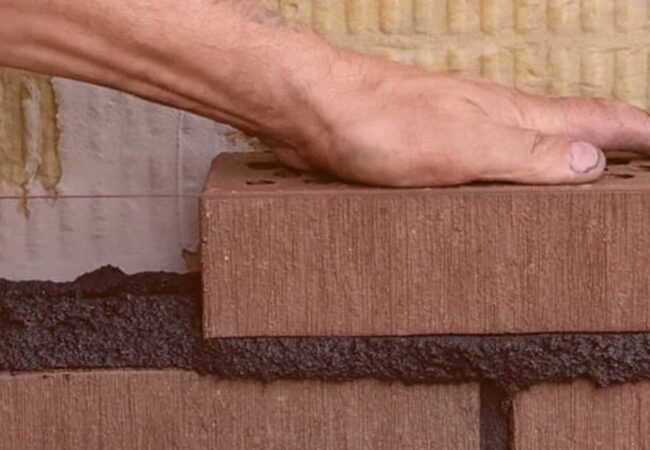
Shallow Joints Are Why NYC Pointing Fails Early
Fresh pointing that starts falling out after a few winters almost never failed because of the mortar. It failed because the old joint was only scraped at the surface, so the new mortar sat in a shallow groove with nothing to grip, or because a deep joint was filled in one heavy pass that shrank as it set. Both mistakes are invisible the day the job finishes. Ask anyone quoting repointing on an NYC building how deep the joints will be cut and how the deep ones will be filled. The answer tells you how long the work will last.
Brick Pointing NYC Service Areas
Repointing work runs across all five boroughs, on everything from walk-ups and rowhouses to apartment buildings.
See brickwork contractor NYC for how we tell whether a wall needs pointing or something more.

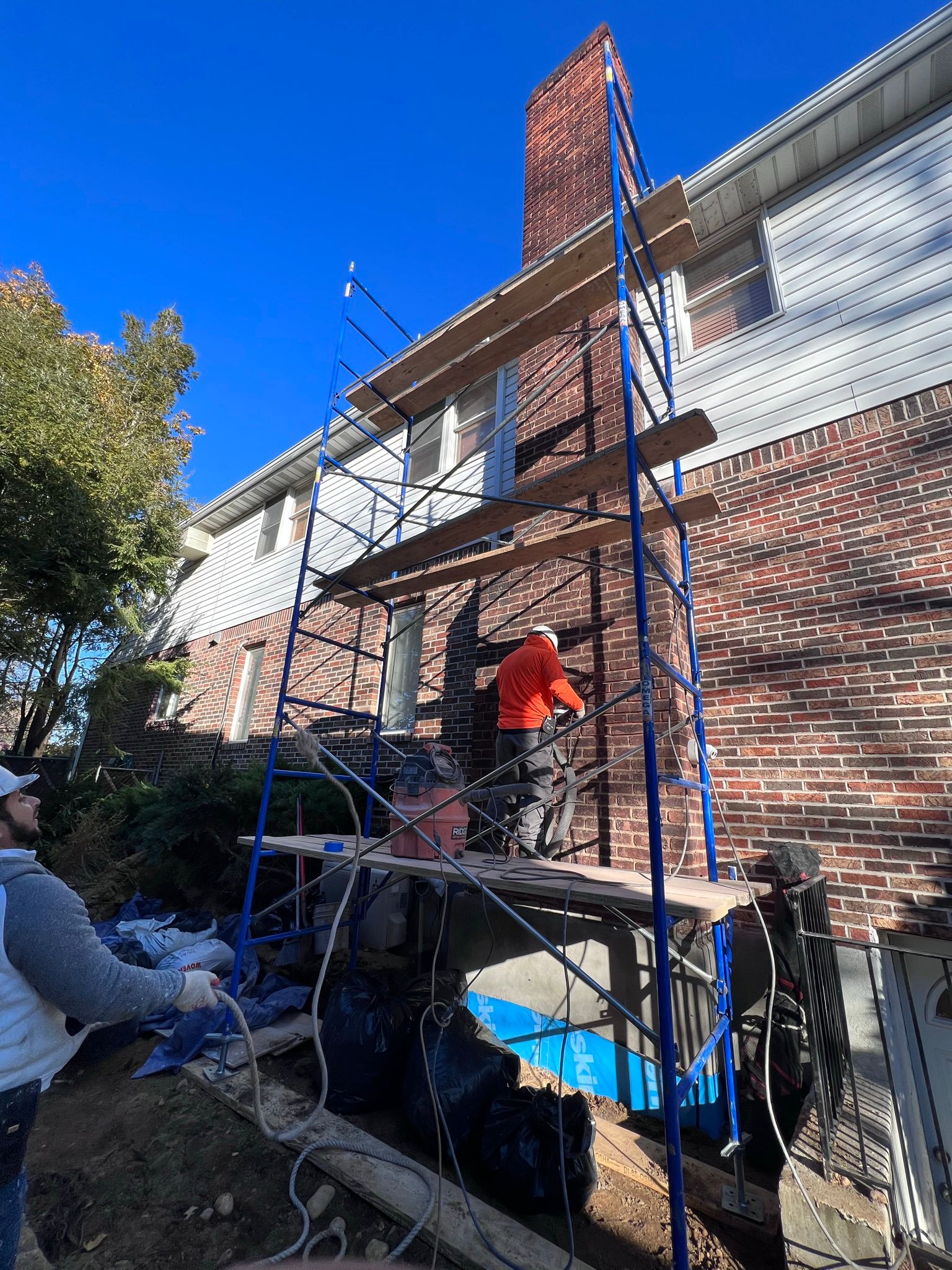
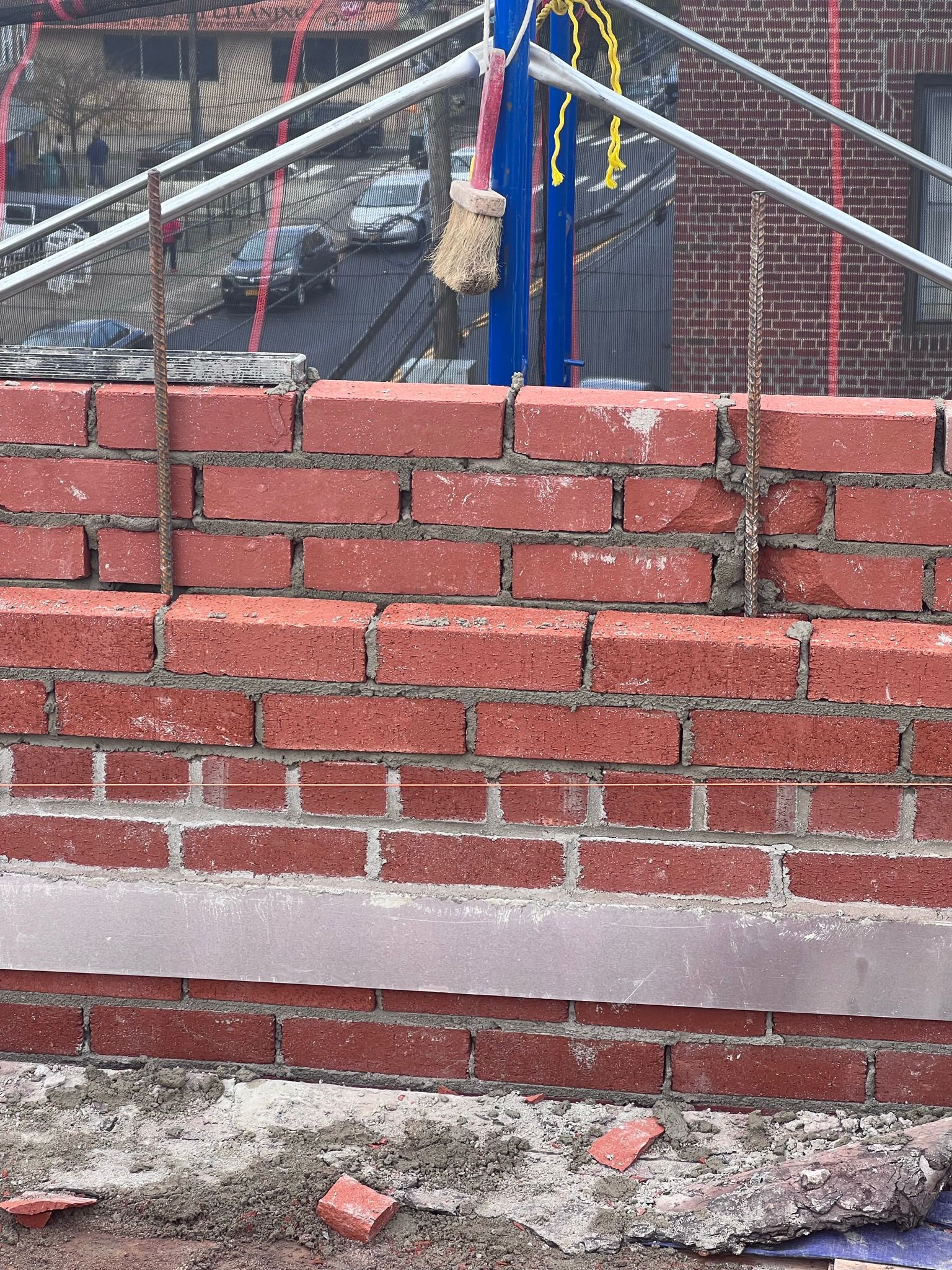
Brick Pointing Projects in NYC
Browse our gallery to explore the outstanding projects we’ve successfully completed, highlighting our expertise.
Frequently Asked Questions
In practice, yes, and on an NYC wall they mean one job. NPS Preservation Brief 2 treats repointing and pointing as the same process, cutting out deteriorated mortar and replacing it with new. It adds that tuck pointing is used for it too, somewhat inaccurately, since that describes a decorative raised joint.
To at least 2 to 2 1/2 times the width of the joint, according to NPS Preservation Brief 2. For most brick joints that means roughly 1/2 to 1 inch. Shallower removal leaves new mortar too little to bond to, and on an NYC wall it tends to pop out.
It can, and grinders are the most common method, but they carry risk. NPS Brief 2 notes that hand chisels and mash hammers pose the least threat to brick. A grinder used carelessly widens joints and chips brick edges, damage that cannot be undone on a New York facade.
Usually because the old mortar was not cut out deep enough, leaving the new mortar little to grip. Filling a deep joint in one thick pass causes trouble too, since it shrinks as it sets. On NYC walls, correct depth and layered filling prevent most early failures.
Yes, where joints run deeper than about an inch. NPS Brief 2 describes filling the deepest areas first in layers of roughly 1/4 inch, each left to reach thumb-print hardness before the next. Layering keeps overall shrinkage down and gives an NYC joint a solid, bonded fill.