Masonry Contractor in Manhattan

Facade repair, Local Law 11 work and stone restoration on Manhattan buildings, from the Financial District up through Midtown to Harlem. Sardar Restoration Corp is licensed, insured, and files directly with the Department of Buildings.

Manhattan’s #1 Masonry & Restoration Specialists

What Drives Cost on a Manhattan Facade

What separates a Manhattan job from the same work elsewhere in the city is height, access and ownership, and all of it lands on the estimate.

Facade inspection applies to most buildings here

The Facade Inspection Safety Program covers buildings over six stories, and most Manhattan residential and commercial stock is well above that. Filing is a recurring obligation, not a one-time event.

Too tall for pipe scaffolding

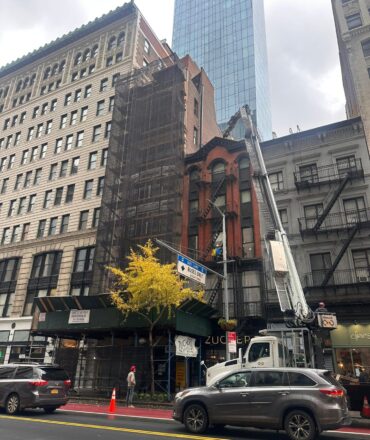
On most Manhattan buildings the work is reached by suspended scaffold rigged from the roof, which requires a licensed rigger and its own filing. Sidewalk sheds protect the pavement below throughout.

Most buildings are co-ops or condos

Facade work here is usually a board decision, not an owner’s. That means a documented scope, an itemized estimate the board can review, and reporting through the job.

Terracotta and stone, not just brick

Pre-war Manhattan facades carry terracotta, limestone and brownstone detail. These are repaired and matched piece by piece, not replaced with a modern equivalent, and much of it sits inside landmarked districts.

Licensed, Insured and Filing Directly with the DOB

Sardar Restoration Corp is a licensed and insured contractor working throughout Manhattan, carrying general liability and workers' compensation on every project. We file directly with the Department of Buildings, so permits, sidewalk shed applications and violation corrections all sit with one company. Our permit history is public record: 33 filings representing approximately $1.67 million in permitted construction. The company is led by Muhammad Ali.

Verified on:

Masonry And Restoration Services in Manhattan

Exterior repair, restoration and compliance work for Manhattan buildings, from the facade to the roof to the filing.

Serving Every Corner of Manhattan

Building age and construction change sharply across Manhattan. Downtown runs to cast iron and older masonry, the Upper East and West Sides to pre-war apartment houses, and Harlem and Washington Heights to brownstone and brick.

Serving Every Corner of NYC

Why Manhattan Building Owners Work With Us

We File Our Own DOB Permits

Rigging and Sheds Handled In-House

33 Permits on Public Record

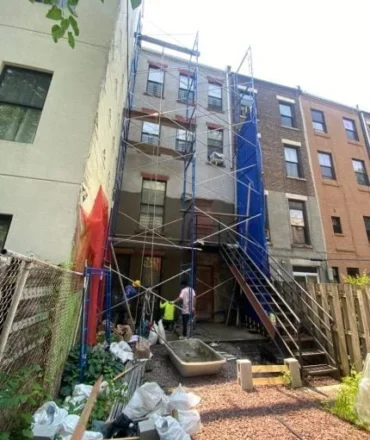
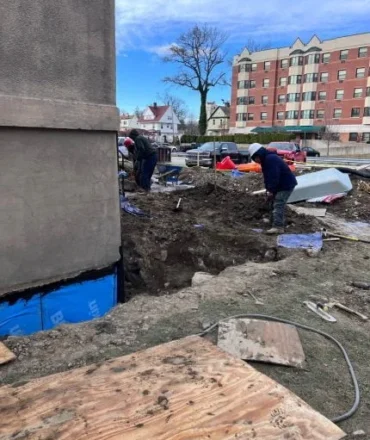
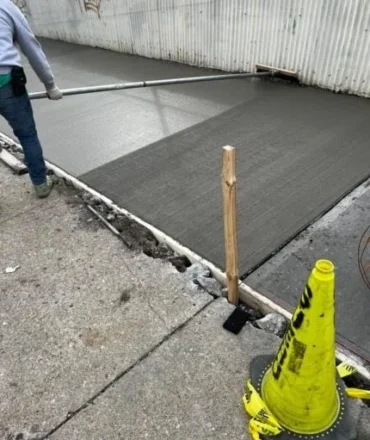
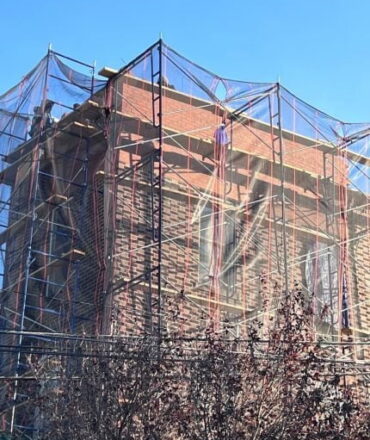
Manhattan Projects

Facade, brickwork and restoration work completed across the borough.

What Manhattan Building Owners Say

Frequently Asked Questions

Does my Manhattan building need Local Law 11 filing?

If it is more than six stories, yes. The Facade Inspection Safety Program requires a qualified inspector to examine the exterior walls and file a report with the Department of Buildings on a recurring cycle, and most Manhattan residential and commercial buildings are above that threshold. Buildings of six stories or fewer fall outside FISP, though parapet requirements under Local Law 126 of 2021 can still apply.

Why do Manhattan facade jobs need suspended scaffolding?

Height. Pipe scaffolding built from the ground becomes impractical past a certain number of floors, so the work is reached from a suspended scaffold rigged off the roof instead. That requires a licensed rigger and its own filing, and a sidewalk shed underneath to protect the pavement. Together these usually make access the largest single line item on a Manhattan job.

How does a co-op or condo board approve facade work?

Most boards want a documented scope, an itemized estimate they can compare against others, and a clear schedule before they vote. Where an inspection report exists, the scope should map directly to its findings so the board can see exactly what is being addressed and why. We prepare estimates in that format and provide reporting through the project.

Can you work on landmarked buildings in Manhattan?

Yes. Manhattan holds the highest concentration of landmarked buildings and historic districts in the city. Work on these properties needs Landmarks Preservation Commission approval before the Department of Buildings will issue permits, which adds a step and some time to the front of the project. Repairs also have to match original materials and detail rather than substitute a modern equivalent.

Do you repair terracotta and limestone, or only brick?

Both. Pre-war Manhattan facades carry terracotta cornices, limestone banding and brownstone detail alongside the brick. These materials are repaired and matched piece by piece where possible, because replacing them with modern substitutes changes the appearance of the building and is usually not permitted on a landmarked property.

Which parts of Manhattan do you cover?

The whole borough, from the Financial District, Tribeca, Soho and the Village neighborhoods downtown, through Gramercy, Murray Hill, Kips Bay and Midtown, up to the Upper East and West Sides, and north through Harlem, Washington Heights and Inwood.