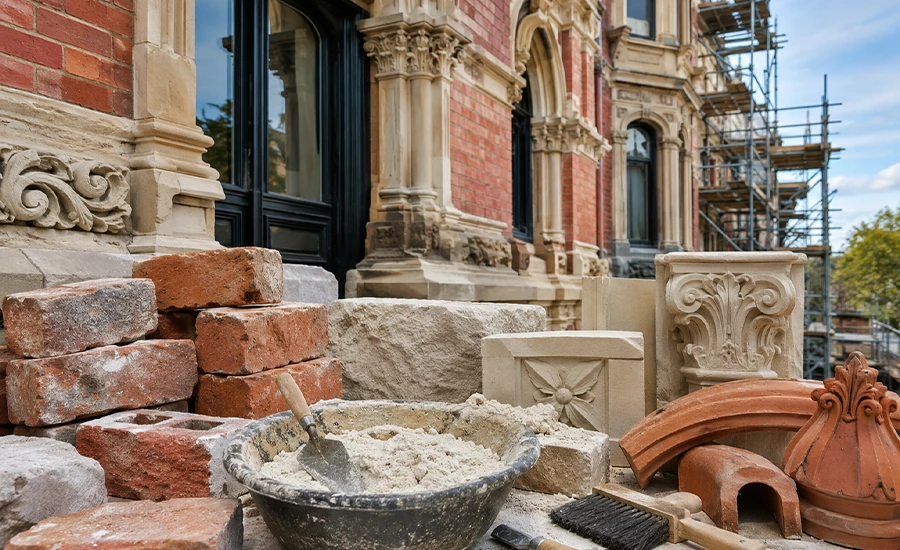
Top Materials Used in Historic Building Repairs
Learn which materials protect historic NYC buildings, including lime mortar, brick, stone, terra cotta, slate, copper, wood, and stucco.

Learn which materials protect historic NYC buildings, including lime mortar, brick, stone, terra cotta, slate, copper, wood, and stucco.
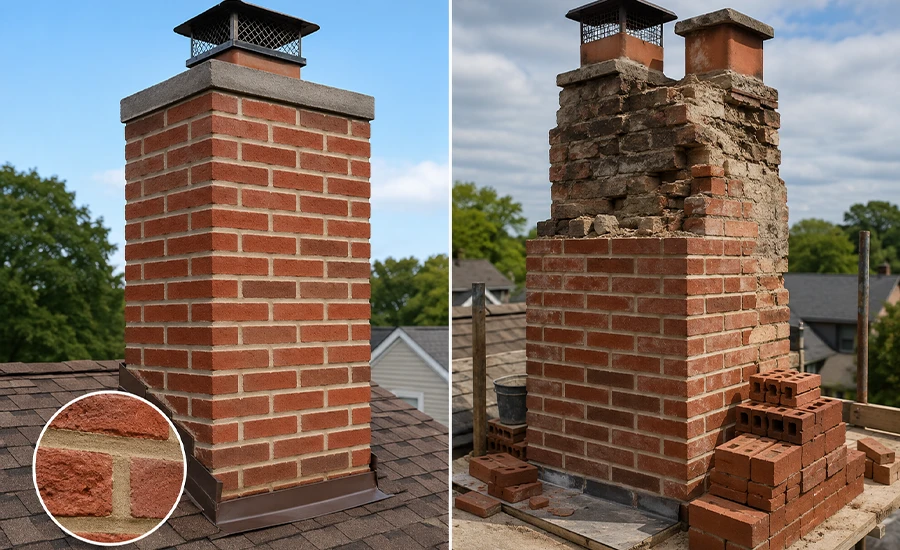
Compare chimney repointing and chimney rebuilding in NYC to understand repair signs, costs, benefits, and when each service is needed.
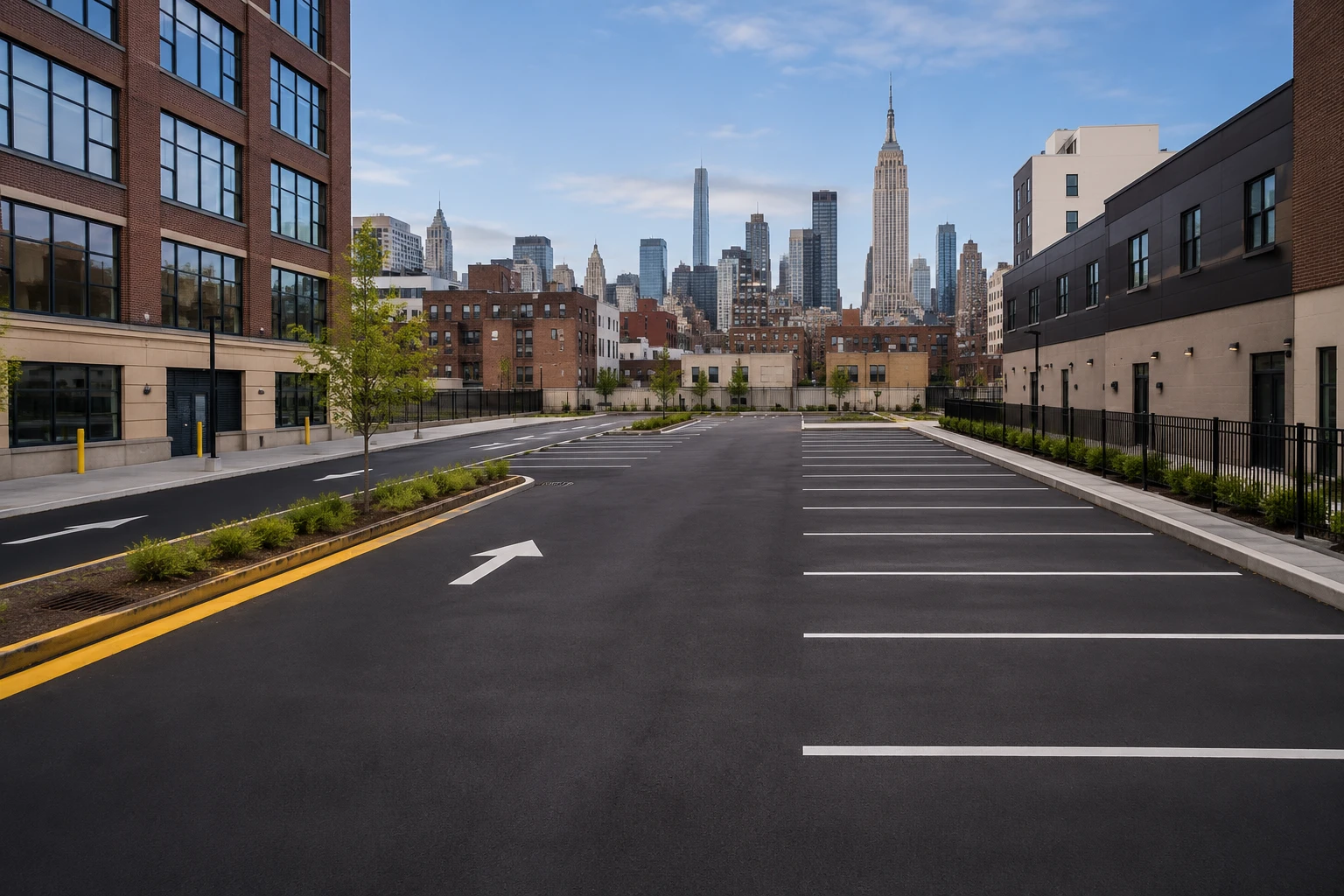
Keep your NYC parking lot safer and longer-lasting with tips for inspections, sealcoating, crack repair, drainage, and striping.
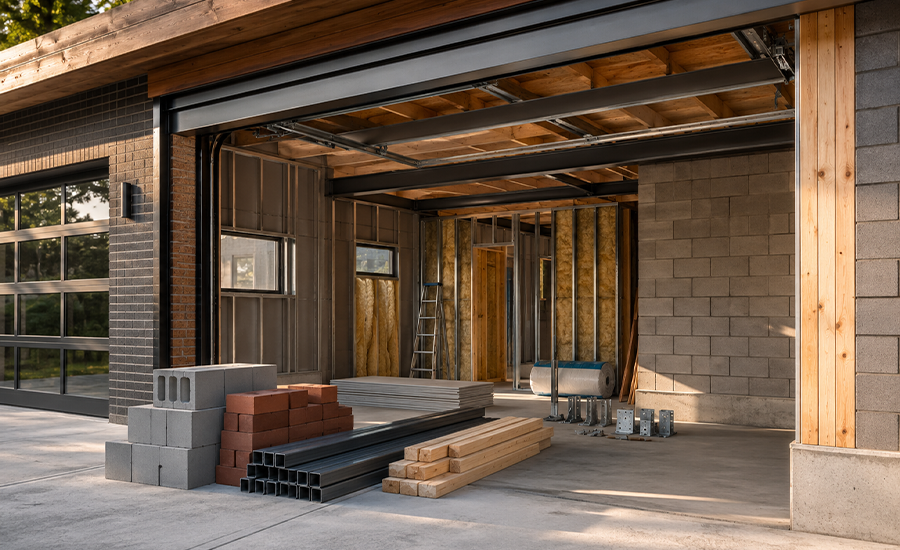
A simple look at the best garage construction materials for NYC properties, including concrete, steel, brick, wood, insulation, aluminum, and glass.
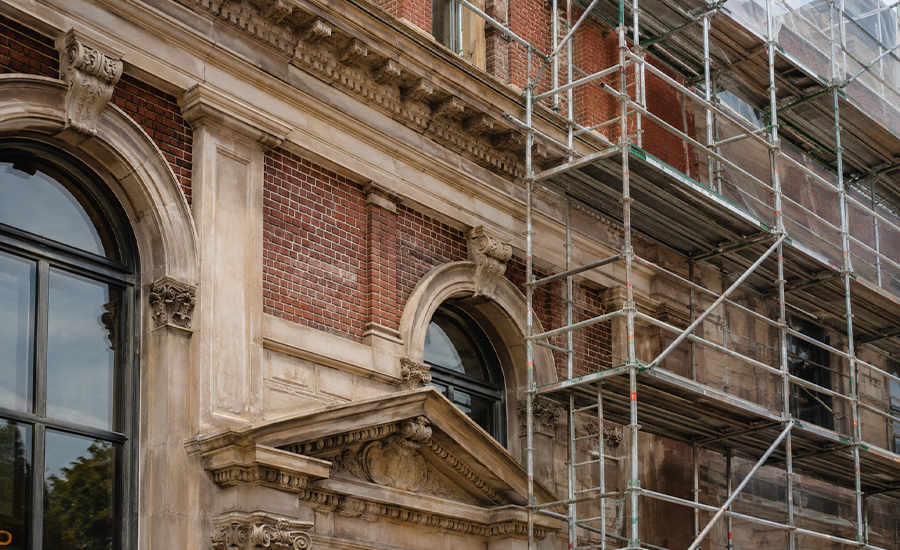
A clear look at the landmark masonry restoration process in NYC, covering inspection, repointing, material matching, and preservation care.
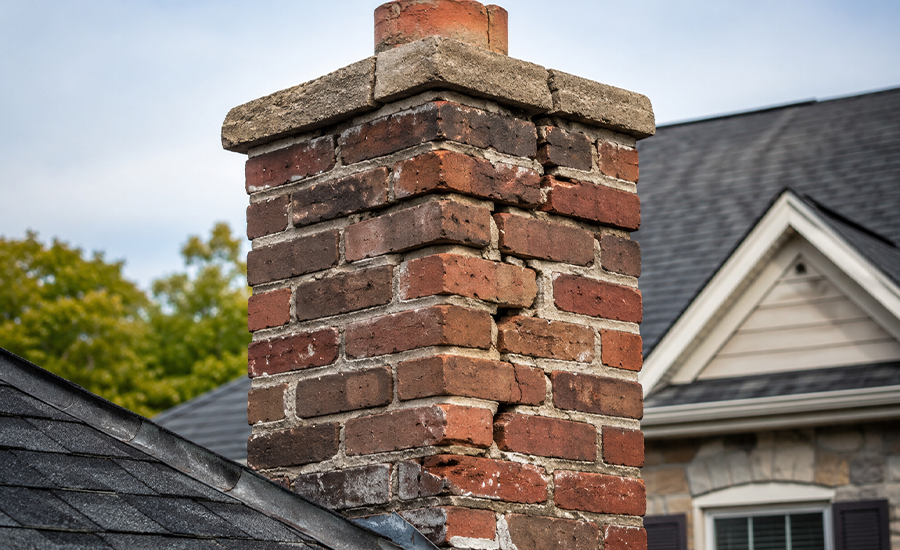
Noticing cracks, loose bricks, white stains, or leaning masonry? Learn the key signs your chimney brickwork may be failing in NYC.
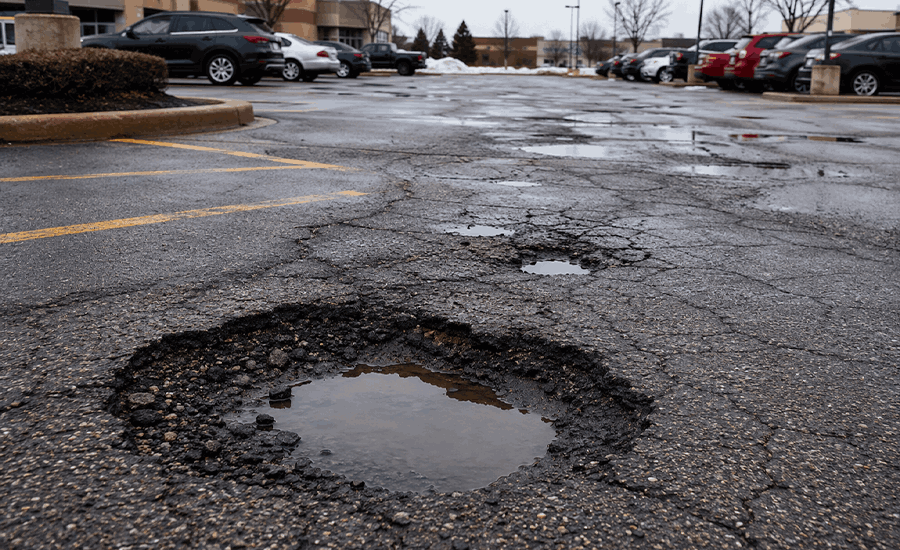
Parking lot cracks and potholes often start with water infiltration, weak base layers, freeze-thaw damage, poor drainage, and heavy traffic.
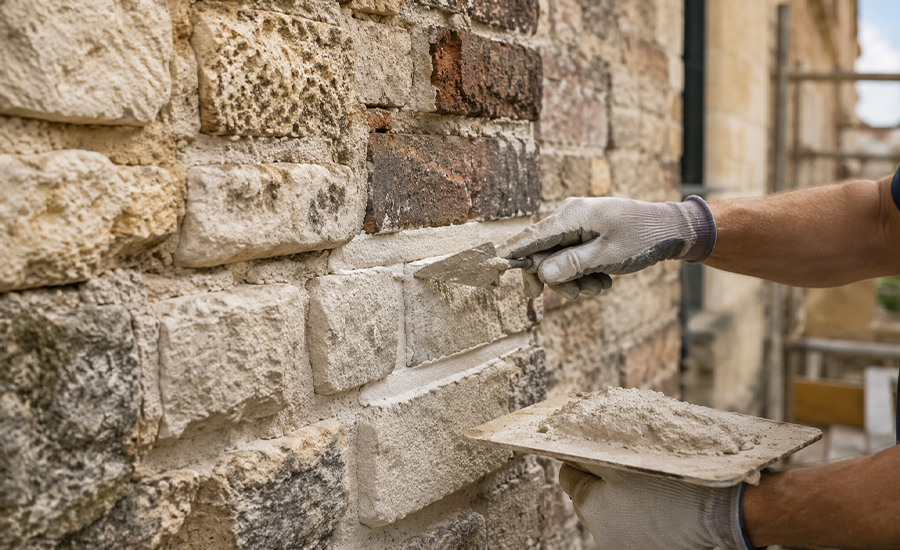
Find out when lime mortar should be used for NYC masonry restoration, older brick repair, repointing, brownstone, and historic work.
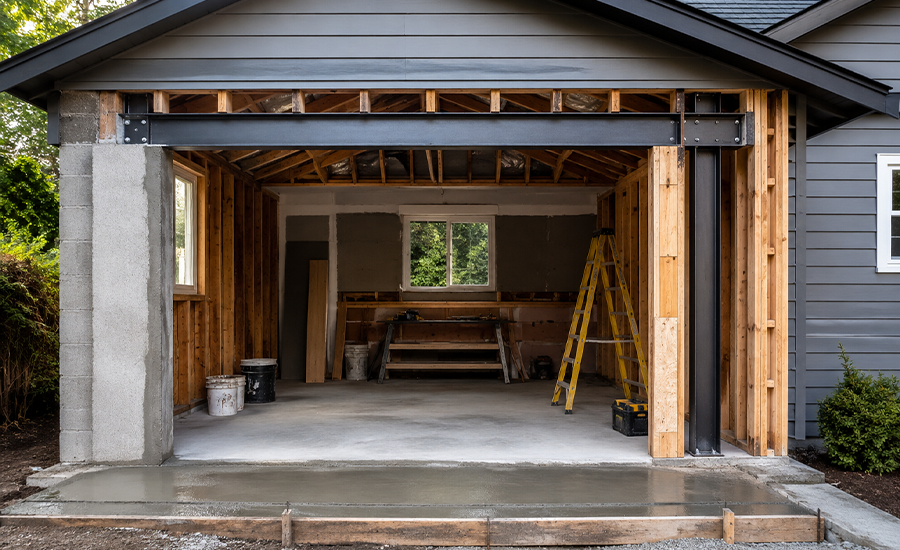
Garage structural restoration in NYC helps repair foundation cracks, water damage, wall issues, and unsafe garage structures.
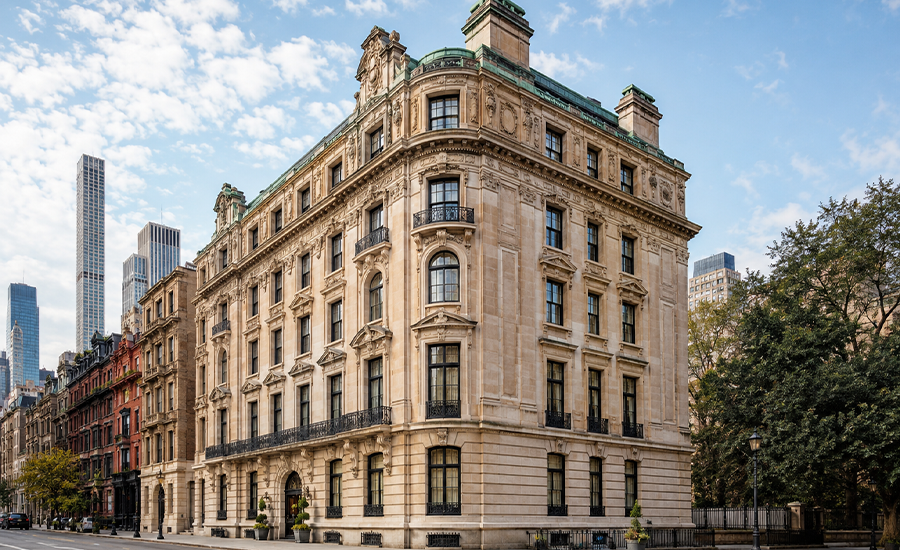
Discover what makes a building a landmark in NYC, how LPC approval works, and why careful restoration protects historic value.
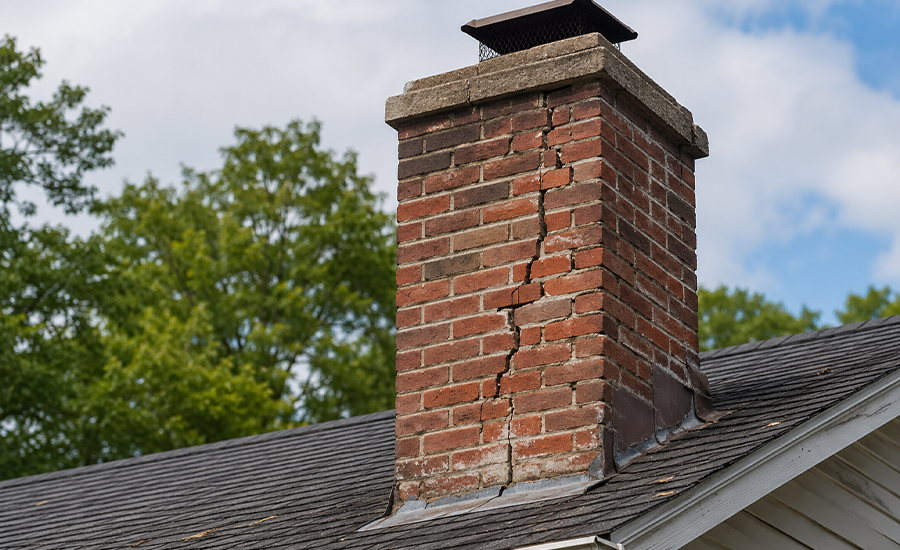
Chimney brick cracks in older NYC buildings often come from moisture, freeze-thaw cycles, aging mortar, and structural movement.
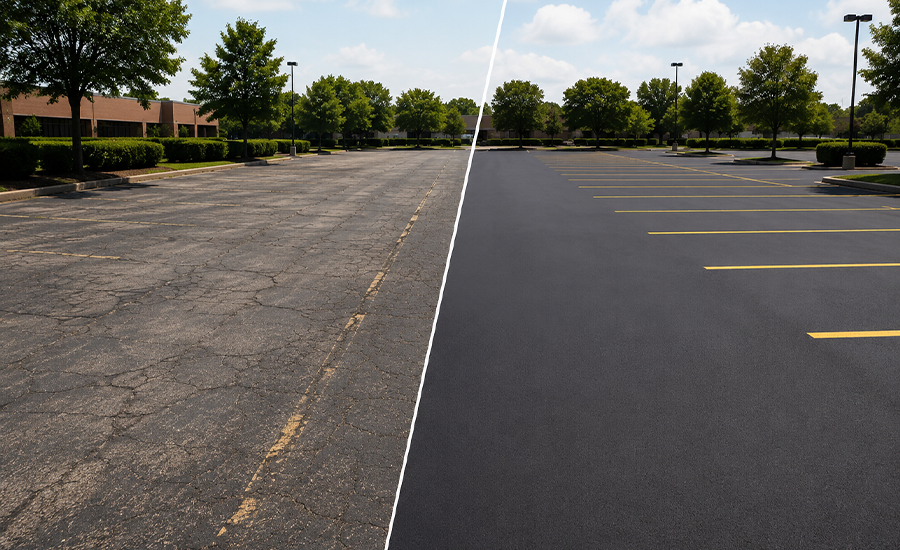
Learn when to resurface or replace a parking lot in NYC based on cost, damage, base condition, lifespan, and long-term value.
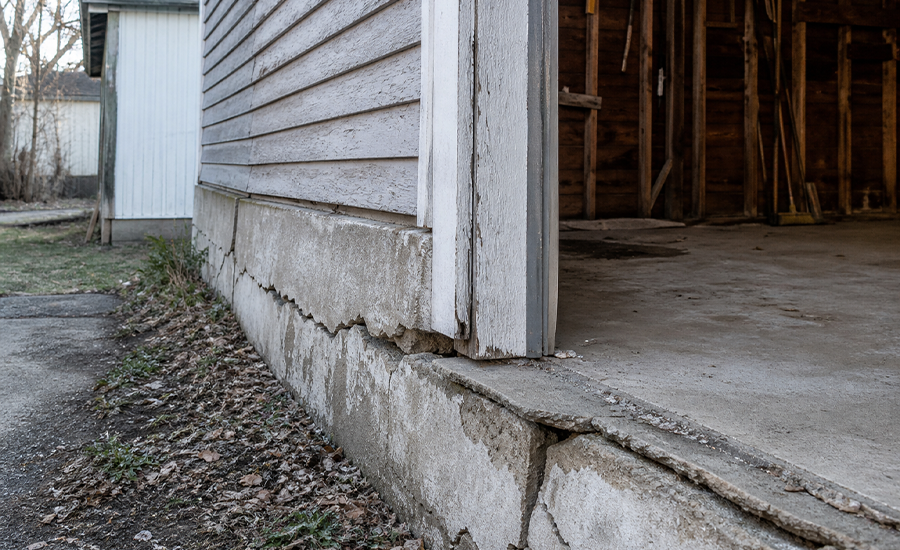
Why garage foundation cracks happen in older NYC buildings, which cracks are serious, and when to get professional help.
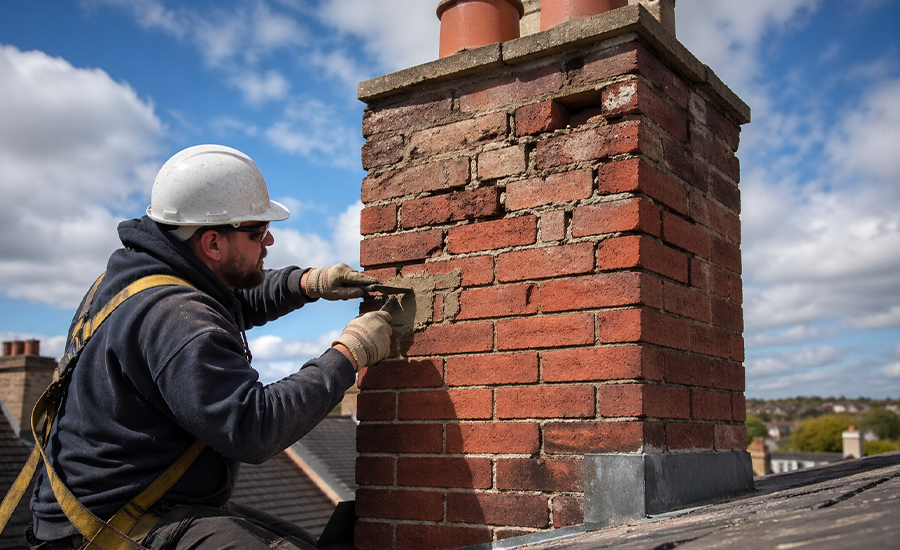
A clear guide to chimney brick restoration for NYC properties, covering inspection, repointing, brick repair, crown work, and waterproofing.
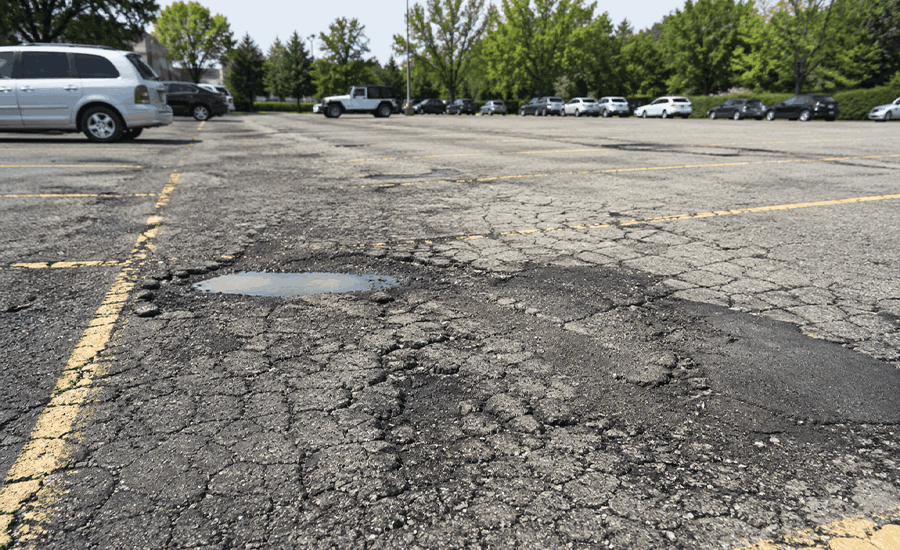
Parking lots in NYC need repaving when cracks spread, drainage fails, or repairs repeat. Learn the key signs to avoid costly damage.
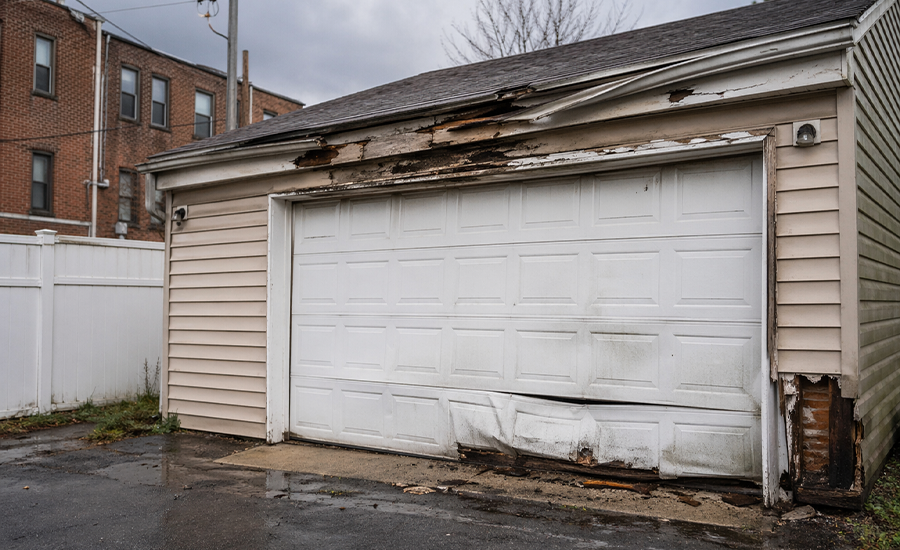
Garage issues in NYC can quickly become serious. Learn key signs like cracks, moisture, and misalignment before damage gets costly.