Traditional Stucco NYC

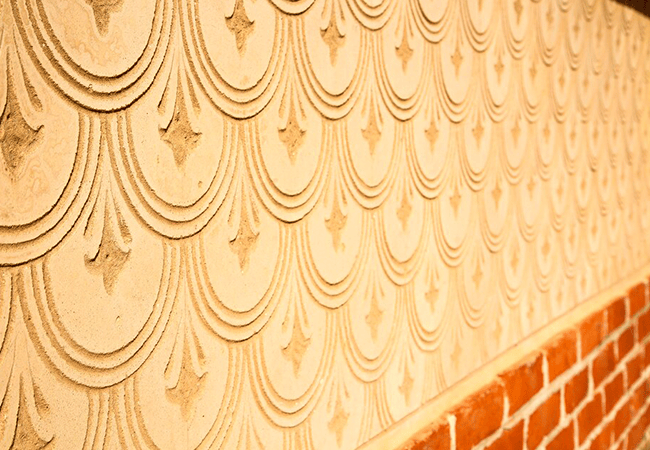
Traditional stucco in NYC, also called hard coat stucco. Three separate coats built up over lath, each doing a different job, with the mix matched to the wall behind it. On a pre-war building that usually means lime rather than modern Portland cement.

Traditional Stucco Contractor in NYC

Traditional Stucco and the Three Coat System

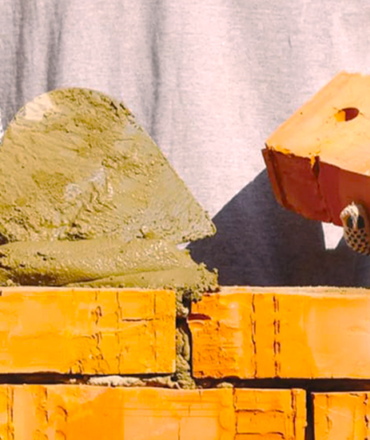
Traditional stucco is three separate applications, not one thick one. A scratch coat keys into the lath, a brown coat brings the wall to a flat plane, and a thin finish coat carries the texture and color. Together they build to roughly seven eighths of an inch, and each coat is doing something the others cannot.

The part that matters most on a New York building is what goes into the mix. As a traditional stucco contractor in NYC we work on a lot of pre-war stock, and the original material on those walls is lime based, which is soft and lets moisture pass through it. Modern Portland cement stucco is much harder. Applied over old lime work it traps water and forces the failure into the original wall rather than into the new coat.

Verified on:

When a NYC Wall Needs Traditional Stucco

Traditional stucco costs more and takes longer than the thinner systems. These are the situations where that is the right trade.

If none of these apply to your building, a lighter system may serve you better and we will say so.

The building is pre-war

Older New York walls were built to breathe. They need a soft, permeable material, and a full three coat system in a lime based mix is the closest modern equivalent.

The wall is not flat

A settled or patched New York elevation needs correcting as the coats build. Three passes give three chances to true it. Thinner systems follow the wall rather than fixing it.

Impact at ground level

Base courses, NYC stoops and anywhere people and equipment make contact. Full thickness is what survives that, which is why we specify three coat low even when the upper wall does not need it.

It has to match existing work

Where part of a New York elevation is already three coat, the repair or extension has to be the same build. Mixing systems on one wall shows within a season.

You intend to keep the building

On a New York property held for decades the extra cost of traditional stucco divides across a long life. On a short hold it does not, and that is a legitimate reason to choose something else.

What Each Coat in Traditional Stucco Does

Four stages, and only the last one is about how it looks.

Lath and prep

Metal lath over a weather barrier gives the first traditional stucco coat something to grip. On NYC masonry the wall itself can serve, provided it is sound and absorbent. Everything after depends on it.

The scratch coat

The first of the three coats, scored across while still green so the next has a mechanical key to bond into. The scratches are not decoration. They are the whole reason the system holds together.

The brown coat

The second application, floated to a flat and true plane. This is where an uneven New York wall gets corrected, and it is the coat that decides whether the finished elevation reads straight.

The finish coat

Thin, and purely appearance. It carries the texture and color and none of the structural work. Every argument about how a NYC stucco wall looks is an argument about this coat alone.

How Three Coat Stucco Cures

Scratch coat, then keep it wet

Cement gains strength by hydrating, not by drying. A three coat scratch layer left to dry out in sun or wind will shrink and craze before the next goes on, so it is kept damp for a period after application.

Brown coat, floated and cured again

The same applies to the second coat, and this is where most of a New York traditional stucco calendar goes. Rushing the finish over an uncured brown coat is the most common cause of cracking we are called to look at.

Finish coat, applied to conditions

The last coat needs settled weather and a substrate at the right moisture level. In New York that means the work stops below roughly forty degrees Fahrenheit, and it also means we will not apply a finish into wind that will dry it faster than it can cure.

How We Apply Traditional Stucco in NYC

We Use Lime on Pre-War NYC Walls

We Damp Cure Between Coats

We Match an Existing Three Coat Build

What NYC Clients Say About Our Traditional Stucco Work

Excellent4.647 reviews
4.6
Excellent47 reviews
Posted on Google Google
Hasnat Chaudhary
45 days ago
Trustindex verifies that the original source of the review is Google.
Great services
Posted on Google Google
Chaudhary Khizer Ahmed
45 days ago
Trustindex verifies that the original source of the review is Google.
Great service
Posted on Google Google
Vas Ortiz
45 days ago
Trustindex verifies that the original source of the review is Google.
They were prompt and finished in a day. I was really impressed and they guaranteed their work. Great job guys!! Thank you. We’ll definitely keep in touch for future work.
Posted on Google Google
Ricardo Cruz
49 days ago
Trustindex verifies that the original source of the review is Google.
I found Sadat restoration very professional, thorough at their work , reliable and amazing clean up at the end! Thank you Mohammed , to you and your crew. I highly recommend this company!
Posted on Google Google
Robert Scarano
53 days ago
Trustindex verifies that the original source of the review is Google.
As the owner of Scarano Architect, PLLC firm, we recommend this team. They repaired the façade in a timely fashion, ensuring all work was done properly and fully code compliant. They are professional, reliable, and easy to work with. Hoping to do more projects with them.
Posted on Google Google
Jen Volmer
53 days ago
Trustindex verifies that the original source of the review is Google.
We worked with Sardar Restoration to repoint brick on our home. I've worked with several contractors in the Riverdale/Bronx area, and had a positive experience with Mohammed and his team. They were communicative, punctual, clear with timelines and costs. My favorite thing might have been how efficiently they used their time!
Posted on Google Google
Dorothy Balacich
60 days ago
Trustindex verifies that the original source of the review is Google.
I am extremely happy with the work Sardar did on my firescape. I needed it scraped and primed n painted. It was not done for many years. They are reliable and did a very clean and professional job. I am using them for my next project. Thank you Mohammed !!!
Posted on Google Google
Voncho
65 days ago
Trustindex verifies that the original source of the review is Google.
They did a phenomenal job with the pavers! I’m very happy with there work! Highly recommended
Posted on Google Google
Angelica Quinteros
148 days ago
Trustindex verifies that the original source of the review is Google.
amazing team of saardars
Posted on Google Google
Anthony Tapia
148 days ago
Trustindex verifies that the original source of the review is Google.
Loved there work
Traditional Stucco Contractor in NYC

Synthetic Stucco or Traditional Stucco

Synthetic stucco is a thin acrylic finish over foam insulation. Traditional stucco is cement over lath with no insulation in it. They look similar on a finished wall and they behave nothing alike. Synthetic adds insulation and weighs less, and it depends entirely on drainage behind it working correctly. Traditional adds no insulation, weighs considerably more, and tolerates a wall that is not perfectly detailed because there is mass in it. On a pre-war New York building that needs to breathe, traditional in a lime mix is usually the right answer. On new construction where insulation is the goal, it usually is not.

Traditional Stucco NYC Service Areas

Which mix a building needs varies with its age, and the pre-war stock is not evenly spread across the boroughs.

See stucco contractor NYC for the full range of stucco systems, or California stucco NYC for the single coat alternative.

Serving Every Corner of NYC

Traditional Stucco Projects in NYC

Browse our gallery to explore the outstanding projects we’ve successfully completed, highlighting our expertise.

Frequently Asked Questions

What is the difference between synthetic and traditional stucco?

Synthetic stucco is a thin acrylic coat over foam insulation board. Traditional stucco is cement applied in three coats over lath, with no insulation in it. Synthetic is lighter and adds R value. Traditional is heavier, more permeable, and better suited to older walls that need to breathe.

What is hard coat stucco?

Another name for traditional stucco, used in the trade to distinguish it from synthetic systems. Hard refers to the cement content rather than to the surface, and the same product may be described as three coat, hard coat or traditional depending on who is writing the specification.

Why does traditional stucco need to be kept damp while it cures?

Because cement gains strength by hydrating rather than by drying. A coat that dries too quickly shrinks and crazes before it has developed strength. Keeping it damp for a period after application is standard practice on a three coat system and it is the step most often skipped.

Can new stucco go over an old lime stucco wall?

Not in a modern Portland cement mix. The new coat would be considerably harder than the original, so any movement or freezing forces the failure into the old work rather than the new. On a pre-war New York wall the repair mix has to be lime based to stay softer than what it covers.

How long does three coat stucco take to install?

Longer than the application time suggests, because of the curing between coats. Each of the first two coats needs a period to gain strength before the next goes on, so a wall that takes days to apply takes weeks to complete. In New York the weather sets the outer limit.

Is traditional stucco waterproof?

No, and no cement stucco is. It sheds water and it lets vapor pass through, which is what makes it suitable for older walls. Water gets in at cracks, at openings and where flashing has failed, so the detailing at those points does more for a wall than the coating does.