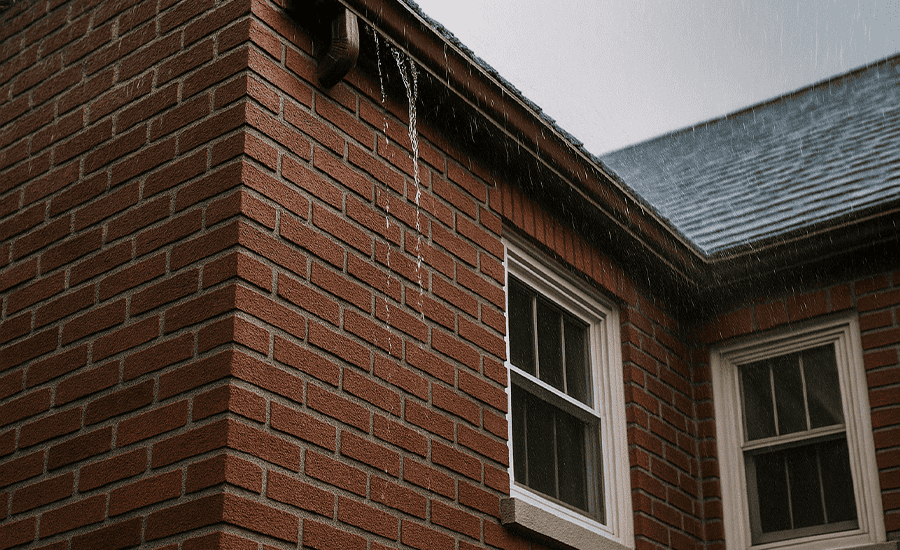
How Brick Pointing Protects Bronx Homes from Water Damage
Brick pointing is essential for Bronx properties facing harsh weather and water damage. It seals mortar joints, strengthens masonry, and prevents costly repairs.

Brick pointing is essential for Bronx properties facing harsh weather and water damage. It seals mortar joints, strengthens masonry, and prevents costly repairs.
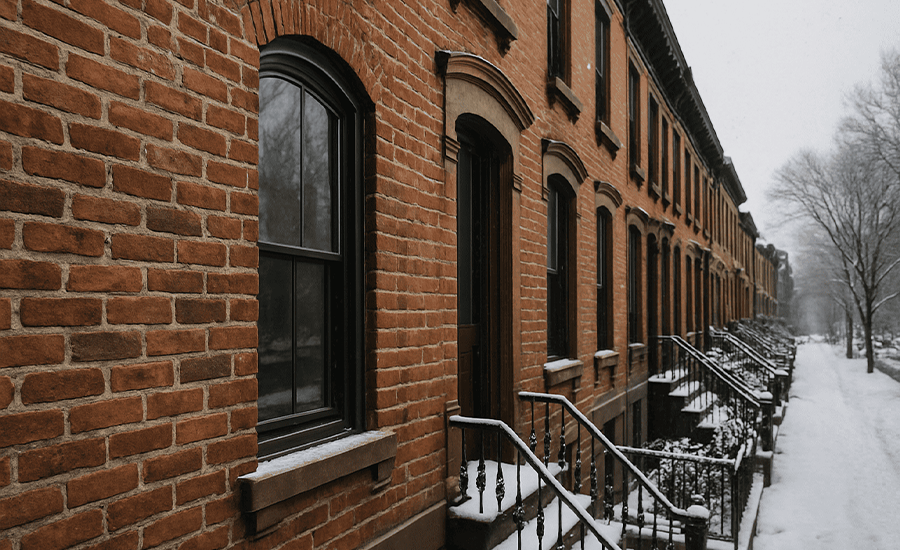
Brooklyn winters bring freeze-thaw cycles, snow, and moisture that can weaken brick structures. Brick pointing provides a strong shield, preventing water intrusion, reducing frost damage,
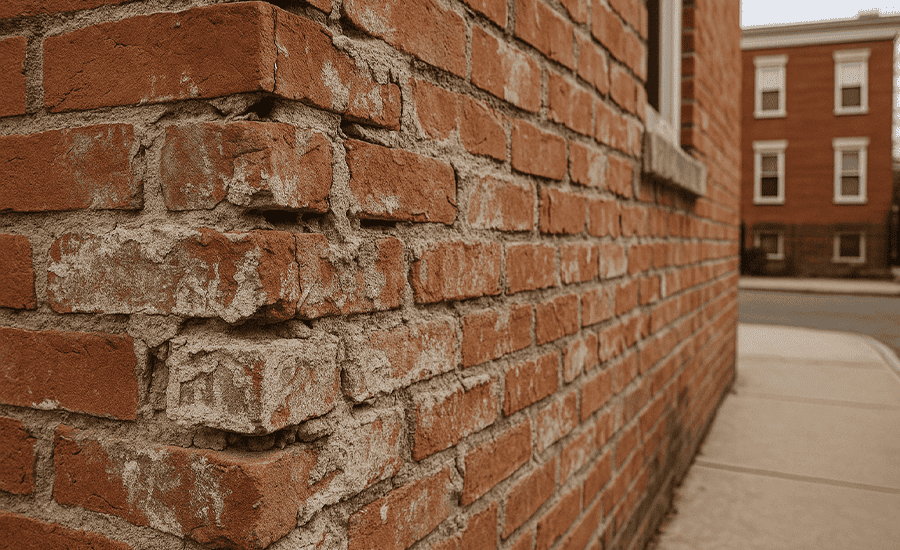
Queens’ coastal air may look charming, but the salt crystals in it can severely weaken mortar joints and brick structures. This blog explains the impact

Heavy rains in Manhattan can weaken mortar joints, cause cracks, and damage historic brownstones. Brick pointing offers a reliable solution by sealing joints, preventing water

NYC’s freeze-thaw cycle puts serious stress on brickwork, weakening mortar joints and reducing durability. Learn how proper mortar and techniques extend lifespan.
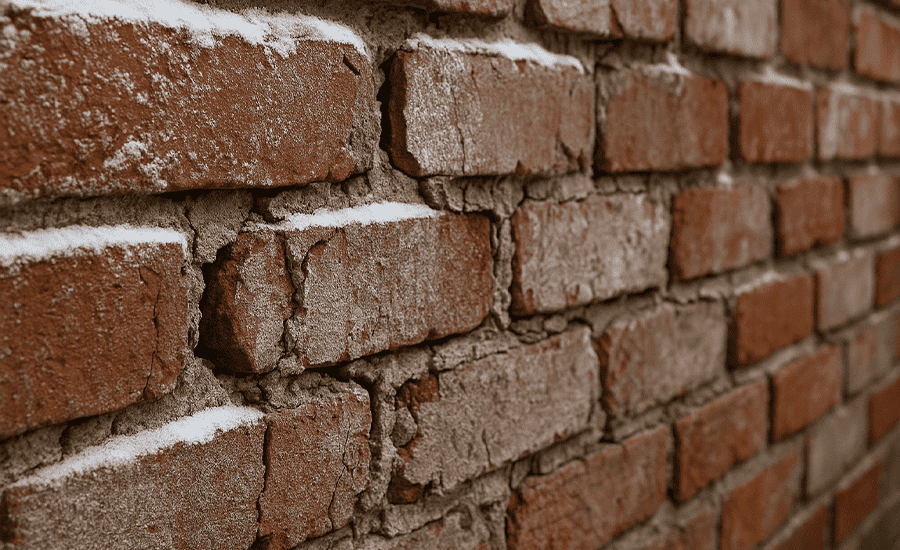
Freeze-thaw cycles can weaken mortar joints and shorten the life of brick pointing. Discover the signs of damage and how expert repointing preserves NYC masonry.

Coastal homes face constant challenges from salt-laden air and dampness that weaken masonry. Discover how brick pointing protects against salt damage, reinforces strength, and preserves

Extreme heat can weaken mortar in brick pointing, causing cracks, poor adhesion, and higher repair costs. Learn how professionals handle hot-weather projects to keep your

Brick pointing protects masonry from water damage, but heavy rainfall can weaken mortar and cause costly repairs. Learn the challenges and prevention tips in this

Brick pointing can be done in both summer and winter, but which season gives stronger, longer-lasting results? Here’s a breakdown of benefits and drawbacks.
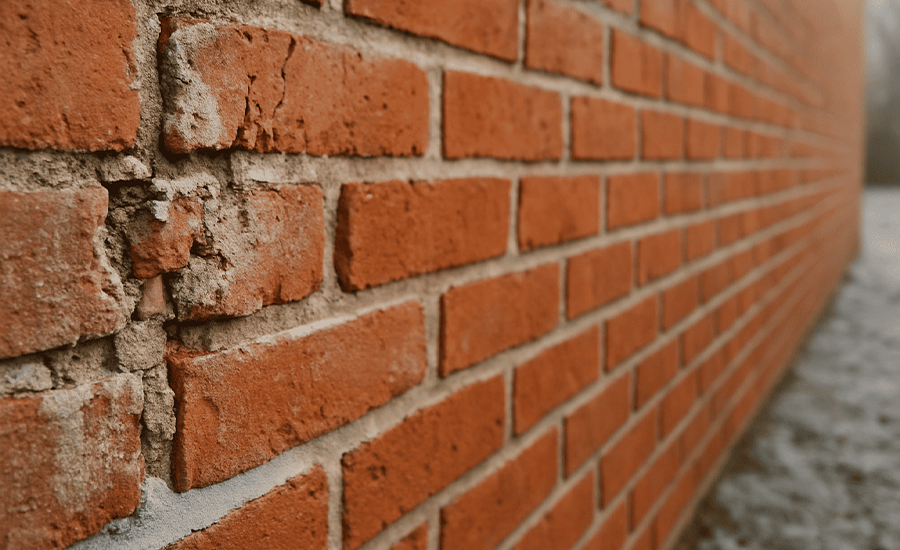
Brick pointing helps guard masonry against frost damage in cold weather. By sealing joints and strengthening mortar, it ensures your property lasts longer.
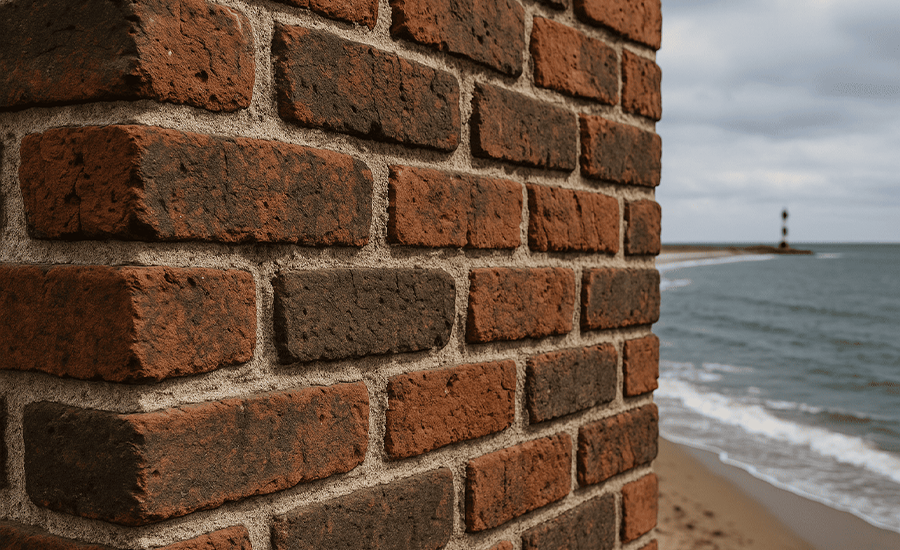
Brick pointing is essential for coastal properties where salt, dampness, and wind damage threaten masonry. Learn how it strengthens walls, restores beauty, and protects your
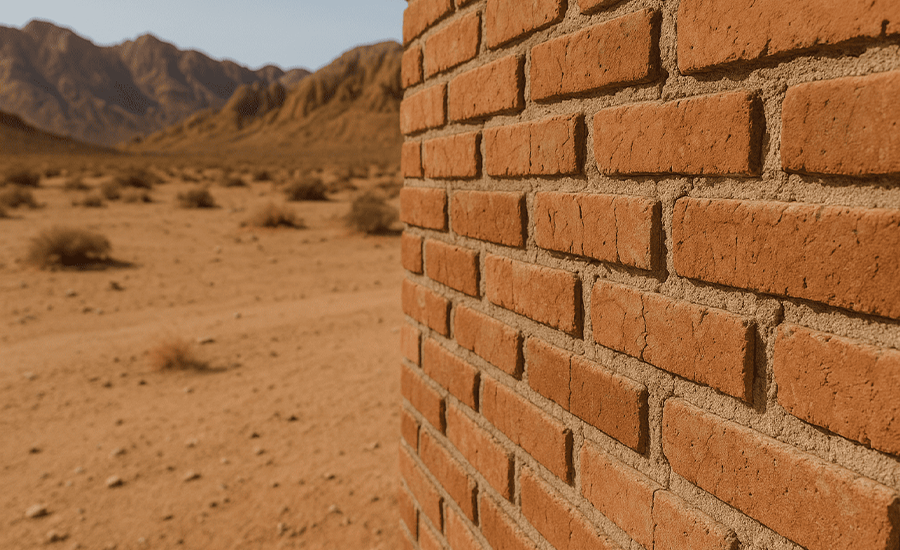
Brick pointing in arid regions protects masonry from heat, sand erosion, and structural damage while improving insulation and stability for residential and commercial buildings.
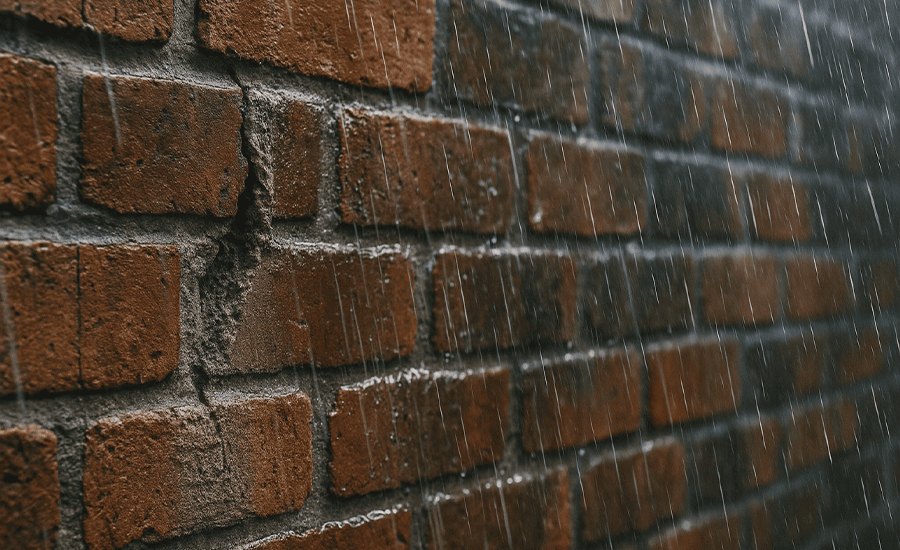
Brick pointing is essential for strong, durable masonry. This article explores how climate impacts mortar durability and why choosing the right mix protects NYC brickwork.
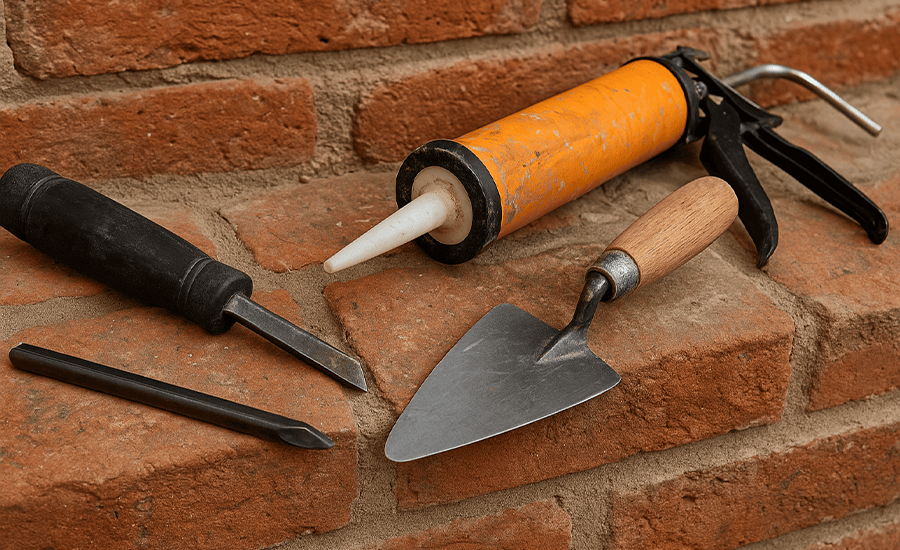
Using the right tools in V-pointing is key for durability and flawless finishes. From trowels to rakers, each tool plays an important role in protecting
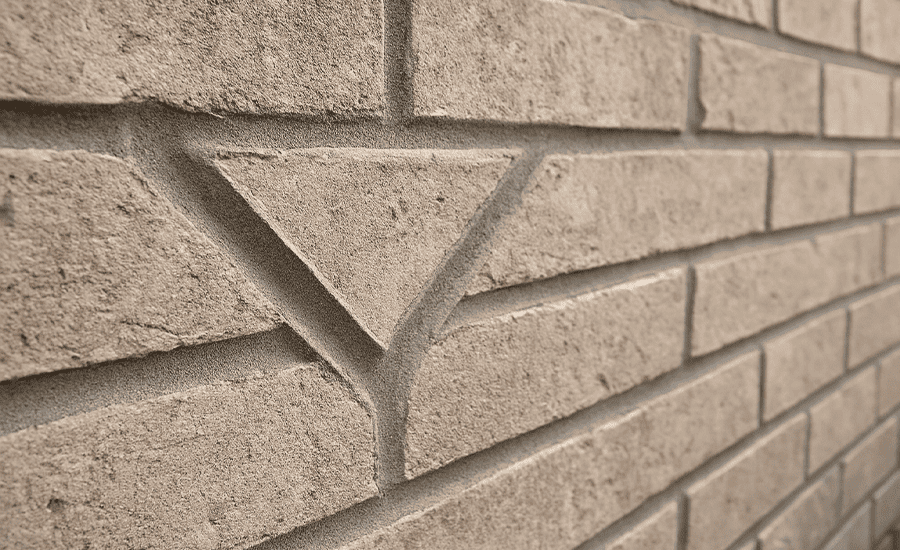
V-pointing is admired for its sharp, decorative finish, but is it really DIY-friendly? While small repairs may be possible, precision and skill are vital. Learn