Stucco Contractor Queens

Stucco repair and replacement on Queens homes. Most stucco here sits on wood framing rather than masonry, which changes what a crack means and what happens when water gets behind it. We check what is underneath before we quote.

Stucco Service Queens​

Stucco on Queens Homes

Queens is the frame borough. Where most of the city stuccoed over brick and block, a large share of Queens houses are wood framed with stucco applied over lath or sheathing. From the sidewalk the finish looks identical. What is behind it is not.

That changes what water does. Behind a masonry wall, water damages masonry, slowly and visibly. Behind a frame wall it reaches sheathing and studs, and wood rots. By the time anything shows on the outside the damage has usually been running for a while, which is why we check before quoting rather than after.

Verified on:

What Your Stucco Is Telling You

Cracks at window corners

Diagonal cracks running off the corners of openings are the most common thing we are called about. On a frame house they usually mean the wall is moving seasonally, not that anything has failed.

Bubbling or peeling paint

Paint lifting off stucco means moisture is trying to escape and cannot. Repainting over it traps the water again. The coating has to breathe or it will not hold.

Soft or spongy patches

If the wall gives when you press it, water has reached what is behind the stucco. On a frame house that means the sheathing. This is the one to act on quickly.

Stains running below windows

Dirty streaks under sills usually mean water is being shed onto the wall rather than away from it. Flashing or a sill detail is the cause, and the staining is only the visible part.

Our Stucco Services in Queens

Once we know what is behind the wall and whether water has reached it, the work falls into one of these.

EIFS Installation Queens

Synthetic insulated systems, common on Queens homes built since the 1980s.

Traditional Stucco Queens​

Three-coat cement stucco over lath or masonry.

California Stucco Queens

One-coat application, faster to install and to repair.

Stucco Repair Queens​

Failed sections opened up, substrate checked, rebuilt to match.

Stucco Painting Queens

Breathable coatings that let a frame wall dry out.

Stucco Waterproofing Queens

Flashing, joints and sill details corrected at the source.

Stucco Patching Queens​

Small repairs blended into the surrounding finish.

Stucco Crack Repair Queens

Cracks opened, filled and finished to match.

Stucco Removal & Replacement Queens

Full removal where sheathing or framing has been reached.

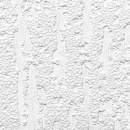
Textured Stucco Finishes Queens

Matching a neighbor’s finish or changing your own.

How We Check a Frame Wall

Moisture readings before anything is opened

A meter across the elevation shows where water is sitting, including areas that look completely sound. This is why we do not quote a Queens stucco job from the sidewalk.

A test opening at the wettest point

A small section comes off where the readings are highest. That tells us whether water has reached the sheathing, how far it has traveled, and whether the framing behind it is affected.

Scope written from what is actually there

Only then do we price it. Sound sheathing means a surface repair. Wet sheathing means a larger opening. Compromised framing means carpentry before any stucco goes back on.

Why Queens Homeowners Call Us

We Open It Up Before Quoting

We Work on Frame and Masonry

We Carry a Moisture Meter

What Queens Homeowners Say About Our Stucco Work

Stucco Service Queens​

Stucco and Older Queens Houses

Not all Queens stucco is modern. Parts of Richmond Hill, Jackson Heights and Forest Hills have houses from the 1920s and 1930s with original cement stucco, often in Spanish and Tudor revival styles. That stucco is softer and more permeable than a modern mix, and patching it with a hard modern material causes the original work around the patch to crack and spall. On those houses the repair mix has to be matched to what is there, not to what is current.

Stucco Services Across Queens

Stucco shows up unevenly across the borough: frame houses through Ozone Park and Richmond Hill, newer construction in Bayside, older revival housing in Forest Hills.

Stucco behaves differently in each borough. See our stucco services across NYC, or the full range of masonry services in Queens.

Serving Every Corner of NYC

Stucco Projects in Queens

Browse our gallery to explore the outstanding projects we’ve successfully completed, highlighting our expertise.

Frequently Asked Questions

How do I know if my stucco is on wood frame or masonry?

Knock on it. Stucco over masonry sounds solid and dead. Stucco over frame sounds hollow between the studs and gives a slightly higher note where you hit a stud. Age and house type help too: a detached or semi-detached Queens house built after about 1920 is more likely to be frame, while an attached row or an apartment building is more likely to be masonry. If it matters for the repair, we open a small test area rather than guess.

My house has EIFS. Is that a problem?

Not automatically, but it needs to be treated as EIFS rather than as stucco. EIFS is foam board with a thin synthetic coat over it, and the early systems installed from the 1980s onward had no drainage plane behind them, so any water that got in had nowhere to go. Newer systems are drained and perform well. The failures we see are almost always at windows, doors and roof junctions rather than in the middle of a wall. Repairing EIFS with cement stucco does not work, the two materials move differently.

Water got behind my stucco. How serious is that on a frame house?

More serious than on a masonry wall, and it is worth acting on. Water reaching sheathing and framing causes rot, and rot is structural. The awkward part is that the outside can look almost normal while the wood behind it is going. Soft or spongy spots, and any stucco that sounds hollow over a wide area, mean it should be opened up rather than watched.

Why does my stucco crack in the same place every year?

Because a frame wall moves and a rigid finish does not. Wood expands and contracts with humidity across the seasons, and stucco tracks the movement until it cracks, usually at the weakest point, which is the corner of a window or door. Filling that crack every year treats the symptom. The lasting fix is either a flexible repair detail at those corners or, on a full re-stucco, a system that accommodates movement.

My house is attached and my neighbor's stucco is different now. Can you match it?

Usually yes, and on rows of identical Queens houses it is worth doing. Texture is matched by hand on site rather than picked from a chart, and color is matched to the weathered wall rather than to what the original mix would have been, because stucco shifts tone as it ages. If a neighbor has already recoated in something noticeably different, we will tell you honestly how close a match is achievable before starting.