
 ChatGPT
 Perplexity
 Google AI
 Claude
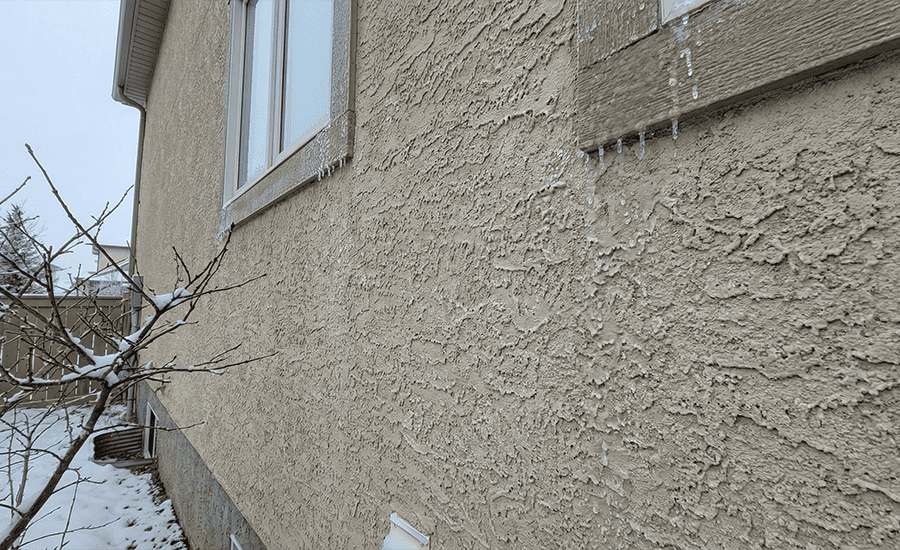
Homeowners in NYC always seem worried about keeping their stucco safe and secure in winter, but winter brings its own challenges, with freezing nights followed by daytime thawing. This freeze-thaw cycle creates continuous expansion and contraction within the stucco surface, often when water penetrates small fissures. Applying high-quality weatherproofing sealants to your stucco keeps moisture out, strengthens weak areas, and protects the façade from the destructive effects of freezing and thawing.
In this blog, we’ll explore the essential steps for weatherproofing stucco, its benefits, and the red flags that indicate you need to weatherproof.
How To Tell Your Stucco Needs Winter Weatherproofing?
The following are the issues that can escalate rapidly in winter, so it’s better to get your stucco weatherproofed before winter comes:
Visible signs to notice
- Hairline cracks
- Discoloration or water stains
- Powdery white residue
- Peeling of the finish coat
- Spalling
Structural red flags
- Hollow or soft-sounding sections
- Bulging walls
- Dampness around window/door perimeters
- Cold drafts or interior moisture near stucco walls
Water-related red flags
- Dark patches after rain
- Mold or algae growth
- Persistent dampness at the base of walls
Critical Steps To Follow For Winter-Ready Stucco
Here’s the simple breakdown of steps essential for stucco weatherproofing. Make Sure to follow all of these steps to prevent freeze-thaw damage in stucco:
Detailed Surface Review
The purpose of the comprehensive assessment is to check the compromised points & cracked areas:
- Infrared moisture readings
- Checking substrate condition
- Examining joints, trim, and the stucco layer
- Mapping areas needing repair
Crack Filling & Joint Sealing
Seals openings and prevents moisture entry:
- Filling hairline cracks with elastomeric sealant
- Repairing structural cracks with flexible patching compounds
- Resealing the expansion joints
This step greatly reduces crack expansion during temperature shifts. For more insight on how cold weather accelerates stucco cracking, read our article Why cold weather makes stucco crack faster.
Repair & Strengthen the Stucco
If stucco has begun to separate or crumble, it must be replaced before sealing:
- Removing loose or bulging stucco
- Rebuilding the area with new layers
- Reapplying bonding agents
- Ensuring proper curing for durability
Installation of Elastomeric Coating
Adds flexible waterproof protection:
- Waterproofs the stucco
- Expands & contracts with temperature changes
- Bridges small cracks
- Allows moisture vapor to escape
- Protects against snow, rain, and humidity
Flashing & Waterproofing Check
These areas must be checked:
- Roof-to-wall connections
- Chimney edges
- Window flashing
- Door tops
- Balcony and parapet intersections
Better Drainage System
Good drainage prevents water pooling at the base of stucco walls:
- It clears gutters & downspouts
- It adds extensions to downspouts
- It ensures proper grading away from the building
- It removes debris from the foundation perimeter
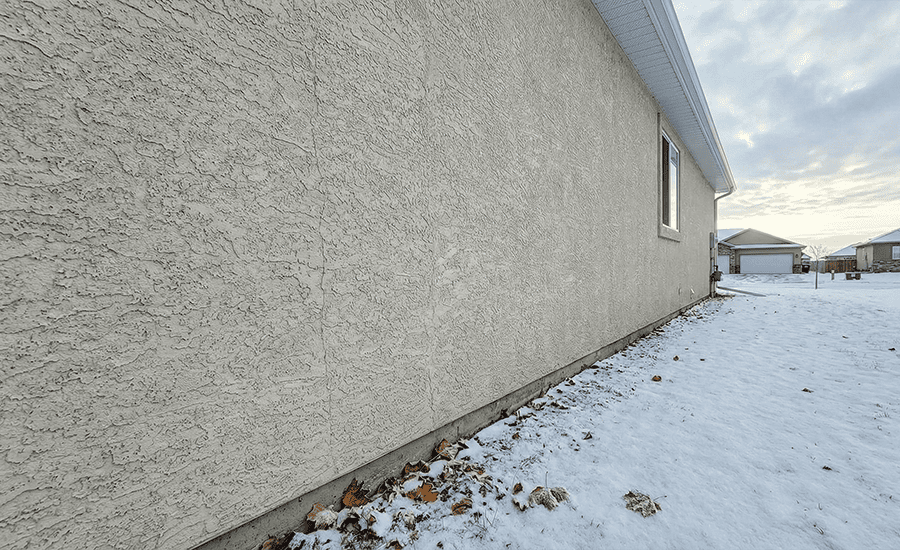
Good drainage prevents moisture buildup that leads to freeze-thaw damage. For seasonal upkeep guidance, explore Winter maintenance tips for your Stucco walls.
Why Winterproofing Your Stucco Weatherproofing Matters?
Here are some structural, visual, and financial benefits of weatherproofing your stucco before freeze-thaw season:
Load-bearing Enhancement
- It acts as a shield against freeze-thaw cracking
- It makes the weak areas solid
- It prevents bulging & delamination
- It protects the substrate and framing
Humidity Defense
- It blocks the water infiltration
- It minimizes the risk of mold and mildew
- It promises no wall dampness
- It controls the freeze-thaw damage
Aesthetic Enhancements
- It restores the original clean look
- It eliminates staining
- It keeps the stucco color bright
- It improves building curb appeal
Cost-saving Advantages
- It avoids expensive spring repairs
- It extends the stucco lifespan
- It reduces heat loss
- It lowers energy bills
Conclusion
To conclude this blog, freeze-thaw damage can be a significant threat to your stucco systems. Proper weatherproofing prevents cracking, bulging, water intrusion, and costly structural damage. By inspecting, repairing, and sealing your stucco before winter, homeowners can protect buildings and improve energy efficiency.
Sardar Restoration Corp proudly serves every corner of NYC, including the Bronx, Manhattan, Brooklyn, Westchester, and Queens. Our services are designed to meet your specific needs, providing top-quality solutions wherever you are. Check our service areas to see how we can assist you in your location.
Contact us today at (+1) 917-355-8556 or sardarrestoration@gmail.com, or visit us at 2770 Fish Ave, Bronx, NY 10469, United States.
FAQs
Why is stucco weatherproofing important before winter?
Stucco weatherproofing is essential in winter, as it protects the surface from freeze-thaw damage and enhances the exterior’s visual appeal.
What happens if stucco is not protected during freeze-thaw cycles?
If stucco isn’t protected in winter during freeze-thaw cycles, it cracks and absorbs water, which can lead to mold, interior wall damage, and costly repairs in the spring.
How do I know if my stucco needs weatherproofing?
Keep an eye on the following signs to know your stucco needs weatherproofing:
- Hairline cracks
- Water stains
- hollow areas
- Flaking
- Efflorescence
- Moisture around windows
Is winter weatherproofing required for both new and old stucco?
Yes, weatherproofing is recommended for both. New stucco can absorb moisture and older stucco often has hidden cracks, so both benefit before winter.
How long does stucco weatherproofing last in winter?
High quality coatings and sealants usually last through several winter seasons, depending on maintenance and exposure to rain, snow, and freezing temperatures.
Can I apply stucco coatings myself or should I hire a professional?
Minor crack sealing can be done by homeowners, but full winter weatherproofing is best handled by a professional to avoid missed weak spots.
Does weatherproofing improve energy efficiency in winter?
Yes, sealed stucco prevents drafts and moisture movement, which reduces heat loss and helps maintain stable indoor temperatures.
What type of coating is best for winter protection?
Elastomeric coating is the best type of weatherproofing coating for protecting your stucco in winter. It bridges small cracks and prevents water penetration throughout winter.
Can weatherproofing fix existing stucco cracks?
Yes! But Sardar Restoration Corp. recommends that the homeowners repair the hidden cracks first, then apply weatherproof coatings to prevent new cracks from forming during winter.