
 ChatGPT
 Perplexity
 Google AI
 Claude
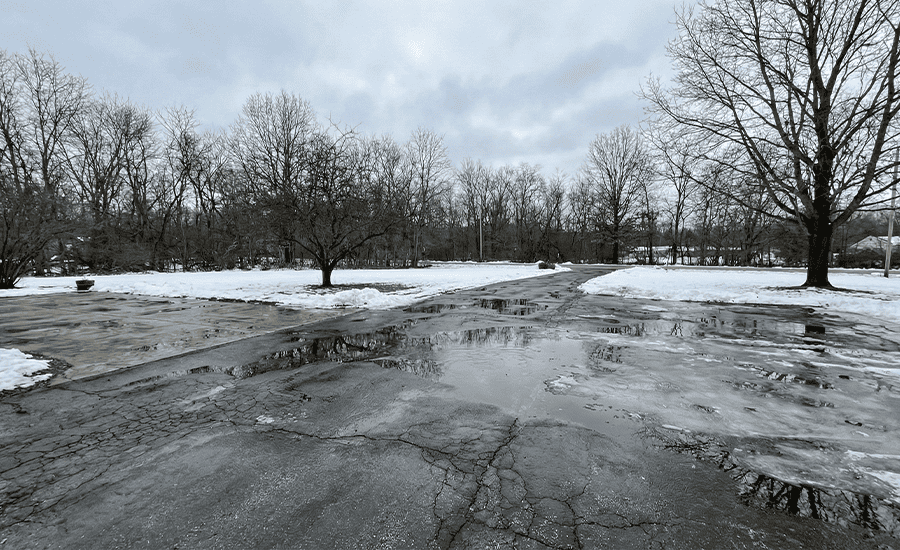
Pressure washing is effective for cleaning walkways, siding, driveways, and commercial surfaces. Still, in winter, it becomes the most challenging task because water doesn’t dry or evaporation rates slow, causing water pooling. Water in winter can cause ice to form, which expands and contracts, causing the brick to crack. Water pooling can make surfaces slippery, increasing the risk of accidents on walkways, driveways, and traffic areas.
In this blog, we’ll thoroughly explore the surfaces most affected by water pooling, why water takes longer to dry in winter, and how to prevent it.
Freeze-Thaw Damage: The Biggest Winter Threat
Once the pooled water starts to freeze, it expands, creating cracks and holes that can cause severe structural damage:
- Water settles into the pores of concrete, brick, stone, or mortar.
- Freezing temperatures cause water to expand.
- Expansion widens cracks or creates new ones.
- Repeated freeze-thaw cycles break down the material.
For a deeper look into temperature control, see our guide on the best water temperature for pressure washing in cold weather.
Which Material Is Highly Affected by Freeze Thaw Damage?
Here is the list of surfaces and materials that are badly damaged by winter water pooling, as freeze-thaw cycles cause cracks and spalling.
| Material | Frequently occurring issues | Risk level |
|---|---|---|
| Cement-based substrate | Surface breaks off & breaking lines. | Severe |
| Brickwork surface | Material degradation & joint separation. | Severe |
| Stone substrate | Shelling of the Surface | Average |
| Pavement units | Structural Displacement | Severe |
| Stucco | Splits and Raised Blisters | Average |
Hazards of Undetectable Ice Layers
When the water pools in winter, the thin layer of water freezes, which can also be called black ice, which escalates the risk of slipping. Let’s have a look at the high-risk areas where ice can accumulate and its potential consequences.
Most susceptible areas
- Driveways
- Patios
- Walkways and sidewalks
- Commercial entrances
- Parking lots
- Deck stairs
Resulting dangers
- Injuries
- Property damage
- Insurance claims
- Tenant complaints
- Liability lawsuits
If you’re unsure about winter washing conditions, read Can you pressure wash in winters to stay safe.
Common Entry Points Where Moisture Penetrates
Let’s have a look at the water penetration-prone areas with high risk:
| Entry points | Wintertime threats |
|---|---|
| Lower structural boundaries | Unwanted entry of water & soil expansion. |
| Subsurface wall sections | Moisture leakage through microcracks. |
| Underfloor areas | Long-lasting dampness. |
| Flat concrete surfaces | Boundary material breakdown. |
How Improper Drainage Leads To Water Pooling?
Water that flows toward the building instead of away can freeze against exterior walls and lead to:
What leads to the water pooling
- Uneven ground
- Poor slope direction
- Blocked drains
- Incorrect washing technique
Structural impact of improper runoff
- Water under door thresholds
- Frozen patches against the walls
- Moisture trapped behind siding
- Lead to interior water intrusion
Why does Moisture evaporate more Slowly In Winter?
Here are the significant reasons for extending the drying period after pressure washing:
- Low temperatures
- High humidity
- Short daylight hours
- Low sun angle
- Shady surfaces stay cold
Risks of extended moisture retention:
- Ice formation
- Mold growth
- Surface damage
- Extended slip hazards
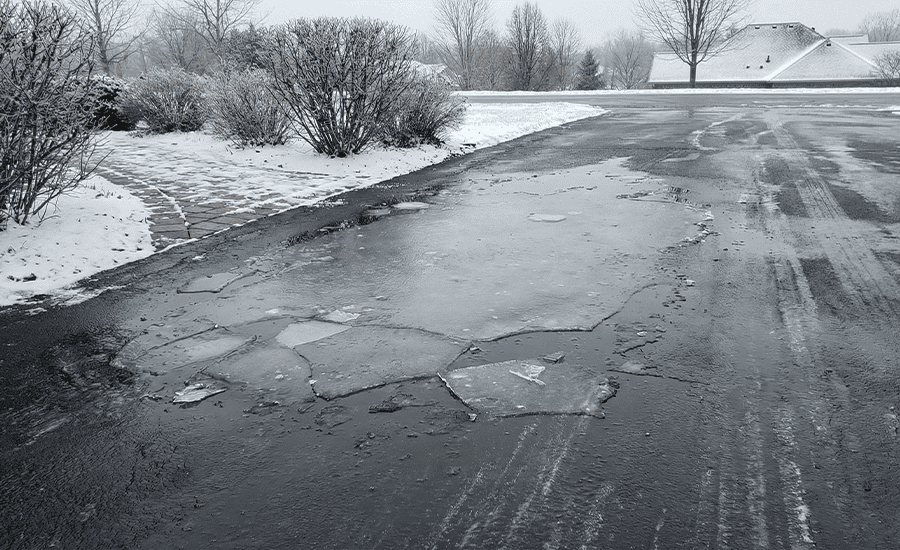
To avoid common winter hazards, check out our winter pressure washing safety tips for better protection.
Ways To Avoid Water Pooling After Winter Pressure Washing
Make sure to implement these guidelines to prevent water pooling:
- Check the weather forecast to avoid freezing within 48 hours.
- Clear debris and snow before washing.
- Wash earlier in the day for maximum drying time.
- Use controlled water volume to reduce runoff.
- Guide water using squeegees or surface cleaners.
- Dry the surface with blowers or wet vacs.
- Apply ice melt on high-risk areas.
- Ensure proper drainage before starting.
If you’re cleaning outdoor areas, our guide on pressure washing driveways and patios before the cold sets in will help you plan better.
Final Thoughts
In conclusion, water pooling is harmful and poses a risk to properties in NYC. Make Sure to check the drainage system and that no areas are cracked, because in winter, when homeowners pressure wash their properties, water can pool afterward, which may cause freeze-thaw damage and foundation problems. By safely pressure washing with appropriate pressure and tools, you can protect your property, avoid costly repairs, and ensure safe winter maintenance.
Sardar Restoration Corp proudly serves every corner of NYC, including the Bronx, Manhattan, Brooklyn, Westchester, and Queens. Our services are designed to meet your specific needs, providing top-quality solutions wherever you are. Check our service areas to see how we can assist you in your location.
Contact us today at (+1) 917-355-8556 or sardarrestoration@gmail.com, or visit us at 2770 Fish Ave, Bronx, NY 10469, United States.
FAQs
Why does water pool more easily after pressure washing in winter?
Water can easily pool after pressure washing in winter, as evaporation slows and the water becomes stagnant due to cracked surfaces or drainage issues.
Can water pooling really cause structural damage during winter?
Yes! Pooling water freezes in cracks, expanding and flowing into the larger level, weakening mortar adhesion and causing long-term surface deterioration.
What are the most significant safety risks of water pooling in winter?
These are the primary safety threats that elevate the risk of water pooling in the winter:
- Slip-and-fall accidents
- Black ice formation
- Vehicle skidding on driveways
- Frozen steps and entryways
Is it safe to pressure wash a frozen or partially frozen surface?
No, washing over frozen layers can trap more water beneath the ice, damage the material, and create severe slip hazards once temperatures drop again.
What surfaces are most vulnerable to winter water pooling damage?
The following are the surfaces that are vulnerable to winter water pooling damage:
- Concrete driveways and sidewalks
- Brick and mortar walls
- Wood decks and stairs
- Pavers
- Stucco and masonry veneer
- Metal structures like fire escapes
Does pressure washing in freezing temperatures always lead to water pooling?
Not always, but the chances rise sharply when temperatures stay below freezing and surfaces cannot dry quickly. Any leftover moisture can settle and turn into ice.
How long does it take for pressure-washed surfaces to dry in winter?
Drying time in winter can be several hours or even a full day, depending on shade, temperature, humidity, and surface type. Cold weather slows evaporation dramatically.
Can water pooling after pressure washing cause mold during winter?
Yes, trapped moisture on shaded or porous surfaces can encourage mold growth even in cold weather. It happens when damp areas stay wet for extended periods.