
 ChatGPT
 Perplexity
 Google AI
 Claude
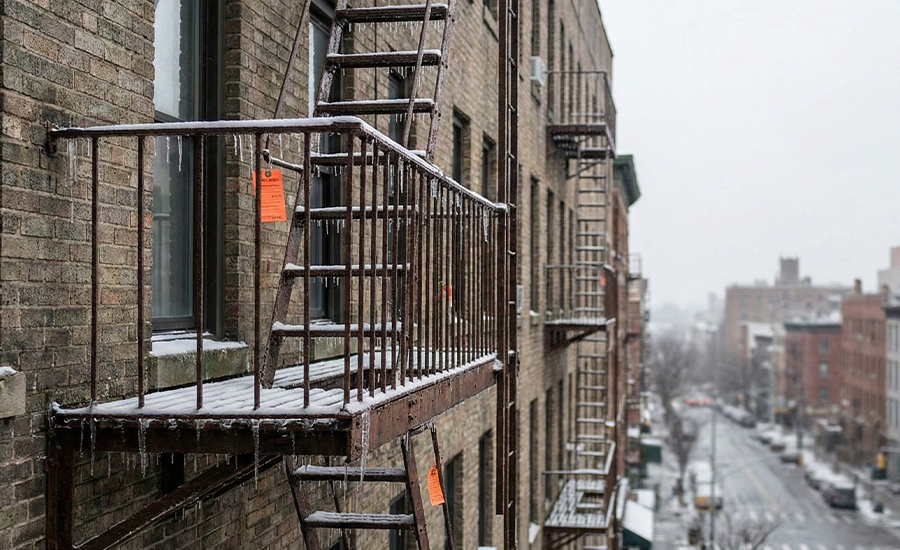
Whenever the Winter season approaches, all the NYC landlords get alerted because Winter in New York City is no less than a danger, and they face fire escape violations. In winter, Fire escapes lose stability and corrode due to snowstorms and constant moisture. For landlords, this season isn’t just about keeping sidewalks clear. It’s about ensuring that every fire escape remains safe, secure, and fully compliant with NYC regulations.
In this blog, landlords get further details and guidelines on why inspections matter, what NYC requires, and how winter weather can damage fire escapes.
Importance of Winter-Ready Fire Escape
Early inspections help identify hidden issues and their causes early, as winter amplifies freeze-thaw cycles. Let’s have a look at the importance of winter-ready Fire escapes:
- It catches the structural vulnerabilities impacted by winter.
- It reduces the need for springtime fixes.
- It maintains a safe & usable fire escape throughout the winters.
- It meets NYC safety obligations.
- It minimizes the chance of violations & financial risks.
To better understand how NYC residents can handle snow safely, you may want to read our guide on safe winter handling of fire escapes in NYC.
Compliance Obligations for NYC Landlords
NYC enforces many regulations to keep Fire escapes safe and maintained. Here are some rules that your fire escape should follow:
| Compliance necessity | What this represents |
|---|---|
| Proper working order | Fire escape should be built firmly & capable of supporting. |
| Consistent monitoring | As per NYC safety codes, winter evaluation is strongly recommended. |
| Certified inspectors required | Accredited professionals should do repairs and inspections. |
| Free access at all times | Keep all the routes completely free and clear. |
| Reinforced mountings | All the mechanical components are anchored properly. |
Key Components of Winter Fire Escape Safety Inspection
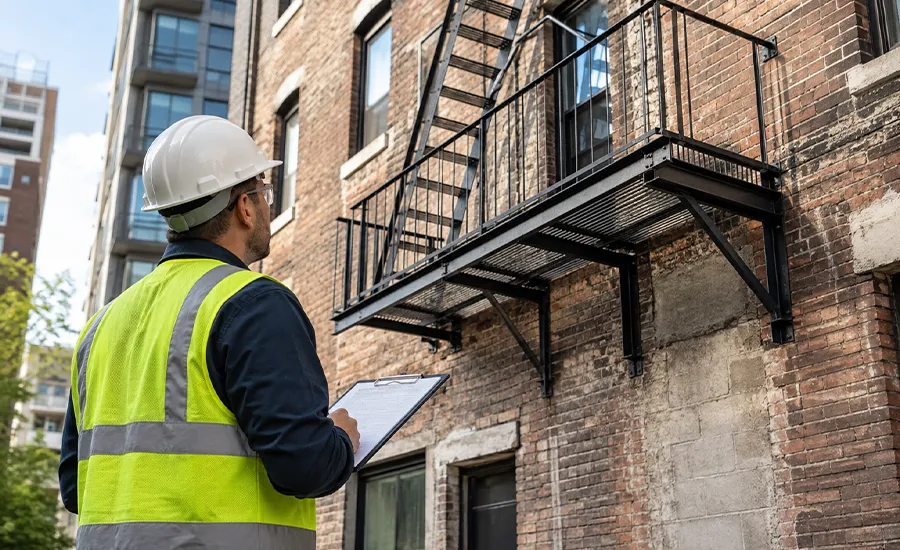
A proper inspection is not limited to what you can see; it involves assessing hidden features and damage. Every component should be appropriately examined.
Load-bearing Assessment
- Platform alignment
- Ladder stability
- Stair tread safety
- Integrity of joints and welds
- Load-bearing capability
Rust Progression Analysis
- Identify active rust
- Pinpoint areas needing sanding, priming, or repainting
- Check for corrosion around connections
Attachment & Support Review
- Cracks in brick or mortar
- Loose or shifting anchors
- Signs of water penetration
Railing stability check
- Tightness of bolts
- Bend, cracks, or weakened treads
- Safety of landing railings
Paint durability check
- Peeling or cracking paint
- Areas needing protective coatings
- Exposed steel spots
Drainage Performance Check
- Standing water
- Ice accumulation
- Improper slope causing puddling
Pathway access review
- No snow or ice blocking windows
- No stored items are blocking the fire escape route
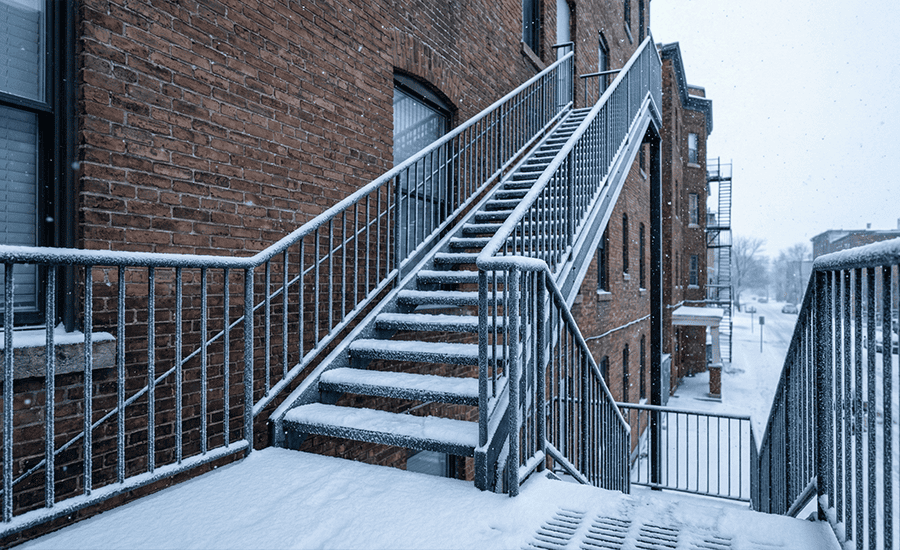
We also covered how freezing weather impacts metal, welds, and ladders—see How Cold Weather Affects Fire Escapes in NYC for deeper insight.
Seasonal Upkeep Guidelines for NYC Landlords
Here are some basic yet important points to consider to maintain your fire escapes properly. Following this fire escape winter checklist can reduce the risk of prolonged damage and expensive fixes:
- Make sure you wipe away all the snow and ice immediately to avoid buildup.
- Repaint the corroded and rusted areas early to stop structural weakening.
- Decide the appropriate time for repairs promptly; don’t wait for warmer weather.
- Use winter-grade weather-protective coatings to shield the fire escape from the cold.
- Check the drainage system and water flow off the platforms.
- Save all paperwork and documents completed, as they help with inspections and repairs.
For more safety improvement steps, see our guide on proper winter fire escape safety practices in NYC.
Conclusion
Wrapping up this blog, it is mandatory to inspect your fire escapes before winter, as ice, snow, and water can accumulate on the fire escapes in NYC during Winter, which can speedily damage the metal framework and anchoring points. Landlords must conduct inspections to address issues early and ensure pathways are functional with no obstructions. Fire escapes are a life-saving framework that should remain stable and ready to use at any moment.
Sardar Restoration Corp proudly serves every corner of NYC, including the Bronx, Manhattan, Brooklyn, Westchester, and Queens. Our services are designed to meet your specific needs, providing top-quality solutions wherever you are. Check our service areas to see how we can assist you in your location.
Contact us today at (+1) 917-355-8556 or sardarrestoration@gmail.com, or visit us at 2770 Fish Ave, Bronx, NY 10469, United States.
FAQs
Why are winter fire escape inspections so necessary in NYC?
Winter inspections in NYC are essential, as freezing temperatures can trigger rust and corrosion. In addition, it weakens the anchoring points as water seeps into them. Make sure your fire escapes are maintained and inspected to comply with NYC codes.
How often should fire escapes be inspected in NYC?
The NYC FDNY recommends that fire escapes be inspected periodically; most commonly, annual or semi-annual inspections are required. But checking your fire escapes before winter helps identify the damage early.
What specific winter-related problems should landlords watch for?
Landlords must keep an eye on the following most commonly occurring issues in winter:
- Metal degradation
- Rusting’s
- Shrinking metal that loosens bolts
- Freeze–thaw cracks in masonry
- Ice buildup is adding extra weight
- Peeling paint, exposing raw steel
Can snow or ice buildup on a fire escape lead to violations?
Yes! The snow or ice that accumulates on the fire escape blocks the egress and makes the pathway inaccessible, thereby violating the law. Fire escapes must remain accessible at all times.
How long do winter fire escape repairs typically take?
The duration of repairing the fire escape depends on the extent of its damage. Minor repairs can be done the same day, while repainting can take 1-2 days, and welding can take a few days.