
 ChatGPT
 Perplexity
 Google AI
 Claude
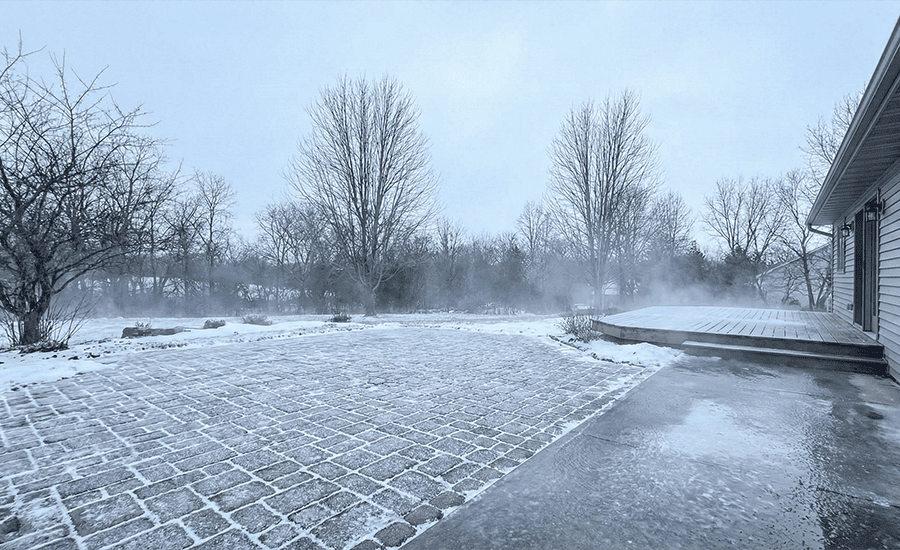
Pressure washing in winter can be the most complex task, as it requires proper maintenance, adherence to safety guidelines, and surveillance. It is the simple way to clean driveways, decks, siding, facades, and more, eliminating germs, dirt, and brownish, damp stains. Pressure washing can be done in winter, but it depends on the temperature, surface type, and the safety precautions you follow. Monitoring the weather forecast and using the appropriate pressure for washing are necessary to keep your residential and commercial properties protected.
In this blog, we’ll explore safety guidelines for pressure washing your residential and commercial properties in winter, using appropriate winter-grade materials and monitoring temperature.
What Are The Challenges Winter Makes Pressure Washing Risky
Winter poses severe risk factors to your property, and pressure washing in winter is such a problematic task as the water penetrates the surface and freezes inside, which results in:
- Thermal shock damage: Frozen water expands, potentially cracking concrete, brick, or stone.
- Decreased effectiveness: Cold water is less effective at removing grease and stubborn stains.
- Safety threats: Ice formation creates slippery conditions, increasing the risk of falls.
Suitable Weather for Winter Pressure Washing
Monitoring weather and climatic conditions is the most necessary step to take for pressure washing safely in winter:
- Temperature level: Opt for pressure wash when the temperature is above 40°F (4°C).
- Material Type: Use on surfaces that don’t absorb water, like vinyl siding, metal, and sealed concrete. Avoid unsealed concrete, brick, or stone.
- Weather Outlook: Check the weather a day before to ensure the water dries properly in winter without freezing.
Risk Reduction Measures When Pressure Washing in Winter
Taking into account these factors will surely make your pressure washing easy in the winter without any damage:
- Clean with lukewarm Water: Hot water improves cleaning and reduces the risk of freezing.
- Avoid using excessive chemicals: Some cleaning solutions freeze or lose effectiveness in cold temperatures.
- Clean one area at a time: Prevents water accumulation and freezing.
- Keep the water flow maintained: Avoid letting it pool in cracks or low areas.
- Use PPE: Non-slip boots, gloves, and other winter safety equipment.
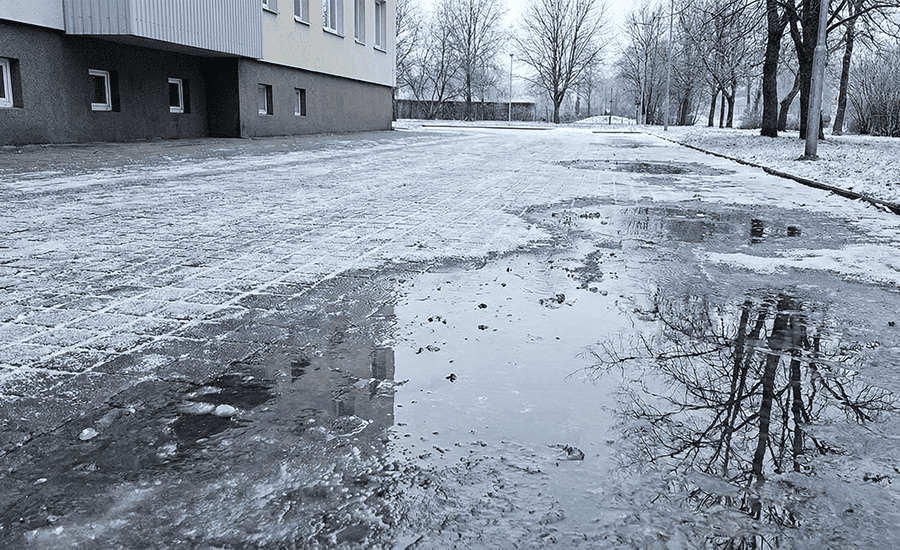
To understand how to prepare outdoor areas beforehand, check our guide on pressure washing driveways and patios before cold weather.
What Are The Winter Weather Complications?
The risk of pressure washing in winter is elevated due to the temperature dropping below zero, but following these safety steps can help you mitigate the damage:
| Complications | How to reduce impact |
|---|---|
| Structural cracks | Use warm water to wash the surface. |
| Surface icing | Work in segments & dry the area right away. |
| Mechanical damage | Store the tools & machinery inside. |
| Less productive cleaning | Clean with freeze-resistant cleaners. |
Safe Operation Tips For Winter Pressure Washing
Make sure to follow these safe guidelines for efficient pressure washing of your property without any damage.
- Use winter-rated tools: Keep water pressure up to winter-grade levels for a safer wash.
- Shield nearby areas: Ensure you safeguard or cover newly painted or sensitive surfaces.
- Prevent Water Pooling: Clean the ice and stagnant water as soon as they form.
- Avoid night cleaning: Keep activities scheduled for warm sunlight, as it dries the surface instantly.
- Assess material condition: Thoroughly inspect the damages and compromised parts before washing.
For more seasonal guidance, explore our article on winter safety practices for pressure washing to avoid freezing risks.
Conclusion
Pressure washing during winter is possible if you plan ahead and stay cautious. The key is to monitor the temperature, clean section by section, and avoid areas where water can freeze. Using winter-grade tools and slightly warm water reduces the risk of damage. Safety gear and material inspection should always be part of the routine. With the right precautions, you can pressure wash your residential and commercial properties without any trouble.
Sardar Restoration Corp proudly serves every corner of NYC, including the Bronx, Manhattan, Brooklyn, Westchester, and Queens. Our services are designed to meet your specific needs, providing top-quality solutions wherever you are. Check our service areas to see how we can assist you in your location.
Contact us today at (+1) 917-355-8556 or sardarrestoration@gmail.com, or visit us at 2770 Fish Ave, Bronx, NY 10469, United States.
FAQs
Is it safe to pressure wash my home during winter?
Yes! Pressure washing in winter can be safe only if you work above 4°C. Because if the temperature is below zero, the water freezes and damages the working site.
Will pressure washing in cold weather damage my concrete or driveway?
Not really, but if you don’t follow proper safety guidelines and precautions, your concrete driveways can be damaged because, in cold weather, water can infiltrate the surface and freeze.
Can pressure washing help remove dirt stuck from ice melt and frost?
Yes, when done above 4°C, pressure washing can clear residue from frost and ice melt, improving the property’s appearance.
Is warm water necessary for winter pressure washing?
Warm water makes cleaning easier, prevents freezing, and helps protect surfaces from cracks or sudden temperature changes.
Should I use chemicals while washing in winter?
Only use cleaning solutions that remain effective in cold weather, and avoid products that become thick or freeze.
Do I need special equipment for winter pressure washing?
Yes! When pressure washing is done in winter, winter-grade equipment is necessary, as it makes the washing safer and easier.
What temperature is too cold for pressure washing?
Make Sure not to pressure wash when the temperature is below 40°F (4°C). At this point, water begins to freeze on contact, increasing slip hazards and the potential for surface damage.
Can winter pressure washing remove salt or ice melt residue?
Yes! Pressure washing can efficiently remove salt and ice-melt residues, making the surface more sustainable and protected.