
 ChatGPT
 Perplexity
 Google AI
 Claude
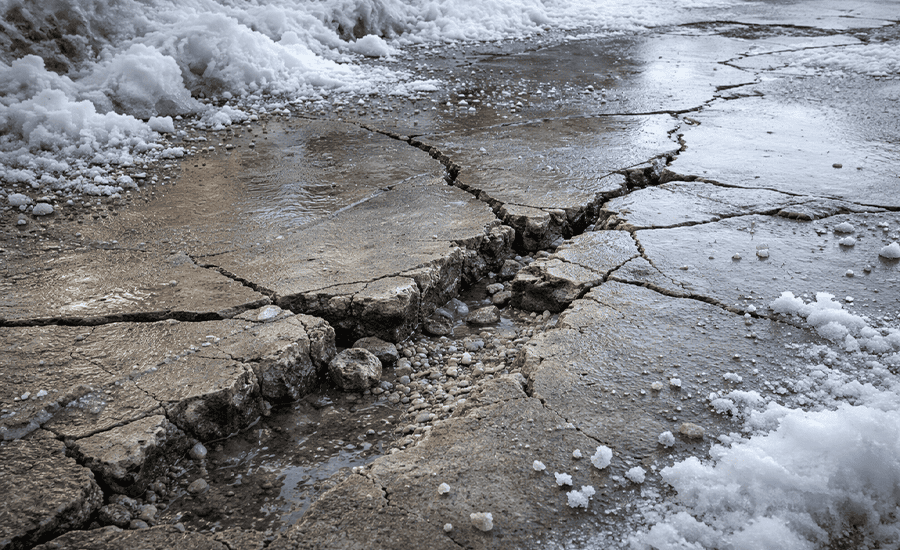
Concrete floors are built to last, but winter weather creates conditions that gradually weaken their surface and internal structure. Frost, snow, and freezing temperatures allow moisture to penetrate concrete, which expands during freezing and causes stress within the slab. Over time, this leads to cracking, surface damage, and reduced durability. Without proper winter care, both residential and commercial concrete floors can deteriorate faster than expected.
How Winter Conditions Damage Concrete Floors
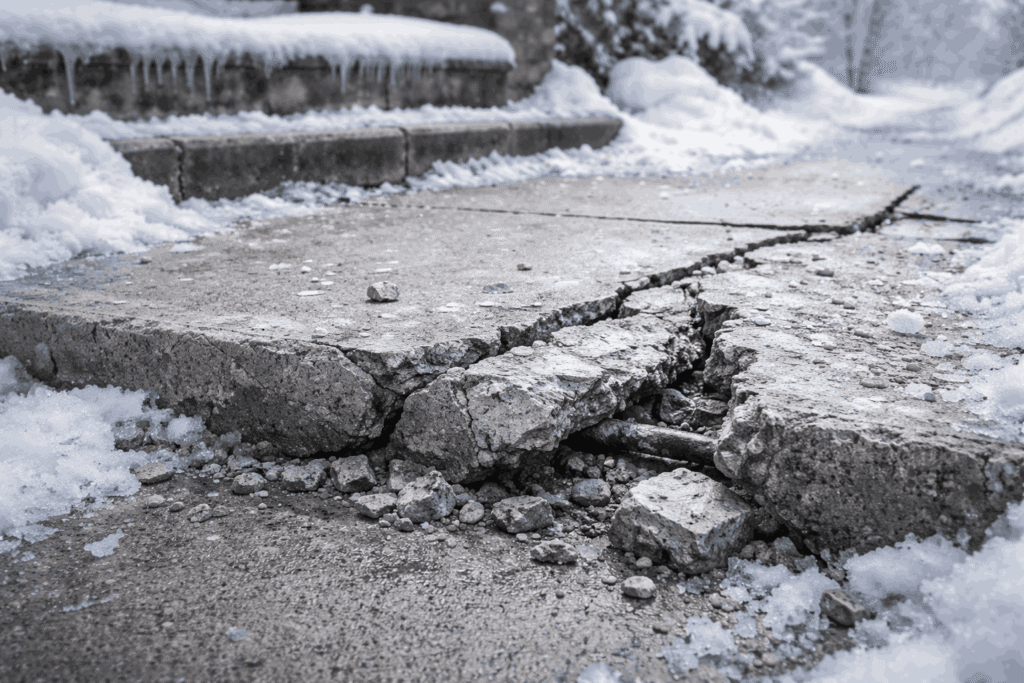
Winter damage to concrete mainly occurs when moisture enters the surface and repeatedly freezes and thaws. As water freezes, it expands and creates internal pressure that weakens the concrete from the inside. Snowmelt increases this risk by allowing water to travel deeper into pores, joints, and cracks before refreezing. De-icing salts further worsen the situation by trapping moisture and accelerating surface breakdown, especially during prolonged cold periods.
- Ο Moisture penetration and freeze-thaw cycles are the main causes of winter-related concrete floor damage.
- Ο Snowmelt is more harmful than snow because water seeps deeper into concrete before freezing again.
- Ο De-icing salts increase surface deterioration by retaining moisture and triggering chemical reactions.
- Ο Early signs like hairline cracks, flaking, and white residue indicate developing winter damage.
- Ο Preventive steps such as sealing, drainage improvement, and controlled de-icer use help extend concrete lifespan.
Why Concrete Floors Are Prone to Snow Deterioration
Concrete is a dense material, but its porous structure allows moisture to pass through the surface. During winter, melting snow and ice introduce water into these pores, where it reacts to freezing temperatures. This process creates internal pressure that gradually weakens concrete from the inside, making floors more vulnerable to surface and structural damage.
Concrete floors are especially at risk in cold conditions because winter exposure combines moisture, temperature fluctuation, and chemical contact. The following factors explain why snow and freezing weather accelerate concrete deterioration:
- Moisture from melting snow penetrates concrete pores and joints.
- Water trapped inside expands when temperatures drop below freezing.
- Repeated freeze-thaw cycles weaken internal bonding over time.
- Cold temperatures cause contraction that stresses the concrete surface.
- De-icing chemicals speed up surface wear and material breakdown.
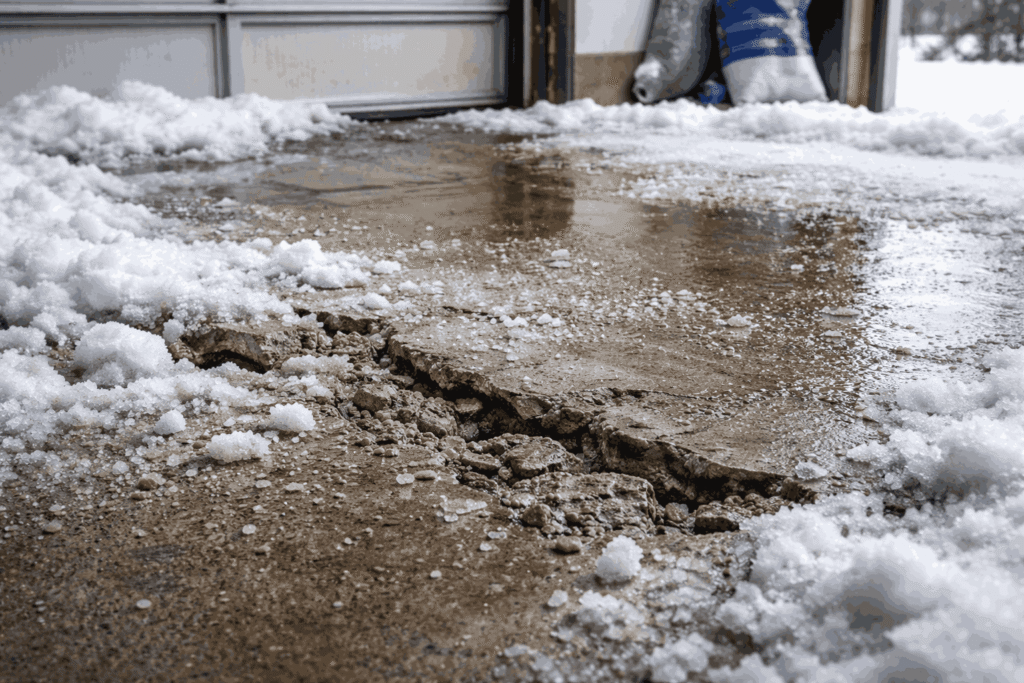
Typical Concrete Floor Damage Caused by Winter Conditions
When concrete floors are exposed to frost, snow, and repeated freeze-thaw cycles, damage develops gradually and becomes more severe over time. These winter-related issues often start at the surface but can extend deeper into the structure if moisture penetration continues. The most common types of concrete floor damage caused by winter conditions include the following:
Minor and Major Concrete Cracks
Concrete cracks form when trapped moisture freezes and expands within the slab. Small cracks often go unnoticed at first but widen over time as water repeatedly enters and refreezes.
- Caused by internal pressure from freezing moisture.
- Begin as hairline cracks and expand with repeated freeze-thaw cycles.
- Allow deeper moisture penetration into the concrete.
- Increase repair costs if left untreated.
Surface Flaking
Surface flaking occurs when the top layer of concrete separates from the slab due to moisture and freezing stress. This type of damage is commonly seen in areas exposed to snowmelt and temperature changes.
- The upper concrete layer peels or flakes away.
- Exposes aggregate beneath the surface.
- Common in garages, basements, and outdoor slabs.
Surface Scaling
Scaling is a more advanced form of surface deterioration where thin layers of concrete break off. It often results from winter exposure combined with improper curing or de-icing salt use.
- Thin surface layers detach from the concrete.
- Creates rough, uneven textures.
- Frequently linked to winter exposure and poor surface protection.
Edge Breakdown
Edges and corners are the first areas to fail during winter because they experience higher stress from temperature changes and joint movement.
- Expansion joints weaken due to cold-weather contraction.
- Corners and edges crack before flat surfaces.
- Results in uneven or unstable floor sections.
Loss of Structural Integrity
When winter damage progresses without maintenance, it can affect the concrete’s load-bearing ability. This is especially critical in commercial and industrial environments.
- Reduces overall load-bearing capacity.
- Increases risk in high-traffic or heavy-use floors.
- Can compromise safety standards and compliance.
Cold-weather damage often raises questions about whether repairs should be delayed or addressed immediately. You can explore whether winter conditions are suitable for repairs in our guide on Is winter a good time for concrete repairs?
The Role of Snowmelt in Concrete Deterioration
Snowmelt is more damaging to concrete floors than snow itself because it turns into liquid water that penetrates deep into cracks, joints, and surface pores. Once inside the concrete, this moisture remains trapped for longer periods, increasing internal stress during repeated temperature changes. Over time, this continuous moisture exposure accelerates surface wear and structural weakening.
As temperatures fluctuate, melted snow repeatedly freezes and thaws inside the concrete, increasing internal pressure and widening existing cracks. This process weakens the concrete matrix and makes floors more vulnerable to further winter damage, especially in areas exposed to ongoing snow accumulation and drainage issues.
Snowmelt becomes a major contributor to concrete deterioration because:
- It causes prolonged moisture exposure within the slab.
- Water infiltrates voids, joints, and existing cracks.
- Trapped moisture expands when it refreezes inside the concrete.
- Repeated freeze-thaw action speeds up surface and internal damage.
Snowmelt-related damage is closely linked to temperature fluctuations during colder months. For deeper insight into why cracking accelerates in cold weather, see Why does concrete crack more in winter?
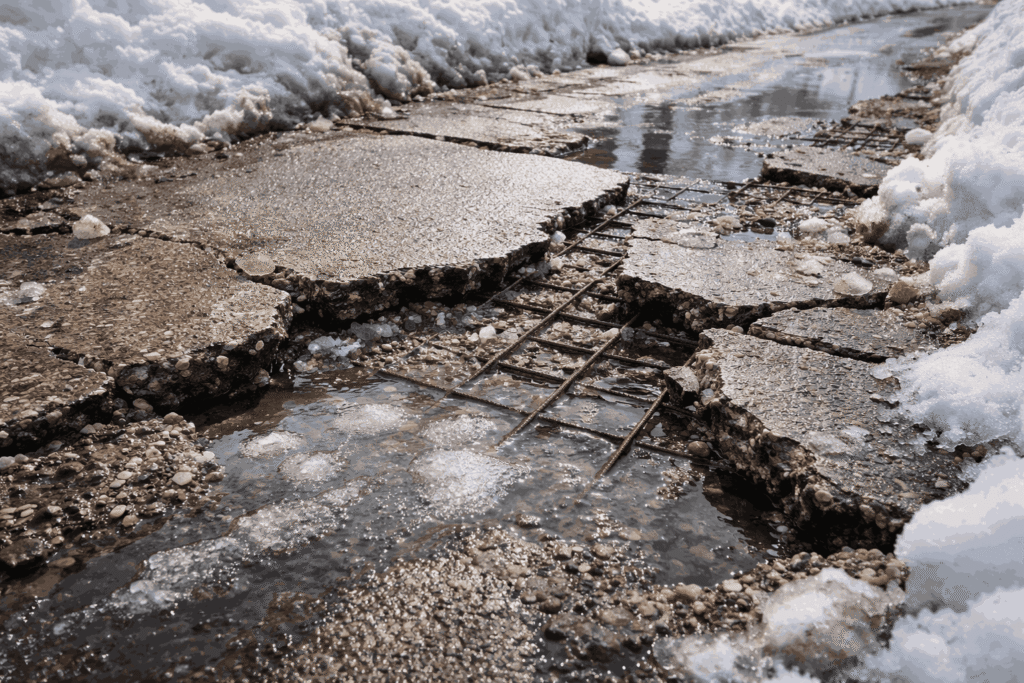
How De-Icing Salts Damage Concrete Floors?
De-icing salts are commonly used to clear snow and ice, but they can significantly accelerate concrete floor deterioration when used repeatedly. These chemicals lower the freezing point of water, allowing moisture to penetrate deeper into concrete pores and joints. Once inside, they increase moisture retention and intensify freeze–thaw pressure, leading to faster surface and structural damage.
De-icing salts also react with the cement paste in concrete, weakening surface bonding and making the slab more vulnerable to scaling, cracking, and surface wear. This is why following proper handling practices and site precautions, as outlined in cold-weather concrete safety tips for winter pouring, is important when working with concrete during freezing conditions.
Common De-Icing Materials and Their Effects on Concrete
| De-icing Material | Effect on Concrete Performance |
|---|---|
| Sodium Chloride | Increases moisture absorption and accelerates surface scaling. |
| Calcium Chloride | Speeds up freeze-thaw damage by retaining moisture. |
| Magnesium Chloride | Chemically reacts with cement paste, weakening surface layers. |
| Sand | Causes abrasive surface wear but has minimal chemical impact. |
Early Indicators of Winter-Related Concrete Damage
Winter-related concrete damage usually develops gradually and becomes more visible as moisture exposure and freeze-thaw cycles continue. Early identification helps prevent minor issues from turning into costly structural repairs. The following indicators commonly appear in concrete floors affected by winter conditions.
Visible Surface Changes
These signs usually appear first and indicate surface-level deterioration caused by moisture and freezing stress:
- Fine cracks are spreading across the concrete surface.
- White powdery residue caused by moisture movement.
- Flaking or peeling of the surface layer.
- Uneven, sunken, or rough floor areas.
Functional and Safety Issues
As surface damage progresses, concrete floors may begin to affect daily use and safety:
- Water pooling due to uneven surfaces or poor drainage.
- Excessive dust from surface breakdown.
- Increased risk of slips and falls.
- Higher maintenance and cleaning requirements.
Preventive Strategies for Protecting Concrete Floors in Winter
Preventing winter-related concrete damage requires timely preparation, controlled winter practices, and early post-winter evaluation. A proactive approach helps reduce moisture penetration, limit freeze-thaw stress, and maintain surface durability.
Pre-Winter Preparation
Taking preventive action before winter begins reduces the risk of long-term damage:
- Apply protective sealers or coatings to limit moisture absorption.
- Repair existing cracks and expansion joints.
- Improve drainage around slabs and walkways.
- Ensure proper slope to prevent water accumulation.
During Winter Conditions
Managing concrete exposure during active winter weather helps control damage:
- Use de-icing products sparingly to reduce chemical impact.
- Remove snow promptly to prevent prolonged moisture contact.
- Place mats in garages and entryways to limit water transfer.
- Avoid heavy loads during extreme cold periods.
Post-Winter Assessment
Once winter ends, early inspection helps address hidden damage:
- Check for new cracks, scaling, or surface wear.
- Reseal concrete surfaces if protection has weakened.
- Schedule professional repairs before damage spreads.
Many of these winter protection principles also apply to exterior concrete surfaces. For long-term durability guidance, review 6 essential tips for building rock-solid concrete sidewalk.
Final Thoughts: Winter Impact on Concrete Floors
Winter exposure can gradually reduce the performance of concrete floors if early signs of damage are overlooked. Small surface issues often progress into larger structural concerns when seasonal stress continues without attention. Regular monitoring, timely repairs, and controlled winter practices help limit deterioration and maintain long-term stability. Addressing problems early supports safer, more reliable concrete floors throughout the year.
Sardar Restoration Corp serves residential and commercial properties across NYC, including the Bronx, Manhattan, Brooklyn, Westchester, and Queens. Our team provides dependable repair and restoration services aligned with local building requirements and seasonal conditions. You can review our service areas to find support available in your location.
For more information or to discuss your property concerns, contact (+1) 917-355-8556, email sardarrestoration@gmail.com, or visit 2770 Fish Ave, Bronx, NY 10469, United States.
FAQs
How does frost damage concrete floors?
When moisture inside the concrete floors starts to freeze, and this causes it to expand, this expansion gives pressure that leads to cracks, surface flaking, and long-term weakening, especially after severe winter weather.
Why is snow more damaging after it melts?
Melted snow is more damaging as it turns into water that passes through the concrete pores and cracks. When temperatures drop again, the water refreezes and expands, applying pressure to the walls, causing them to leak, crack, and damage the property.
Can indoor concrete floors be affected by freezing temperatures?
Yes. Concrete floors can be affected. Garages, basements, and unheated spaces are most likely to be affected because cold temperatures and moisture can still pass through the pores and reach the slab, causing freeze-thaw damage.
What are the early signs of frost-related concrete damage?
The following are the early signs of frost-related concrete damage:
- Hairline cracks
- Surface flaking or peeling
- White powdery residue
- Uneven or rough textures
What is the freeze-thaw cycle, and why is it harmful?
The freeze-thaw cycle is when water enters concrete through tiny pores, reaches the slabs, when temperatures drop, the water refreezes, expanding and then thaws repeatedly. Causing pressure on the concrete, leading to cracks in those areas and damaging the structure.
Can sealing concrete floors prevent winter damage completely?
Sealing helps reduce moisture penetration but does not eliminate winter damage entirely. It works best when combined with proper drainage, timely repairs, and controlled de-icer use.
Do de-icing salts damage concrete floors?
Yes. De-icing salts damage the concrete floors, causing an increase in moisture absorption and triggering chemical reactions that weaken the concrete surface. De-icing also becomes the reason for more frequent freeze-thaw cycles, leading to scaling.