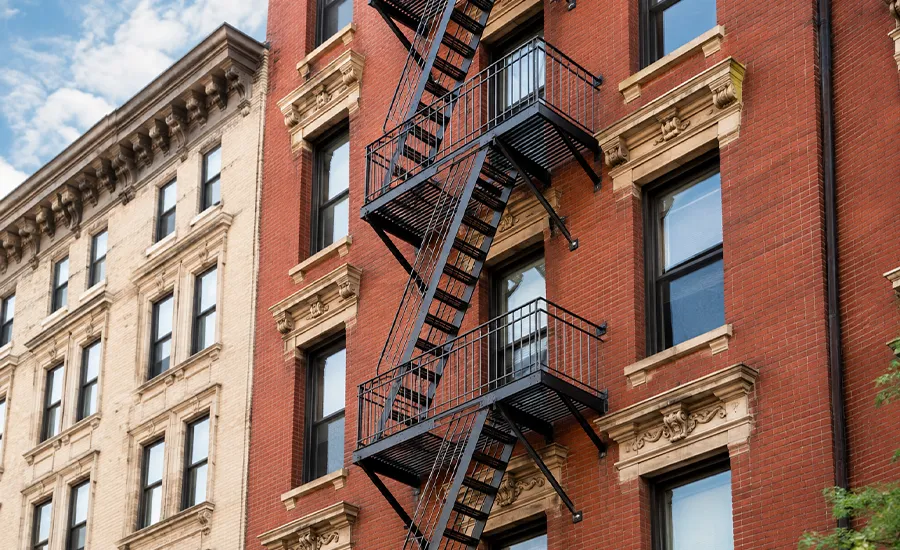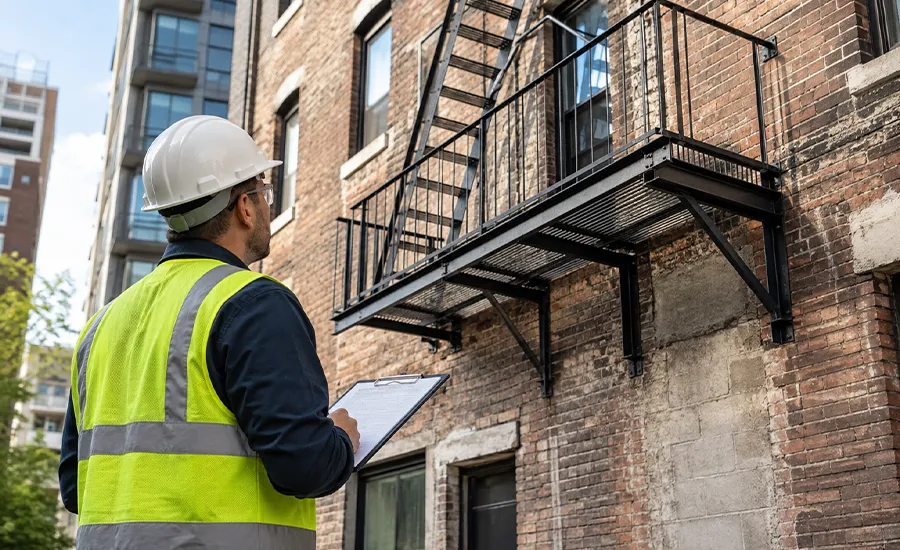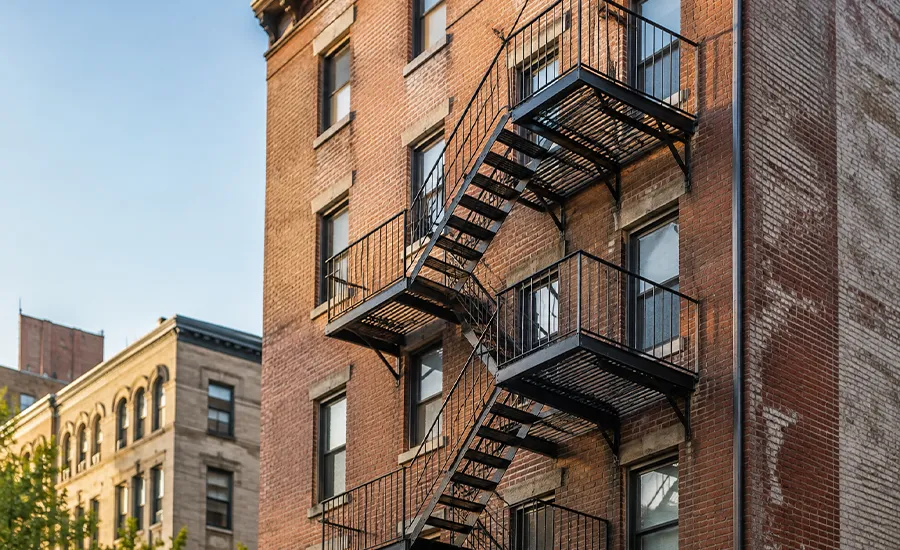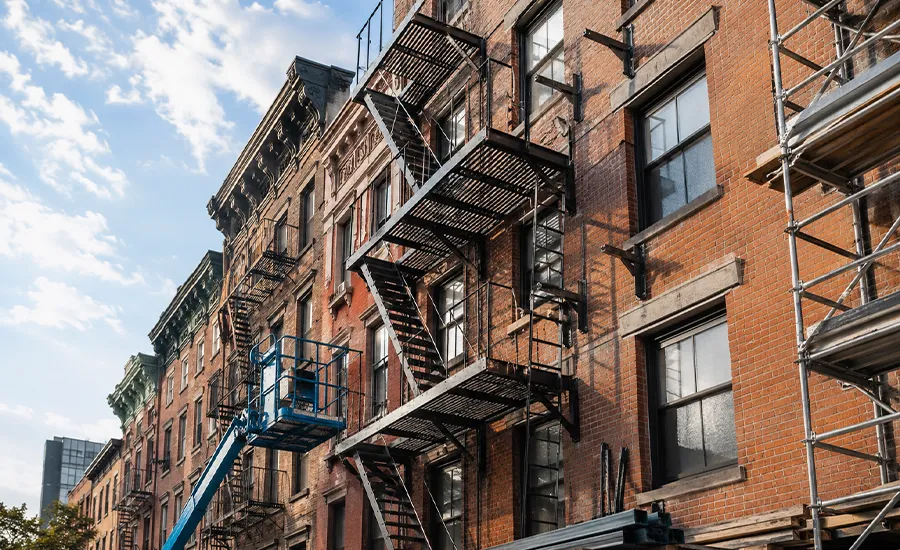
 ChatGPT
 Perplexity
 Google AI
 Claude
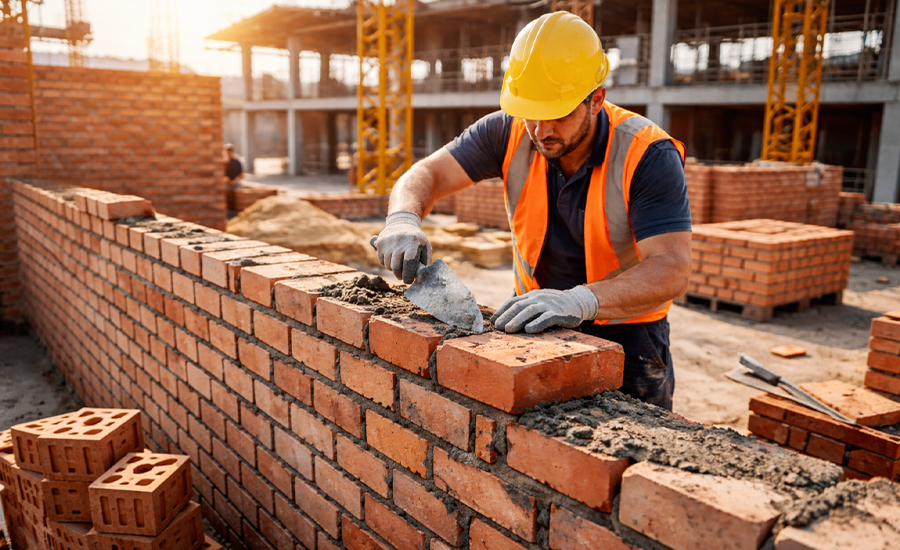
Brickwork in construction is the process of laying bricks in mortar to form walls, facades, partitions, foundations, and other structural elements of a building. It is a core masonry technique used in both residential and commercial construction because of its strength, durability, and long service life.
When bricks are arranged in proper bonding patterns and joined with the right mortar mix, the structure becomes capable of handling structural loads, weather exposure, and fire resistance. For this reason, brick masonry remains a dependable construction method in both historic and modern buildings.
This guide explains the materials used in brickwork, the properties that make it durable, and the factors that influence the quality and performance of brick structures.
- Ο Brickwork is a masonry method that uses bricks and mortar to build structural elements.
- Ο The main components of brickwork are bricks, mortar, and properly formed joints.
- Ο Proper brick bonding improves load distribution and structural stability.
- Ο Brick masonry offers durability, fire resistance, and thermal insulation.
- Ο Skilled workmanship is essential for long-lasting brick construction.
Why Brickwork Is Important in Masonry Construction
Brickwork plays a central role in masonry construction because it forms the structural framework of many buildings. When bricks are arranged in stable bonding patterns and joined with mortar, they form strong walls and structural components capable of supporting loads and maintaining long-term stability.
Beyond structural support, brick masonry contributes to a building’s overall performance. It helps improve durability, fire resistance, and thermal efficiency, which is why brick construction continues to be widely used in residential and commercial developments.
Brickwork also allows builders to create both structural and architectural elements while maintaining consistency in strength and design. Because of these advantages, brick masonry remains a trusted method in modern construction and in historic buildings.
Brickwork in masonry involves:
- Arranging bricks in organized bonding patterns to form stable structures
- Using mortar to bind individual brick units together securely
- Creating both structural components and architectural surfaces
- Providing stability and durability within masonry construction
Common structural applications include:
- Load-bearing walls
- Partition walls
- Boundary walls
- Chimneys
- Foundations
- Decorative facades
What Materials Make Up the Brickwork Structure?
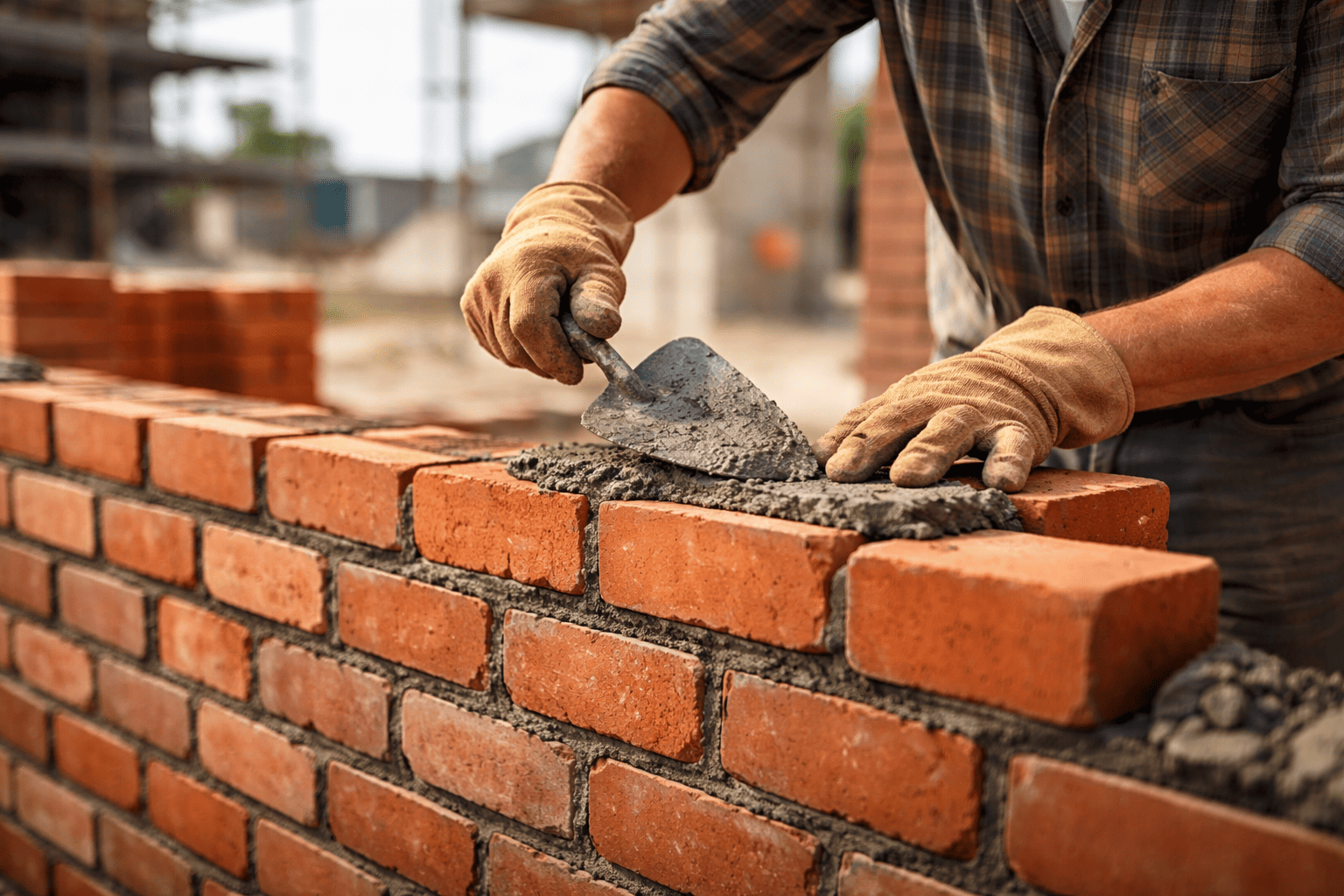
Brickwork structures are formed by combining several essential masonry components that work together to create stable and durable construction. Each material plays a specific role in ensuring the wall can support loads, maintain alignment, and remain structurally secure over time.
The three primary elements used in brick masonry are bricks, mortar, and joints. When these components are properly combined, they form a unified system that distributes structural loads evenly and keeps the masonry stable for many years.
In some construction projects, additional reinforcement or support materials may be incorporated to strengthen the structure, especially in taller walls or areas exposed to higher structural stress.
| Material | Description | Function in Brickwork |
|---|---|---|
| Bricks | Solid masonry units typically made from clay, concrete, or fly ash. | Provide the main structural body and compressive strength of the wall. |
| Mortar | A bonding mixture made from cement, lime, sand, and water. | Binds bricks together and stabilizes the masonry structure. |
| Joints | The spaces between bricks filled with mortar during construction. | Help distribute loads and maintain structural alignment. |
Proper material selection and correct placement of these components are essential for reliable brick masonry construction. When bricks, mortar, and joints work together effectively, they create a structure that can maintain strength, stability, and long-term performance.
Key Characteristics of Brickwork
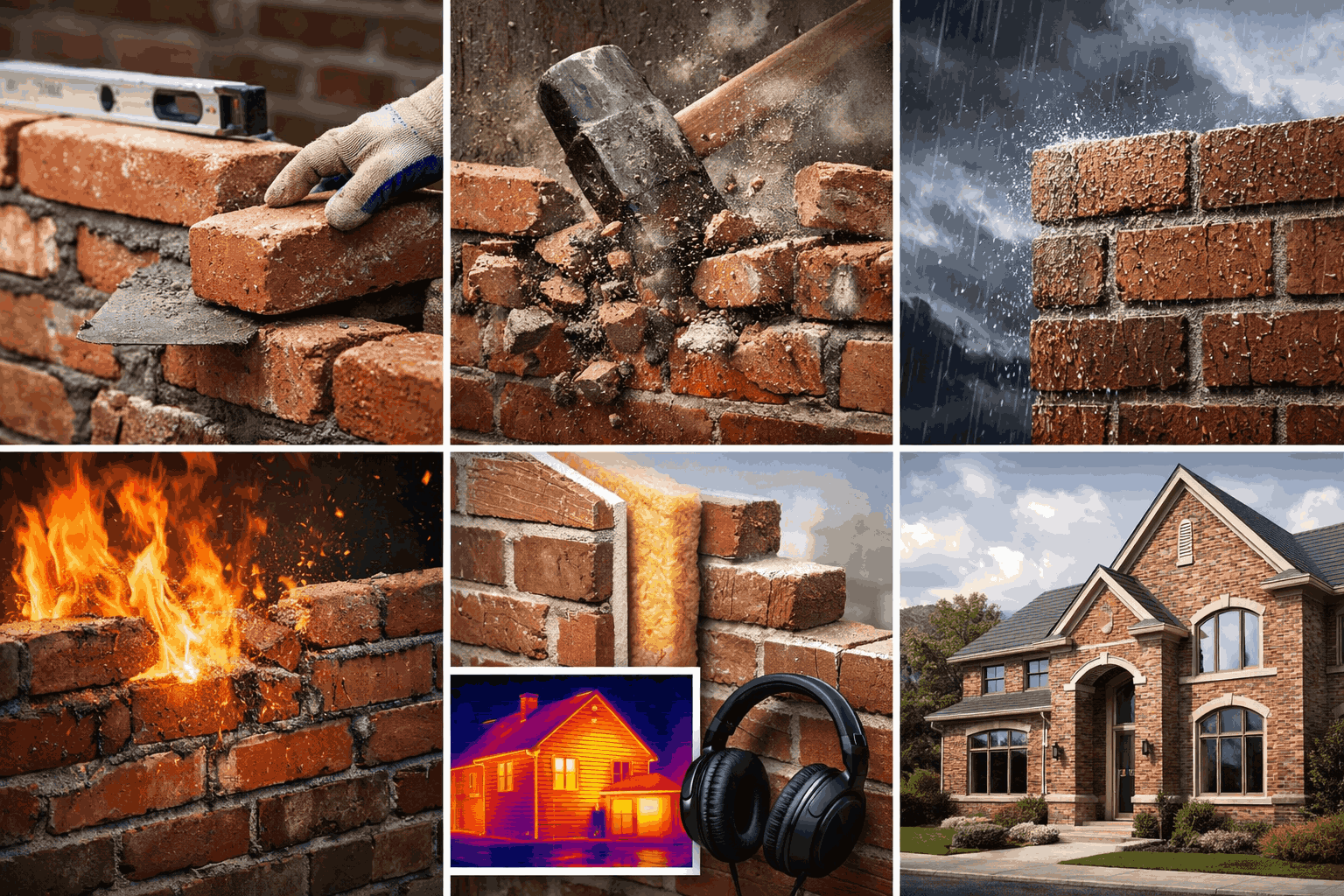
Brickwork is widely used in construction because it provides structural stability, durability, and long-term performance. When bricks are properly laid with correct alignment and bonding, masonry structures can remain strong and reliable for decades with minimal maintenance.
The following characteristics explain why brick masonry is considered a dependable construction method.
1. Mechanical Strength
- High compressive strength suitable for structural masonry
- Supports vertical loads in building walls
- Maintains structural stability over long periods
2. Weather Resistance
- Withstands rain, moisture, and environmental exposure
- Maintains durability in changing climate conditions
- Suitable for exterior masonry construction
3. Fire Resistance
- Non-combustible building material
- Provides strong fire protection for structures
- Commonly used in fire-resistant wall systems
4. Thermal Performance
- Helps regulate indoor temperature
- Reduces heat transfer through walls
- Supports energy efficiency in buildings
5. Acoustic Insulation
- Reduces external sound transmission
- Improves indoor acoustic comfort
- Suitable for residential and mixed-use buildings
6. Architectural Appearance
- Natural texture and color variation
- Can be used as an exposed masonry finish
- Contributes to the visual character of buildings
What Type of Mortar Is Used in Brickwork?
Mortar is the bonding material that holds bricks together in masonry construction. It fills the joints between bricks and helps maintain alignment, stability, and structural continuity in brickwork.
Different mortar mixes are selected based on a building’s structural requirements and environmental conditions. The most commonly used masonry mortar grades are M5, M10, and M15, which offer varying levels of strength and durability for brick construction. This becomes especially relevant when older masonry begins to deteriorate, and homeowners need guidance on how to properly repair brick mortar without compromising the wall’s stability.
| Mortar Type | Composition | Typical Use |
|---|---|---|
| Cement Mortar | Cement, sand, and water | High-strength masonry and load-bearing brickwork |
| Lime Mortar | Lime, sand, and water | Historic masonry and flexible brick structures |
| Cement–Lime Mortar | Cement, lime, sand, and water | Balanced strength and workability in modern brickwork |
Selecting the correct mortar type helps ensure proper bonding, structural stability, and long-term performance in masonry construction.
Where Is Brickwork Commonly Used?
Brickwork is used in many types of construction because it provides reliable structural support and long-term durability. Masonry walls built with bricks are commonly found in both residential and commercial buildings due to their strength and stability.
Brick masonry is widely applied in construction projects where durable wall systems and long-lasting building structures are required. In residential properties, brick structures such as fireplaces may occasionally develop surface damage over time, which is why many homeowners look for guidance on how to repair fireplace brick cracks when maintaining older masonry features.
Common applications of brickwork include:
- Residential houses
- Commercial buildings
- Boundary walls
- Bridges
- Industrial structures
Brick construction is especially common in regions where clay-based materials are readily available, making brick masonry a practical and widely adopted building method.
Why Brickwork Is Common in NYC Construction
Brick construction has long been a defining feature of many buildings across New York City. From historic brownstone homes to modern residential and commercial developments, brick masonry remains widely used because it performs well in dense urban environments and demanding weather conditions.
NYC buildings often require materials that can withstand moisture, temperature changes, and long-term structural stress. Brick masonry meets these requirements while maintaining stability and durability in both older and newly constructed properties.
In addition to structural reliability, brickwork also supports architectural consistency across many neighborhoods in the city. Many historic and modern structures also showcase different types of brickwork, which contribute to the architectural character and visual identity of buildings throughout NYC. Because of its durability and long service life, brick masonry remains a preferred construction method in residential and commercial developments throughout NYC.
How Can Brickwork Quality Be Improved?
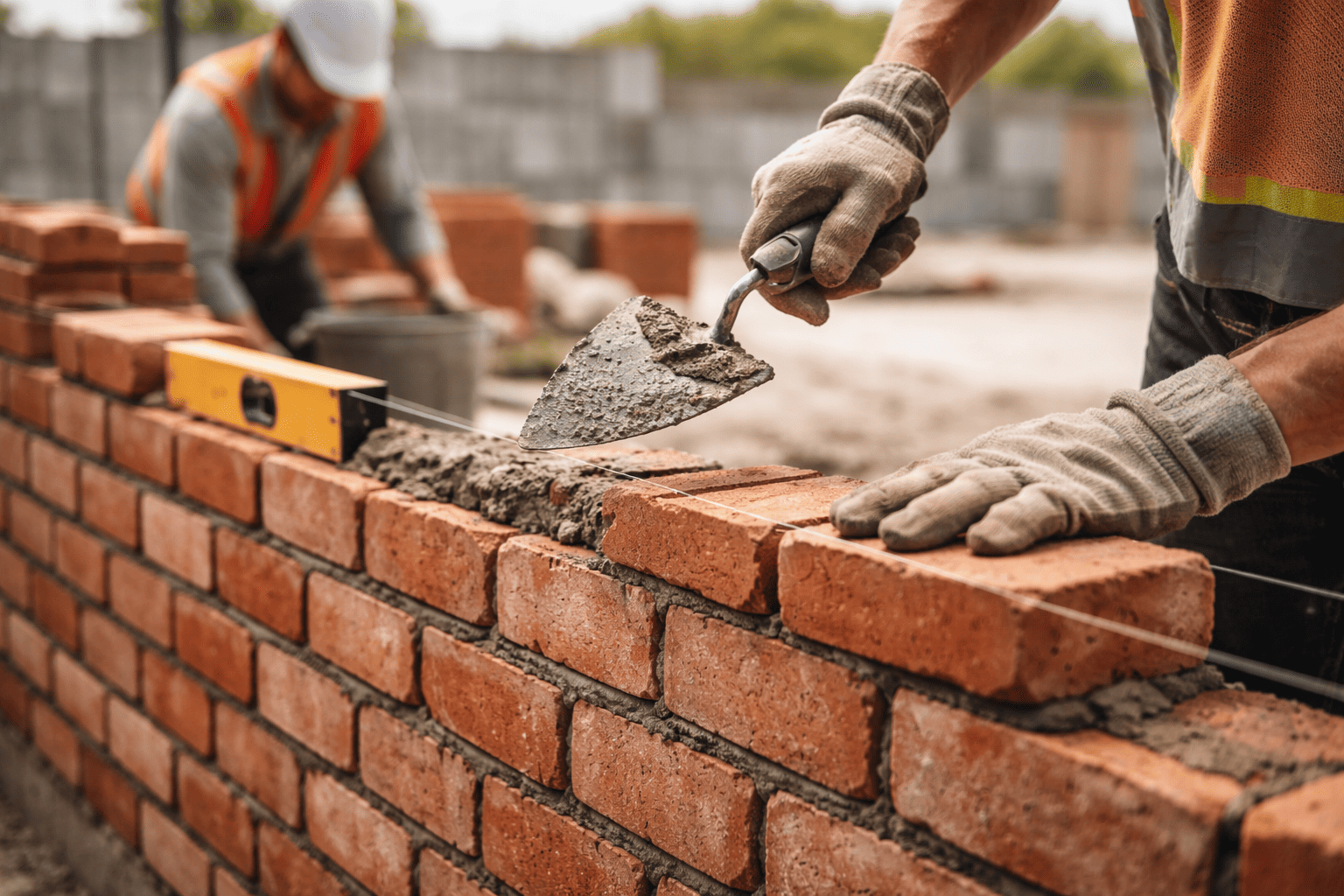
Brickwork quality depends on proper construction practices, skilled workmanship, and careful supervision during masonry work. When brick masonry is installed with correct techniques and professional oversight from someone who understands what a brick mason does, the structure performs reliably and maintains long-term stability.
Several construction factors directly influence the overall quality of brickwork.
Key practices that improve brickwork quality:
- Proper curing of bricks before and after installation
- Maintaining the correct mortar mix ratio during construction
- Accurate brick alignment and consistent joint spacing
- Skilled masonry workmanship during brick laying
- Suitable weather conditions during masonry work
Regular inspections and timely maintenance also help identify early warning signs that your brick wall needs repair before the problem becomes more serious. Addressing these issues early may involve minor masonry fixes or, in more serious cases, understanding how to repair a brick wall before the structural condition worsens.
Monitoring brickwork condition ensures masonry structures remain stable and compliant with local building regulations, such as NYC DOB standards.
Final Thoughts
Brickwork remains one of the most trusted masonry construction methods because it delivers reliable structural performance and long-term durability. When installed with proper techniques and professional masonry practices, brick structures can remain stable and dependable for decades.
Across New York City, brick masonry is widely used in both residential and commercial buildings because it supports durable wall systems and consistent building performance in demanding urban environments. Over time, masonry walls may develop small surface cracks due to weather exposure or structural movement, which is why many property owners seek guidance on repairing brickwork cracks before minor damage worsens.
Sardar Restoration Corp provides professional masonry services for residential and commercial properties throughout NYC, including The Bronx, Manhattan, Brooklyn, Westchester, and Queens. Each project is carefully evaluated to ensure the masonry work meets structural requirements and long-term building performance standards.
For masonry consultation, call (+1) 917-355-8556, email sardarrestoration@gmail.com, or visit 2770 Fish Ave, Bronx, NY 10469, United States.
FAQs
What is brickwork in construction?
Brickwork in construction is the process of laying bricks in mortar to build walls, facades, partitions, and other structural elements of a building.
What materials are used in brickwork?
The main materials used in brick masonry include:
- Bricks made from clay, concrete, or fly ash
- Mortar made from cement, lime, sand, and water
- Reinforcement when additional structural support is required
What is the difference between brickwork and blockwork?
Brickwork uses smaller brick units that often offer better compressive strength and a decorative appearance. In contrast, blockwork uses larger concrete blocks, typically covered with plaster or other finishing materials.
How long does brickwork last?
Properly constructed brick masonry can last more than 100 years when properly maintained and protected from excessive moisture.
Is brickwork fire-resistant?
Yes. Brick is a non-combustible material with strong fire resistance, making brick masonry suitable for both residential and commercial buildings.
What are the main properties of good brickwork?
Quality brickwork typically provides:
- High compressive strength
- Long structural lifespan
- Proper brick alignment and jointing
- Strong bonding between masonry units
Can brickwork be repaired if it becomes damaged?
Yes. Damaged brickwork can often be repaired through masonry techniques such as repointing, brick replacement, or structural reinforcement to restore stability and appearance.
Do brick buildings require regular maintenance?
Brick structures generally require minimal maintenance, but periodic inspections and timely repairs help preserve structural stability and extend the lifespan of masonry walls.