
 ChatGPT
 Perplexity
 Google AI
 Claude
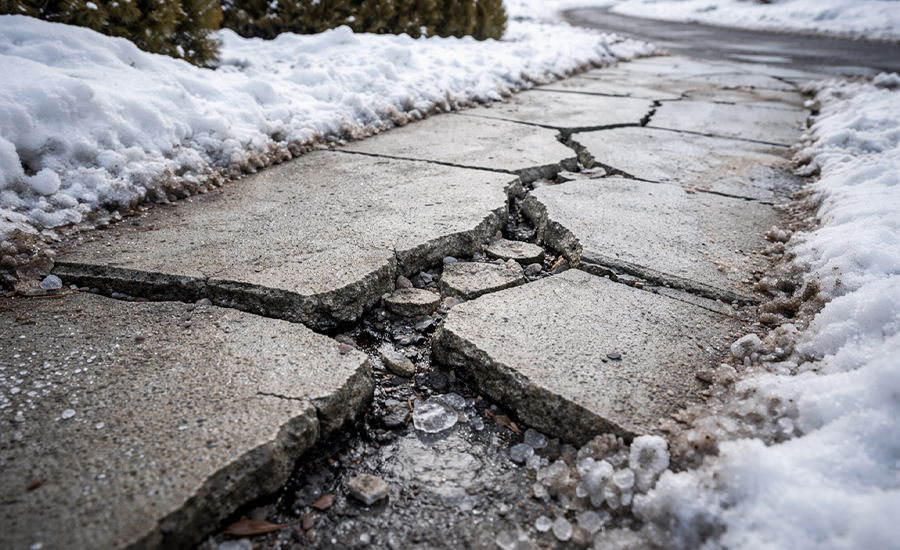
Concrete is a highly durable material that always prioritizes the strength, longevity, and sturdiness of the structure. But in winter, the concrete structures become less sound and start cracking due to the drop in temperature. Surfaces like driveways, sidewalks, patios, foundations, and slabs face the structural stresses that are worsened by the winter conditions. To prevent cracks on the concrete, make sure to apply weather-protective sealants on the structures for lasting strength throughout the winter season.
In this blog, we’ll take a closer look at factors that affect concrete in winter, causes of cracking, and some preventive measures to protect and extend the lifespan of concrete structures.
How Cold-Climate Impacts the Concrete Durability?
Concrete is a strong construction material, but cold climate conditions can significantly reduce its durability. Low temperatures combined with moisture place stress on concrete over time, increasing the risk of cracking.
- Freezing temperatures
- Moisture penetration
- Repeated freeze-thaw cycles
- Deicing chemicals
- Ground movement and frost heave
These factors weaken the internal structure of concrete. When moisture inside the pores freezes and expands, it creates pressure that gradually damages both the surface and internal layers, especially during prolonged winter exposure.
What Causes Concrete to Crack During Winter?
Let’s have a look at the factors that lead to concrete cracking in winter:
Cyclic Freeze-Thaw Action
The freeze-thaw cycle is the leading reason concrete cracks during winter. Moisture enters tiny pores and hairline cracks in the concrete. When temperatures fall below freezing, the trapped water expands.
- Moisture infiltration in concrete pores.
- Subzero temp conditions.
- Due to ice formation, the water increases in volume.
- Internal pressure builds within the concrete.
- Cracks widen with each freeze-thaw cycle.
Temperature Contractions
Concrete naturally expands when warm and contracts when cold. During winter, temperatures can fluctuate rapidly between day and night, creating thermal stress.
- Abrupt overnight freezing.
- Daytime thawing.
- Uneven contraction across slabs.
- Stress at joints and edges.
How Water Absorption Weakens Concrete in Winter?
Concrete is not waterproof unless properly sealed. Its porous nature allows moisture to penetrate easily, especially during winter when snow and ice remain on surfaces for extended periods.
| Moisture exposure point | Long-term impact |
|---|---|
| Settled snow load | Extended moisture contact |
| Water stagnation | Subsurface moisture retention |
| Drainage deficiencies | Elevated fracture risk |
| Untreated concrete | Pre-mature material failure |
How Freeze-Thaw Ground Movement Causes Concrete Cracks
Winter impacts concrete not only from above but also from below. Soil movement beneath concrete slabs plays a significant role in winter-related cracking.
- The ground expands upward.
- Concrete slabs are lifted unevenly.
- Thawing causes slabs to settle unevenly.
This repeated lifting and settling creates stress along joints and edges. Over time, the uneven movement leads to visible cracks and surface displacement.
How Poor Concrete Installation Leads to Winter Cracking?
Concrete that is improperly installed is significantly more likely to crack during winter:
- Insufficient curing time.
- Poor air entrainment.
- Inadequate base preparation.
- Missing or improper control joints.
- Low-quality concrete mix.
The importance of correct installation:
- Air-entrained concrete resists freeze-thaw damage.
- Proper curing strengthens the internal structure.
- Correct joint placement controls crack direction.

How to Prevent Concrete Cracking During Winter?
While winter damage cannot be entirely avoided, proper maintenance can significantly reduce the risk of concrete cracking during cold months.
- Seal concrete before cold weather.
- Repair small cracks early.
- Improve drainage around slabs.
- Avoid excessive deicing chemicals.
- Remove snow buildup promptly.
- Use concrete-safe ice melt products.
These preventive steps limit moisture exposure and reduce freeze-thaw stress. Early repairs and proper sealing help extend the lifespan of concrete surfaces through winter.
For long-term durability and proper installation practices, you may also find it helpful to read 6 essential tips for building rock-solid concrete sidewalks, which covers key factors that improve concrete strength and performance.
Conclusion
To conclude, concrete becomes more sensitive in winter than in summer. Concrete remains sturdy, solid, and structurally stable year-round, but winter puts extreme stress on these surfaces, leading to cracking and movement. Investing in preventive care before winter arrives is the most effective way to protect concrete surfaces and extend their lifespan year after year.
Sardar Restoration Corp proudly serves every corner of NYC, including the Bronx, Manhattan, Brooklyn, Westchester, and Queens. Our services are designed to meet your specific needs, providing top-quality solutions wherever you are. Check our service areas to see how we can assist you in your location.
Contact us today at (+1) 917-355-8556 or sardarrestoration@gmail.com, or visit us at 2770 Fish Ave, Bronx, NY 10469, United States.
FAQs
Why does concrete crack more in winter than in summer?
Concrete cracks more in winter because water seeps into cracks and freezes, creating internal pressure that widens them.
What are freeze-thaw cycles, and why are they harmful?
Freeze-thaw cycles refer to the expansion and contraction of mortar joints, which can result in water freezing in the joints, scaling, and other structural deterioration.
Can sealing concrete before winter actually prevent cracking?
Yes, sealing concrete before winter helps block moisture from entering the surface. This reduces internal pressure caused by freezing water and lowers the risk of winter cracks.
Does snow sitting on concrete cause damage?
Yes! The snow accumulation on the concrete causes cracking and surface flaking because the water that melts runs down and seeps into joints.
Is winter concrete cracking a structural problem or just surface damage?
Not always. Small surface cracks are common in winter, but untreated cracks can worsen over time and lead to deeper structural issues if moisture continues to penetrate.
Are deicing salts harmful to concrete?
Yes! Deicing salts are harmful to concrete bricks because they trap moisture and cause freeze-thaw damage, which can lead to surface spalling and accelerated cracking.
Does older concrete crack more in winter than new concrete?
Older concrete is often more vulnerable because existing microcracks and worn sealants allow moisture to enter more easily, increasing freeze-thaw damage during winter.
Can new concrete crack during winter?
Yes! Most concrete bricks crack during winter because they don’t cure properly and their seals are badly damaged. Early exposure to freezing temperatures can weaken the internal structure and cause premature cracking.