 ChatGPT
 Perplexity
 Google AI
 Claude
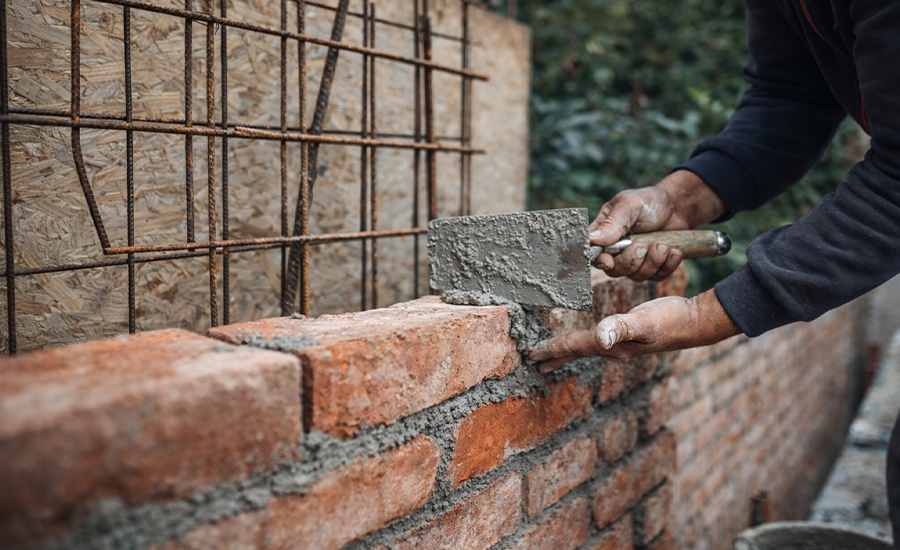
A masonry contractor is a construction professional who builds, repairs, restores, and maintains structures made of brick, stone, concrete block, and similar materials. These contractors work on residential and commercial properties and handle both structural and decorative masonry projects.
Masonry contractors are commonly hired for brick walls, facades, chimneys, retaining walls, walkways, patios, repointing, and restoration work. In NYC, they also help property owners keep masonry structures safe, durable, and compliant with local building requirements.
A qualified masonry contractor understands materials, workmanship, site safety, and project planning. Whether the job involves new construction, masonry repair, or historic restoration, the goal is to deliver long-lasting results that protect the property and improve its appearance.
- Ο A masonry contractor builds, repairs, and restores brick, stone, and concrete block structures.
- Ο Masonry services can include walls, facades, chimneys, patios, walkways, retaining walls, repointing, and waterproofing.
- Ο These contractors work on both residential and commercial properties.
- Ο Professional masonry helps improve structural stability, appearance, safety, and long-term value.
- Ο In NYC, experienced masonry contractors also follow local building codes and project requirements.
What Does a Masonry Contractor Do?
A masonry contractor manages construction, repair, and restoration work involving brick, stone, concrete block, and other masonry materials. These professionals plan and execute projects that require structural precision, proper material handling, and compliance with local building regulations.
On residential and commercial properties, masonry contractors handle both structural and surface masonry work. Their role includes building new masonry structures, repairing damaged brickwork, restoring aging buildings, and improving the durability and appearance of exterior surfaces through services such as façade repair in NYC.
Common Responsibilities of a Masonry Contractor
A professional masonry contractor typically performs the following types of work:
- Building brick, stone, and concrete block walls
- Installing chimneys and masonry fireplaces
- Constructing retaining walls and structural supports
- Repairing damaged stonework and deteriorated brickwork
- Brick repointing and mortar joint tuckpointing
- Masonry waterproofing and moisture protection
- Restoring aging brick or stone buildings
- Installing patios, walkways, and paver surfaces
- Maintaining the structural integrity of masonry elements
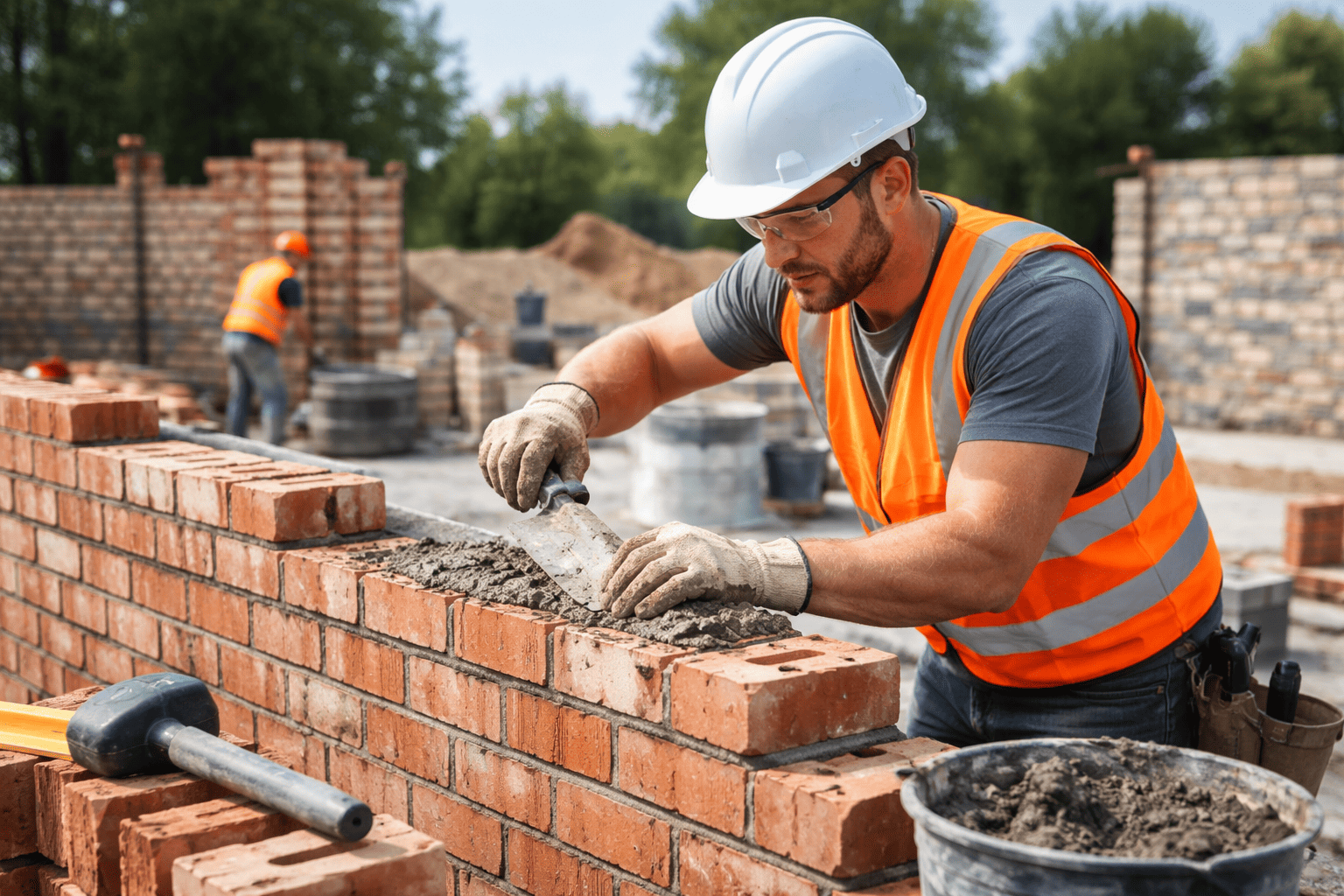
In cities like NYC, masonry contractors must also follow local building codes, safety requirements, and inspection standards. Proper compliance ensures that residential and commercial structures remain safe, stable, and durable over time.
What Materials Are Used in Masonry Construction?
Masonry construction uses a combination of durable building materials that provide structural stability, weather resistance, and long-term performance. Professional masonry contractors select materials based on the building type, structural requirements, environmental exposure, and factors such as cold weather and waterproofing conditions that can affect masonry durability.
In residential and commercial construction, materials such as brick, natural stone, concrete block, mortar, and pavers are commonly used to build walls, facades, walkways, patios, and structural elements. Modern construction projects usually rely on cement-based mortar systems, while historic buildings often require lime-based mortar to maintain structural compatibility.
The table below explains the most common masonry materials and how contractors use them in various construction situations.
| Construction Material | Description | Common Applications | Key Benefits |
|---|---|---|---|
| Brick | Traditional clay masonry unit used in construction | Walls, facades, structural surfaces | Weather-resistant and fire-resistant |
| Natural Stone | Includes limestone, granite, marble, and similar materials | Facades, retaining walls, decorative masonry | Durable and architecturally distinctive |
| Concrete Block | Precast concrete masonry unit used for structural walls | Foundations, commercial buildings | Cost-efficient and structurally strong |
| Mortar | Bonding mixture that joins masonry units together | Filling joints between bricks or stones | Provides structural stability |
| Pavers | Manufactured masonry blocks used for ground surfaces | Driveways, patios, walkways | Durable and visually appealing |
In many masonry projects, contractors combine these materials to balance strength, appearance, and long-term durability. Proper material selection and joint finishing techniques, including various masonry joint types, help ensure the masonry structure can withstand weather exposure, load requirements, and everyday use for many years.
What Skills Are Required to Become a Masonry Contractor?
Becoming a masonry contractor typically requires practical training, hands-on experience, and a strong understanding of masonry construction methods. Instead of relying solely on formal education, most contractors develop their expertise through fieldwork, apprenticeships, and years of working with brick, stone, concrete block, and mortar systems, including understanding how masonry materials behave under challenging conditions, such as winter masonry work.
Professional masonry contractors must understand how to install masonry materials correctly while maintaining structural alignment, durability, and compliance with building safety standards. In cities like NYC, contractors must also be familiar with construction regulations, inspection requirements, and proper installation practices to ensure safe and reliable masonry work.
Core Skills of a Masonry Contractor
A qualified masonry contractor usually develops the following skills:
- Understanding masonry materials and their structural behavior
- Reading and interpreting construction blueprints
- Accurate measuring, alignment, and leveling techniques
- Physical endurance required for masonry installation work
- Attention to detail in brick and stone placement
- Knowledge of construction safety practices
- Problem-solving during structural or restoration work
These skills allow masonry contractors to deliver precise construction, long-lasting masonry structures, and safe installation across residential and commercial properties.
Why Should You Hire a Professional Masonry Contractor?
Masonry work directly affects a building’s strength, safety, and longevity. While minor surface repairs may appear simple, proper masonry construction and restoration require technical precision, correct material use, and experience with structural load behavior.
Professional masonry contractors are trained to identify underlying structural issues and apply the correct repair or installation methods. This helps prevent long-term damage such as water penetration, mortar deterioration, and structural instability that can occur when masonry work is performed incorrectly, especially when property owners overlook common waterproofing mistakes that lead to moisture problems.
Benefits of Hiring a Professional Masonry Contractor
A qualified masonry contractor helps ensure:
- Structurally stable masonry installation
- Compliance with local building regulations
- High-quality workmanship and finishing
- Long-lasting durability of masonry surfaces
- Safe construction and repair practices
- Reduced risk of expensive future repairs
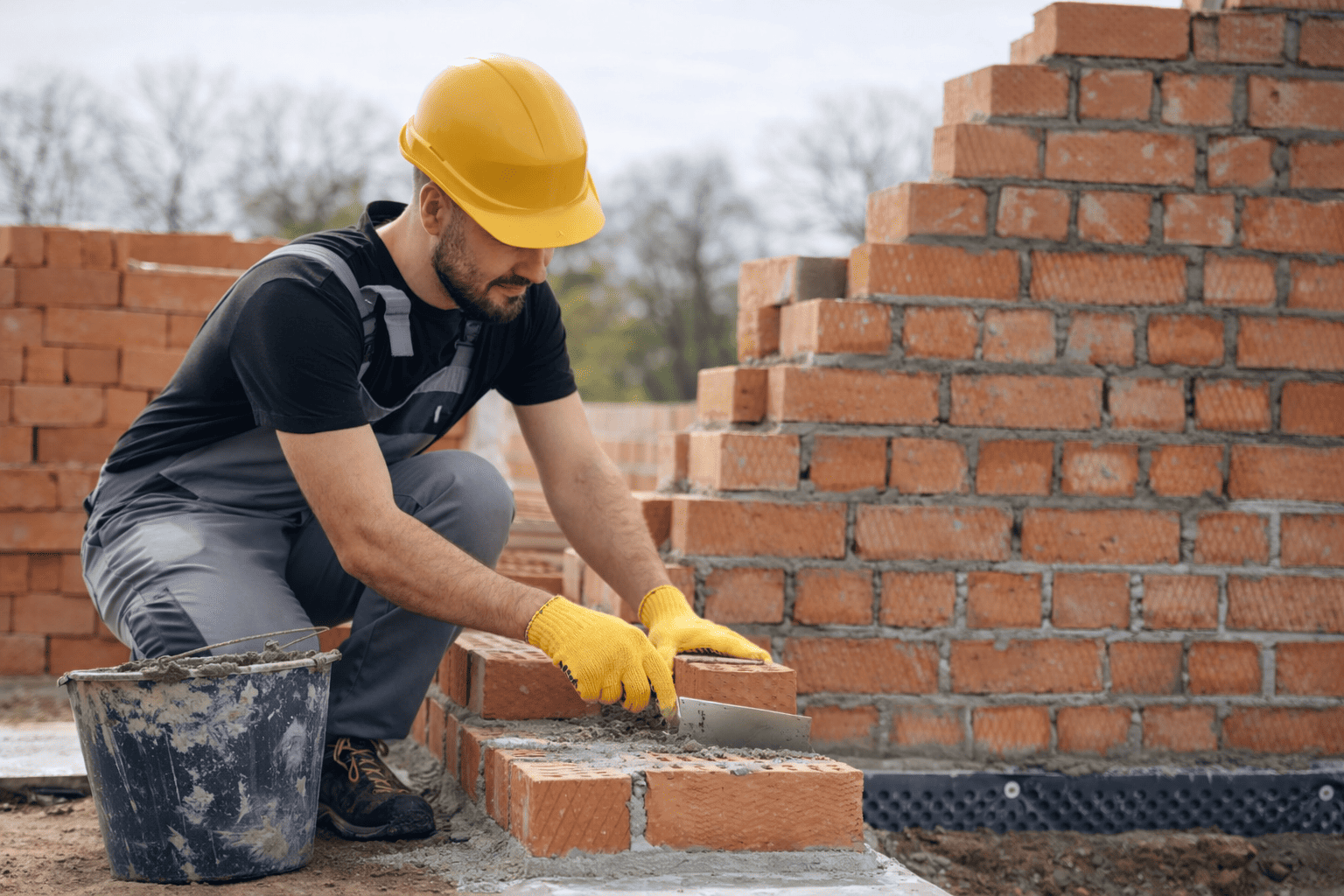
Proper masonry work not only protects the building structure but also enhances the property’s visual condition and long-term value.
How Do You Know If Your Masonry Needs Repair?
Over time, masonry structures can deteriorate due to weather exposure, moisture intrusion, temperature changes, and normal aging. Identifying early warning signs of moisture damage in masonry enables property owners to address issues before they become serious structural problems.
Regular inspections of exterior brick, stone, and mortar joints can help detect damage early and prevent more costly repairs in the future. In many cases, deteriorating mortar joints may require professional brick repointing services to restore the wall’s strength and stability.
Common Signs of Masonry Damage
The following conditions may indicate that masonry repair or restoration is needed:
- Cracks appearing in brick or stone walls
- Mortar joints are becoming loose or deteriorated
- Water infiltration through masonry surfaces
- Chimneys leaning or shifting position
- Bricks flaking, chipping, or spalling
- Structural damage around the foundation masonry
When these issues arise, professional masonry inspection and repair can restore the structure’s stability and performance.
What Tools Do Masonry Contractors Use?
Masonry construction requires specialized tools that help contractors install, shape, and secure masonry materials with precision. These tools ensure accurate brick placement, proper mortar bonding, and consistent structural alignment during construction and repair work.
Professional masonry contractors rely on a combination of hand tools and cutting equipment to efficiently handle brick, stone, mortar, and concrete blocks. Using the right tools helps contractors maintain accuracy, improve work quality, and complete masonry projects safely.
Common Tools Used in Masonry Work
| Tool | Primary Use |
|---|---|
| Plastering Trowel | Spreading and smoothing mortar between masonry units |
| Brick Saw | Cutting bricks or blocks to required dimensions |
| Alignment Gauge | Maintaining proper level and straight masonry lines |
| Jointing Tool | Finishing mortar joints for strength and appearance |
| Mortar Mixer | Mixing mortar to the correct consistency |
| Masonry Hammer | Shaping, trimming, or adjusting masonry units |
Accurate mortar mixing and precise tool handling are important for the durability of masonry. When tools are used correctly, they help ensure strong bonding between materials, stable structural alignment, and consistent finishing quality throughout the masonry installation.
How to Find the Right Masonry Contractor?
Selecting the right masonry contractor is important to ensure construction or repair work is completed safely, efficiently, and in accordance with building standards. Property owners who are unsure how to hire a masonry contractor for their project should look for professionals with the experience, licensing, and technical knowledge required to handle different types of masonry work.
Before hiring a contractor, property owners should review several factors that indicate reliability, professionalism, and construction expertise.
Factors to Consider When Hiring a Masonry Contractor
When evaluating masonry contractors, look for the following:
- Valid contractor licensing and proper insurance coverage
- Proven experience with similar masonry projects
- A portfolio showing completed masonry work
- Positive customer reviews and references
- Written contracts outlining scope and responsibilities
- Understanding of local building regulations and inspection requirements
Choosing a contractor who meets these criteria helps ensure the masonry project is completed correctly, safely, and within the expected timeline. Some property owners also look for an affordable brick pointing contractor in NYC when comparing service options and project costs.
Conclusion
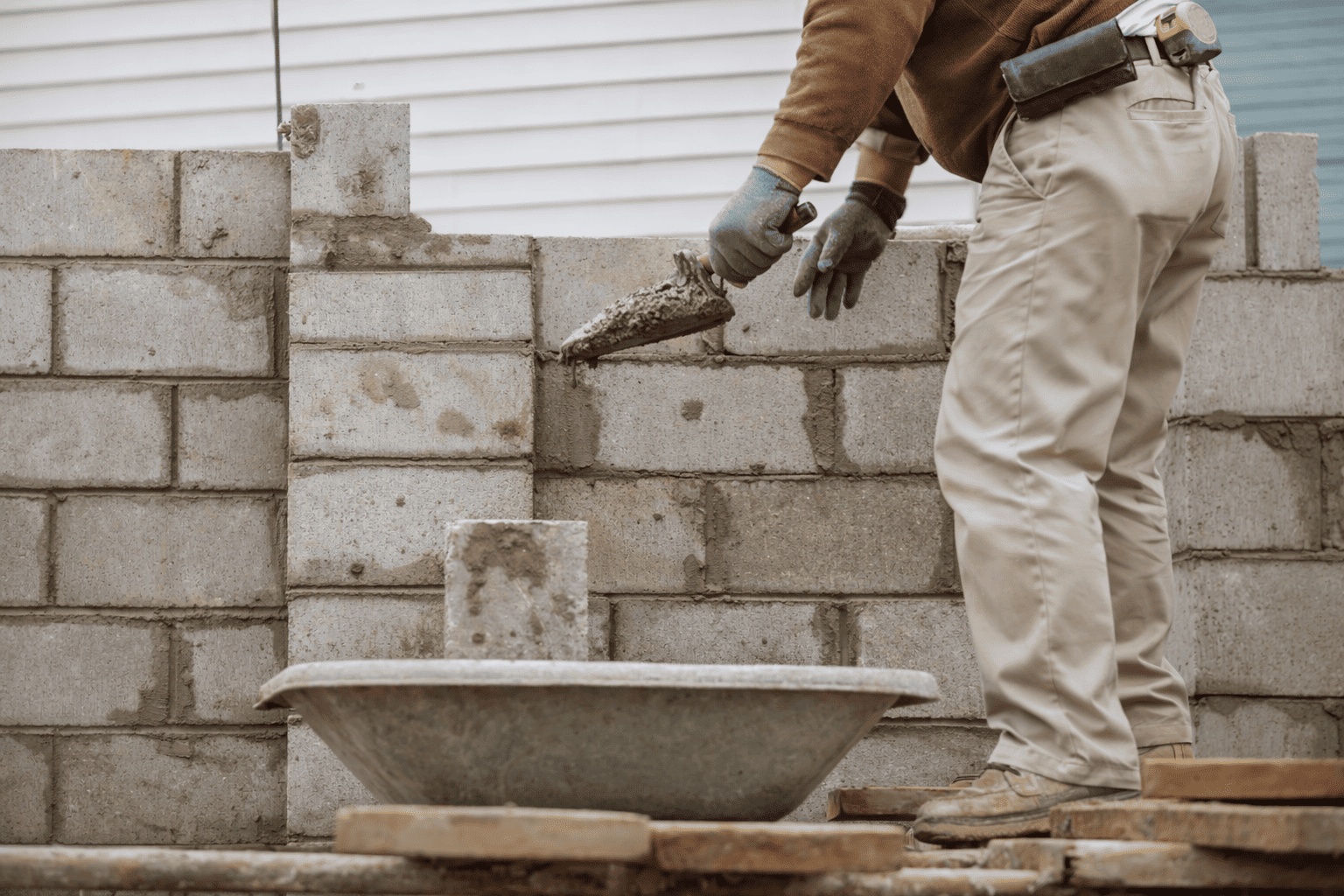
Masonry contractors play an important role in maintaining the structural stability and appearance of buildings constructed with brick, stone, and concrete blocks. From installation and restoration to long-term maintenance, professional masonry work helps ensure that structures remain durable and safe over time.
For property owners in NYC, working with an experienced masonry contractor is essential to meet building requirements and maintain the integrity of residential and commercial properties.
Sardar Restoration Corp provides masonry services across NYC, including The Bronx, Manhattan, Brooklyn, Westchester, and Queens. Every project is evaluated based on structural conditions, exposure factors, and building requirements to deliver reliable masonry solutions.
For professional masonry consultation, contact: (+1) 917-355-8556, email sardarrestoration@gmail.com, or visit 2770 Fish Ave, Bronx, NY 10469, United States.
FAQs
What does a masonry contractor do?
A masonry contractor builds, repairs, and restores structures made of brick, stone, and concrete block. Their work can include brick walls, chimneys, facades, patios, and other masonry surfaces on residential and commercial buildings.
How long does masonry last?
Well-built masonry can last 50–100 years or more. Regular inspections and timely mortar repairs help extend the life of brick and stone structures.
Is masonry waterproof?
Masonry is moisture-resistant but not fully waterproof. Cracks or worn mortar joints can allow water to enter, which is why waterproofing or repointing may sometimes be needed.
Do masonry contractors handle permits?
Yes. Many masonry contractors assist with permits and documentation required by local building authorities. In NYC, projects may also involve DOB regulations or Local Law 11 requirements.
Can damaged bricks be replaced individually?
Yes. Skilled contractors can remove and replace individual bricks without affecting the surrounding masonry, helping restore both strength and appearance.
How much does it cost to hire a masonry contractor?
The cost depends on the project size, materials, and repair complexity. Small repairs usually cost less, while structural restoration or façade work may require a larger budget.
When should brick repointing be done?
Repointing is needed when mortar joints crack, crumble, or pull away from the bricks. Fixing it early helps prevent water damage and structural issues, underscoring the importance of masonry in building construction for maintaining structural stability.
What is the difference between masonry repair and masonry restoration?
Masonry repair fixes specific problems, such as cracked bricks or loose mortar. Restoration focuses on returning an older or historic structure to its original condition, especially when addressing common masonry problems caused by cold weather and other environmental factors that affect aging masonry.