 ChatGPT
 Perplexity
 Google AI
 Claude
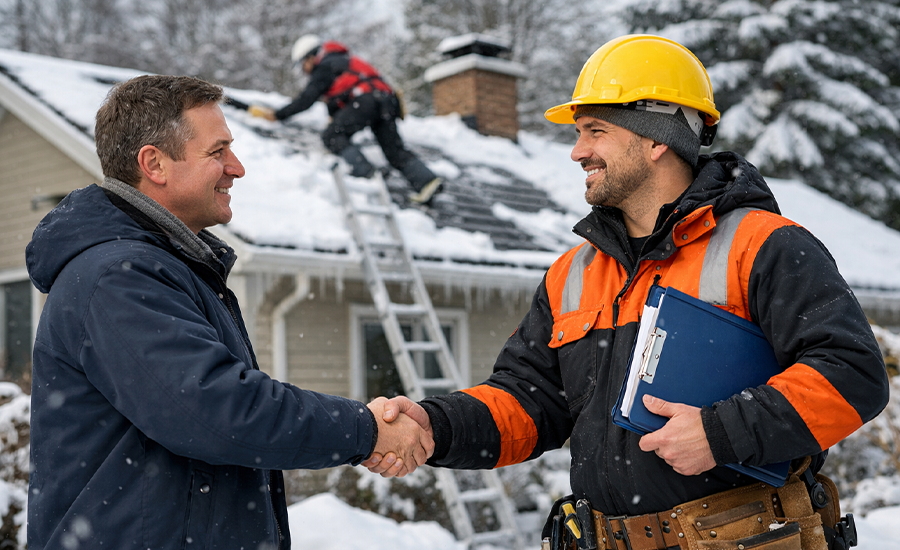
Winter places significant pressure on residential and commercial roofing systems, particularly in NYC, where snow accumulation, ice dams, freezing temperatures, and strong winds are typical. Issues that may appear manageable during warmer months can escalate rapidly in winter, leading to active leaks, heat loss, interior water damage, and added structural stress if repairs are not handled properly.
Choosing a roofer for winter repairs goes beyond availability or pricing. Cold-weather roofing demands specific experience, careful safety planning, and a clear understanding of how materials and repair methods perform in freezing conditions. Repairs carried out without winter expertise often fail when temperatures fluctuate, leading to repeat damage and higher long-term costs. This guide explains how to choose a reliable roofer for winter repairs by focusing on experience, safety practices, materials, emergency readiness, and pricing clarity.
What You Need to Know Before Hiring a Winter Roofer
Winter roofing repairs require specialized knowledge due to snow, ice, and freezing temperatures. This section highlights the key considerations property owners should understand before committing to a winter roofing contractor, including safety standards, repair readiness, and long-term performance factors specific to cold-weather conditions in NYC.
- Ο Winter roofing differs from standard repairs and requires trained, experienced professionals.
- Ο Proven experience with snow, ice dams, and freeze-thaw conditions is essential.
- Ο Emergency availability and temporary weatherproofing help limit further damage.
- Ο Cold-weather-compatible materials reduce the risk of early repair failure.
- Ο Precise estimates, proper credentials, and safety compliance protect property owners.
Why Choosing the Right Roofer Is Essential in Winter?
Winter roofing repairs require a different approach than regular-season work due to freezing temperatures, snow buildup, and constant freeze-thaw cycles. A qualified winter roofer understands how these conditions affect roofing systems and applies methods that prevent short-term fixes from failing during harsh weather. Understanding why roof leaks increase during winter in NYC also explains why winter roofing repairs require specialized experience and proper materials.
Poor winter workmanship can result in serious and costly problems, including:
- Interior water leaks and ceiling damage
- Heat loss leading to higher energy bills
- Ice dam formation that causes recurring leaks
- Mold growth from moisture trapped within the roof structure
- Structural damage caused by excessive snow load
Factors To Consider When You’re Choosing a Reliable Roofer
When choosing a reliable roofer for winter repairs, focus on factors that directly affect safety, durability, and long-term performance. In NYC, winter conditions such as heavy snowfall, freezing temperatures, and repeated freeze-thaw cycles can quickly worsen existing roofing issues. Delayed or improper repairs often lead to active leaks, material failure, and additional structural stress. Evaluating the following factors helps ensure your roof is repaired correctly and remains protected throughout the winter season.
1. Expertise in Handling Winter Roofing
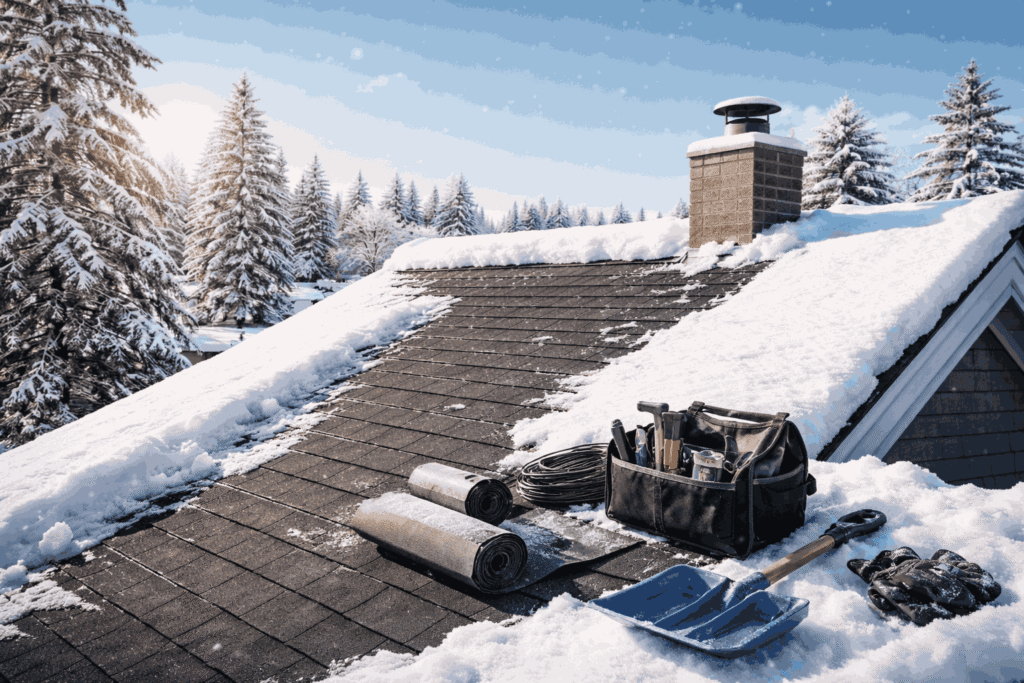
Not every roofing contractor is trained or equipped to work in winter conditions. Winter conditions affect installation methods, material performance, and on-site safety, making experience a critical factor. A roofer with proven winter expertise understands how to perform repairs that remain stable even in freezing temperatures and ongoing weather exposure.
Key indicators of winter roofing expertise include:
- Experience repairing roofs in snow and freezing temperatures
- Knowledge of ice dam prevention and controlled removal
- Familiarity with cold-weather-rated sealants and roofing materials
- Ability to install temporary protection until permanent repairs are possible
2. Verified Certifications
Winter roofing work carries a higher risk due to slippery surfaces, low temperatures, and emergency repair conditions. Verified certifications and proper credentials protect both the property owner and the contractor while ensuring the work meets safety and legal standards.
A reliable winter roofer should be able to provide clear proof of the following:
- Valid local and state roofing licenses
- General liability insurance coverage
- Workers’ compensation insurance for on-site safety
- Manufacturer or industry-recognized certifications
3. Emergency Availability
Winter roof problems often require immediate action, especially when leaks, ice buildup, or structural risks are involved. Delays during cold weather can allow water to spread beneath the roofing system, causing damage before it becomes visible indoors. A reliable winter roofer should be prepared to respond quickly and apply stabilizing solutions that prevent further damage until permanent repairs can be completed.
When assessing emergency availability, look for the following:
- Fast response times during winter weather conditions
- Availability outside regular working hours when needed
- Ability to apply temporary weatherproofing or emergency covers
- Clear follow-up plan for permanent repairs once conditions allow
4. Trusted Local Credibility
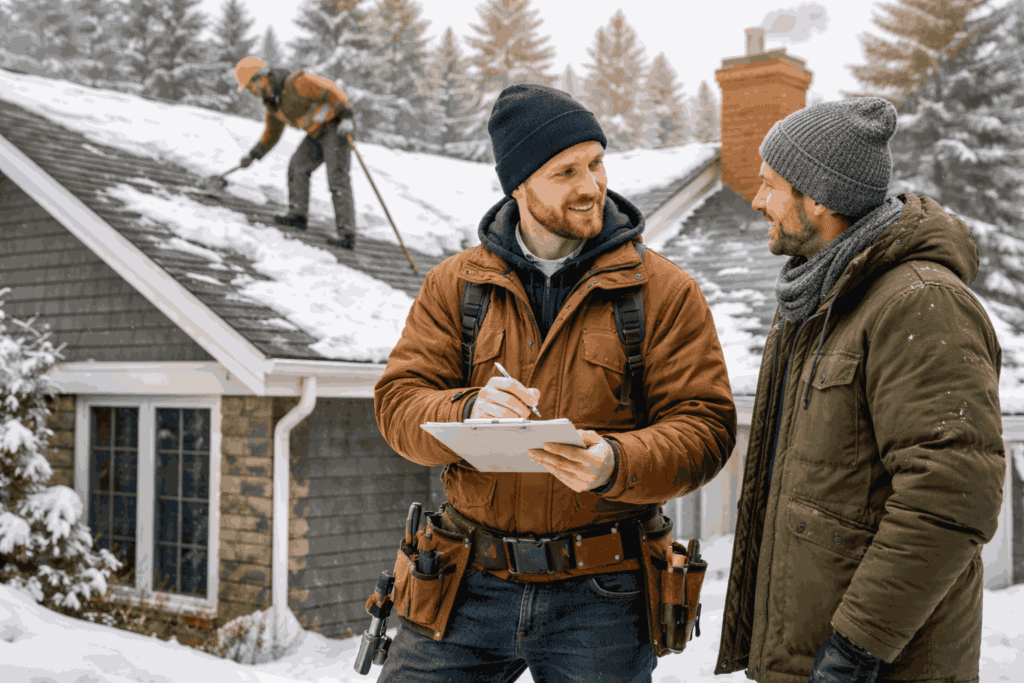
A roofer’s local reputation becomes especially important during winter, when mistakes can lead to immediate and costly damage. Roofers with strong local credibility are more likely to understand area-specific weather conditions, building styles, and everyday winter roofing problems. Reviewing past performance helps confirm whether a roofer can be relied on during urgent winter repairs.
Indicators of trusted local credibility include:
- Online reviews that specifically mention winter or emergency roof repairs
- Feedback highlighting response time and reliability during cold weather
- Before-and-after photos of winter repair projects
- Referrals from local homeowners, property managers, or building owners
5. In-depth Knowledge of Winter-Safe Materials
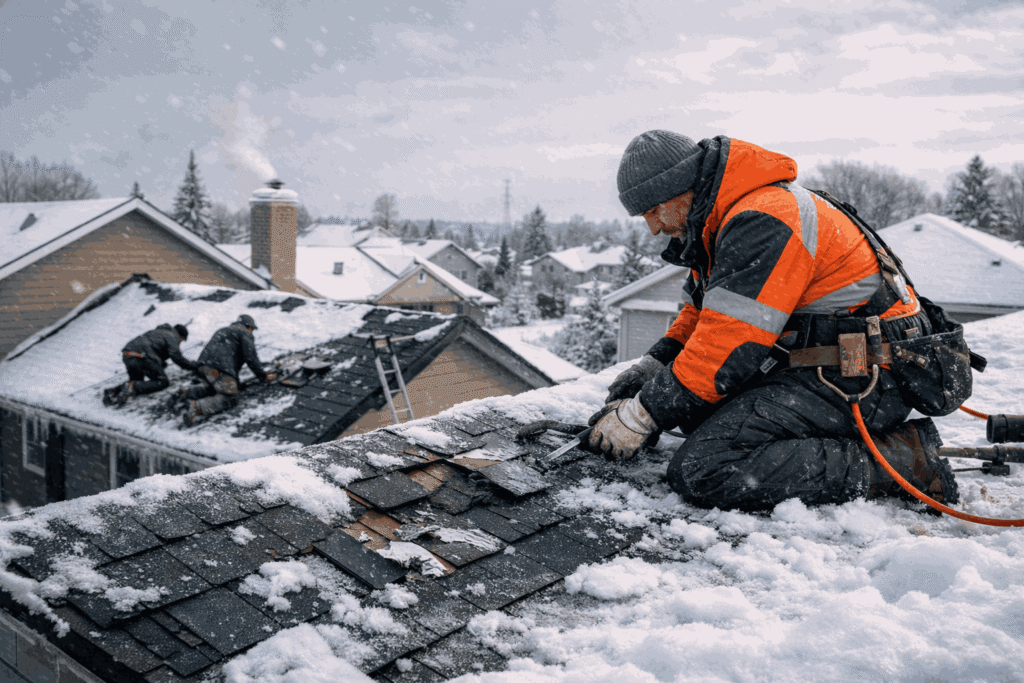
Cold weather significantly affects how roofing materials perform, especially during installation and curing. Materials that perform well in warm conditions may fail in winter if they are not designed for low-temperature installation and curing. A reliable winter roofer understands which materials remain effective in cold weather and how to apply them correctly to maintain durability and weather resistance. Choosing the right materials is especially important for city properties, which is why homeowners should understand the best roofing materials for NYC homes based on local climate conditions and building requirements. Similarly, selecting roofing materials for cold-climate homes is essential to ensure proper performance, durability, and resistance to repeated freeze-thaw cycles.
Key signs of material knowledge include:
- Use of cold-weather-rated sealants and adhesives
- Understanding of material temperature limits during installation
- Experience working with membranes that perform well in winter conditions
- Ability to apply emergency weatherproofing materials when immediate shelter is needed
6. Transparent Cost Breakdowns
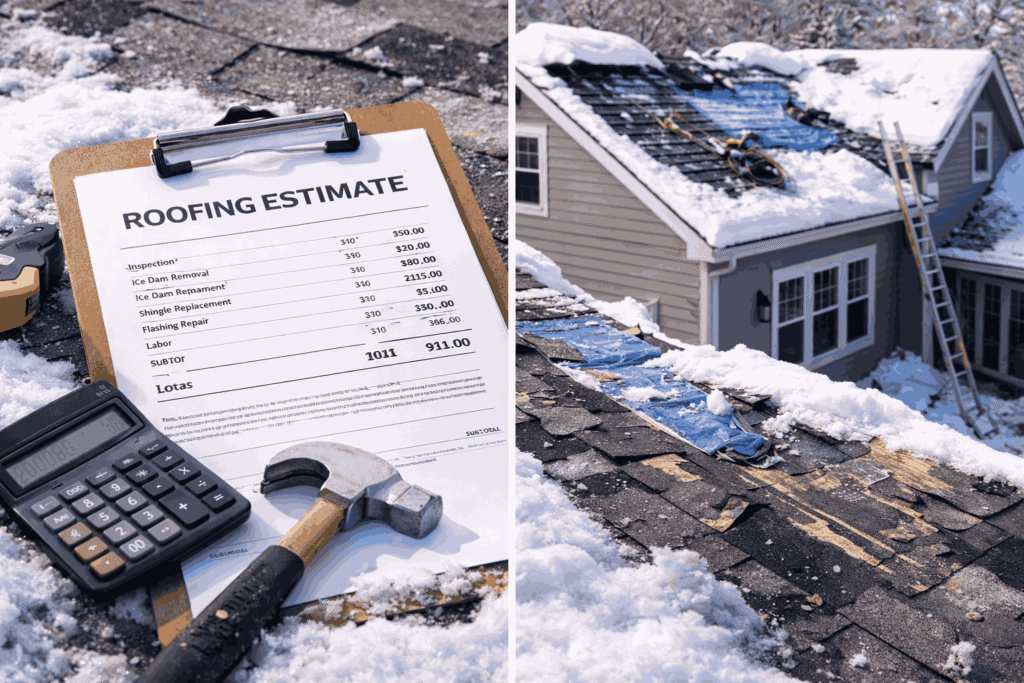
Winter roof repairs often feel urgent, but urgency should never replace pricing clarity. Vague estimates or unclear charges can lead to unexpected costs, especially when emergency work is involved. A reliable roofer provides transparent pricing that helps property owners understand what they are paying for and how the repair process will move forward.
When reviewing cost details, look for the following:
- Written estimates with clearly itemized labor and material costs
- Separation of emergency service charges from standard repair costs
- Clear explanation of temporary versus permanent repair pricing
- Realistic timelines linked to weather conditions and repair phases
7. OSHA Safety Practices
Roofing work during winter carries increased safety risks due to icy surfaces, snow accumulation, and reduced visibility. Proper safety practices protect workers, occupants, and the property itself while helping prevent accidents and compliance issues. A professional winter roofer follows established safety standards and adapts work methods based on weather conditions.
Key winter safety practices include:
- Removal of snow and ice from work areas before repairs begin
- Use of fall protection systems and safety harnesses
- Proper winter footwear, tools, and protective equipment
- Continuous monitoring of weather conditions during repair work
Questions to Ask a Roofer Before Hiring for Winter Repairs
Before making a final decision, asking the right questions can help confirm whether a roofer is genuinely prepared to handle winter repair conditions. These questions focus on experience, safety, materials, and response readiness, allowing property owners to identify professionals who can manage cold-weather challenges without relying on short-term fixes. Essential questions to ask include:
- Have you handled roofing repairs during snow and freezing temperatures before?
- How do you prevent and manage ice dams during winter repairs?
- Do you offer temporary weatherproofing if permanent repairs must be delayed?
- What safety measures do you follow when working on icy or snow-covered roofs?
- How do you assess roof conditions when complete inspections are limited due to snow or ice?
Final Thoughts
Choosing a reliable roofer for winter repairs requires careful consideration beyond speed or cost. Winter conditions demand experience, proper safety planning, material awareness, and the ability to respond quickly rather than relying solely on temporary fixes. By focusing on winter-specific expertise, verified credentials, emergency readiness, transparent pricing, and safety compliance, property owners can reduce the risk of recurring damage and protect their roofing systems throughout the coldest months of the year.
Sardar Restoration Corp provides roofing repair and installation in NYC for residential and commercial properties, including the Bronx, Manhattan, Brooklyn, Westchester, and Queens. Our approach focuses on identifying roofing issues early and applying repair methods that account for winter conditions, material performance, and safety requirements. Each project is assessed based on the specific needs of the property, with consideration for winter conditions, material performance, and on-site safety, to help minimize weather-related damage and maintain long-term roof stability.
For more information, contact (+1) 917-355-8556 or sardarrestoration@gmail.com, or visit us at 2770 Fish Ave, Bronx, NY 10469, United States.
FAQs
Can roofing repairs really be done during winter?
Yes. Roofing repairs can be carried out during winter when proper safety measures and cold-weather materials are used to stabilize the roof and stop active leaks.
What are the most common winter roof problems?
Common winter roofing issues include ice dams, leaks from melting snow, damaged flashing, moisture intrusion, and structural stress caused by heavy snow accumulation.
How do I know if a roofer is experienced in winter repairs?
A winter-experienced roofer can explain past cold-weather projects, describe ice dam prevention methods, outline safety practices, and confirm emergency availability during freezing conditions.
Are winter roof repairs more expensive than regular repairs?
In some cases, yes. Winter repairs may involve emergency response, additional safety precautions, and temporary protection, but early repairs often prevent much higher costs later.
How quickly should a roofer respond to a winter roof emergency?
A reliable winter roofer should respond within 24 hours or sooner, especially for active leaks or structural risks, to limit interior damage and safety hazards.
Do winter roof repairs provide long-term results or just temporary fixes?
When handled correctly, winter roof repairs can provide long-term stability. Experienced winter roofers use methods and materials designed to remain effective beyond seasonal temperature changes.
Should snow and ice be removed before winter roof repairs begin?
Yes. Snow and ice removal is essential before repairs to ensure proper inspection, safe working conditions, and effective sealing of roofing materials.