 ChatGPT
 Perplexity
 Google AI
 Claude
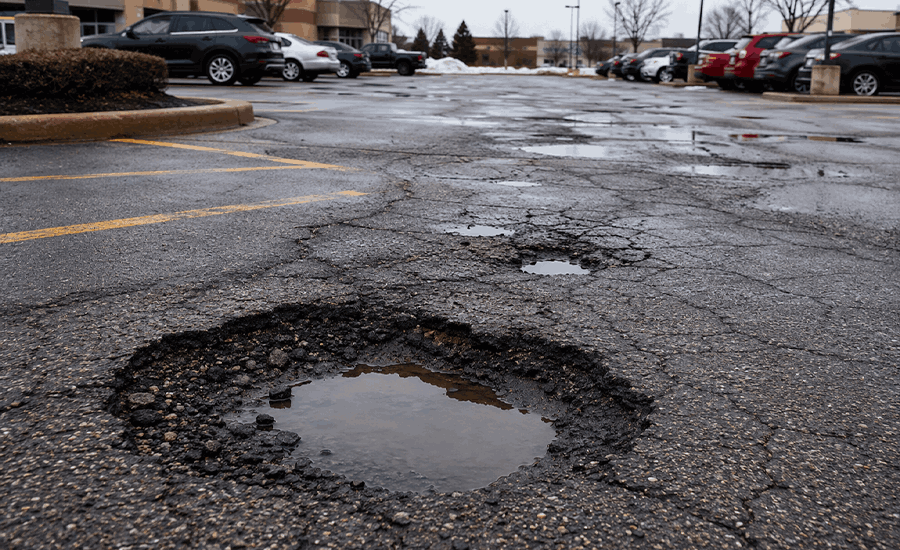
Parking lot cracks and potholes usually start with small surface damage, but they can spread quickly when water, vehicle pressure, poor drainage, weak base layers, and delayed repairs are ignored. In NYC, parking lots face added stress from seasonal freeze-thaw cycles, heavy traffic, snowmelt, road salt, and constant moisture exposure.
For residential and commercial properties, early pavement damage should not be treated as a minor cosmetic issue. Small cracks can allow water to reach the sub-base, weaken the foundation, and eventually create potholes, uneven surfaces, and safety risks.
This guide explains the main causes of cracks and potholes in parking lots, how small cracks turn into larger pavement failures, and what NYC property owners can do to protect asphalt and blacktop surfaces before costly repairs are needed.
- Ο Moisture penetration is one of the leading causes of pavement breakdown.
- Ο Heavy vehicle loads can weaken asphalt, blacktop, and base layers.
- Ο Poor construction, weak compaction, and bad drainage reduce pavement life.
- Ο Small cracks can turn into potholes when repairs are delayed.
- Ο Regular sealcoating, drainage care, and inspections help prevent major damage.
Common Causes of Parking Lot Cracks and Potholes in NYC
Cracks and potholes in parking lots often develop because the pavement is exposed to pressure from above and weakness from below. Even a well-built asphalt or blacktop surface can fail early if water enters the base, drainage is poor, or heavy vehicles exceed the surface’s load capacity.
For NYC property owners, the most common causes usually include moisture infiltration, freeze-thaw damage, poor installation, inadequate maintenance, and continuous traffic stress. Understanding the source of the damage helps determine whether the lot needs crack sealing, patching, resurfacing, drainage correction, or full pavement repair. If the damage has already spread across larger areas, comparing when resurfacing is enough and when full replacement makes more sense can help property owners choose the right repair level.
1. Moisture Infiltration
Water is one of the most damaging elements for asphalt, blacktop, and concrete parking lot surfaces.
- Water enters through small cracks and open joints
- Moisture weakens the sub-base below the pavement
- Repeated freeze-thaw cycles expand existing cracks
- Soft base layers can create depressions and potholes
Moisture damage is often more serious in older parking lots where drainage has not been maintained. For properties dealing with repeated surface cracking, standing water, or potholes, Bronx parking lot paving services can help address both surface repair and long-term pavement stability.
2. Excessive Vehicle Loads
Parking lots are not all designed for the same vehicle weight or traffic volume.
- Heavy trucks place constant stress on pavement layers
- Excessive weight can weaken asphalt binding materials
- Repeated pressure may cause rutting and fatigue cracks
- High-traffic zones often break down faster than low-use areas
When heavy vehicle pressure keeps damaging the same sections, patching may only provide short-term relief. Property owners can review the early signs that a parking lot may need repaving before repair costs continue increasing.
3. Substandard Construction Quality
If the pavement is not built properly, surface failure can happen much sooner.
- Weak base compaction
- Low-quality asphalt or blacktop mix
- Thin pavement layers
- Poor drainage planning during installation
Construction quality matters from the base layer to the final surface finish. For long-term planning, it also helps to understand how asphalt and concrete perform under NYC parking lot conditions before choosing the right material for a busy property.
4. Temperature Fluctuations
NYC weather changes can affect pavement strength throughout the year.
- Heat softens asphalt and increases surface movement
- Cold weather causes contraction and brittleness
- Repeated seasonal changes create surface cracks
- Long-term exposure weakens the pavement structure
In dense commercial areas, seasonal movement can become more noticeable because of constant traffic, limited drainage space, and frequent surface use. For properties in high-traffic city settings, parking lot paving in Manhattan may be needed when the repair approach must consider access, surface strength, and long-term durability.
5. Progressive Oxidation of Asphalt
Asphalt naturally loses flexibility over time.
- Oxygen exposure hardens the surface
- UV rays break down binding oils
- Pavement becomes dry and brittle
- Alligator cracking and surface breakup may appear
Older asphalt surfaces can look dry, faded, and cracked before potholes appear. If the damage is still surface-level, resurfacing may be enough, but deeper base failure usually requires a more complete repair approach.
6. Inadequate Drainage Systems
Standing water can quickly damage parking lot pavement.
- Clogged or missing drainage channels
- Water is pooling on the surface
- Continuous moisture weakens the sub-base
- Faster pothole development after rain or snowmelt
Drainage problems are especially common near entrances, edges, loading areas, and low spots where water collects after rain or snowmelt. For properties with repeated water-related damage, Queens parking lot paving solutions can help improve surface grading, drainage performance, and pavement durability.
7. Insufficient Regular Maintenance
Neglect can turn minor pavement damage into structural failure.
- Unsealed cracks allow water to enter
- Delayed repairs increase long-term costs
- Small potholes expand under traffic pressure
- Lack of sealcoating leaves asphalt exposed
Regular maintenance helps extend pavement life, but some lots eventually need more than crack sealing and patching. If repeated repairs are no longer solving the issue, a professional inspection can confirm whether the damage is still surface-level or connected to deeper base failure.
8. Subsurface Movement
Ground movement below the pavement can distort the surface.
- Tree roots can push up asphalt layers
- Soil movement may create uneven areas
- Underground erosion can weaken support layers
- Surface lifting and cracking may follow
Subsurface movement is not always visible at first, but uneven pavement, repeated cracking, and sinking areas can point to deeper support issues. In larger residential and commercial properties, parking lot paving in Westchester may be useful when pavement damage is connected to grading, soil movement, or long-term settlement.
9. Unstable Foundation Layers
The foundation below the pavement plays a major role in long-term durability.
- Poor soil compaction during construction
- Soft or unstable soil conditions
- Moisture is weakening the base layer
- Sinking, cracking, and pavement separation
A weak foundation can cause the same repair area to fail again and again. This is why proper installation matters, especially when property owners are reviewing the right paving installation process for long-term strength before starting a new exterior paving project.
10. Freeze-Thaw Damage
Freeze-thaw cycles are a major cause of potholes in NYC parking lots.
- Water enters cracks and freezes
- Ice expands and widens the cracks
- Repeated cycles break pavement apart
- Deep potholes can form after winter damage
In colder months, freeze-thaw damage can quickly turn small cracks into larger pavement failures. For busy urban properties exposed to winter weather and constant traffic, Brooklyn parking lot paving work can help address recurring surface breakdown, potholes, and drainage-related pavement damage.
How Do Micro Cracks Turn Into NYC Parking Lot Potholes?
Most potholes begin as small cracks in the parking lot surface. When water enters those cracks, it reaches the base layer and weakens the support below the pavement. During colder months, trapped water can freeze, expand, and push the pavement upward.
Once the base loses stability, vehicle pressure breaks the weakened surface apart. Small asphalt pieces loosen, gaps become wider, and the damaged area turns into a pothole. This process is especially common in NYC after winter, when snow, ice, rain, and road salt accelerate pavement wear.
- Small cracks appear due to traffic, age, or weather exposure
- Water enters through cracks after rain or snowmelt
- The sub-base weakens and loses stability
- Traffic pressure breaks the surface layers
- Asphalt chunks loosen, and potholes begin to form
Spring is often when many NYC parking lot potholes become more visible because winter damage starts showing on the surface. If the property also includes paved walkways, patios, or entry areas, understanding how proper paver leveling prevents uneven surfaces can help reduce trip hazards around connected hardscape areas.
How Can NYC Parking Lots Be Protected from Structural Damage?
The best way to protect parking lots is to address early warning signs before the damage reaches the base layer. For NYC residential and commercial properties, regular pavement inspections, crack sealing, drainage maintenance, and timely repairs can help extend the life of asphalt and blacktop surfaces.
Property owners should also pay attention to traffic patterns, standing water, surface depressions, and repeated cracking in the same areas. These signs may point to deeper base problems that need professional repair rather than temporary patching.
- Seal cracks before water intrusion begins
- Apply sealcoating every few years when needed
- Keep drainage systems clean and functional
- Limit heavy vehicle access where possible
- Schedule regular pavement inspections
- Repair small potholes before they expand
For properties upgrading surrounding paved areas, it can also help to review the main cost factors behind paver installation and compare durable driveway paver options for long-term use before planning a larger exterior improvement project.

Final Thoughts on Preventing Parking Lot Cracks and Potholes
Cracks and potholes in parking lots usually develop from water infiltration, heavy traffic, weak base layers, freeze-thaw cycles, poor drainage, and delayed maintenance. In NYC, these issues can worsen faster because of snowmelt, road salt, seasonal temperature changes, and constant vehicle movement. For residential and commercial property owners, early inspection and timely repair help protect pavement safety, reduce long-term repair costs, and keep parking areas safe for tenants, customers, employees, and visitors.
Sardar Restoration Corp supports residential and commercial property owners across NYC, including the Bronx, Manhattan, Brooklyn, Westchester, and Queens. If your parking lot has cracks, potholes, drainage issues, or asphalt surface damage, working with an experienced parking lot paving repair contractor in NYC can help ensure proper diagnosis, durable repair work, and long-term pavement protection.
For expert inspections and repair solutions, call (+1) 917-355-8556, email sardarrestoration@gmail.com, or visit 2770 Fish Ave, Bronx, NY 10469, United States.
FAQs
What is the main cause of potholes in NYC parking lots?
Water infiltration is one of the main causes. When water enters cracks and weakens the base layer, traffic pressure can break the surface and create potholes.
Can parking lot cracks be repaired before they become potholes?
Yes, early crack sealing can help stop water from reaching the base layer and reduce the risk of pothole formation.
How often should parking lots be maintained in NYC?
Most parking lots should be inspected regularly, with maintenance based on traffic volume, drainage conditions, weather exposure, and pavement age.
Does poor drainage affect parking lot pavement life?
Yes, poor drainage allows water to sit on the surface and weaken the base layers, which can lead to cracks, sinking, and potholes.
How often should a parking lot be repaved?
Many parking lots may need repaving after years of use, but the exact timing depends on traffic load, installation quality, drainage, maintenance, and weather exposure.
Is sealcoating useful for preventing parking lot cracks?
Yes, sealcoating helps protect asphalt from UV exposure, moisture, oil stains, and surface wear when applied at the right time.
Why do potholes appear more often after winter in NYC?
Freeze-thaw cycles allow water inside cracks to freeze, expand, and break the pavement apart. This is why many potholes become visible after winter.