
 ChatGPT
 Perplexity
 Google AI
 Claude
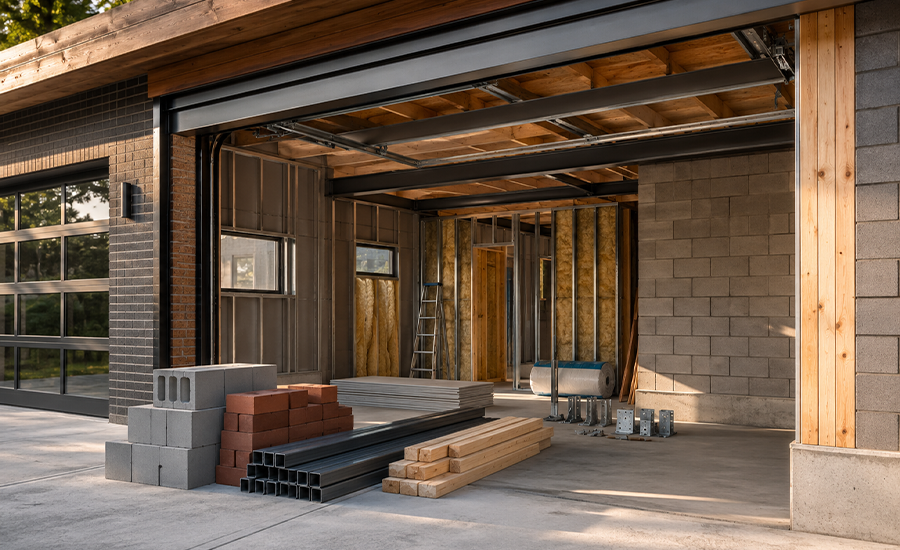
Modern garages in NYC are no longer built only for parking vehicles. Many residential and commercial property owners now use garages for storage, workshops, home gyms, tools, equipment, and small workspaces. Because of this, garage construction materials must support strength, moisture resistance, energy performance, safety, and long-term durability.
In New York City, garages face rain, snow, humidity, road salt, heavy vehicle loads, and daily wear. Choosing the right materials helps reduce cracking, rust, water damage, structural movement, and frequent repair costs.
This article explains the most common materials used in modern garage construction and how each one performs for NYC properties.
- Ο Concrete supports floors, slabs, and foundations.
- Ο Steel adds framing strength and fire resistance.
- Ο Wood works well for flexible residential designs.
- Ο Masonry improves durability and curb appeal.
- Ο Insulation supports comfort and energy efficiency.
- Ο Aluminum and glass suit modern doors and finishes.
Why Garage Construction Materials Matter for NYC Properties
The materials used in a garage directly affect its lifespan, safety, maintenance needs, and performance. A poorly built garage may develop floor cracks, water seepage, rotting wood, rusted framing, loose masonry, or energy loss over time.
For NYC property owners, material selection is especially important because garages are exposed to seasonal freeze and thaw cycles, road salt, humidity, and heavy use. Strong materials and proper installation help prevent early deterioration and reduce future repair work.
The right garage materials can improve:
- Load-bearing strength
- Moisture protection
- Fire resistance
- Energy efficiency
- Structural stability
- Exterior appearance
- Maintenance control
- Property value

Best Materials for Modern Garage Construction in NYC
Modern garage construction usually combines several materials instead of relying on a single option. Concrete, steel, wood, masonry, insulation, aluminum, and glass each serve a different purpose. Together, they help create a garage that is strong, practical, and suitable for daily use. If an existing garage already shows movement, cracks, or water damage, a professional garage structure repair process can help property owners understand what needs to be repaired before material upgrades begin.
1. Concrete for Garage Floors, Slabs, and Foundations
Concrete is one of the most important materials in garage construction. It is widely used for garage floors, foundation slabs, driveways, and load-bearing bases because it can handle vehicle weight and constant use.
In NYC garages, reinforced concrete is often preferred because it performs better under pressure and helps reduce cracking when installed correctly. Older garages may also need a closer inspection when visible slab movement or wall separation points indicate foundation cracks in older garage buildings.
Why Concrete Is Used in Garage Construction
- Strong load-bearing capacity
- Long service life
- Resistant to pests and rot
- Suitable for heavy vehicles
- Easy to clean and maintain
- Works for residential and commercial garages
Common Concrete Uses in Garage Construction
| Garage Concrete Area | Construction Purpose |
|---|---|
| Garage floor slabs | Supports vehicles and daily use |
| Foundation bases | Provides structural support |
| Driveway connections | Creates stable vehicle access |
| Masonry wall bases | Adds lower-wall strength |
| Commercial garage surfaces | Handles heavier traffic and equipment |
Concrete Limitations in NYC Garages
Concrete can crack if the base preparation, reinforcement, drainage, or curing is poor. In NYC weather, freeze and thaw conditions can also affect exposed concrete if it is not sealed or maintained properly. These issues are common across many properties, which is why understanding concrete deterioration in NYC residential buildings is useful before choosing floor or foundation materials.
2. Steel for Garage Framing and Structural Support
Steel is a strong material often used in modern garage framing, beams, doors, roofing systems, and commercial garage structures. It is valued for its strength, durability, and resistance to pests.
For larger garages, commercial buildings, and prefabricated garage systems, steel can provide better structural support than traditional wood framing. If steel framing, masonry walls, or concrete supports are already weakened, property owners should look for early signs of garage structural damage before deciding on repair or replacement.
Common Steel Applications in Garages
- Structural framing
- Garage door systems
- Roof supports
- Beams and posts
- Reinforcement components
- Commercial garage structures
Benefits of Steel Garage Construction
- High structural strength
- Fire-resistant performance
- Resistant to termites and pests
- Long-lasting when protected properly
- Suitable for wider openings and heavier structures
Steel Limitations for Garage Projects
Steel may cost more upfront than wood. It can also corrode if protective coatings fail, especially in areas exposed to moisture, road salt, or poor drainage. Proper coating and maintenance are important for long-term performance.
3. Wood for Residential Garage Framing
Wood remains a common choice for residential garage construction because it is affordable, widely available, and easy to work with. It is often used for framing, sheathing, roofing support, and interior garage finishes.
For homeowners planning custom layouts or future changes, wood can offer more flexibility during construction and renovation. However, when the existing structure has widespread rot, settlement, or framing failure, comparing garage renovation and full reconstruction can help determine the right scope of work.
Common Wood Materials Used in Garages
- Pressure-treated lumber
- Engineered wood
- Plywood
- Oriented strand board
- Wood framing members
Why Homeowners Choose Wood for Garages
- Cost-effective for many residential garages
- Easier to cut, adjust, and repair
- Good design flexibility
- Works well with insulation
- Suitable for custom garage layouts
Wood Limitations in Garage Construction
Wood needs protection from moisture, termites, and rot. In NYC properties where garages are exposed to leaks, poor ventilation, or ground-level dampness, untreated or poorly installed wood can deteriorate faster.
4. Brick and Masonry for Durable Garage Walls
Brick and masonry are widely used for garage walls, exterior finishes, and structural support. These materials are especially suitable for NYC properties where durability, fire resistance, and exterior appearance matter.
Masonry also works well with many older homes and multi-family buildings across the Bronx, Brooklyn, Queens, Manhattan, and Westchester. When brick walls begin to crack, shift, or absorb water, professional brick repair in NYC can help restore wall strength before the damage spreads.
Common Masonry Materials for Garage Construction
- Clay brick
- Concrete block
- Stone veneer
- Concrete masonry units
- Brick-facing systems
Benefits of Masonry Garage Walls
- Strong weather resistance
- Fire-resistant material
- Durable exterior finish
- Good curb appeal
- Lower routine maintenance
- Suitable for residential and commercial properties
Masonry Limitations for NYC Garages
Masonry can require more labor and time than lighter materials. If mortar joints weaken or water enters the wall system, repairs such as repointing, brick replacement, or waterproofing may be needed. Ignoring early wall damage often increases repair scope, especially when delayed masonry repairs become more expensive over time.
5. Insulation for Energy-Efficient Garages
Garage insulation has become more important as property owners use garages for more than vehicle storage. A garage used as a workshop, storage area, laundry space, or home gym needs better temperature control.
Insulation can also help reduce moisture problems and improve comfort during New York’s colder months. Garages that stay damp during winter may also benefit from reviewing how freezing weather creates moisture problems in NYC homes, especially when walls, slabs, or doors are already affected.
Common Garage Insulation Materials
- Fiberglass insulation
- Spray foam insulation
- Polyurethane panels
- Polystyrene panels
- Insulated garage doors
Best Garage Areas to Insulate
- Garage doors
- Exterior walls
- Ceilings
- Roof systems
- Shared walls connected to living spaces
Benefits of Garage Insulation in NYC
- Better indoor comfort
- Reduced energy loss
- Improved moisture control
- Less noise transfer
- Better year-round usability
6. Aluminum for Garage Doors, Trim, and Exterior Details
Aluminum is often used in modern garage doors, window frames, trim, flashing, and decorative exterior features. It is lightweight, rust-resistant, and works well for contemporary garage designs.
For NYC properties, aluminum can be useful in areas where moisture exposure is a concern, but it should be selected based on strength needs. In many cases, aluminum upgrades work best when combined with proper wall repair, waterproofing, and exterior restoration.
Common Aluminum Uses in Garage Construction
- Garage door frames
- Window systems
- Roof flashing
- Decorative trim
- Exterior panels
Benefits of Aluminum Garage Features
- Rust-resistant
- Lightweight
- Clean modern appearance
- Low maintenance
- Long-lasting finish when installed properly
Aluminum Limitations for Garages
Aluminum is not as strong as steel and can dent more easily. It is best used for doors, trims, and exterior features rather than major structural support.
7. Glass for Modern Garage Doors and Natural Light
Glass is often used in modern garage doors, window panels, and exterior design features. It can improve natural light and give the garage a more updated appearance.
For residential properties, glass features are common in luxury homes, modern renovations, and garages connected to living or work areas. Before adding glass or modern exterior features, damaged brick sections may need brick replacement in NYC to create a stable and clean surrounding structure.
Common Glass Applications in Garage Design
- Garage door windows
- Full-view glass garage doors
- Side windows
- Decorative wall panels
Benefits of Glass Garage Features
- Brings natural light inside
- Improves exterior appearance
- Makes the garage feel more open
- Works well with modern garage designs
Glass Limitations for Garage Performance
Glass requires regular cleaning and may reduce privacy if clear panels are used. For better energy performance, insulated or frosted glass options are usually more practical.
Key Factors Before Choosing Garage Materials in NYC
Choosing garage materials should depend on how the space will be used, the building structure, budget, and local weather exposure. A garage used only for parking may need different materials than a garage used as a workshop, storage space, or commercial work area.
NYC property owners should also consider drainage, code requirements, fire resistance, ventilation, and long-term repair needs before starting garage construction or renovation. If the project involves structural masonry, damaged walls, or exterior restoration, understanding the role of a qualified masonry contractor can help property owners choose the right repair approach.
Weather and Moisture Exposure
Garage materials should handle rain, snow, humidity, road salt, and temperature changes. Concrete, masonry, steel, and pressure-treated wood should be installed with proper drainage and moisture control.
Structural Load Requirements
A garage that holds large vehicles, equipment, or storage loads needs stronger floors, framing, and foundations. Reinforced concrete and steel may be better for heavier use.
Long-Term Maintenance Cost
Some materials cost more at the start but reduce repair needs later. Concrete, masonry, steel, and insulated systems often provide better long-term value when installed correctly.
Garage Use and Daily Function
A garage used as a workshop, gym, or storage area may need insulation, better lighting, moisture protection, and stronger interior finishes.
Exterior Design and Property Style
Garage materials should match the property’s architecture. Brick, masonry, aluminum, wood, and glass can all improve curb appeal when selected carefully.

Final Thoughts on Garage Construction Materials in NYC
The best materials for modern garage construction in NYC depend on durability, moisture resistance, structural strength, energy performance, and property style. Concrete and steel provide strength, wood adds flexibility, masonry improves exterior durability, and insulation helps make the garage more comfortable throughout the year.
For residential and commercial properties, the right material choice can prevent early repairs, improve daily use, and protect the garage from NYC weather conditions. Property owners dealing with aging or damaged garages can also work with specialists for garage repair in the Bronx, garage restoration in Manhattan, or garage renovation in Queens, depending on the property location and repair needs.
Sardar Restoration Corp supports property owners across NYC, including the Bronx, Manhattan, Brooklyn, Westchester, and Queens. If your garage has cracked concrete, damaged masonry, loose mortar, moisture issues, or aging exterior materials, working with a professional contractor for garage renovation in NYC can help restore strength, safety, and long-term value.
For inspections and repair solutions, call (+1) 917-355-8556, email sardarrestoration@gmail.com, or visit 2770 Fish Ave, Bronx, NY 10469, United States.
FAQs About Garage Construction Materials
What is the best material for garage construction in NYC?
Concrete, steel, and masonry are among the best materials for NYC garage construction because they provide strength, weather resistance, and long-term durability.
What type of garage flooring lasts the longest?
Reinforced concrete usually lasts the longest because it can handle vehicle weight, daily use, and seasonal weather changes. It is commonly used in Brooklyn, Queens, and the Bronx garage projects.
Is steel better than wood for garage framing?
Steel is stronger, more fire-resistant, and better for heavier structures. Wood is often more affordable and easier to adjust for many residential garage projects.
Are masonry garage walls a good option for older properties?
Yes. Masonry garage walls work well for many older properties because they offer durability, fire resistance, and a traditional exterior appearance, especially in areas like the Bronx and Brooklyn.
Why is insulation important in a garage?
Insulation helps improve comfort, reduce energy loss, control moisture, and make the garage more usable year-round.
What garage material needs the least maintenance?
Concrete, masonry, aluminum, and properly coated steel usually require less maintenance than untreated wood or low-grade exterior materials.
Can a damaged garage be renovated instead of rebuilt?
Yes. If the main structure is stable, concrete restoration, masonry repair, waterproofing, insulation upgrades, and door replacement can improve the garage without full rebuilding.