 ChatGPT
 Perplexity
 Google AI
 Claude
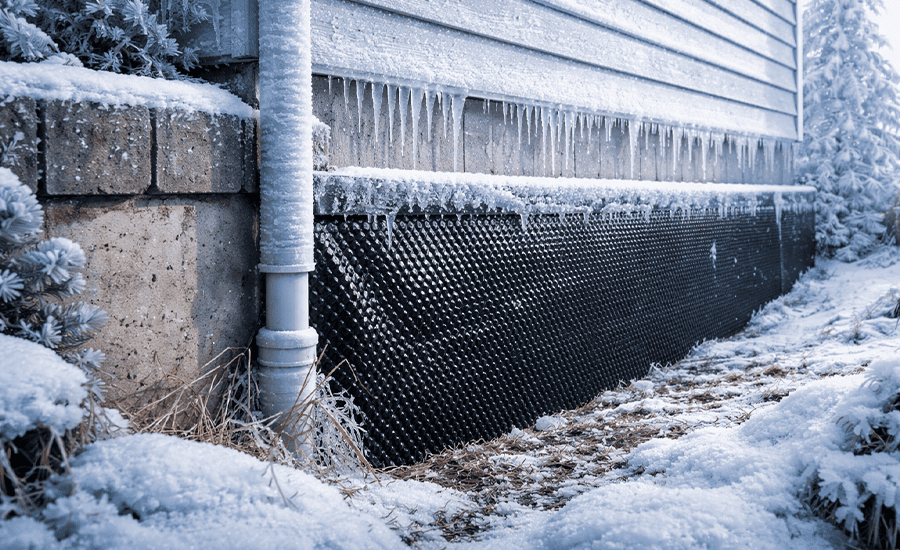
Cold weather can significantly affect how waterproofing systems perform on buildings. When temperatures drop, many waterproofing materials struggle to cure properly, leading to weaker adhesion, reduced flexibility, and a higher risk of moisture penetration. This makes winter conditions especially challenging for maintaining the durability and protection of exterior surfaces.
Understanding how cold air impacts waterproofing effectiveness is essential for property owners planning exterior work during winter. In this article, we explain why temperature matters, how cold weather influences different waterproofing systems, and what best practices help ensure reliable results in colder conditions.
The Role of Temperature in Waterproofing Performance!
Waterproofing materials are generally vulnerable to temperature fluctuations. Their chemical composition and physical properties are designed to operate within a specific temperature range, typically 5°C to 35°C. The cold air leads to the following consequences, which not only reduce the performance but also compromise the long-term durability.
- The chemical reaction and activities get delayed.
- All the materials increase brittleness.
- It comprises surface bonding.
- It lengthened the curing process.
- It diminishes adhesion performance.
Cold-Induced Waterproofing Application Challenges
Let’s have a look at the table to differentiate between the waterproofing coating and their effectiveness in cold temperatures.
| Waterproofing coatings | Winter climate influences |
|---|---|
| Liquid-based coatings | It causes poor material flow |
| Bitumen-modified protective layers | It elevates the modulus of stiffness |
| Flexible polymer sealants | It prolonged the setting period and weakened the bond |
| Hydraulic cement waterproofing | It slows the hydration process |
| Laminated membrane | It decreases material flexibility |
Thermal Stress Cracking In Cold Weather
It’s reported that waterproofing sealants contract and degrade overnight as temperatures drop sharply, leading to high stress on the waterproofing layer:
- Fine surface cracking.
- Stiffening of flexible materials.
- Loss of waterproofing continuity.
- Accelerated material failure.
These issues often develop gradually but can severely weaken the waterproofing system over time. Without timely intervention, thermal stress cracking increases the risk of moisture intrusion and long-term structural damage.
What Are The Vapor Retention Problems In Cold Air?
When the cold breeze passes, it can trap moisture in the waterproofing sealants, especially when applied to wet surfaces, which can compromise adhesion. Here are the reasons why vapor retention in the waterproofing layers leads to unhealthy air quality indoors:
- Condensation builds up between the material layers.
- Water vapor is trapped inside the wall system.
- The risk of microbial growth is elevated.
- They repeatedly freeze, and the thawing action occurs.

Winter-optimized Best Waterproofing Methods
No matter how many challenges homeowners face due to cold weather, waterproofing can still be effective when done with winter-grade materials and proper precautions:
- Choose a winter-grade waterproofing system.
- Maintain proper temperature for the waterproofing system.
- Make sure the surface is optimal for application.
- Do not opt for waterproofing in freezing weather.
- Shield the waterproof surfaces from insulated coverings.
- Adhere to professional temperature guidelines strictly.
Conclusion
Cold air has a direct impact on waterproofing performance by slowing curing times, reducing material flexibility, and increasing the risk of cracking and moisture intrusion. Without proper planning, winter conditions can shorten the lifespan of waterproofing systems and compromise a building’s long-term protection.
Using winter-appropriate materials, following temperature guidelines, and relying on experienced professionals can make a noticeable difference in achieving reliable results during colder months. When waterproofing is applied correctly, even in winter, it helps preserve structural integrity, indoor comfort, and exterior durability.
Sardar Restoration Corp provides professional waterproofing solutions for residential and commercial properties across NYC, including the Bronx, Manhattan, Brooklyn, Westchester, and Queens. For expert guidance, call (+1) 917-355-8556 or sardarrestoration@gmail.com, or visit us at 2770 Fish Ave, Bronx, NY 10469, United States.
FAQs
Why does cold air affect waterproofing performance?
The waterproofing system is highly affected by Cold air, as the sealants don’t cure completely, reducing bending capability; cold air slows the curing process, reducing material flexibility and affecting bonding durability.
How can contractors ensure proper waterproofing adhesion in cold air?
Contractors ensure proper adhesion by using temperature-approved products, pre-conditioning surfaces, and protecting treated areas during curing.
Which waterproofing materials are most sensitive to cold?
The following waterproofing materials are susceptible to cold and tend to lose adhesion easily; we recommend using only winter-grade sealants.
- Liquid-applied membranes
- bituminous coatings
- polyurethane sealants
- cementitious waterproofing
How long does curing take in cold air?
The waterproofing sealants that cure within 24 hours may take 2-4 days to heal fully in winter.
Does cold weather reduce the lifespan of waterproofing systems?
Cold weather can shorten the lifespan if materials cure improperly or lose flexibility, leading to cracks and moisture penetration over time.
What precautions should contractors take in cold weather?
Our waterproofing contractor in NYC advises following these precautionary measures in cold weather:
- Use cold-weather-approved waterproofing products.
- Store materials in temperature-controlled areas.
- Pre-warm surfaces before application.
- Use insulated covers or heated enclosures.
Can waterproofing be applied during winter in NYC?
Yes, waterproofing can be applied in winter if temperatures stay within product guidelines and winter-grade materials are used with proper surface preparation.
Is it better to delay waterproofing during icy conditions?
Yes! Postponing waterproofing is the best way to ensure your sealants are fully cured when the temperature falls within the optimal curing range, providing long-term durability and performance.