
 ChatGPT
 Perplexity
 Google AI
 Claude
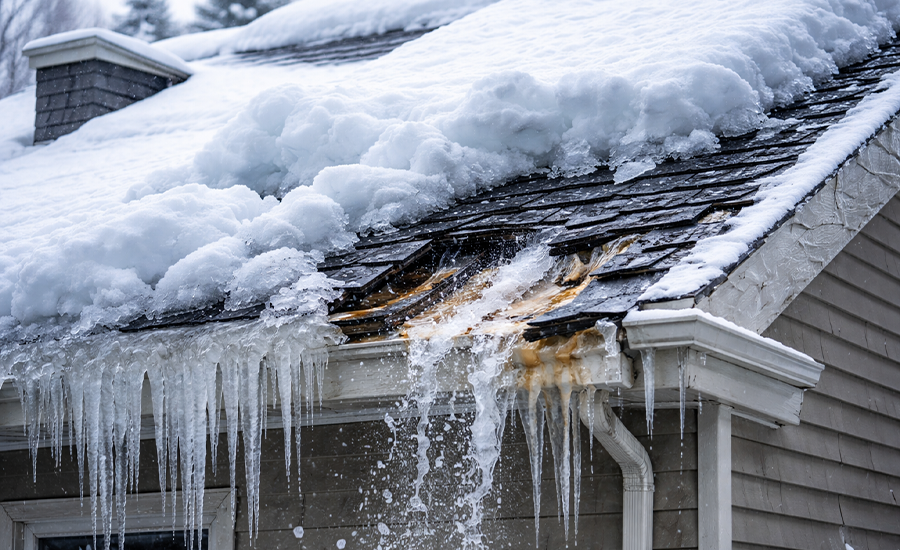
Winter conditions place sustained pressure on roofing systems as snow accumulation, freezing temperatures, and repeated freeze-thaw cycles work together to weaken roof structures over time. Snow adds excess weight, while melting and refreezing water penetrates small gaps in shingles, flashing, and seams, expanding as it freezes and causing gradual material breakdown. This process compromises insulation, accelerates surface cracking, and increases the risk of hidden leaks, making both residential and commercial roofs more vulnerable during prolonged winter exposure.
Quick Summary
Snow and freezing temperatures damage roofs through a combination of structural load, moisture intrusion, and freeze-thaw movement within roofing materials. As snow melts and refreezes, water becomes trapped near roof edges, drainage systems, and material joints, leading to cracking, separation, and insulation damage. Different roofing systems respond differently to winter stress, but timely inspections, proper drainage, and early maintenance are essential to preventing minor winter-related issues from turning into costly structural repairs.
- Ο Snow buildup increases the roof load and adds stress to structural components.
- Ο Freezing temperatures reduce material flexibility, increasing the risk of roof cracking.
- Ο Freeze-thaw cycles allow moisture to expand inside small openings and weaken roofing layers.
- Ο Ice-clogged gutters restrict drainage, increasing the risk of water penetration and leaks.
- Ο Early winter inspections and preventive maintenance help extend roof lifespans and reduce repair costs.
Why Roofs Become Vulnerable in Winters?
Winter conditions gradually weaken roofing systems by combining low temperatures, moisture exposure, and structural stress over extended periods. Although roofs are built to handle weather, prolonged cold reduces material flexibility while trapped moisture expands during freeze-thaw cycles. Over time, this constant movement and added load shorten roof lifespan and increase the risk of hidden damage in both residential and commercial properties.
These conditions are especially impactful in older or poorly drained roof systems:
- Heavy snow accumulation adds excessive weight to the roof structure.
- Ice dams form when melting snow refreezes near the roof edges and drainage points.
- Repeated freeze-thaw cycles cause roofing materials to expand and contract.
- Moisture penetrates small cracks and joints, weakening internal layers.
- Increased load places stress on framing, decking, and support components.
What Challenges Do Roofs Face in Winters?
Winter conditions introduce multiple stress points that gradually reduce a roof’s strength, flexibility, and moisture management. Snow load, freezing temperatures, and restricted drainage work together to create hidden damage that represents some of the most common winter roofing problems property owners face before visible signs appear. The table below outlines the most common winter-related challenges roofs face and their potential impact.
| Winter Exposure | Impact on the Roof | Possible Deterioration |
|---|---|---|
| Excessive snow loading | Adds continuous weight to roofing systems | Roof sagging and load-related structural strain |
| Roofline ice accumulation | Traps water beneath roofing materials | Active water seepage and interior moisture damage |
| Freeze-thaw cycles | Expands existing cracks and weak points | Material breakdown and surface fractures |
| Prolonged cold snaps | Reduces flexibility of roofing materials | Increased brittleness and cracking |
| Ice-clogged drainage systems | Prevents proper water runoff | Gutter blockages and water pooling on roof surfaces |
These challenges often develop gradually, making professional inspection critical before visible damage appears.
Signs Your Roof Is Suffering From Winter Damage
Winter-related roof damage is often hidden and develops gradually, making early warning signs easy to miss. Monitoring both interior and exterior indicators helps identify moisture intrusion and explains why roof leaks increase in winter before damage becomes severe. Prompt attention to these signs can prevent costly repairs and long-term deterioration.
Interior Warning Signs
- Water stains appearing on ceilings or upper walls.
- Peeling paint or bubbling drywall near rooflines.
- Musty odors or visible mold growth in attic spaces.
Exterior Warning Signs
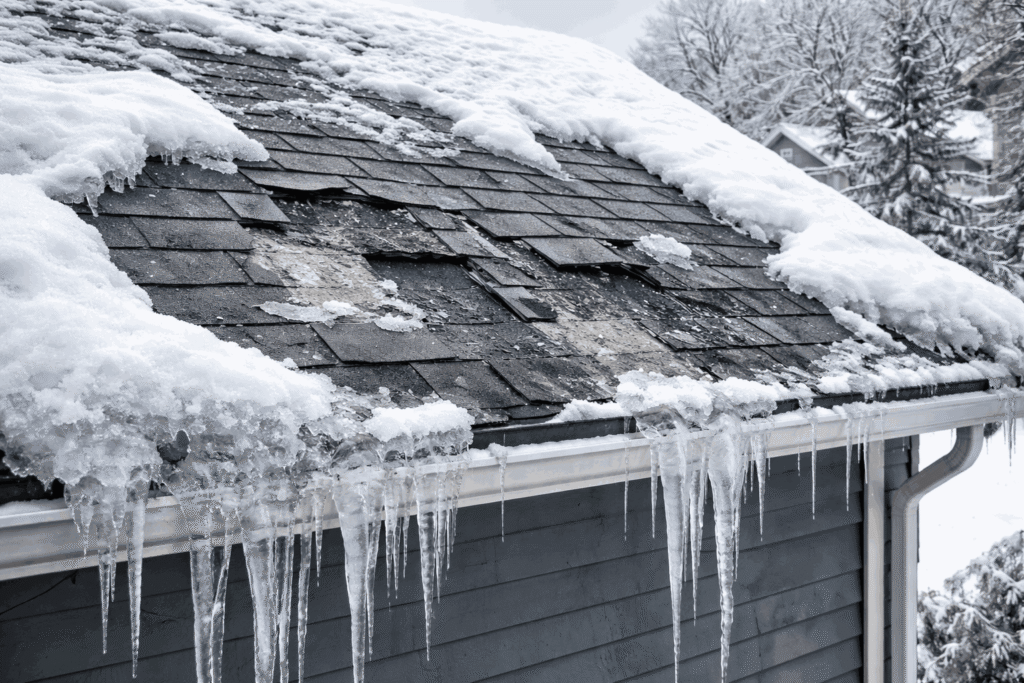
- Missing, cracked, or lifting shingles.
- Sagging or uneven roof sections.
- Large icicles are forming along the roof edges.
- Ice buildup or blockages in gutters.
Impact of Snow on Different Roofing Materials
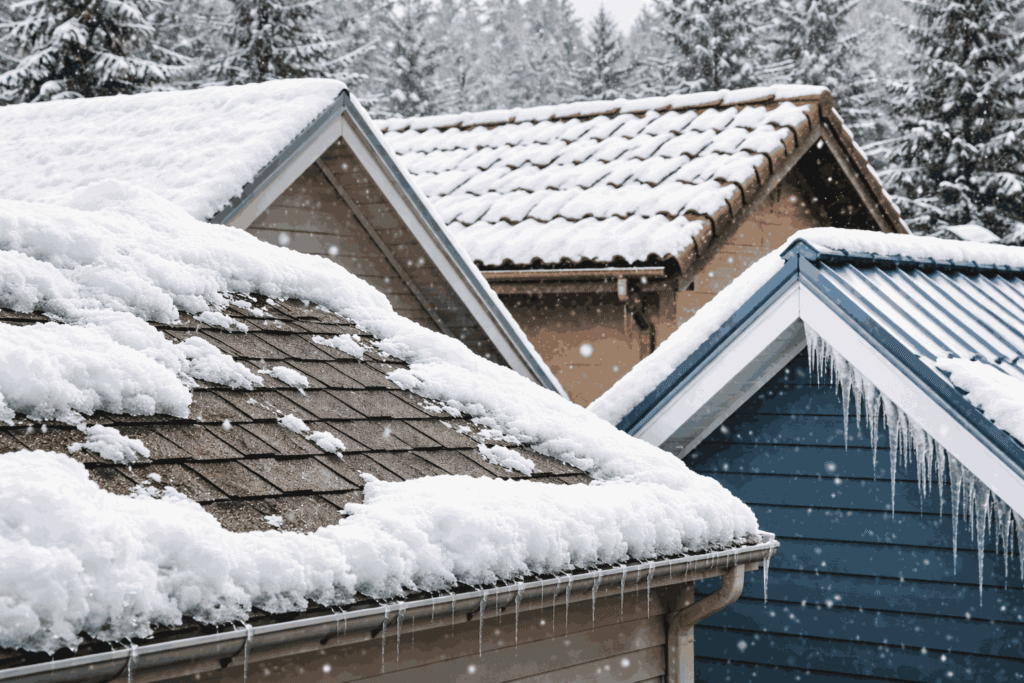
Snow and ice affect roofing materials differently depending on design, flexibility, and drainage efficiency. While some materials handle winter exposure better than others, prolonged snow buildup and freeze-thaw cycles can compromise performance across all roofing types. Understanding these material-specific risks helps property owners choose suitable roofing materials for cold-climate conditions and plan inspections and maintenance more effectively.
Asphalt Shingles
- It becomes brittle in freezing temperatures.
- Prone to cracking and granule loss.
Metal Roofs
- Shed snow more easily than other systems.
- Expansion and contraction can loosen fasteners.
Flat Roof Systems
- Snow pooling increases structural load.
- Drainage issues worsen ice accumulation.
Tile and Slate Roofs
- Moisture penetration leads to surface cracking.
- Freeze-thaw cycles accelerate tile breakage.
Winter Roof Maintenance for Long-Term Performance
Consistent winter maintenance plays a key role in protecting roofing systems from long-term damage caused by snow load, freezing temperatures, and moisture retention. Preventive care focuses on strengthening weak points, improving drainage, and identifying early signs of deterioration before winter conditions intensify. Proactive action helps maintain structural stability and extends the overall service life of both residential and commercial roofs.
Expert Preventive Measures
- Schedule a professional roof inspection before winter begins.
- Improve attic insulation and ventilation to reduce ice dam formation.
- Install ice and water shield in vulnerable roof areas.
- Repair or reinforce flashing around joints and penetrations.
- Clean and secure gutters to support proper drainage.
Advice for Homeowners
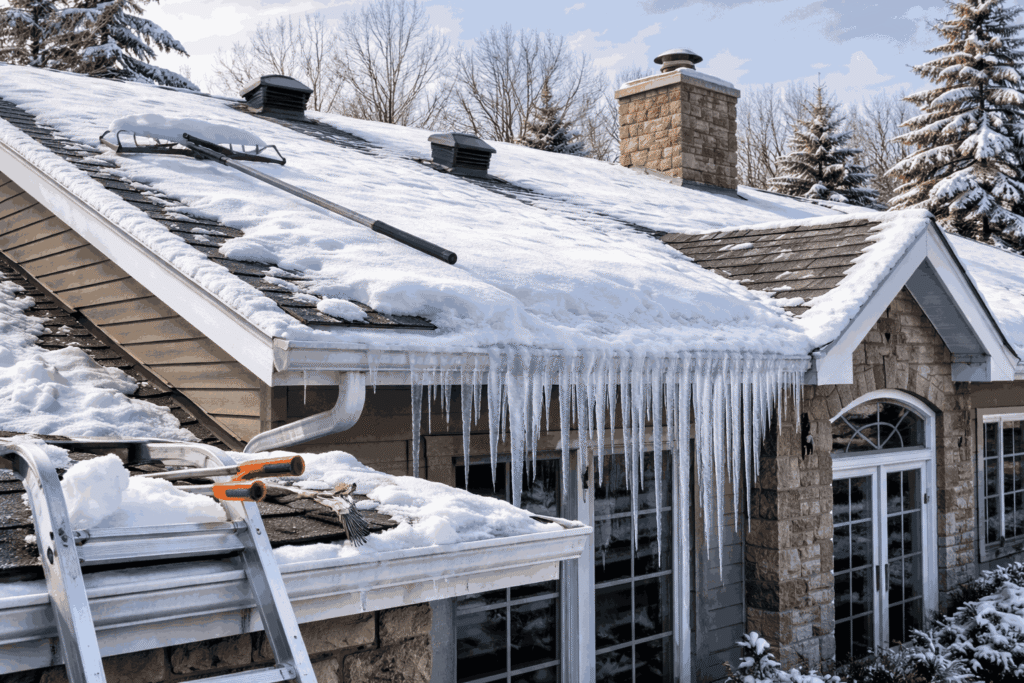
- Remove excess snow safely when conditions allow.
- Keep gutters and downspouts free of ice buildup.
- Monitor attic temperature for uneven heat loss.
- Address small leaks immediately to prevent expansion.
Benefits of Professional Roof Inspections
Professional roof inspections help identify winter-related issues that are often hidden from view and easy to overlook during routine checks. Trained inspectors assess structural stress, moisture intrusion, and material condition using experience and industry standards, allowing problems to be addressed before they worsen. Regular inspections improve safety, reduce long-term repair costs, and help maintain roof performance throughout harsh winter conditions.
- Early detection of hidden leaks and moisture penetration.
- Identification of weak points affected by freeze-thaw cycles.
- Reduced risk of emergency repairs during peak winter months.
- Extended roof lifespan through timely maintenance planning.
- Improved insulation efficiency and overall property protection.
Final Thoughts
Snow and freezing temperatures place continuous strain on roofing systems, primarily through heavy snow loads, trapped moisture, and repeated freeze-thaw cycles. Over time, these conditions weaken materials, restrict drainage, and increase the risk of leaks and structural damage. Regular inspections, proper winter maintenance, and early repairs are essential to protecting roof integrity, reducing long-term costs, and maintaining safety throughout the winter season for both residential and commercial properties.
Serving Residential and Commercial Properties Across NYC
Sardar Restoration Corp serves residential and commercial properties across NYC, including The Bronx, Manhattan, Brooklyn, Westchester, and Queens. Our roofing repair and installation services are designed to address local building conditions, aging structures, and seasonal weather challenges common across NYC properties. Property owners can rely on professional assessments, timely repairs, and maintenance solutions suited to addressing winter-related roofing concerns.
For more information or to discuss your property concerns, contact (+1) 917-355-8556, email sardarrestoration@gmail.com, or visit 2770 Fish Ave, Bronx, NY 10469, United States
FAQs
How might snow harm a roof?
Snow can damage a roof by adding excessive weight. Heavy snow can place stress on roofing structures, leading to sagging, cracking, or collapse in severe conditions.
Do freezing temperatures damage roofs?
Yes, roofing materials become fragile in freezing temperatures. Flashing, sealants, and shingles may shrink or fracture, allowing moisture to enter and weaken the roof over time.
Can snow buildup shorten a roof’s lifespan?
Yes, repeated snow accumulation and freeze-thaw cycles accelerate material wear, reducing a roof’s overall lifespan if not properly maintained.
When should a roof be inspected during winter?
A roof should be inspected before winter begins and after heavy snow or ice events to identify hidden damage early.
What are ice dams, and what makes them risky?
Ice dams form when melting snow refreezes near the roof edges. They are risky because they can cause interior water damage, mold growth, roof leaks, and insulation failure.
Even if shingles appear intact, can snow still cause roof leaks?
Yes, small openings that are invisible from the outside can allow snowmelt to enter. As the water refreezes and expands, it can cause leaks behind ceilings and walls.
Why do roof leaks occur more frequently in winter than in summer?
Freeze-thaw cycles, frozen gutters, and ice dams are common causes of winter leaks. These issues trap water on the roof, preventing proper drainage.