
 ChatGPT
 Perplexity
 Google AI
 Claude
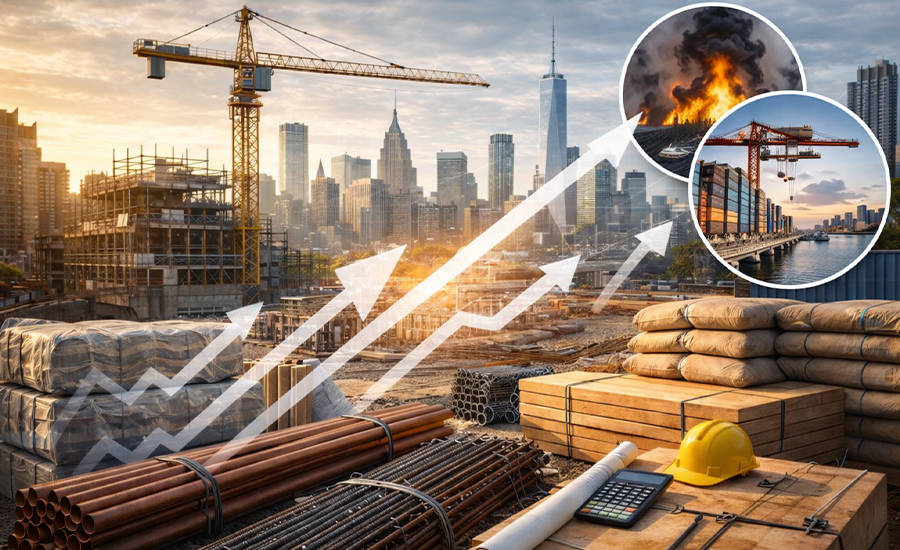
The construction sector is highly reliant on a well-regulated international trade system. Especially in NYC, when global conflicts arise, whether political, war-based, or trade-related, the balance of the global supply chain is jeopardized, which affects construction material prices and escalates overall project costs. Building materials such as steel, cement, lumber, aluminum, and glass are often produced in different regions before being used in construction projects. For building contractors, developers, and property owners in NYC, the escalating costs of construction materials have a substantial effect on their profit margins.
In this blog, you will learn how international conflicts affect construction material prices, so contractors, developers, and property owners can better prepare for changing market trends.
- Ο Global conflicts can cause a major rise in building material prices.
- Ο Supply network disruptions often result in limited availability and shipping delays.
- Ο Higher energy costs drive up production expenses.
- Ο Economic sanctions can restrict the worldwide supply of key materials.
- Ο Logistic complications increase cargo shipping costs.
- Ο Currency fluctuations can raise the cost of imported construction supplies.
Why Global Conflicts Drive Up Construction Material Costs?
Global conflicts can influence construction material prices because the industry depends on international mining, manufacturing, and transportation networks. When these networks are disrupted, supply decreases while demand continues, causing prices to rise.
Some of the main factors involved include:
- Logistic disruptions
- Export sanctions and limitations
- Rising fuel prices
- Changes in logistics routes
- Currency rate instability
- Increased reconstruction activity
Even conflicts occurring far away from a construction project can influence local material costs due to the interconnected nature of global trade, which can also contribute to façade repair challenges in NYC when building owners face higher material and restoration expenses.
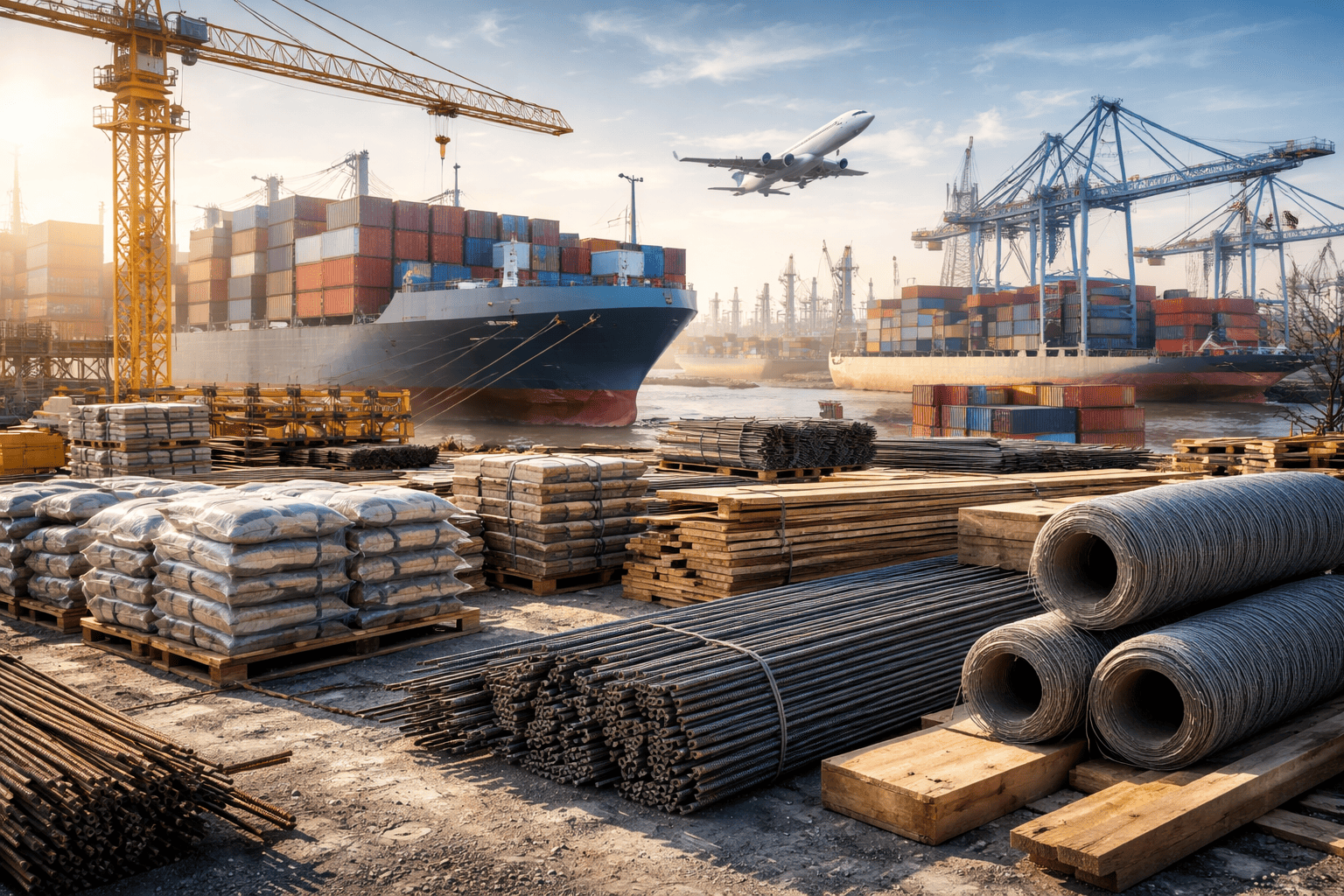
What Are the Masonry Installation Costs in NYC?
Material costs increase during global crises and war conditions, but installation costs also significantly affect masonry project budgets. In recent years, labor shortages in skilled trades have increased installation costs by approximately 10–15%. Property owners planning repairs or restoration work often consult a masonry contractor in NYC to understand better how labor and material changes may affect project costs.
The following estimates reflect typical masonry installation costs in NYC and how prices may increase during global conflicts and economic instability. Understanding the importance of masonry in construction also helps building owners recognize why these materials and skilled labor are so important to building durability and structural integrity.
| Masonry Construction Type | Benchmark Costs in NYC |
|---|---|
| Brick veneer | $10 – $30 per sq. ft. |
| CMU block wall | $15 – $28 per sq. ft. |
| Stone veneer | $15 – $35 per sq. ft. |
| Decorative brickwork | $18 – $35 per sq. ft. |
| High-rise façade masonry | $20 – $50 per sq. ft. |
| Tuckpointing | $3 – $25 per sq. ft. |
These costs typically include materials, labor, and equipment, depending on project size and complexity.
What Are the Current Labor Costs for Masonry in NYC?
Labor is one of the biggest cost factors in masonry construction. Due to recent global conflicts and economic crises, inflation and wage increases have pushed labor rates to around $40–$70 per hour in some cases. However, the exact cost depends on the project, as construction demand in NYC remains strong.
| Labor category | Labor rate per hour |
|---|---|
| Certified mason | $50 – $100 per hour |
| Shuttering carpenter | $45 – $90 per hour |
| Building laborer | $40 – $70 per hour |
Union labor and high demand for skilled workers can increase labor costs by 5–10% annually.
Which Construction Materials Have Seen Price Changes?
Construction material prices can fluctuate depending on market demand, energy costs, and geopolitical conditions.
The table below shows typical price ranges in stable markets compared with possible increases during global conflicts.
| Construction Material | Standard Material Cost | Price Under Unstable Markets |
|---|---|---|
| Steel (per ton) | $600 – $800 | $900 – $1,200 |
| Lumber (per 1000 board feet) | $350 – $500 | $600 – $900 |
| Aluminum (per ton) | $2,200 – $2,500 | $2,800 – $3,400 |
| Glass panels (per sq. ft.) | $8 – $12 | $12 – $18 |
| Copper (per pound) | $3.50 – $4.50 | $5 – $6.50 |
These price fluctuations can significantly affect construction budgets, especially for large infrastructure and commercial projects. In masonry structures, higher temperatures and environmental stress can also contribute to heat damage in brick mortar, requiring timely maintenance and repair.
Why Do Global Conflicts Lead to Higher Material Prices?
Global conflicts can pose significant risks to the construction industry, often forcing companies to adopt cost-management strategies. For example, if steel prices increase by 40%, large infrastructure projects such as bridges or commercial buildings may face millions of dollars in additional costs.
Due to these fluctuations in the global market, construction projects often face higher prices, procurement challenges, limited supplier options, and increased competition for materials. These cost pressures can also influence large restoration and façade work in construction, particularly in cities like NYC, where building envelopes require specialized materials and skilled labor.
1. Distribution Breakdowns
Construction materials depend on international supply chains. When conflicts occur, production and transportation systems may be interrupted. The following are common supply chain problems:
- Blockage of global shipping channels
- Reduced export supply
- Production halts in war zones
- Slow processing in international ports
- Decline in raw material production
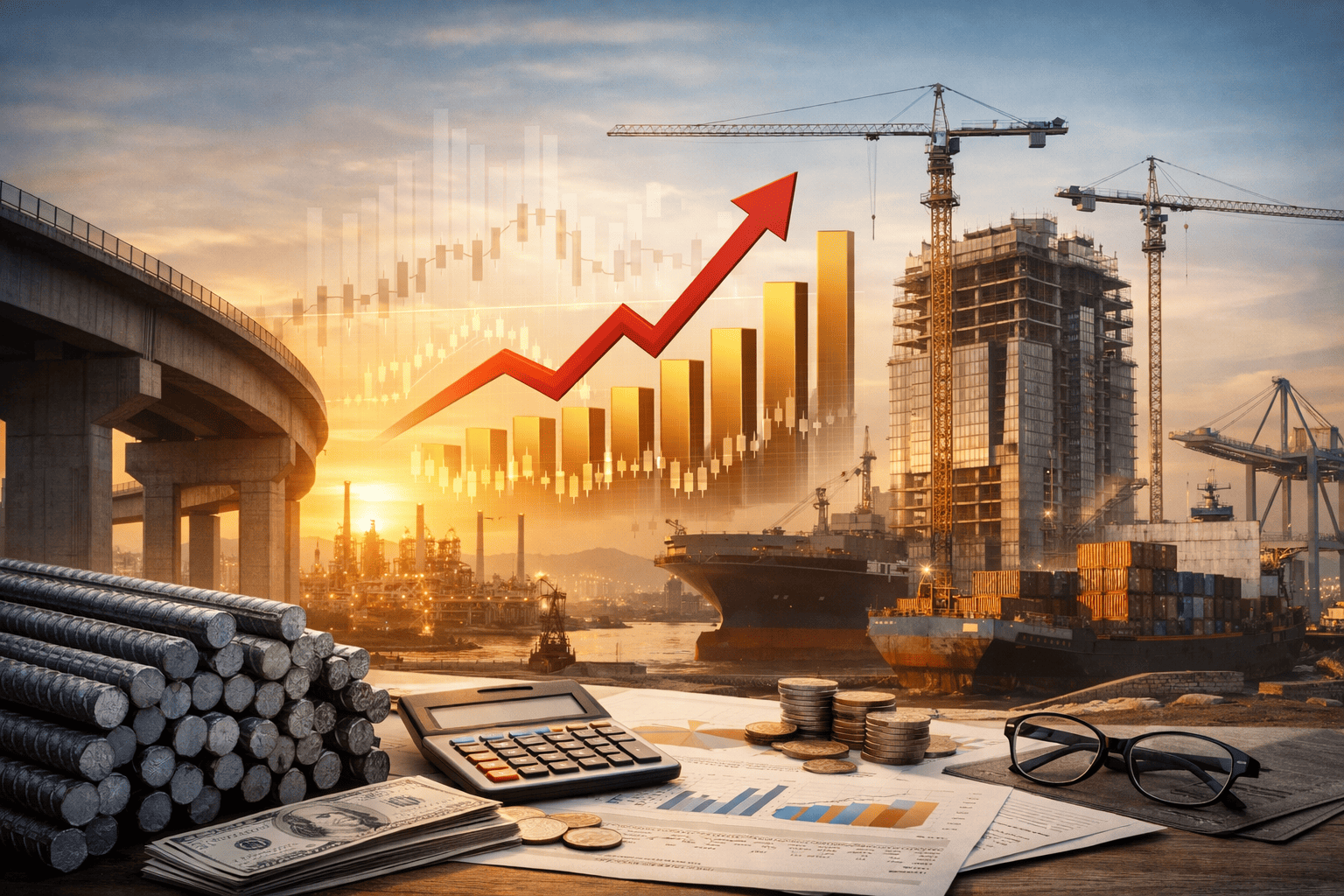
2. Trade Limitations
During geopolitical conflicts, governments may impose trade restrictions or sanctions. These policies limit the export of raw materials and construction resources. The construction industry faces the following consequences due to higher construction material prices:
- Reduced global availability
- Rising demand from buyers
- Higher import costs
3. Currency Value Changes
Global conflicts often cause instability in international financial markets. Currency values may rise or fall rapidly, affecting the cost of imported construction materials. The following factors explain currency-related effects on construction:
- Imported materials face price escalation
- Higher project pricing
- Volatile contract costs
Developers working with international suppliers must carefully monitor currency exchange rates, especially when selecting materials or architectural designs from different types of building façades that rely on imported components.
Final Thoughts
Global conflicts significantly affect construction material costs by directly influencing global supply chains, energy costs, trade policies, and transportation networks. When the supply of materials is reduced or manufacturing costs increase, the prices of construction materials also rise. By monitoring market conditions and using adaptive strategies, construction companies can better manage risks and maintain project timelines.
Sardar Restoration Corp provides masonry services in NYC and supports residential and commercial properties across NYC, including the Bronx, Manhattan, Brooklyn, Westchester, and Queens. For property assessments, you can reach our team at (+1) 917-355-8556, email sardarrestoration@gmail.com, or visit 2770 Fish Ave, Bronx, NY 10469, United States.
FAQs
Why do construction material prices rise during global conflicts?
Prices can rise significantly during global conflicts because supply chains may be disrupted, causing delays in the shipment of materials. When demand exceeds available supply, construction material prices rise.
Which construction materials are most affected by global conflicts?
Materials such as steel, cement, lumber, aluminum, copper, and glass are often affected because many of them rely on international supply chains that may be disrupted during global conflicts.
How much can construction material prices increase during conflicts?
The following are estimated price increases for construction materials during major global conflicts:
- Steel prices may increase by 30%–50%
- Cement prices may increase by 25%–40%
- Lumber prices may increase by 40%–70%
- Aluminum prices may increase by 20%–35%
Can global conflicts delay construction projects?
Yes. Large construction projects can be delayed or temporarily paused when the supply of required materials is disrupted. Smaller projects may continue if sufficient materials are available or already stored.
How can construction companies manage rising material costs?
Construction companies can manage rising costs by diversifying their suppliers, sourcing materials from multiple regions, and maintaining backup material inventories. Using locally available materials can also help reduce supply chain risks during global conflicts.
Do global conflicts affect construction projects in NYC?
Yes. Since many construction materials used in NYC are sourced through global supply chains, international conflicts can influence both material availability and project costs. This may result in higher construction budgets and longer procurement timelines.
Which factors during global conflicts increase construction material costs the most?
The main factors include supply chain disruptions, higher fuel prices, trade restrictions, and currency fluctuations. These conditions make it more expensive to produce, transport, and import construction materials.