 ChatGPT
 Perplexity
 Google AI
 Claude
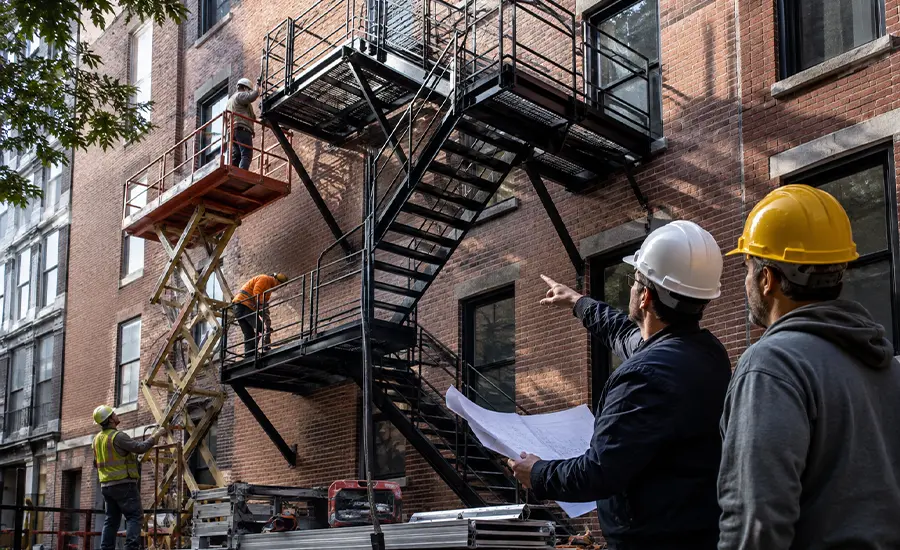
Buildings across New York City are known for their distinctive architecture, from historic early-20th-century properties to modern high-rise structures. Regardless of age or design, every building relies on a strong, well-maintained façade to protect its structural stability and maintain its visual appeal.
Regular façade maintenance becomes even more important during periods of rising construction costs, changing weather patterns, and market uncertainty. Delaying necessary repairs can allow small problems to grow into major structural issues, significantly increasing restoration costs over time.
For this reason, property owners should maintain their building exteriors proactively and comply with inspection guidelines issued by the NYC Department of Buildings, particularly those related to façade safety and Local Law 11 requirements.
- Ο Façade repairs help protect both buildings and pedestrians in dense urban environments.
- Ο NYC regulations require façade inspections every five years for buildings taller than six stories under Local Law 11.
- Ο Typical façade repair projects in NYC can range from $10,000 to over $500,000, depending on the severity of the damage and the building’s size.
- Ο Ignoring façade damage may result in code violations, safety risks, and significantly higher repair costs.
- Ο Timely repairs improve structural safety, regulatory compliance, and long-term property value.
Why Timely Façade Repairs Are Important
Repairing façade issues early helps building owners prevent structural deterioration and maintain property value. Small cracks, loose mortar, or damaged masonry may appear minor at first, but they can quickly develop into larger structural problems if left unaddressed.
Delaying necessary repairs can also become more expensive over time as construction costs and labor rates in New York City continue to rise. Addressing façade damage early helps property owners avoid larger restoration projects and maintain long-term building safety.
Here are some key reasons to repair façades promptly:
1. Prevent structural deterioration
Early repairs stop small cracks and mortar damage from spreading deeper into the building structure. Addressing minor issues early is significantly less expensive than major structural restoration projects.
2. Reduce safety risks
Loose bricks, stones, or façade panels can fall, causing serious injuries to pedestrians. Timely repairs help prevent potential hazards and reduce legal liability for property owners.
3. Avoid large-scale restoration costs
Minor repairs are far less expensive than full structural rehabilitation. If façade damage spreads across multiple areas of the building, restoration costs can increase significantly.
4. Prevent water infiltration
Damaged façades allow rainwater and moisture to penetrate the building envelope. Over time, water infiltration can weaken masonry, corrode structural components, and cause interior damage.
5. Protect property value
A well-maintained exterior improves curb appeal and helps preserve the long-term market value of residential and commercial properties.
6. Maintain compliance with NYC regulations
Buildings in New York must comply with safety requirements such as the Façade Inspection and Safety Program (FISP), also known as Local Law 11, which requires periodic inspections for buildings taller than six stories.
Signs Your Building May Need Façade Repairs
Before structural damage becomes severe, most building façades begin showing early warning signs. Identifying these issues at an early stage allows property owners to address problems before they require extensive restoration work.
Regular observation of exterior walls can reveal several indicators that façade repairs may be necessary.
- Visible cracks in brick or masonry: Small cracks along mortar joints or brick surfaces often indicate that the façade materials are beginning to deteriorate. If left unaddressed, these cracks can expand and allow moisture to penetrate deeper into the wall structure.
- Loose or displaced bricks: Bricks that appear uneven, shifted, or partially detached from the wall may signal weakened mortar joints or underlying structural movement. This condition should be inspected promptly to prevent potential safety hazards.
- Deteriorating mortar joints: Mortar naturally wears down over time due to weather exposure. When mortar begins to crumble, separate from bricks, or develop gaps, the wall may require repointing to restore structural stability.
- Water stains or moisture intrusion: Dark stains on exterior walls, interior damp spots, or peeling paint near brickwork may indicate that water is entering through damaged areas of the façade.
- Falling debris or façade fragments: Small pieces of mortar, brick, or stone falling from the exterior wall are a serious warning sign that sections of the façade may be unstable.
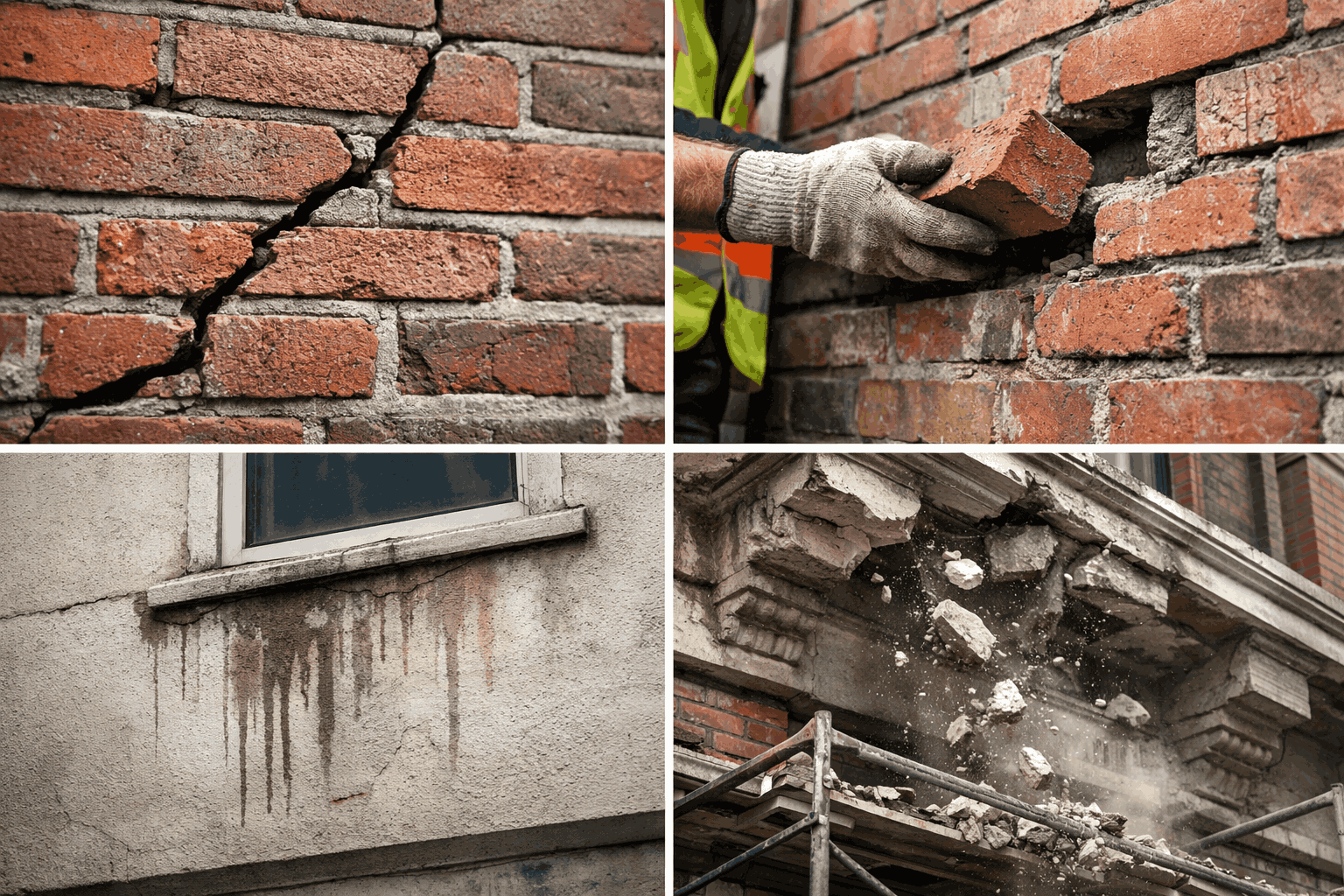
Recognizing these signs early allows building owners to arrange professional inspections and address potential safety concerns before they escalate into larger structural problems.
What Are NYC Façade Laws and Safety Requirements?
In New York City, buildings taller than six stories must comply with the Façade Inspection and Safety Program (FISP), commonly known as Local Law 11. This regulation requires building owners to have their exterior walls inspected by a Qualified Exterior Wall Inspector (QEWI) at least once every five years.
The purpose of this law is to ensure that building façades remain structurally stable and do not pose safety risks to pedestrians, residents, or nearby properties.
If inspectors identify unsafe conditions, property owners must address these issues promptly to maintain compliance and protect public safety.
Failure to follow inspection schedules or repair unsafe façade conditions can result in financial penalties and enforcement actions. Below are some common consequences of non-compliance.
| Compliance Issue | Typical Penalty |
|---|---|
| Overdue inspection report | Approximately $1,000 per month |
| Failure to submit required report | Around $5,000 per year |
| Unaddressed unsafe façade conditions | Additional fines and mandatory repairs |
These regulations help ensure that building exteriors across New York City remain safe, structurally stable, and properly maintained for residents and pedestrians.
What Are the Average Façade Repair Costs in NYC (2025–2026)?
Construction costs in New York City have increased in recent years due to rising labor costs, stricter safety regulations, and the complexity of working in dense urban environments. Because façade projects often involve scaffolding, permits, and specialized inspections, property owners should plan for additional costs.
Many contractors recommend allocating a 15–25% contingency budget to cover unexpected structural issues that may appear during façade restoration work.
Typical façade repair costs in NYC include:
| Repair Classification | Approximate Cost |
|---|---|
| QEWI façade inspection | $3,000 – $8,000 |
| Scaffolding or lift access | $5,000 – $20,000 |
| Minor façade repairs | $10,000 – $100,000+ |
| Major façade restoration | $50,000 – $500,000+ |
Actual costs vary depending on building height, façade material, accessibility, permit requirements, and the severity of structural damage.
Key Factors That Influence Façade Repair Costs in NYC
Façade repair costs can vary significantly from one building to another. While general price ranges provide a useful estimate, the final project cost depends on several practical factors, including the building structure, accessibility, materials, and regulatory requirements.
These elements determine how complex the repair work becomes and how much labor, equipment, and time will be required to complete the restoration project.
Here are some key factors that influence façade repair costs:
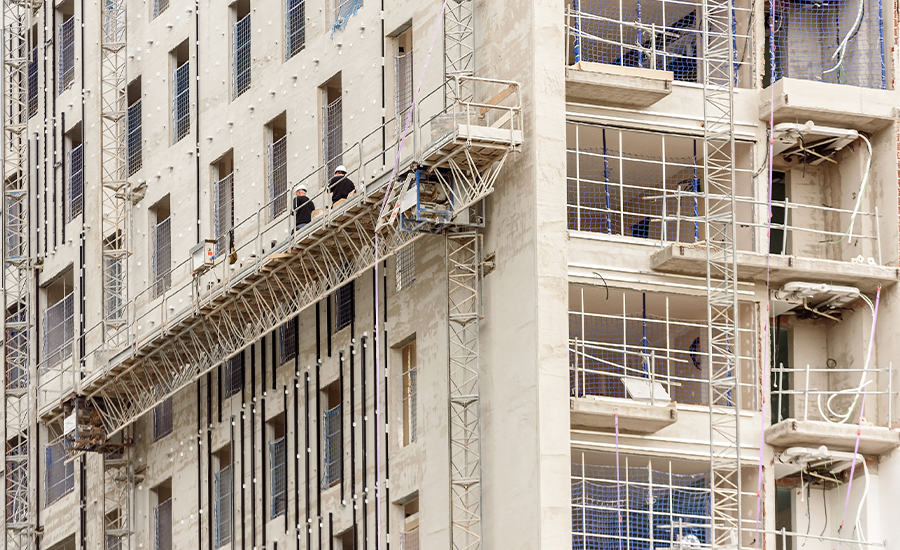
- Building height and accessibility: Taller buildings typically require scaffolding systems, suspended platforms, or specialized lift equipment. Installing and maintaining these safety systems can increase both labor and equipment costs.
- Extent of façade damage: The severity of deterioration plays a major role in determining repair complexity. Minor mortar damage may require limited repairs, while widespread structural deterioration may require larger restoration areas and longer project timelines.
- Façade material type: Different building materials require different repair techniques. Brick, limestone, terracotta, and concrete façades each require specialized restoration methods, which can affect both labor requirements and material costs.
- Permit and regulatory requirements: Façade repairs in New York City must comply with Local Law 11 and other safety regulations. Permit approvals, inspections, and compliance documentation may add administrative costs to the project.
- Environmental exposure: Buildings exposed to heavy rainfall, freeze-thaw cycles, and long-term weather exposure often experience faster material deterioration, which can increase the scope of repair work.
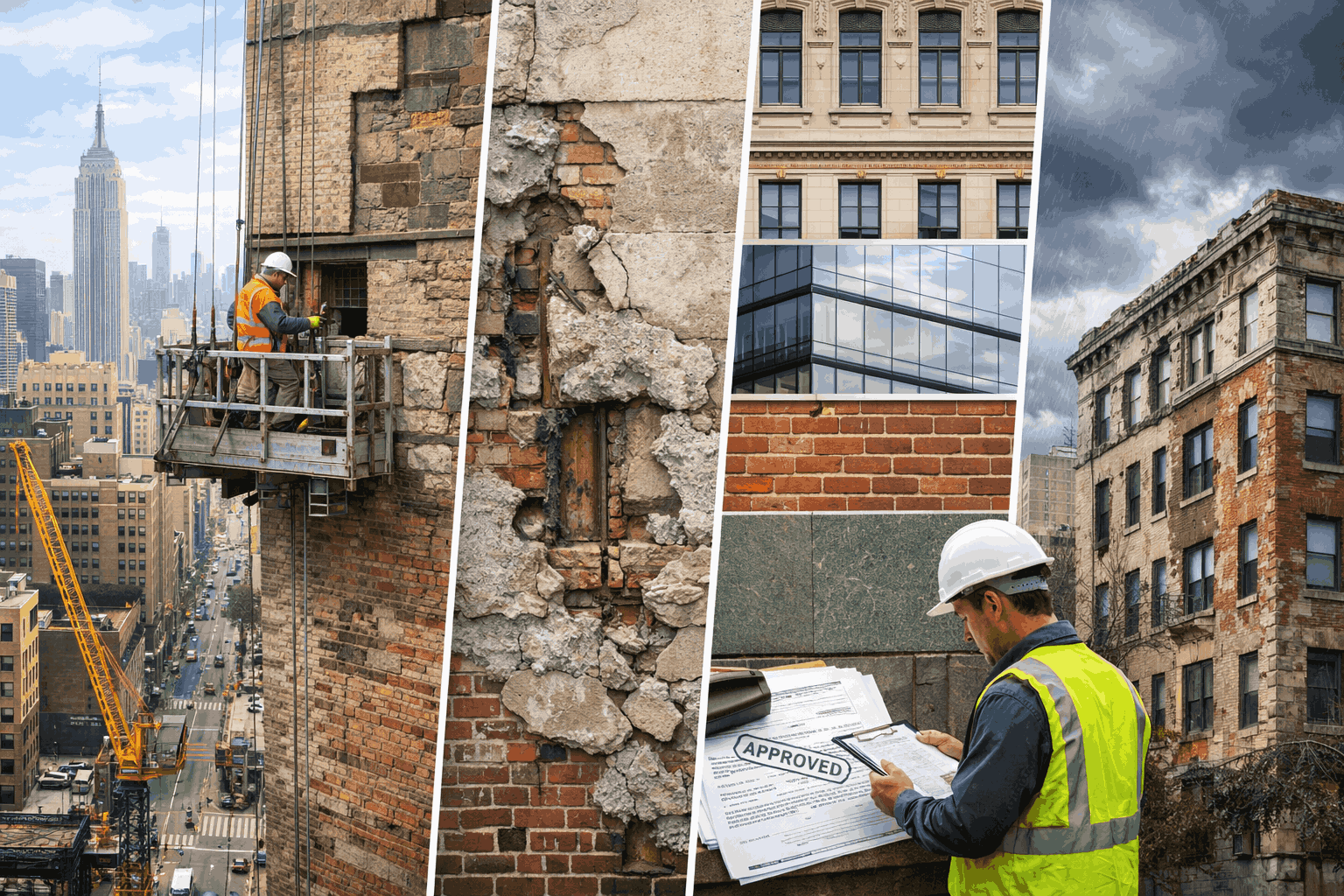
These factors also highlight why addressing façade damage early helps prevent repair projects from becoming significantly more complex and expensive over time.
How Do Timely Façade Repairs Save Money?
Taking proactive steps to repair building façades provides several long-term benefits for property owners and residents. Addressing small structural issues early prevents them from developing into larger problems that require extensive restoration work. Because construction and labor costs in New York City continue to rise, delaying repairs often results in significantly higher future expenses.
Timely façade maintenance offers several financial advantages:
- Extended structural lifespan: Routine repairs help preserve masonry, mortar joints, and other structural materials, allowing the building exterior to last much longer without major reconstruction.
- Cost-efficient maintenance: Fixing minor cracks, loose bricks, or damaged mortar early prevents small issues from spreading into larger sections of the façade.
- Improved safety: Timely repairs eliminate hazards caused by loose bricks, deteriorating masonry, or unstable façade elements that could fall and injure pedestrians.
- Better energy efficiency: Sealed, properly repaired façades help reduce air leakage and improve insulation, lowering heating and cooling costs.
- Enhanced property appearance and value: Clean, well-maintained building exteriors improve curb appeal and help preserve the long-term value of residential and commercial properties.
Regular façade inspections required under NYC Local Law 11 (FISP) also help identify early structural issues, allowing building owners to address problems before they turn into costly restoration projects.
Most Common Façade Repair Solutions
Professional contractors use different repair techniques depending on the type and severity of façade damage. The most appropriate repair method is determined after a detailed inspection of the building exterior and the various façade materials used in construction, as each material may require a specific restoration approach.
In New York City, common façade repair costs may include masonry repointing ranging from $10–$30 per square foot, while larger brick replacement projects can range from $50,000 to $300,000 or more, depending on the size of the affected area. Waterproofing treatments typically range from $1,500 to $5,000, depending on the surface condition and coverage area.
| Repair Technique | Purpose |
|---|---|
| Masonry repointing | Removes deteriorated mortar and replaces it with new mortar to strengthen brick joints |
| Brick section replacement | Replaces damaged or deteriorated bricks within the façade |
| Crack or fracture sealing | Seals cracks to prevent moisture penetration and further structural damage |
| Water-resistant coating | Protects masonry surfaces from rainwater and moisture infiltration |
| Structural strengthening | Reinforces weakened façade components to improve stability |
| Joint caulking | Seals gaps and joints to prevent air and water infiltration |
These repair solutions help restore structural stability, improve weather resistance, and extend the lifespan of the building exterior. In New York City, façade repair projects often involve additional costs due to scaffolding, permits, and strict safety regulations.
Why Hiring Professional Façade Contractors Matters
Façade repair work in New York City involves more than basic construction. Projects often require specialized inspections, safety systems, and compliance with strict building regulations. Understanding what façade work means in building construction also helps property owners recognize why experienced façade contractors are necessary for safe and compliant repairs. Working with skilled professionals helps ensure that repairs are completed correctly and safely.
Key reasons to hire professional façade contractors include:
- Compliance with Local Law 11 requirements: Experienced contractors understand the inspection and repair procedures required under the Façade Inspection and Safety Program (FISP), helping property owners remain compliant with NYC Department of Buildings regulations.
- Accurate structural evaluation: Professionals can identify hidden issues within masonry, mortar joints, and exterior wall systems that may not be obvious during a basic visual inspection.
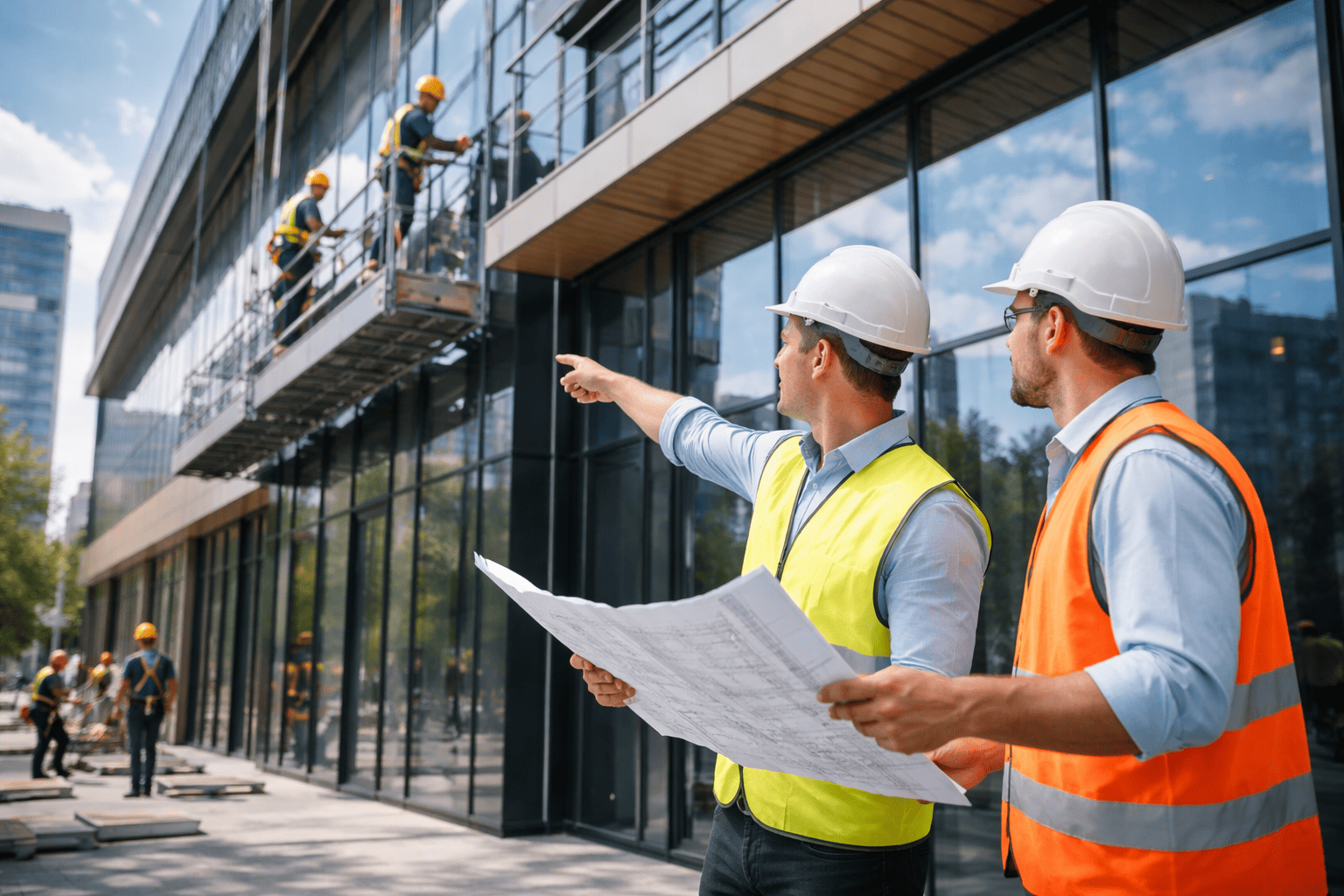
- Proper safety procedures: Façade repair projects often involve scaffolding, sidewalk sheds, and protective systems to safeguard workers and pedestrians in busy urban environments.
- Correct repair techniques and materials: Different façade materials require specialized repair methods. Skilled contractors use appropriate materials and techniques to restore structural stability and durability.
Hiring qualified façade contractors helps ensure repairs meet regulatory standards while protecting the long-term safety and performance of the building exterior.
The Bottom Line
Building façades play a critical role in protecting structures from weather exposure, moisture infiltration, and long-term structural deterioration. Maintaining exterior walls through timely inspections and repairs helps ensure that buildings remain safe, structurally stable, and compliant with NYC safety regulations.
Addressing façade damage early can prevent small issues from developing into large restoration projects, helping property owners control maintenance costs while preserving the appearance and value of their properties.
Sardar Restoration Corp supports residential and commercial properties across NYC, including the Bronx, Manhattan, Brooklyn, Westchester, and Queens. For professional façade inspections and repair assessments, you can contact our team at (+1) 917-355-8556, email sardarrestoration@gmail.com, or visit 2770 Fish Ave, Bronx, NY 10469, United States.
FAQs
Why are façade repairs important for buildings in New York City?
Façade repairs help maintain the structural stability and safety of buildings. Timely repairs prevent small issues such as cracks, loose masonry, or water infiltration from developing into larger structural problems.
How often should building façades be inspected?
Under New York City’s Façade Inspection and Safety Program (FISP), also known as Local Law 11, buildings taller than six stories must have their exterior walls inspected by a qualified inspector at least once every five years.
What are the common signs that a façade needs repairs?
Common signs include visible cracks in masonry, loose or displaced bricks, deteriorating mortar joints, water stains, and falling debris from exterior walls.
What causes façade damage in urban buildings?
Façade damage is often caused by long-term exposure to the weather, moisture infiltration, ageing building materials, and insufficient maintenance. In colder climates, repeated freeze-thaw cycles that damage cornices can gradually weaken masonry, mortar joints, and other exterior components.
What types of repairs are typically performed on building façades?
Typical façade repair work may include masonry repointing, brick replacement, crack sealing, waterproofing treatments, joint caulking, and structural reinforcement, depending on the condition of the exterior wall.
How long do façade repair projects usually take in NYC?
The duration of a façade repair project depends on the size of the building, the extent of damage, and accessibility requirements. Smaller repair projects may take a few days, while larger restoration work involving scaffolding and structural repairs can take several weeks.
Can delaying façade repairs lead to higher costs?
Yes. Delaying façade repairs often allows minor damage to spread across larger sections of the building exterior. Addressing issues early usually reduces repair complexity and helps prevent more expensive restoration projects.