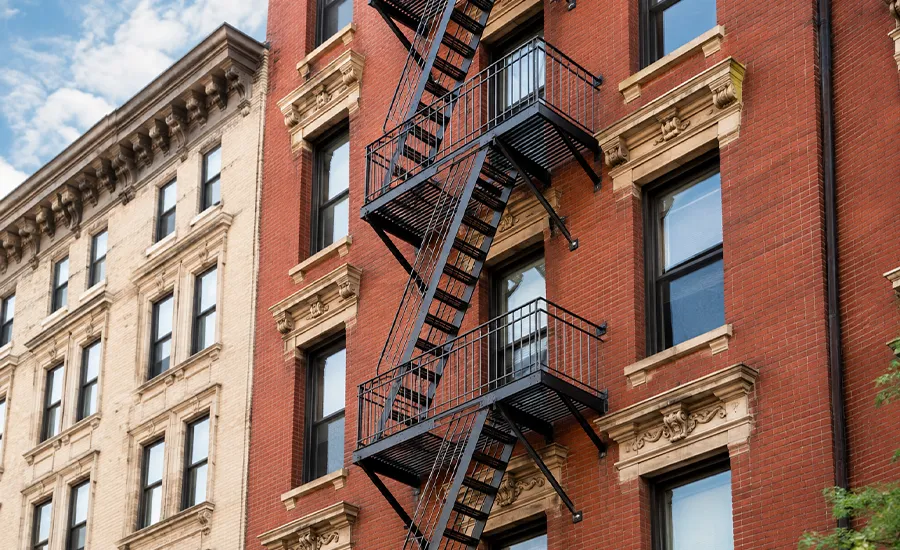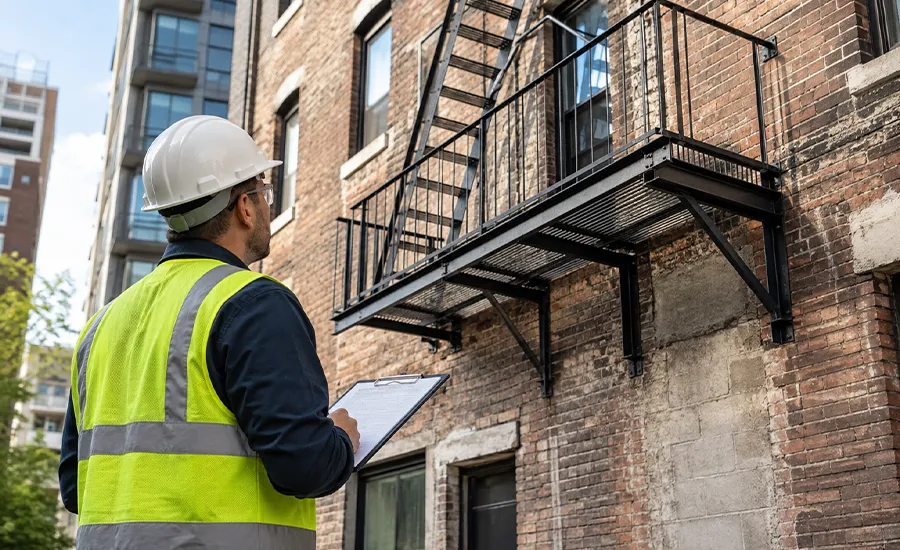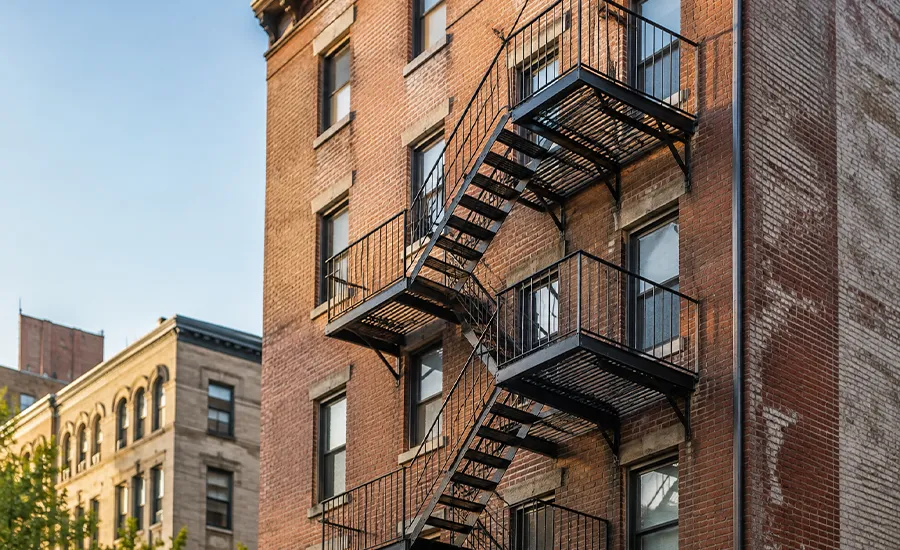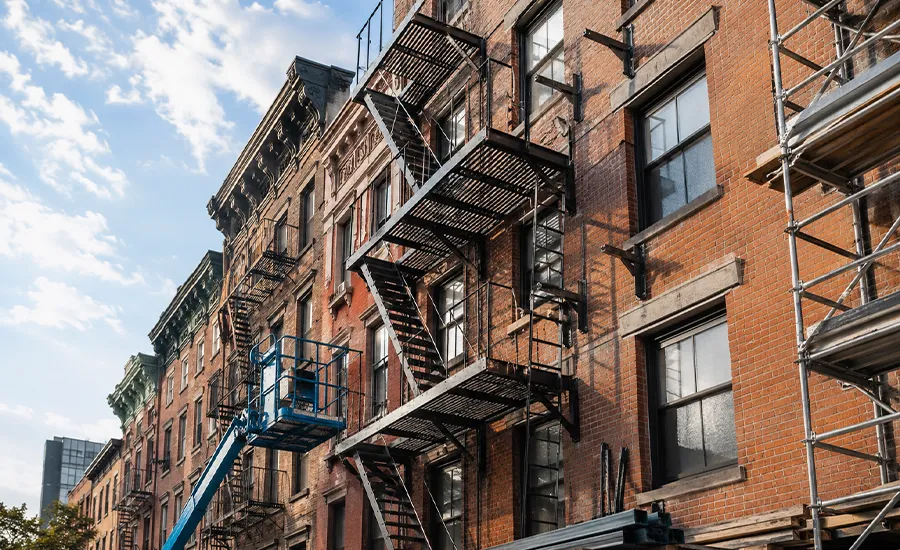

 ChatGPT
 Perplexity
 Google AI
 Claude
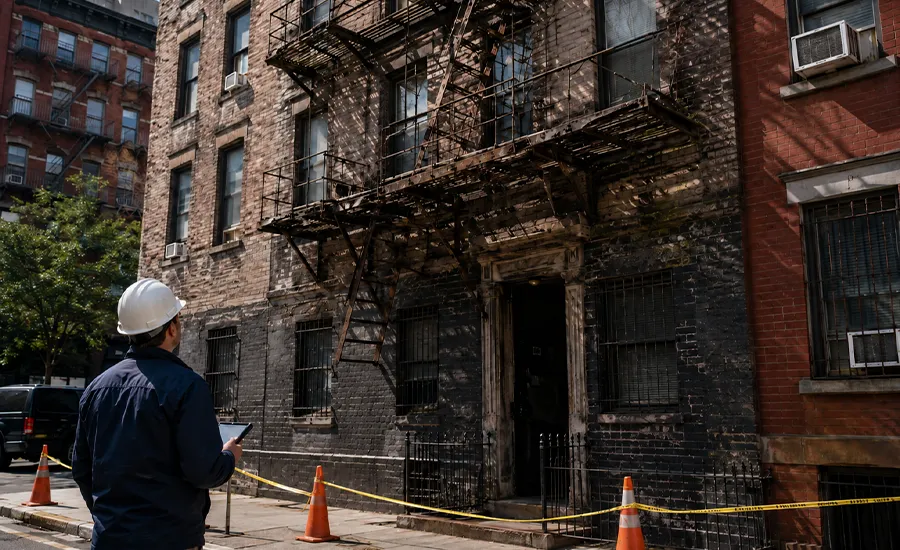
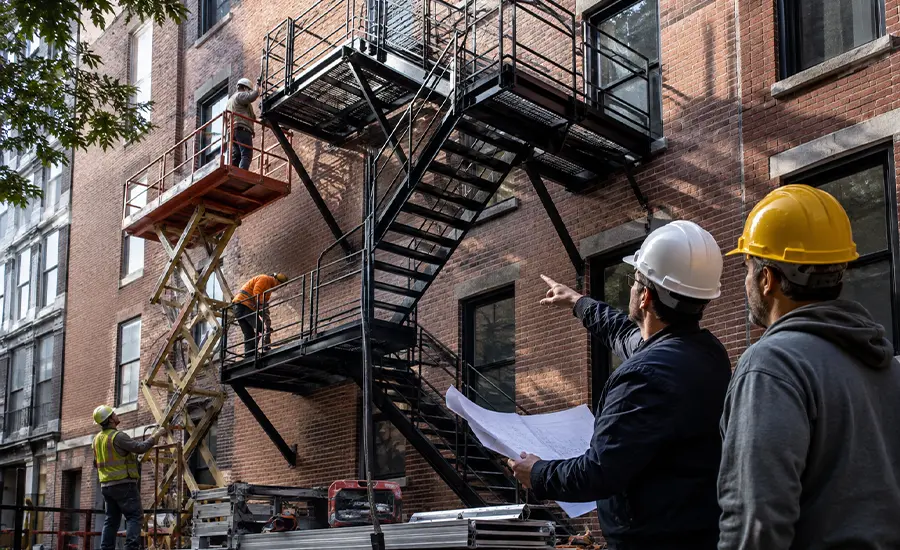
Fire escapes are life-safety structures found on many older NYC buildings. When a fire escape is part of a building’s emergency exit system, it must remain safe, accessible, functional, and structurally sound. If it becomes unsafe, blocked, deteriorated, or non-compliant, the issue can create serious consequences for property owners, landlords, tenants, and building managers.
A fire escape violation can lead to official notices, fines, repair orders, re-inspections, tenant complaints, legal exposure, insurance concerns, and higher repair costs. In many cases, violations begin with smaller issues such as rust, loose railings, blocked access, damaged stairs, failed coatings, or ignored maintenance.
This blog explains what can happen when a fire escape violates NYC building codes, why early correction matters, and how property owners can reduce safety, financial, and compliance risks.
- Ο NYC fire escapes must remain safe, accessible, functional, and code-compliant.
- Ο Violations can lead to official notices, fines, repair orders, and re-inspections.
- Ο Damaged fire escapes can increase liability, insurance, and tenant safety risks.
- Ο Deferred maintenance often turns minor defects into expensive corrective work.
- Ο Tenant complaints can trigger inspections and additional enforcement pressure.
- Ο Routine inspections and timely repairs help reduce violation risks.
Why Fire Escape Code Compliance Is Non-Negotiable in NYC
A fire escape is only reliable when occupants can use it safely during an emergency. If stairs, platforms, railings, ladders, brackets, or access points are damaged, blocked, unstable, or heavily rusted, the system may no longer perform as intended.
Property owners should understand how violations fit within NYC fire escape types, installation, laws, and safety, especially when an older exterior escape system is still part of the building’s emergency plan. For a broader legal overview, NYC fire escape laws, codes, and compliance explain how inspections, maintenance, code duties, and owner responsibilities connect.
Common reasons fire escapes become non-compliant include:
- Serious metal corrosion
- Compromised stairway structures
- Missing or loose load-bearing fasteners
- Damaged or unreliable handrails
- Progressive framework deterioration
- Blocked emergency exits
- Unpermitted structural changes
- Missing protective components
- Neglected maintenance
- Ignored structural defects
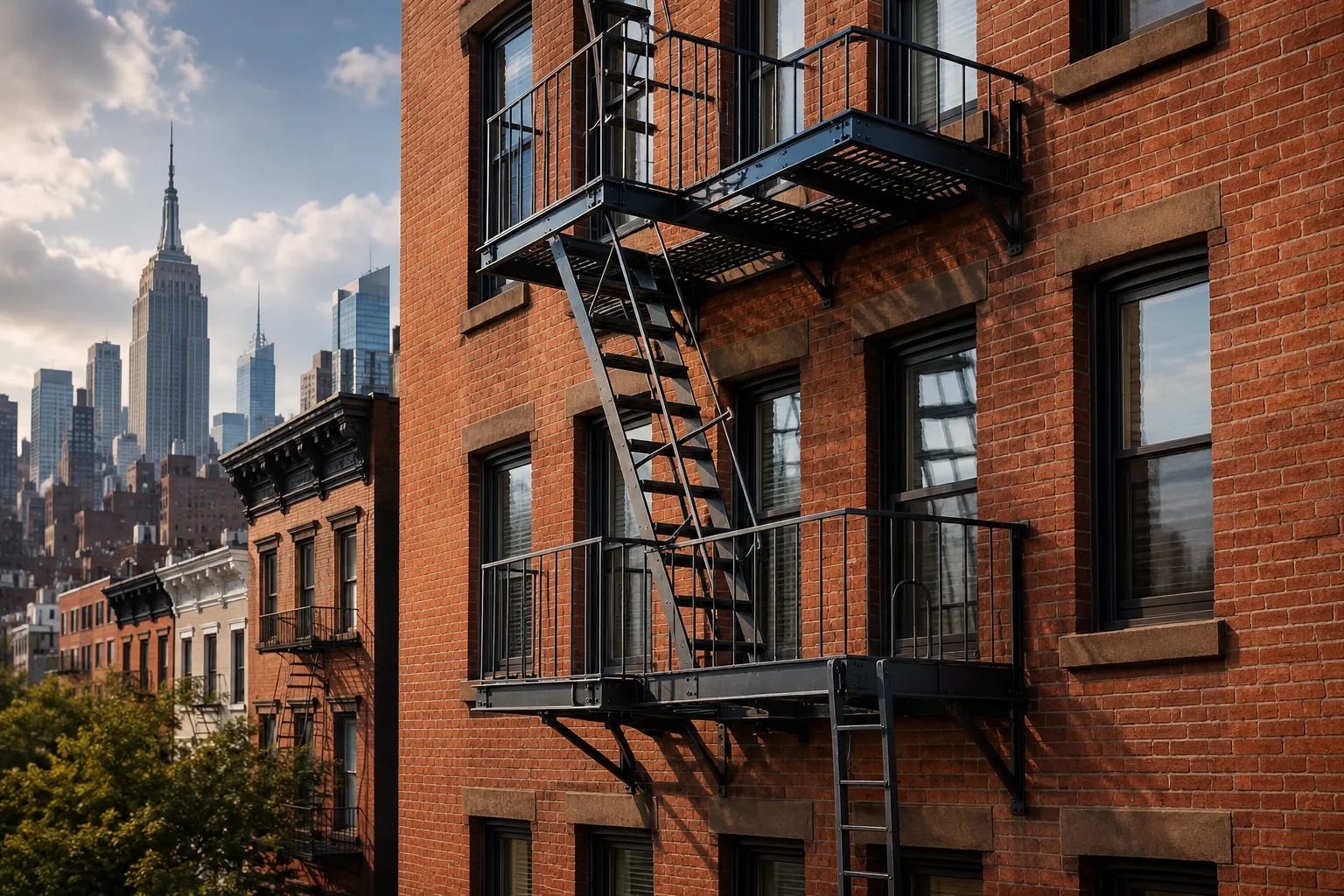
Property owners should also review NYC fire escape code requirements, because code problems often become more serious when visible defects are ignored. If the proposed work involves removing, replacing, or changing part of the structure, owners should understand whether they can remove or alter a fire escape in NYC before starting any exterior modification.
When these conditions exist, the fire escape may fail to meet safety expectations and create a risk for occupants, owners, and the property itself.
Consequences of Fire Escape Code Violations in NYC
Fire escape violations can affect more than one part of a building’s operation. They can create safety risks, trigger regulatory action, increase repair costs, affect insurance, and reduce confidence among tenants, buyers, and property managers.
The following are the most common consequences when a fire escape violates NYC building codes.
1. The Building May Receive an Official Violation Notice
One of the first consequences is receiving an official notice or correction requirement after unsafe fire escape conditions are identified. This may happen during an inspection, after a tenant complaint, or when visible defects are reported.
What may happen:
- Inspectors identify unsafe conditions.
- The issue is documented.
- The owner receives notice of required corrections.
- A correction deadline may be set.
- Re-inspection may be required.
Common causes may include visible structural damage, severe corrosion, hazardous stairs, missing railings, blocked egress, or unsafe platforms. Owners should also understand what makes a fire escape non-compliant in NYC, because many violations start with conditions that were visible before formal enforcement began.
Ignoring a notice can lead to additional enforcement pressure, higher repair costs, and more complicated correction work.
2. Property Owners May Face Fines and Higher Repair Costs
Failure to maintain a code-compliant fire escape can result in financial penalties and rising repair costs. A small rust issue, loose bolt, or damaged railing can become more expensive when it is left unresolved.
Potential financial consequences include:
- First-time enforcement fines
- Escalated non-compliance penalties
- Recurring violation fees
- Regulatory processing costs
- Higher repair costs from postponed maintenance
- Added costs for emergency corrective work
Early correction often costs less than delayed restoration. A timely fire escape inspection in NYC can help identify structural concerns, rust, loose connections, and access problems before they become larger violations. When damage is already visible, fire escape repair in NYC can help correct unsafe conditions before they spread.
| Proactive Fire Escape Upkeep | Postponed Fire Escape Maintenance |
|---|---|
| Lower fire escape repair costs | Higher restoration and correction expenses |
| Reduced metal deterioration | Long-term rust, decay, and structural weakening |
| Fewer compliance penalties | Increased violation and re-inspection risk |
| Easier code correction process | More complicated structural repair work |
3. Fire Escape Violations Can Increase Legal Liability
A non-compliant fire escape can create greater legal exposure for property owners, especially if someone is injured because of a known unsafe condition. If defects were ignored, delayed, or poorly repaired, liability concerns may become more serious.
Negligence risks may include:
- Injuries to building occupants
- Public safety incidents
- Emergency exit failures
- Structural failures
- Accidents from falling debris
- Claims connected to ignored tenant complaints
If harm occurs, property owners may face personal injury claims, negligence allegations, legal defense costs, settlement expenses, or court judgments. Owners should understand who is responsible for fire escape violations in NYC, because responsibility may depend on ownership, management duties, maintenance history, and whether unsafe conditions were addressed on time.
Maintaining code compliance can help reduce these risks and show that the owner took fire escape safety seriously.
4. Tenant Complaints Can Trigger Inspections and Enforcement
Tenants often report fire escape issues when they notice visible damage, blocked access, or unsafe conditions. In NYC, tenant complaints can lead to inspections, documentation, follow-up action, and additional enforcement if the issue is not corrected.
Typical tenant complaints may involve:
- Rusted stairs
- Missing handrails
- Unstable platforms
- Blocked exits
- Broken ladders
- Loose or damaged components
- Unsafe access from windows or doors
Tenant complaints are often connected to the difference between fire escape safety issues and code violations. A condition may begin as a visible safety concern, but if it remains unresolved, it can become a documented compliance issue.
Keeping fire escapes in good condition helps protect tenants and supports better confidence between owners, managers, and occupants.
5. Insurance Policy Issues May Become More Complicated
Insurance companies generally expect building owners to maintain safe properties. If a fire escape has open violations, visible deterioration, or a history of ignored maintenance, it may create concerns during underwriting, claims review, or post-incident investigation.
Potential insurance-related issues may include:
- Increased premiums
- Additional inspections
- Policy concerns
- Claim disputes
- Greater underwriting scrutiny
- Questions about deferred maintenance
For landlords, NYC landlord fire escape maintenance responsibilities matter because insurance concerns often become worse when an unsafe condition was preventable. A planned fire escape maintenance in NYC schedule can help reduce deterioration, document upkeep, and keep the system safer over time.
6. Fire Escape Failures Can Increase Emergency Safety Risks
The most serious consequence of a fire escape violation is occupant safety. If the fire escape fails during an emergency, residents may face unsafe evacuation conditions when every second matters.
Potential emergency hazards include:
- Stair collapse
- Platform failure
- Broken railings
- Unsafe landings
- Blocked escape routes
- Failed ladders
- Loose or unsecured structural parts
| Fire Escape Violation Issue | Emergency Safety Risk |
|---|---|
| Corroded fire escape stairs | Reduced structural strength during evacuation |
| Missing or loose railings | Higher fall risk for occupants |
| Rusted framework components | Unstable platforms, ladders, or supports |
| Blocked entry points | Delayed emergency exit and access |
| Unsecured structural parts | Injury risk during emergency use |
If an older system has cracked welds, loose brackets, or failed connections, fire escape welding in NYC may be needed as part of corrective work. When the damage is more widespread, fire escape restoration in NYC may help restore safer function and extend the usable life of the system.
7. Fire Escape Violations Can Reduce Property Value
Outstanding fire escape violations can affect a building’s reputation, marketability, tenant confidence, and transaction process. Buyers, lenders, insurers, and property managers may view unresolved violations as a warning sign of deferred maintenance.
Possible property-related outcomes include:
- Reduced buyer confidence
- Delayed property transactions
- Lower perceived property value
- Increased due diligence concerns
- Difficulty attracting tenants
- Higher negotiation pressure during the sale or refinance
Code compliance can support better long-term asset preservation. If a fire escape is worn but still serviceable, fire escape refurbishment in NYC may help improve its condition without unnecessary replacement. If the system is too deteriorated or no longer suitable, property owners may need to consider whether fire escape installation in NYC is part of a larger approved life-safety plan.
How to Stay Ahead of Fire Escape Violations in NYC
Avoiding violations is usually easier and more cost-effective than correcting them after enforcement begins. Property owners should treat fire escape care as part of routine building safety, not as an emergency reaction.
A proactive plan may include:
- Carrying out routine structural assessments
- Treating rust and metal decay early
- Restoring compromised sections quickly
- Keeping emergency routes free from obstructions
- Scheduling professional inspections
- Applying protective coatings when needed
- Documenting inspection, repair, and maintenance activity
- Acting quickly on tenant complaints
- Checking for seasonal damage
Property owners should also review fire escape requirements for NYC buildings to understand what safe access, structure, and maintenance expectations may involve. If exterior coatings are failing, fire escape painting in NYC can help protect exposed metal from moisture and corrosion.
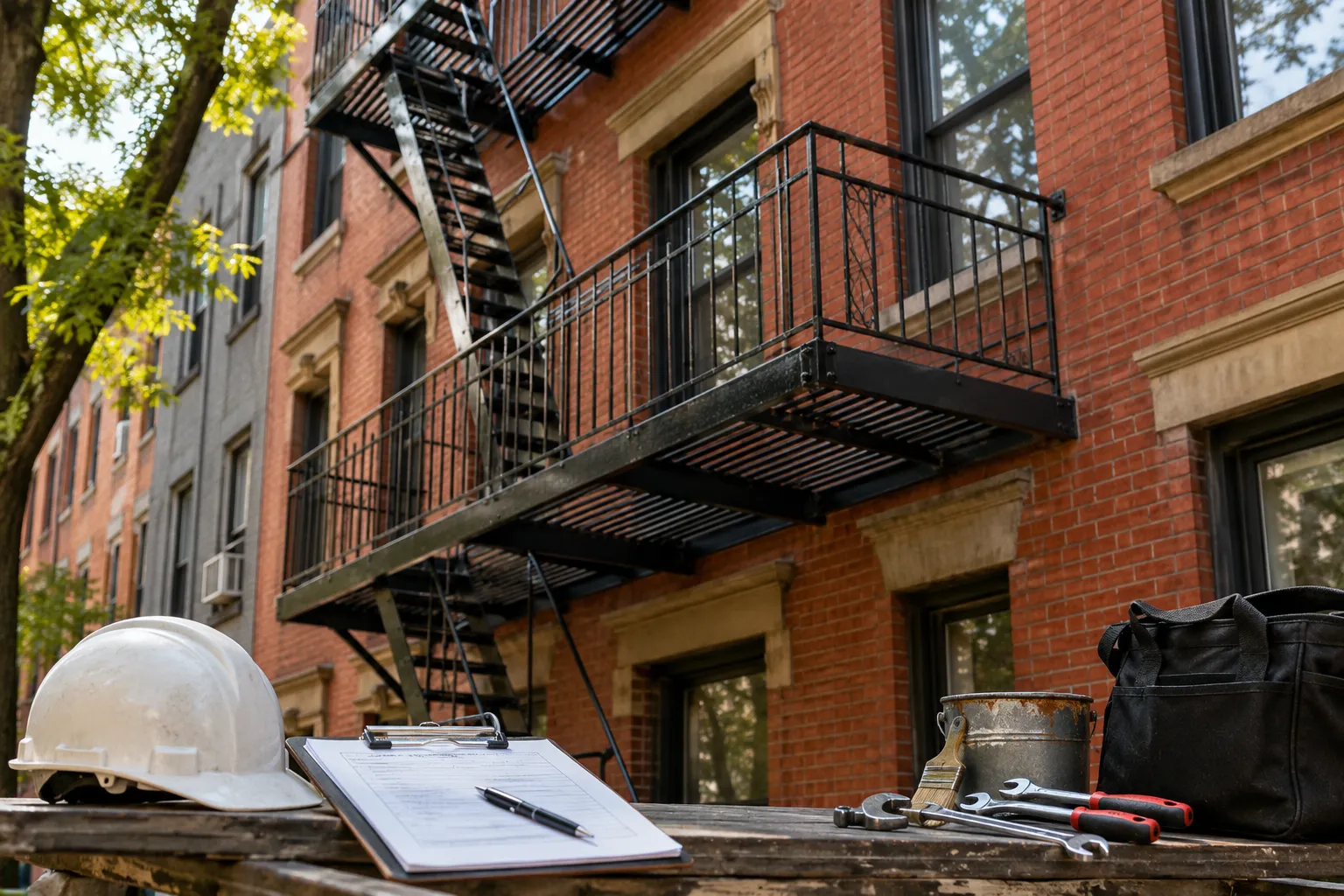
Older fire escapes can also be affected by winter weather, snow, ice, and freeze-thaw cycles. The guide on why ignoring fire escape maintenance during NYC winters costs more explains how seasonal conditions can turn small issues into larger repair and compliance problems.
Final Thoughts
Fire escape violations can create structural, legal, financial, insurance, and safety challenges for NYC property owners. Beyond fines, non-compliance can expose owners to tenant complaints, repair orders, legal disputes, reduced property value, and serious emergency risks.
Sardar Restoration Corp supports residential, commercial, mixed-use, and historic properties across NYC, including the Bronx, Manhattan, Brooklyn, Queens, Westchester, and nearby areas. If your building has rust, damaged stairs, loose railings, blocked access, cracked welds, failed coatings, or violation-related concerns, a trusted fire escape contractor in NYC can help inspect the system and recommend the right corrective work.
Contact Sardar Restoration Corp today at (+1) 917-355-8556 or sardarrestoration@gmail.com, or visit us at 2770 Fish Ave, Bronx, NY 10469, United States.
FAQs
Who is responsible for maintaining a fire escape in NYC?
The property owner is usually responsible for keeping the fire escape safe, functional, accessible, and properly maintained when it is part of the building’s emergency exit system.
Can a landlord be fined for a non-compliant fire escape?
Yes. A landlord or property owner may receive violation notices, fines, correction requirements, and additional enforcement pressure if a fire escape remains unsafe or non-compliant.
Can tenants report an unsafe fire escape?
Yes. Tenants can report visible fire escape concerns such as rust, blocked exits, unstable platforms, missing railings, or unsafe stairs. These complaints may lead to inspections or correction requirements.
What happens if a fire escape fails during an emergency?
A failed fire escape can reduce evacuation options, create life-safety risks, delay emergency exit, and expose property owners to legal and financial consequences.
Are fire escapes required on every NYC building?
No. Requirements can depend on building age, layout, height, use, and approved exit systems. Older properties should review whether fire escapes are required on NYC buildings before assuming an existing exterior escape can be ignored or removed.
What is a fire escape violation?
A fire escape violation is usually a documented safety or compliance issue involving unsafe access, structural deterioration, blocked egress, missing components, or poor maintenance. Understanding what a fire escape is helps explain why these systems must stay clear, usable, and safe during emergencies.
Can a fire escape violation affect building insurance?
Yes. Open violations, poor maintenance records, or unsafe conditions may raise concerns for insurers and can complicate claims, underwriting, or policy review.
Can fire escape violations delay property sales or refinancing?
Yes. Open violations and visible fire escape defects can create due diligence concerns, delay closings, affect buyer confidence, and increase repair negotiations.
What should owners do after receiving a fire escape violation?
Owners should arrange a professional inspection, document the condition, review correction requirements, keep access clear, and complete the needed repair, restoration, welding, painting, or maintenance work promptly.