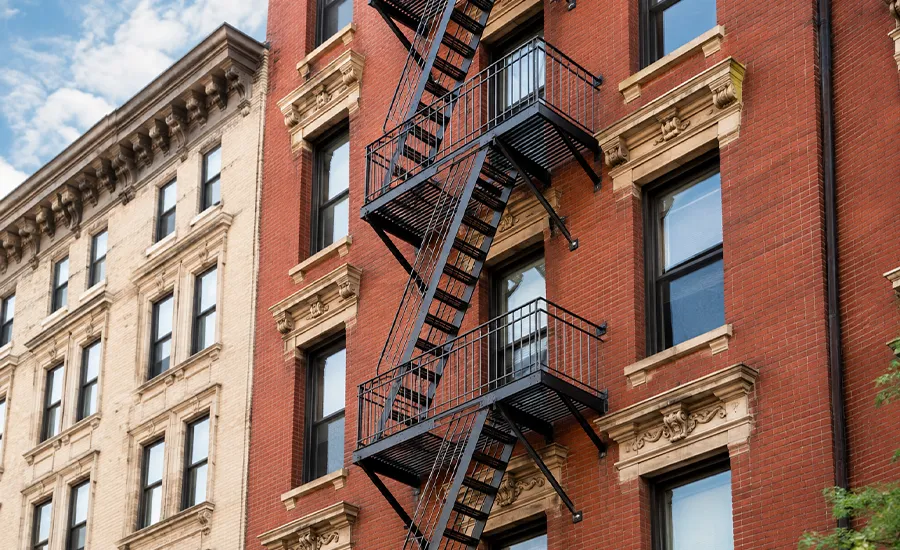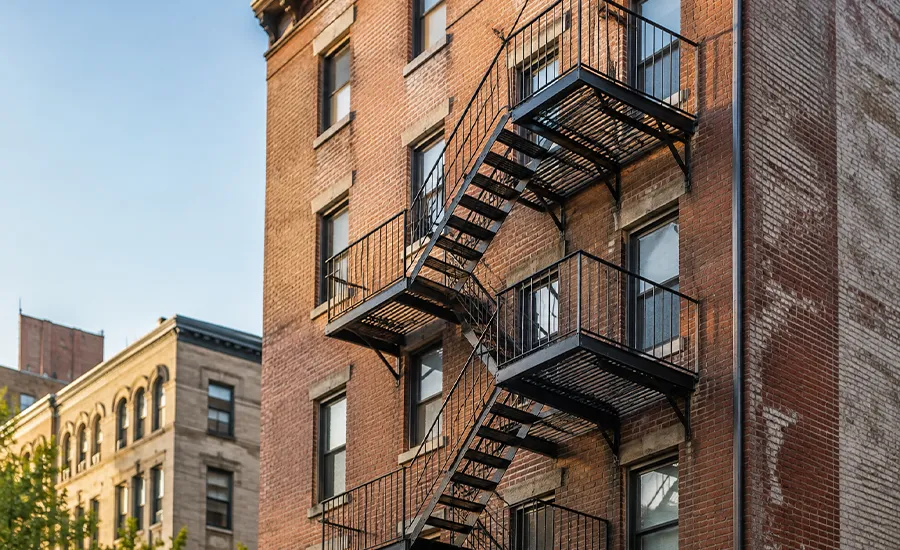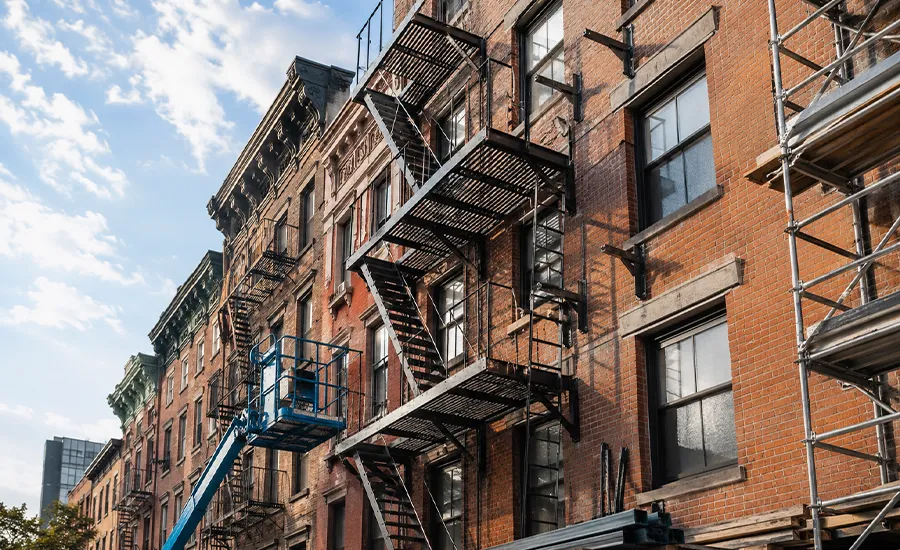

 ChatGPT
 Perplexity
 Google AI
 Claude
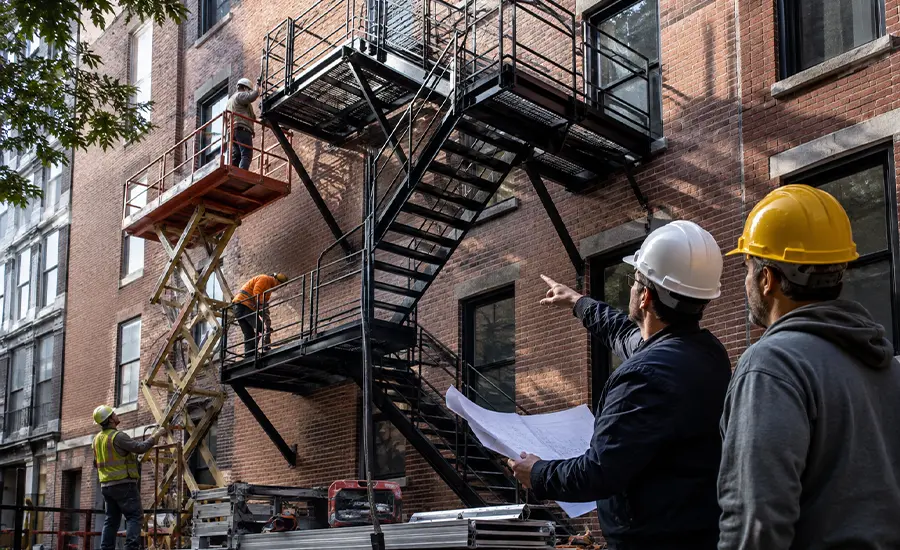
Landlords cannot install a fire escape on a residential, mixed-use, or commercial building and then ignore it. If a fire escape is part of the building’s emergency exit system, it must be kept safe, accessible, functional, and properly maintained.
For NYC landlords and property owners, fire escape maintenance is a life-safety responsibility. Rust, loose railings, damaged stairs, blocked access, or weakened connections should be addressed before they create safety risks, tenant complaints, violations, or costly repairs.
This blog explains what landlords should know about fire escape maintenance in NYC, including inspection needs, legal responsibilities, tenant safety concerns, weather-related deterioration, and practical upkeep steps.
- Ο NYC landlords are responsible for maintaining fire escapes on their buildings.
- Ο Poor maintenance can lead to safety risks, violations, repair costs, and liability concerns.
- Ο Tenants are not responsible for structural fire escape maintenance or code compliance.
- Ο Fire escapes must remain clear, accessible, stable, and ready for emergency use.
- Ο Weather exposure in NYC can speed up rust, coating failure, and metal deterioration.
- Ο Regular inspections and timely repairs help prevent small issues from becoming serious.
Why Fire Escape Maintenance Matters for NYC Landlords
Fire escapes are emergency systems, which means they must be ready before they are needed. A poorly maintained fire escape can become unsafe, blocked, unstable, or difficult to use during a fire, smoke event, or other emergency.
For landlords who need the basic definition before reviewing maintenance duties, understanding what a fire escape is can help explain why this exterior system must stay clear, safe, and ready for emergency use.
Neglected maintenance can lead to:
- Weak stairs, platforms, or railings
- Slippery or damaged walking surfaces
- Rusted metal components
- Obstructed emergency access
- Loose bolts, brackets, or anchors
- Higher risk of injury during evacuation
Failure to maintain a fire escape is not only a building maintenance concern. If someone is injured because of a neglected fire escape, the landlord or responsible property owner may face complaints, corrective action, legal claims, or financial liability.
How Often Should NYC Landlords Inspect Fire Escapes?
Fire escapes should be checked regularly as part of a property’s maintenance routine. While inspection needs can vary by building age, condition, occupancy, weather exposure, and visible damage, landlords should not wait until a complaint or violation appears before reviewing the fire escape.
Property owners who manage older buildings should understand how fire escape care fits within NYC fire escape types, installation, laws, and safety. For a wider legal and compliance view, NYC fire escape laws, codes, and compliance explain how inspections, maintenance duties, violations, and owner responsibility connect.
Inspections typically focus on:
- Load-bearing structural integrity
- Structural soundness of connections and joints
- Surface damage and corrosion levels
- Stair, railing, and platform condition
- Usability of emergency routes
- Blocked windows, ladders, or access points
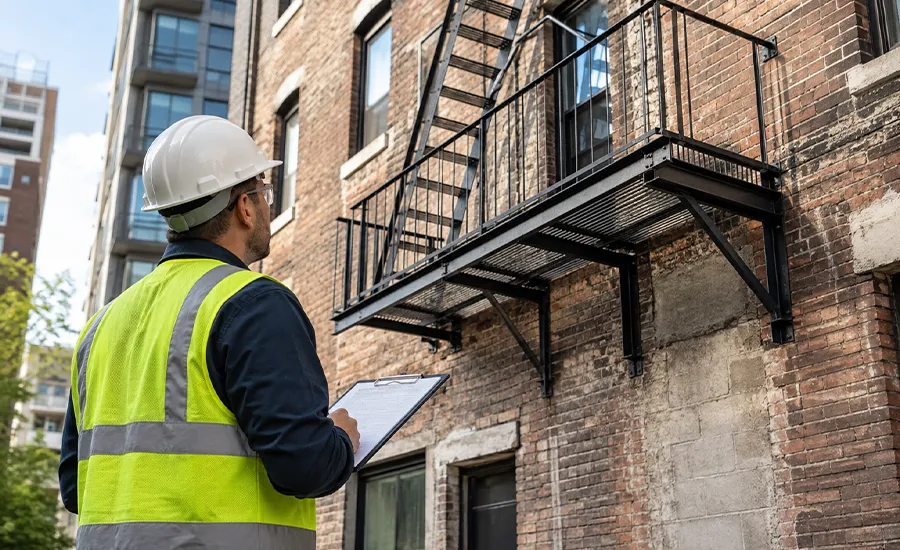
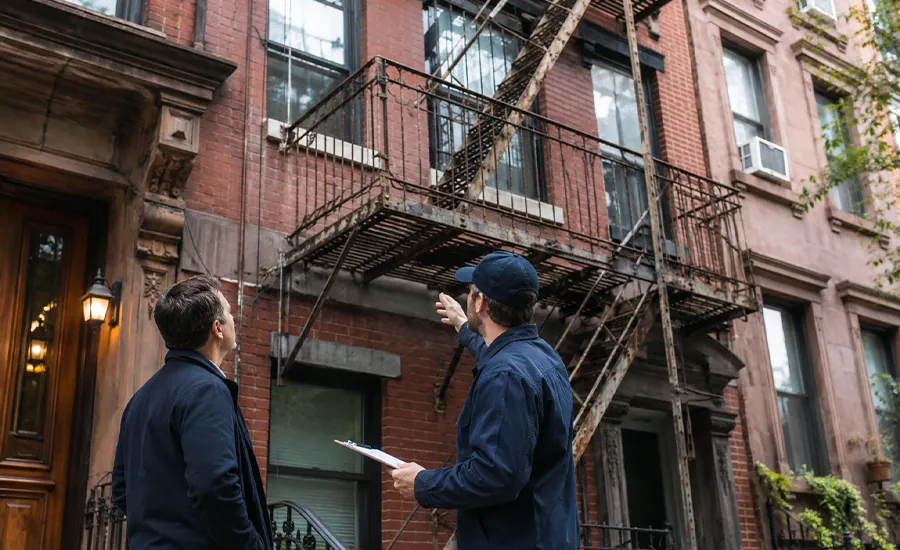
A professional fire escape inspection in NYC can help landlords identify rust, loose components, unstable railings, damaged platforms, and access issues before they become more serious. Landlords should also understand fire escape requirements for NYC buildings, because maintenance responsibility depends on keeping the existing system safe, accessible, and usable.
Consequences of Ignoring Fire Escape Maintenance in NYC
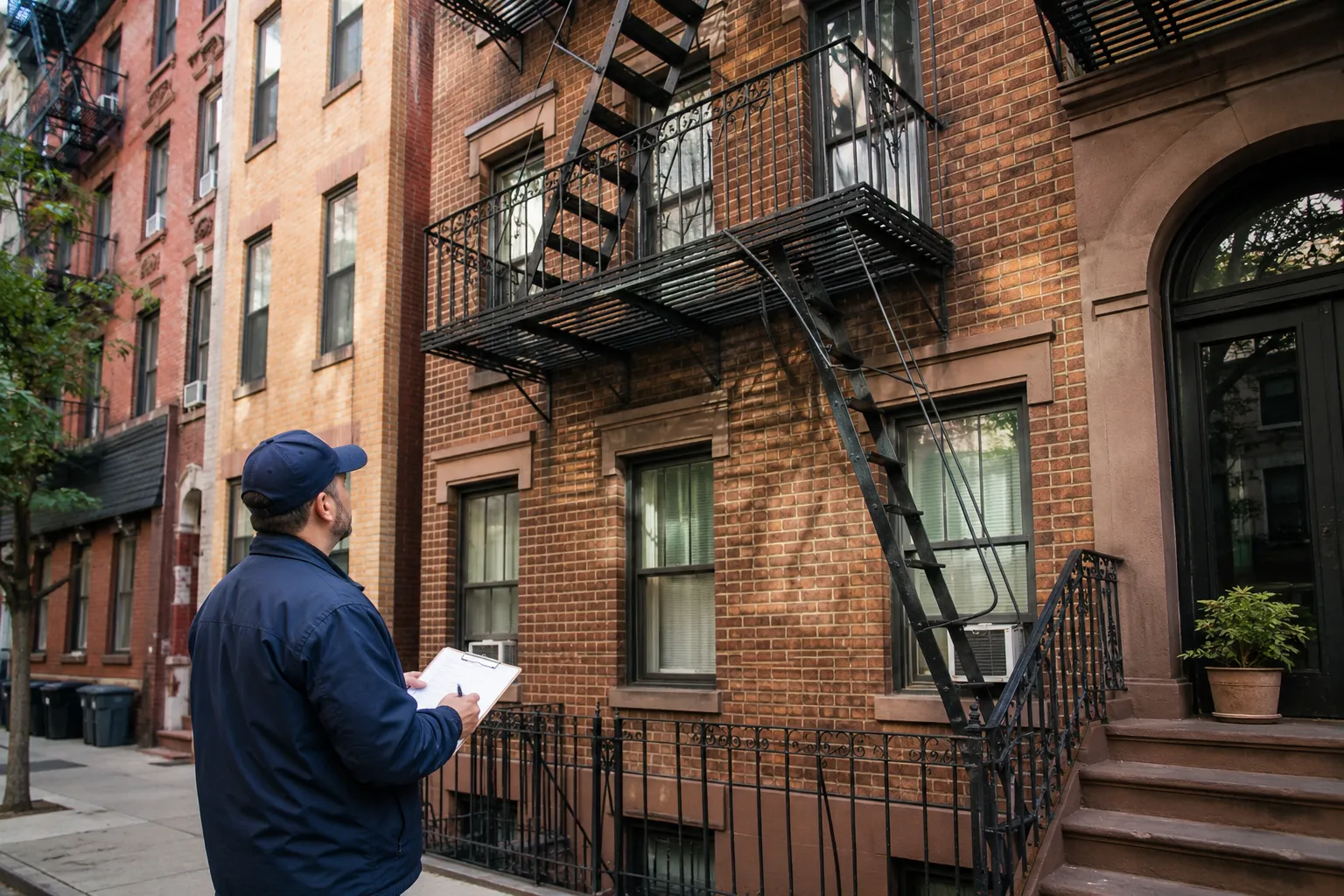
Ignoring fire escape maintenance can create serious consequences for both tenants and landlords. In a dense city like New York, a neglected exterior escape system can quickly become a safety, repair, and compliance concern.
When a fire escape becomes unsafe or unusable, landlords may face enforcement action, repair demands, legal exposure, and higher long-term costs.
1. Enforcement Actions and Violation Notices
Property owners may receive violation notices, fines, or corrective requirements when unsafe fire escape conditions are identified. Landlords should understand what makes a fire escape non-compliant in NYC, because rust, blocked access, missing parts, and unsafe connections often begin as maintenance issues.
2. Legal Accountability for Tenant Harm
If a tenant, occupant, or visitor is injured because of a defective fire escape, the landlord may face legal and financial claims. Responsibility can depend on ownership, management duties, lease terms, and the nature of the defect, so owners should understand who is responsible for fire escape violations in NYC before delaying corrective work.
3. Life Safety Risks During Emergencies
A failed fire escape during an emergency can create life-threatening conditions. Blocked exits, unstable platforms, loose railings, or inoperable ladders can prevent occupants from using the system safely.
4. Costly Fire Escape Repair Bills
Minor problems can become expensive when they are ignored. Loose bolts, peeling coatings, small rust spots, or cracked welds can develop into larger structural concerns.
When visible defects appear, timely fire escape repair in NYC can help correct unsafe conditions before they spread. If brackets, welds, or metal joints are weakened, fire escape welding in NYC may be needed to restore safer support.
Fire Escape Obligations Under NYC Law
Fire escapes may be part of a building’s required means of egress, especially on older properties that still rely on exterior emergency exits. When that is the case, landlords must keep the system usable, safe, and available for emergency access.
Landlords should understand NYC fire escape code requirements for property owners, because code-related responsibilities often involve access, structure, inspections, maintenance, repairs, and documentation.
Fire escape obligations generally include:
- Keeping the fire escape operational for emergency use
- Maintaining clear access from approved openings
- Correcting unsafe conditions promptly
- Preventing storage or obstruction on platforms and stairs
- Addressing rust, loose connections, and damaged components
- Keeping records of inspections and repairs where appropriate
A landlord should also review whether fire escapes are required on NYC buildings before treating an existing exterior escape as unused or optional. If a fire escape remains part of the building’s approved exit system, it should not be ignored, removed, blocked, or altered without proper review.
What Are the Safety Rights of NYC Tenants?
Tenants in NYC have a right to live in a safe and properly maintained building. If a fire escape shows visible damage, blocked access, severe rust, loose railings, or unsafe platforms, tenants may report the issue to the landlord, managing agent, or appropriate city authority.
Tenant safety concerns may involve:
- Blocked fire escape windows
- Stored items on platforms
- Loose or missing railings
- Rusted stairs or landings
- Inoperable ladders
- Unsafe access routes
Tenants should not be responsible for structural fire escape maintenance. However, they should not block, store items on, or misuse the fire escape. Landlords should also understand the difference between fire escape safety issues and code violations, because a tenant complaint may point to an unsafe condition before it becomes a formal violation.
How Environment Degrades Fire Escapes in NYC
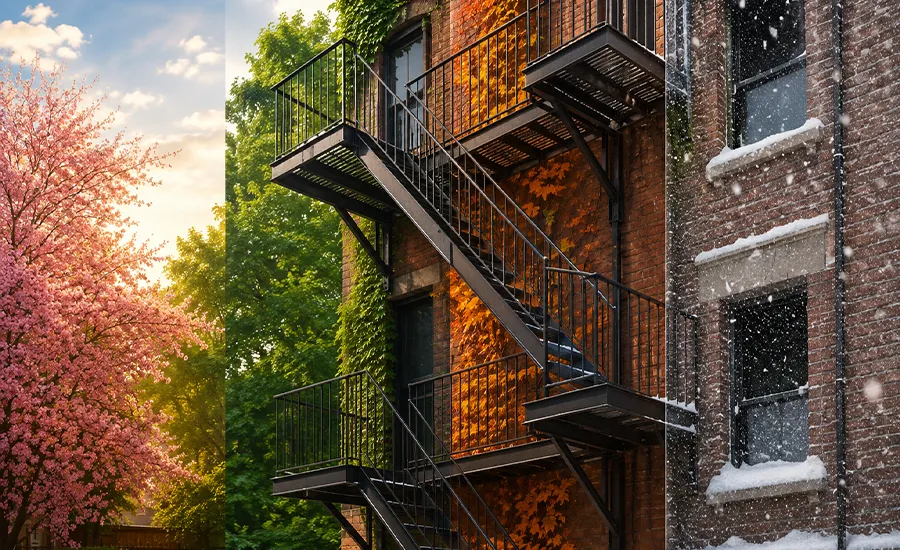
NYC weather can affect exterior fire escapes throughout the year. Rain, snow, humidity, freeze-thaw cycles, pollution, and seasonal temperature changes can all contribute to rust, coating failure, loose connections, and structural wear.
Landlords should schedule inspections after severe weather events, visible damage, tenant complaints, or signs of deterioration. For older residential buildings, winter fire escape inspections for NYC landlords can help identify ice-related access concerns, coating damage, rust, and loose components before conditions worsen.
| Environmental Exposure | Fire Escape Maintenance Risk |
|---|---|
| Heavy rain | Speeds up metal corrosion |
| Snow and ice | Adds weight and creates access hazards |
| Humid weather | Encourages rust and coating failure |
| Freeze-thaw cycles | Stresses joints, brackets, and masonry contact points |
| Seasonal temperature changes | Can loosen older connections over time |
Property owners should also understand why ignoring fire escape maintenance during NYC winters can turn minor rust, blocked access, or coating failure into larger repair and compliance concerns.
How Landlords Can Stay Ahead of Fire Escape Upkeep
Landlords can reduce fire escape risks by treating maintenance as a routine safety responsibility rather than an emergency reaction. Proactive care helps keep the structure accessible, stable, and ready for use.
A planned fire escape maintenance in NYC schedule can help landlords manage corrosion, access problems, loose components, and repair planning. Since exposed metal fire escapes depend on surface protection, fire escape painting in NYC can help slow moisture-related rust and extend service life.
Landlords can stay ahead by:
- Arranging routine professional inspections
- Addressing minor issues before they become major repairs
- Documenting inspection and repair records
- Applying protective coatings on metal surfaces
- Removing obstructions from platforms, stairs, and ladders
- Responding quickly to tenant safety complaints
- Checking the fire escape before and after severe weather
If an older system needs deeper corrective work, fire escape restoration in NYC may be appropriate. When the work is limited to surface renewal, coating improvement, or smaller component correction, fire escape refurbishment in NYC can help improve usable condition without unnecessary replacement.
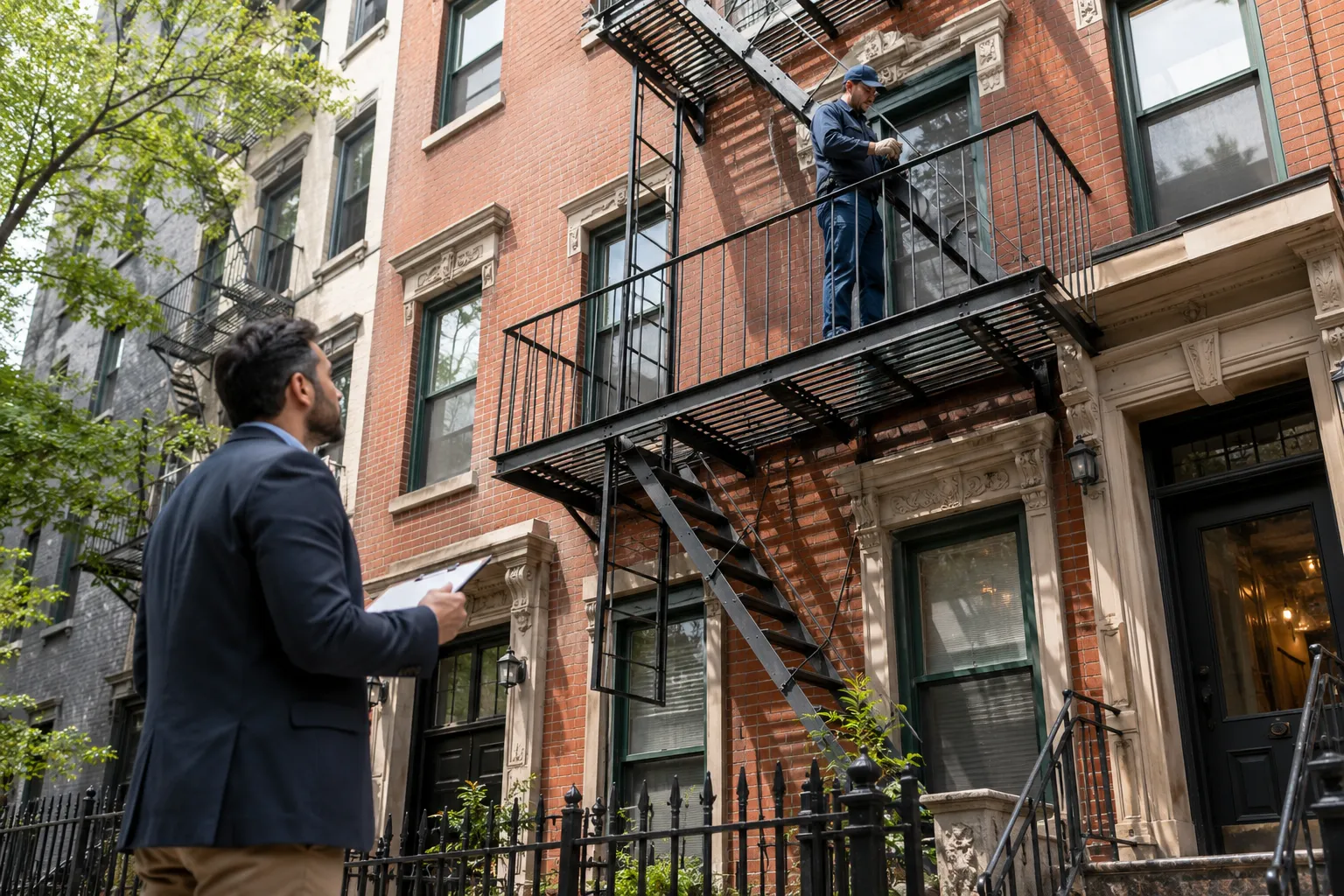
Landlords who need a practical winter review can also use a fire escape safety checklist for NYC apartments to check access, stairs, railings, ladders, visible rust, and seasonal hazards.
Final Note on Fire Escape Maintenance for NYC Landlords
Landlords in NYC are responsible for keeping fire escapes safe, accessible, functional, and properly maintained when those systems are part of the building’s emergency exit plan. Proper maintenance is not optional; it helps protect tenants, reduce violation risk, and prevent costly repair problems.
Sardar Restoration Corp supports residential, commercial, mixed-use, and historic properties across NYC, including the Bronx, Manhattan, Brooklyn, Queens, Westchester, and nearby areas. If your building has rust, loose railings, blocked access, damaged platforms, cracked welds, coating failure, or fire escape maintenance concerns, a trusted fire escape contractor in NYC can help correct issues before they become larger safety risks.
Contact Sardar Restoration Corp today at (+1) 917-355-8556 or sardarrestoration@gmail.com, or visit us at 2770 Fish Ave, Bronx, NY 10469, United States.
FAQs
Are NYC landlords legally required to maintain fire escapes?
Yes. NYC landlords and responsible property owners must keep fire escapes safe, accessible, functional, and properly maintained when they are part of the building’s emergency exit system.
How often should fire escapes be inspected?
Fire escapes should be checked regularly and professionally inspected when visible rust, blocked access, loose railings, damaged platforms, cracked welds, or structural movement appear.
Who enforces fire escape safety in NYC?
Fire escape safety concerns may involve city enforcement, inspection requirements, and corrective action depending on the building, condition, and type of issue.
What are the most common fire escape problems?
Common problems include rust, loose bolts, broken steps, blocked access points, damaged railings, cracked welds, coating failure, and weather-related structural weakening.
Are tenants responsible for fire escape maintenance?
No. Tenants are not responsible for structural fire escape maintenance or code compliance. Maintenance and repair responsibilities usually fall on the landlord or property owner.
Can tenants store items on a fire escape?
No. Fire escapes should not be used for storage, furniture, plants, equipment, or personal items because they must remain clear for emergency use.
What should landlords do if tenants report a fire escape problem?
Landlords should review the concern promptly, keep access clear, document the issue, and arrange a professional inspection or repair when safety concerns are visible.
How can landlords keep fire escapes safe during NYC winters?
Landlords should remove obstructions, check for ice, monitor rust, review ladders and railings, and follow safe winter fire escape maintenance practices in NYC before weather-related damage becomes more serious.
What happens if a landlord ignores a fire escape violation?
Ignoring a violation can increase repair costs, safety risks, documentation needs, and enforcement pressure. Landlords should understand what happens when a fire escape violates NYC building codes before delaying corrective work.