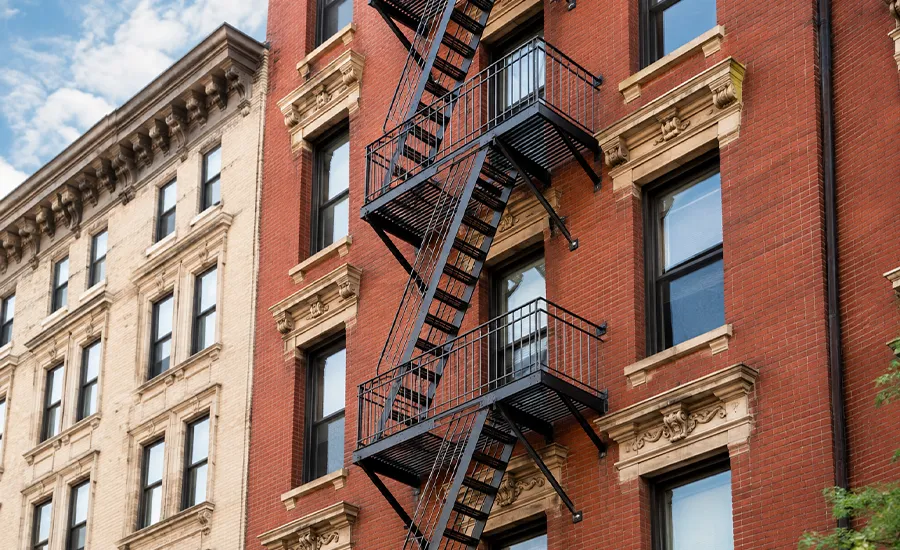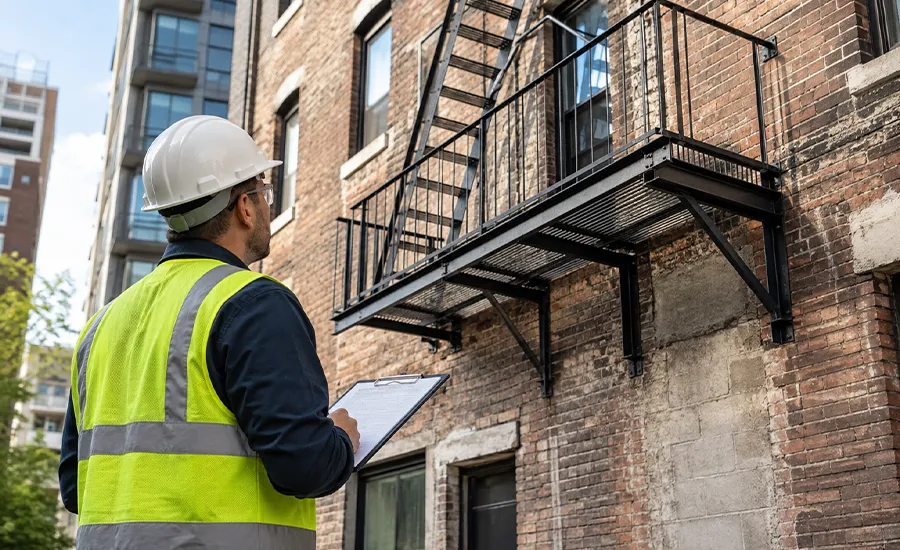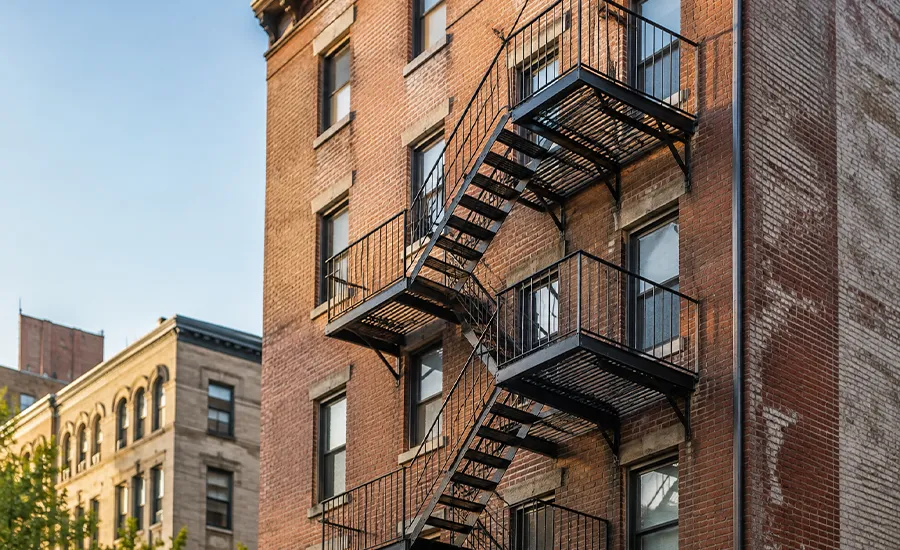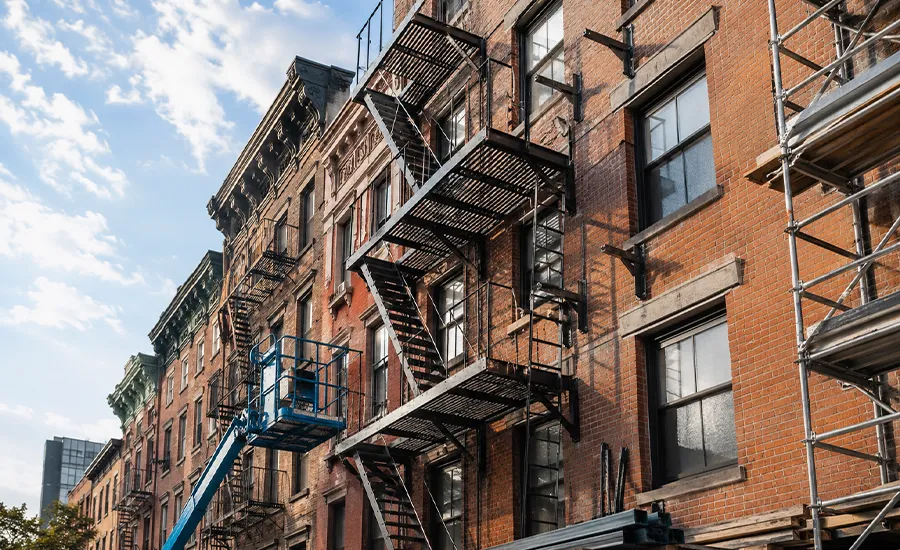

 ChatGPT
 Perplexity
 Google AI
 Claude
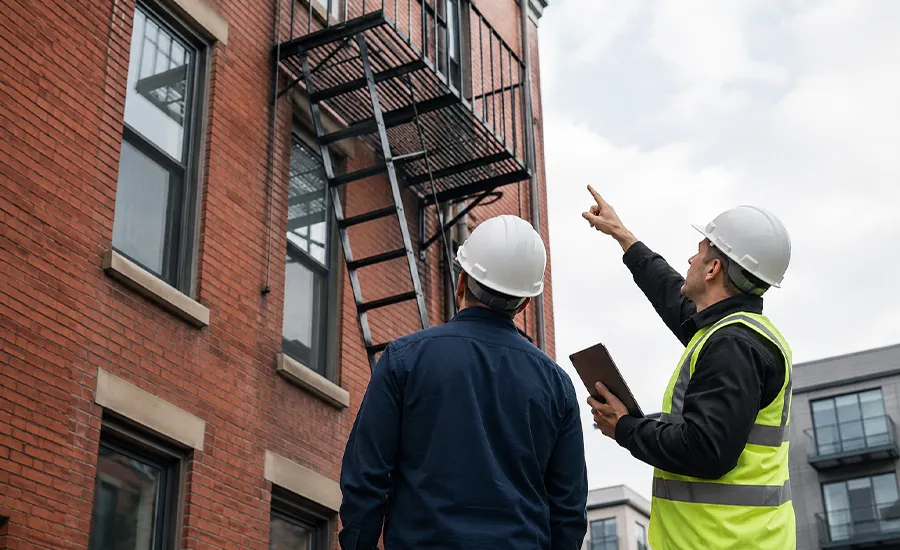
If you own or manage a building in NYC, you may consider removing, altering, repairing, restoring, or upgrading an existing fire escape during renovation work. In some cases, changes may be allowed, but a property owner cannot simply remove or modify a fire escape because it looks outdated, affects curb appeal, or takes up exterior space.
Fire escapes are life-safety systems. If they are part of the building’s approved emergency exit route, any removal or alteration must be reviewed carefully and handled through the proper approval process. Unauthorized changes can create safety risks, code problems, tenant complaints, violations, project delays, and legal liability.
This blog explains when fire escape removal or alteration may be possible in NYC, what property owners should consider before making changes, and why professional inspection, permits, and code compliance matter.
- Ο Fire escape removal may be allowed only when a compliant alternative exit route is approved.
- Ο Fire escape alterations usually require proper review, permits, and professional assessment.
- Ο Unpermitted changes can lead to violations, enforcement action, liability, and safety risks.
- Ο Even small changes can affect emergency access, structural strength, and code compliance.
- Ο Damaged fire escapes should be inspected before removal, repair, restoration, or replacement.
- Ο Property owners should not remove, modify, or block fire escapes without proper approval.
Is It Lawful to Remove a Fire Escape in NYC?
In most cases, a fire escape cannot be removed simply because a property owner wants to improve the building’s appearance, open up space, or modernize the exterior. If the fire escape is still required for emergency egress, removing it without approval can create serious safety and compliance problems.
Property owners should first understand how removal decisions fit within NYC fire escape types, installation, laws, and safety, especially when an older exterior system may still support emergency egress. For a wider legal view, NYC fire escape laws, codes, and compliance explain how code obligations, inspections, maintenance, violations, and owner responsibilities connect.
Fire escape removal may only be considered when:
- The existing fire escape is no longer required under the approved building plan.
- A compliant alternative means of egress is provided.
- Required permits and approvals are obtained.
- The work follows applicable NYC building and safety requirements.
- The removal does not reduce tenant or occupant safety.
Property owners who remove a fire escape without proper approval may face the following issues:
| Safety or Compliance Issue | Possible Outcome |
|---|---|
| Code violations | Regulatory issues may be recorded against the building |
| Monetary fines | Financial penalties may become costly |
| Life-safety hazards | Tenants may lose access to a required emergency exit |
| Construction delays | Non-compliant work may stop or delay the project |
| Legal accountability | Owners may face liability if unsafe conditions result |
For this reason, removal should not begin without professional inspection, code review, and proper approval.
When Fire Escape Removal May Be Allowed in NYC
Although fire escape rules are strict, there may be limited situations where removal is possible. Removal is usually considered only when the building can still meet life-safety and exit requirements without the existing fire escape.
1. Modern Fire Protection and Egress System Upgrades
Some older buildings undergo major renovations that include updated fire protection and emergency exit systems. These improvements may include:
- Interior fire-rated stairwells
- Automatic sprinkler systems
- Updated life-safety features
- Modern emergency egress systems
- Approved exit route upgrades
If the new system meets applicable requirements, authorities may allow the existing exterior fire escape to be removed. However, owners should not assume removal is allowed until the full building condition, exit routes, and approval requirements are reviewed.
When a project involves major life-safety upgrades or exterior replacement work, fire escape installation in NYC may also be relevant if a new compliant system is needed instead of simply removing the old one.
2. NYC Building Conversion and Renovation Projects
Large-scale renovation or conversion work can change how a building is used. When occupancy changes, exit requirements may also change. Examples include:
- Commercial-to-residential conversions
- Residential-to-office conversions
- Mixed-use redevelopment projects
- Interior layout changes that affect emergency exit routes
In these cases, a fire escape may need to be altered, replaced, upgraded, or removed only after the building’s exit strategy is reviewed. Property owners should also check whether fire escapes are required on NYC buildings before assuming an existing fire escape can be removed during a conversion.
3. Fire Escape Structural Deterioration Beyond Repair
A severely deteriorated fire escape may be unsafe, but that does not mean it can be demolished immediately without review. If the structure is badly rusted, loose, unstable, or no longer repairable, the next step should be a professional assessment.
In some cases, fire escape restoration in NYC may correct serious deterioration and preserve the system. In other cases, the fire escape may need partial replacement, structural reinforcement, or full removal as part of a larger approved safety plan.
Removal may be considered when:
- The structure poses a serious safety risk.
- Restoration is no longer practical.
- A compliant alternative exit route is available.
- Replacement or removal is properly approved.
- The work is handled by qualified professionals.
Owners should also understand what makes a fire escape non-compliant in NYC, because severe rust, missing parts, unsafe connections, and blocked access often need correction before removal is even considered.
Is Altering an Existing Fire Escape Legally Permissible?
Altering a fire escape is often more common than full removal. Property owners may need to modify or repair parts of the structure during building renovations, exterior restoration, tenant safety work, or compliance correction.
Fire escape alterations may involve:
- Structural framework repairs
- Landing surface replacement
- Ladder repair or replacement
- Stair and platform improvements
- Rust damage treatment
- Load-bearing reinforcement
- Railing correction
- Bracket, bolt, or anchor repair
However, modifications must not weaken the system, block emergency access, reduce load-bearing support, or interfere with evacuation. Even small alterations can create code issues when they affect stairs, ladders, platforms, railings, brackets, or connections.
A professional fire escape inspection in NYC can help determine whether the existing system needs repair, reinforcement, restoration, or replacement. If visible damage is limited, fire escape repair in NYC may correct the issue without removing the system.
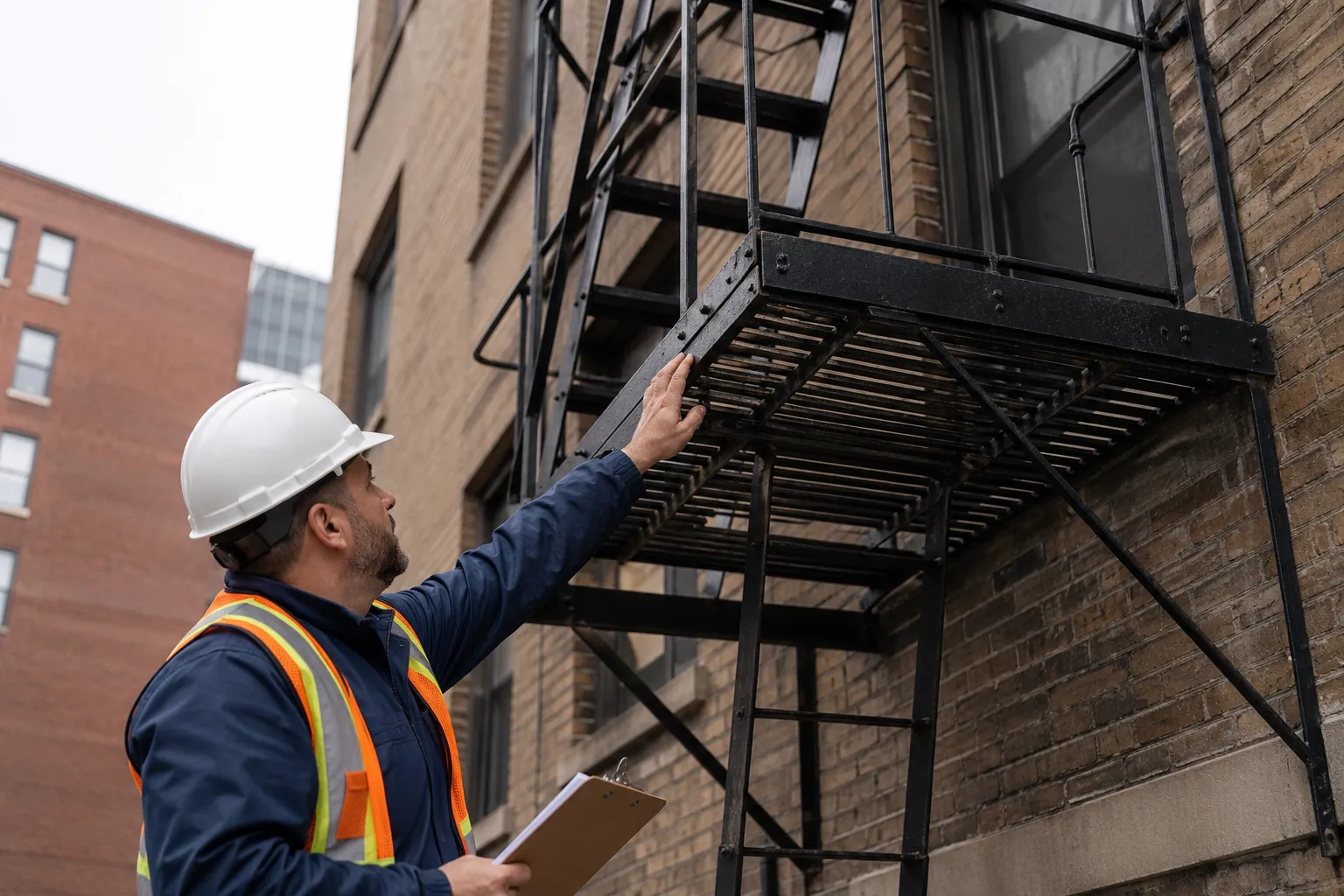
For metal joints, brackets, or failed connections, fire escape welding in NYC may be needed to restore safer structural support.
What Permits Are Usually Required for Fire Escape Removal or Alteration?
Before altering or removing a fire escape, property owners usually need a professional assessment, structural review, and official approval. The exact process can vary depending on the building, scope of work, structural condition, occupancy, and whether the fire escape is part of the approved emergency exit system.
Landlords and owners should also understand NYC fire escape code requirements for property owners, because removal or alteration work must not create unsafe access, weakened structure, or non-compliant egress conditions.
1. Complete Fire Escape and Building Survey
A qualified professional may review the building before any removal or alteration begins. The survey may evaluate:
- Fire escape condition
- Structural stability
- Existing exit routes
- Occupant safety
- Code obligations
- Masonry connection points
- Damage around brackets, anchors, and supports
This step helps confirm whether removal is realistic or whether repair, restoration, refurbishment, or replacement is safer.
2. Engineering and Structural Documentation
Detailed records, drawings, or engineering documents may be needed to show that the proposed work is safe and compliant. These documents may explain:
- Structural adequacy
- Alternative egress provisions
- Proposed modifications
- Repair or replacement scope
- Load-bearing concerns
- Safety compliance
When the fire escape is attached to older masonry, the condition of anchors, brackets, and surrounding wall areas should be reviewed carefully. Weak masonry support can turn a simple alteration into a larger structural repair issue.
3. Official Fire Escape Permit Approval
Permits or official approvals are often required before fire escape removal or alteration work begins. Requirements may depend on:
- Extent of work
- Building classification
- Existing exit layout
- Structural condition
- Historic or older-building concerns
- Whether replacement is required
Property owners should not rely on informal assumptions. If work begins without approval and creates unsafe conditions, owners may need to correct the work later at a higher cost.
Dangers of Unpermitted Fire Escape Modifications in NYC
Some property owners assume that small fire escape changes do not need approval. However, unauthorized work can create major safety and compliance problems, especially when it affects a required exit route.
Unpermitted modifications may also make it harder to sell, refinance, insure, or renovate the building later.
1. Weakened Emergency Egress and Evacuation Safety
Removing platforms, ladders, stairs, or access points can reduce evacuation options during emergencies. If occupants cannot safely reach or use the fire escape, the system fails its primary purpose.
For owners who need a basic safety reminder, understanding what a fire escape is helps clarify why this structure should not be treated as decorative metalwork.
2. Critical Fire Escape Structural Loss
Poorly planned alterations can weaken the fire escape frame, brackets, steps, railings, or masonry connections. This can increase the risk of movement, collapse, or partial failure.
If an older system has surface rust and coating failure but remains structurally sound, fire escape refurbishment in NYC may improve its condition without unnecessary removal. For ongoing upkeep, fire escape maintenance in NYC helps reduce the risk of avoidable deterioration.
3. Regulatory Non-Compliance and DOB Violation Risk
Even minor modifications can create violations if they reduce safety, block access, or conflict with approved building plans. Property owners should understand what happens when a fire escape violates NYC building codes before allowing unpermitted changes.
Owners should also know the difference between fire escape safety issues and code violations, because an unsafe alteration may become a formal violation if it remains unresolved.
4. Owner Liability After Unsafe Fire Escape Alterations
If someone is injured because a fire escape was altered without proper approval, the owner may face serious liability concerns. Responsibility may depend on ownership, management duties, contractor work, tenant complaints, and whether unsafe conditions were ignored.
This is why property owners should understand who is responsible for fire escape violations in NYC before delaying corrective action.
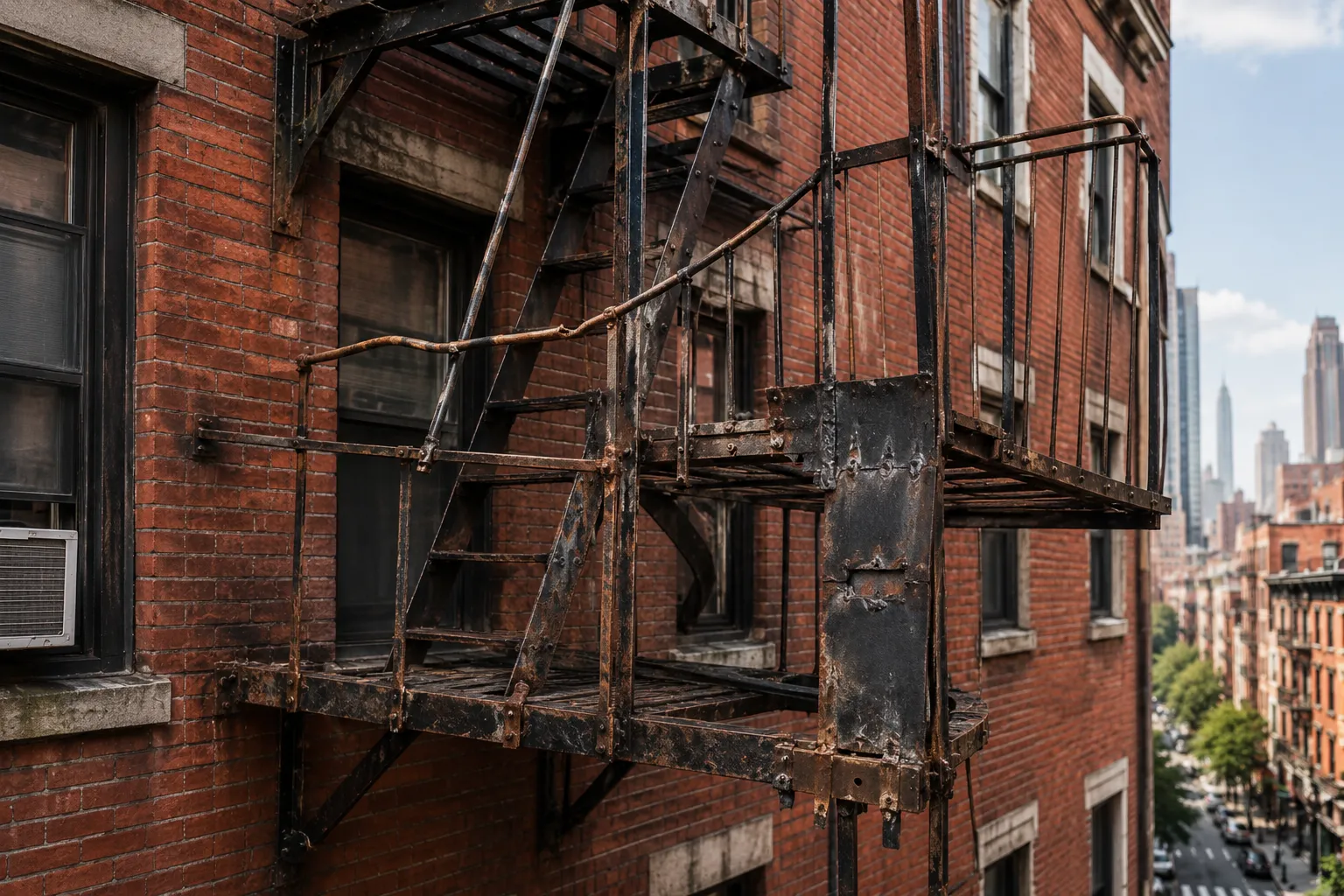
5. Insurance, Sale, and Future Project Approval Problems
Unpermitted alterations can create insurance issues after an accident or emergency. They may also complicate future renovation approvals, property sales, lender reviews, or DOB-related correction work.
If a fire escape has visible rust or deteriorated coatings, fire escape painting in NYC can help protect the metal surface as part of a preventive maintenance plan. For landlords, NYC landlord fire escape maintenance responsibilities are also important because removal or alteration should never replace routine safety upkeep.
Final Thoughts on Fire Escape Removal and Alteration in NYC
Property owners should not remove, alter, replace, or modify a fire escape in NYC without proper inspection, professional review, permits, and approval. The purpose of any change should be to improve safety and compliance, not reduce emergency access or weaken the building’s life-safety system.
Sardar Restoration Corp supports residential, commercial, mixed-use, and historic properties across NYC, including the Bronx, Manhattan, Brooklyn, Queens, Westchester, and nearby areas. If your building needs fire escape inspection, repair, restoration, welding, maintenance, refurbishment, painting, or safe alteration planning, a trusted fire escape contractor in NYC can help evaluate the system and recommend the right next step.
Contact Sardar Restoration Corp today at (+1) 917-355-8556 or sardarrestoration@gmail.com, or visit us at 2770 Fish Ave, Bronx, NY 10469, United States.
FAQs
Can I remove a fire escape to improve my building’s appearance?
No. A fire escape should not be removed just for appearance, curb appeal, or extra space. If it is part of the building’s required emergency exit system, removal usually requires proper review, approval, and a compliant alternative exit route.
Do fire escape repairs require permits in NYC?
Some fire escape repairs may require permits or official approval, depending on the scope of work, building condition, and whether structural parts are affected. Property owners should review fire escape requirements for NYC buildings before starting repair, alteration, or removal work.
Can a damaged fire escape be demolished immediately?
Usually, no. Even if a fire escape is damaged, demolition should not begin without a professional inspection, safety planning, and proper approval. In many cases, repair, reinforcement, or restoration may be required before removal is considered.
Are fire escapes required on every NYC building?
No. Requirements can vary based on building age, use, height, layout, existing exit systems, and applicable code requirements. Older buildings may still rely on exterior fire escapes as part of their approved emergency egress plan.
Can a landlord alter a fire escape without approval?
No. Altering a fire escape without proper review can create safety, code, and liability problems. Any work that affects access, structure, ladders, railings, stairs, platforms, or emergency use should be reviewed before changes begin.
What should owners do before removing or altering a fire escape?
Owners should arrange a professional inspection, review the building’s emergency exit requirements, check whether permits are needed, document the condition, and confirm that any proposed change will not reduce occupant safety.
How do I know if an old fire escape should be repaired or replaced?
An old fire escape should be inspected for rust, loose connections, damaged steps, weak railings, failed coatings, and structural movement. Owners can also review the typical lifespan of fire escapes in NYC buildings to understand when deterioration may require deeper repair, restoration, or replacement planning.
Do different fire escape types affect removal or alteration decisions?
Yes. The structure, access style, material, building connection, and emergency use can affect how a fire escape is reviewed. Property owners can compare the different types of fire escapes used in NYC buildings before planning alteration, replacement, or removal work.