 ChatGPT
 Perplexity
 Google AI
 Claude
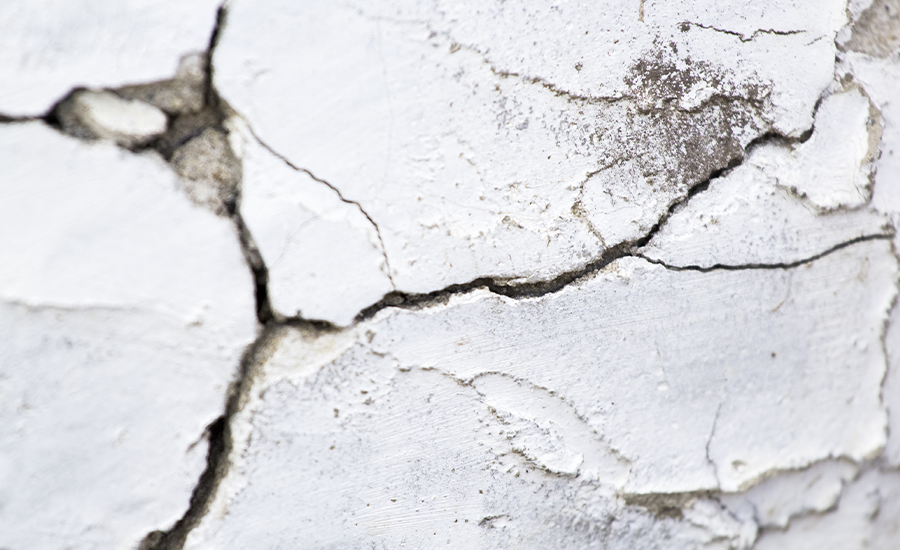
Do you know? Mortar is a strong bonding and adhesion material that keeps bricks, stones, and concrete blocks firmly in place when installed correctly. Using high-quality mortar with proper installation methods helps you seal all brick joints, prevent water damage, and keep the structure strengthened and the mortar properly bonded. But the cold weather is the only challenge homeowners in NYC face, as it speeds up cracking, which degrades both the structural and cosmetic integrity.
In this blog, we’ll be exploring the actions involved in mortar curing during winter and how you can prevent masonry from cracking.
How Cold-Weather Interferes With Mortar Curing?
The composition of mortar includes cement, sand, and water, in which water plays a pivotal role in maintaining hydration by participating in chemical transformations. This chemical reaction hardens the mortar mixture, maintaining its structural integrity. The ideal temperature for Mortar curing in winter is 50°F to 70°F.
- Water turning to ice: Water in the mortar can freeze, forming ice crystals that expand and crack the mortar.
- Lag in mortar curing: Low temperatures slow hydration, weakening the mortar and making it prone to cracking.
- Heat loss Contraction: Cold causes mortar to contract; if bricks contract at different rates, stress at joints can lead to cracks.
If you want to understand how freezing temperatures impact overall brick repairs, you can also read our guide on How cold weather affects brickwork repairs.
What Are The Conditions That Speed Up Cracking?
Here are some of the factors that contribute to rapid mortar cracking and deterioration:
Improper mortar blend
- Excess water increases ice formation risk.
- Too little cement weakens bonding, making mortar brittle.
Poor Curing time
- A consistent, stable temperature is required for adequate mortar curing.
- Freezing stops hydration, leaving weak joints.
Thermal instability
- Rapid temperature drops can harden the uncured mortar.
- The ongoing freeze is expanding the hairline fractures; that is why it needs a thermally insulated atmosphere.
For homeowners planning winter work, our article Can Masonry work be done in the winter? explains what to expect during cold-season construction.
Key Factors That Trigger Freeze-Thaw Damage
Here is the list of cold-weather and freeze-thaw hazards that damage your masonry:
| Actions | Impact on mortar performance |
|---|---|
| Moisture infiltration | Bricks and mortar absorb the water. |
| Ice formation | The ice freezes inside the masonry, starts expanding and micro-cracking. |
| Ice defrosting | When ice melts, it contracts the mortar joints, forming gaps. |
| Continuous loop | Cracks start growing rapidly, which weakens the mortar. |
Future Risks of Neglecting Cold Weather Safeguards
When you ignore the cold-weather safety precautions, it leads to:
- Weakening of load-bearing capacity: When mortar splits, it compromises stability & reduces wall strength.
- Damp-related degradation: Cracks in the mortar allow water in, which triggers fungal growth.
- High repair expenses: Fixing these water damages costs you more than the proactive care.
- Early-life failure: In cold weather, mortar deteriorates sooner if it isn’t protected beforehand.
If you’re preparing your property for the colder months, have a look at Should you repoint brick walls before winter? for better planning.
Conclusion
Wrapping up this blog by, yes! Mortar can’t cure properly in winter because the temperature and setting time don’t match, which weakens the mortar and causes cracking. Using the right tools and winter-grade mortar helps your property stay structurally strengthened and visually striking throughout the season.
Sardar Restoration Corp proudly serves every corner of NYC, including the Bronx, Manhattan, Brooklyn, Westchester, and Queens. Our services are designed to meet your specific needs, providing top-quality solutions wherever you are. Check our service areas to see how we can assist you in your location.
Contact us today at (+1) 917-355-8556 or sardarrestoration@gmail.com, or visit us at 2770 Fish Ave, Bronx, NY 10469, United States.
FAQs
Why does mortar crack more in winter than in summer?
Because in summer, mortar cures quickly and hydrates best, it dries properly. In winter, when hydration is slow, water can freeze inside joints, and mortar doesn’t cure properly, leading to cracks.
What temperature is too cold to work with mortar?
Working at temperatures below 40°F can be risky for maintaining the structure’s integrity, as it can lead to premature cracking.
Can mortar cure properly in cold weather?
Yes! Mortar can properly cure in winter only if it is installed with complete monitoring, insulated tarps, and winter-grade materials. If you don’t mind these precautions, your brickwork will be badly cracked or damaged.
What happens if the mortar freezes before it cures?
In winter, mortar cures before the actual time. So, it results in:
- Hydration stops.
- Bonding weakens.
- Cracks form inside the joints.
- The mortar becomes powdery or crumbly.
Does the type of mortar matter in cold temperatures?
Yes, obviously! Type S and Type M mortars are ideal for use in cold weather, as they resist freeze-thaw & water damage.