
 ChatGPT
 Perplexity
 Google AI
 Claude
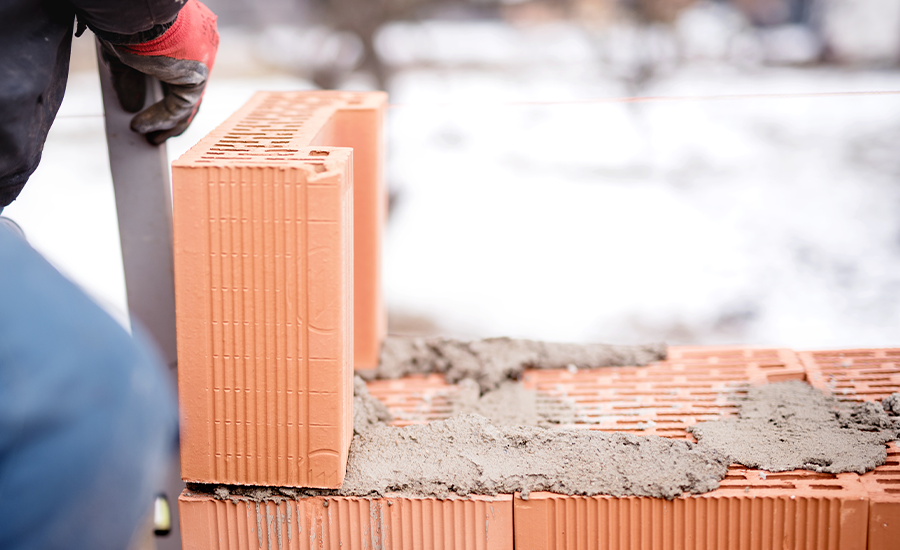
Cold weather introduces multiple problems for brick-and-mortar structures, especially for bricks, stones, and concrete. The zero-degree temperatures in NYC often come with snow and freeze-thaw cycles, which accelerate structural instability and water damage. Immediate masonry repairs can help you prevent major future issues and DOB violations. Using appropriate mortar mixes, winter additives, and monitoring the weather enables you to fix the problems asap.
In this blog, we’ll discuss the challenges posed by cold weather to masonry and the best, cost-effective solutions to keep your home protected and secure.
How Cold Weather Harms Masonry?
Here are the main factors that cause damage to masonry in cold weather:
- Frost expansion cycles: When water internally freezes, it enlarges the fractures.
- Extended curing time: The mortar cures for longer, disrupting bonding.
- Trapped water: Water that turns to snow and ice, saturating the brickwork.
- Heat-loss contraction: Masonry contracts as temperatures drop.
- Chloride contamination: Efflorescence shows up on the surface & deteriorates.
For similar weather-related concerns, you can also read How cold weather affects brickwork repairs to understand deeper structural impact.
Frequently Occurring Masonry Problems In Cold Weather
Cold weather brings masonry problems that cost thousands. So, to fix the damage, here are some of the best cost-effective solutions:
| Problems | Main triggers | Best fixes |
|---|---|---|
| Detaching units | High-moisture levels in bricks | Swap out the bricks and upgrade the water flow. |
| Under-cured | Early-level freezing | Use winter-appropriate mortar & insulated wraps. |
| Mineral buildup | Dampness & water migration | Clean the mineral deposits & apply water-repellent coating. |
| Cracked chimney stack | Weather-facing sides | Perform joint re-filling & tuckpointing. |
| Seepage issues | Ineffective water-resistant coatings | Seal the surface properly & fix the flashing. |
Ways To Protect Masonry In Winter
Here are some of the critical winter protection tips to protect your masonry from cold weather:
- Seal masonry surfaces with breathable waterproof sealants.
- Fix cracks early before freeze–thaw cycles enlarge them.
- Clean gutters and downspouts to prevent water from overflowing into walls.
- Install proper flashing around chimneys, windows, and roofs.
- Keep snow away from the base of brick walls.
- Schedule masonry repairs during warmer periods when possible.
You may also find Should you repoint brick walls before winter? helpful for planning timely protection before temperatures drop.
Recommended Techniques For Masonry Work During Winter
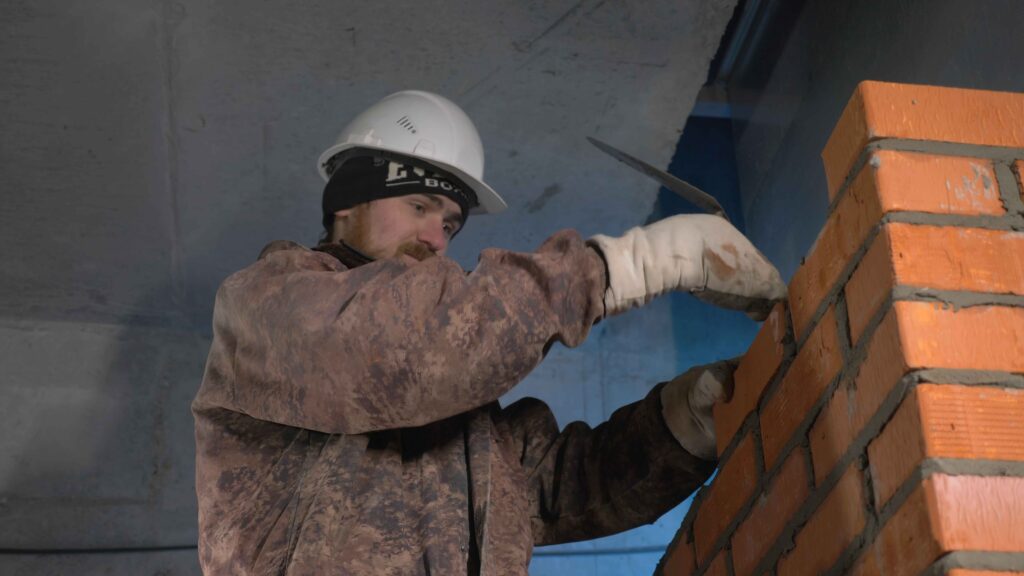
Make sure you follow these safe practices for masonry work during winter to keep your masonry sturdy and structurally sound:
- Use heat-protected tents.
- Keep the water level maintained.
- Insulated thermal blankets for curing.
- Winter-grade mortar mixes.
- Do not work at night, as the temperatures drop to zero.
For execution-based insights, check Can masonry work be done in the winter? which covers essential steps for winter-safe work.
Conclusion
In conclusion, problems and challenges come and go, especially in cold weather, but what matters most is addressing them immediately, maintaining them properly, and coating them with high-quality sealants to safeguard them from cold weather. Residential and commercial property owners must follow the above tips to extend the life, strength, and safety of their properties year-round.
Sardar Restoration Corp proudly serves every corner of NYC, including the Bronx, Manhattan, Brooklyn, Westchester, and Queens. Our services are designed to meet your specific needs, providing top-quality solutions wherever you are. Check our service areas to see how we can assist you in your location.
Contact us today at (+1) 917-355-8556 or sardarrestoration@gmail.com, or visit us at 2770 Fish Ave, Bronx, NY 10469, United States.
FAQs
Why does masonry crack more in cold weather?
Because mortar doesn’t cure and dry properly, it causes deep cracks in the masonry, leading to freeze-thaw damage and water infiltration.
What is the most common cold-weather masonry problem?
Freeze-thaw cracking is the most common masonry problem in cold weather.
How do I know if my bricks are spalling?
Here are some of the signs you must look for:
- Fragmenting brick
- Scaling
- Surface layer spreading
- Material delamination
What is the best way to prevent winter masonry damage?
Make sure to follow these prevention steps, including:
- Sealing masonry with breathable waterproofers.
- Keeping gutters clear.
- Repairing cracks before winter.
- Fixing drainage issues.
Can cold weather damage newly installed mortar?
Yes! Newly installed mortar can be damaged by cold weather if it’s not properly insulated and installed with winter-grade mortar.