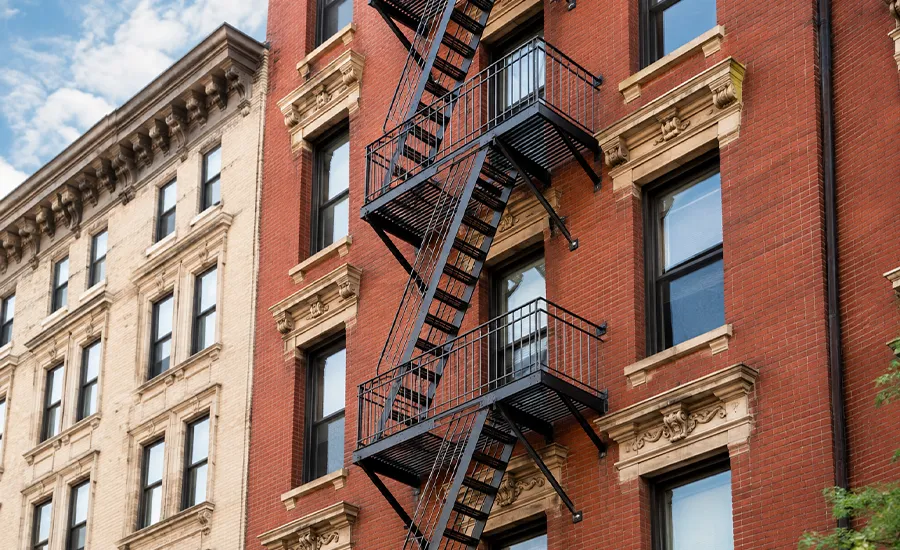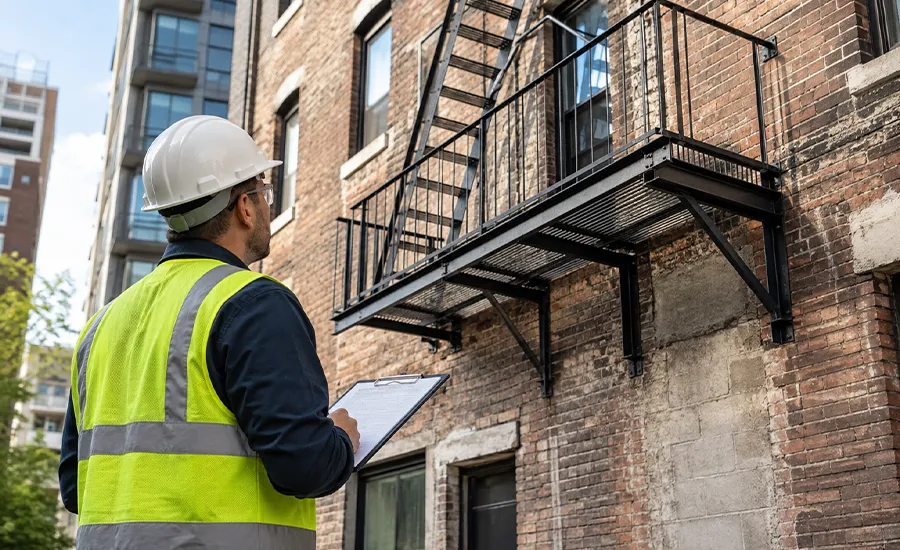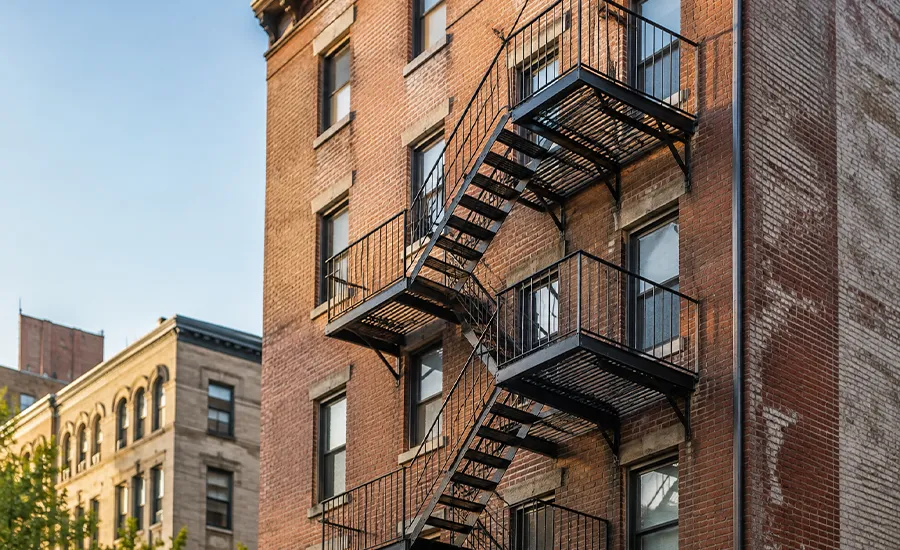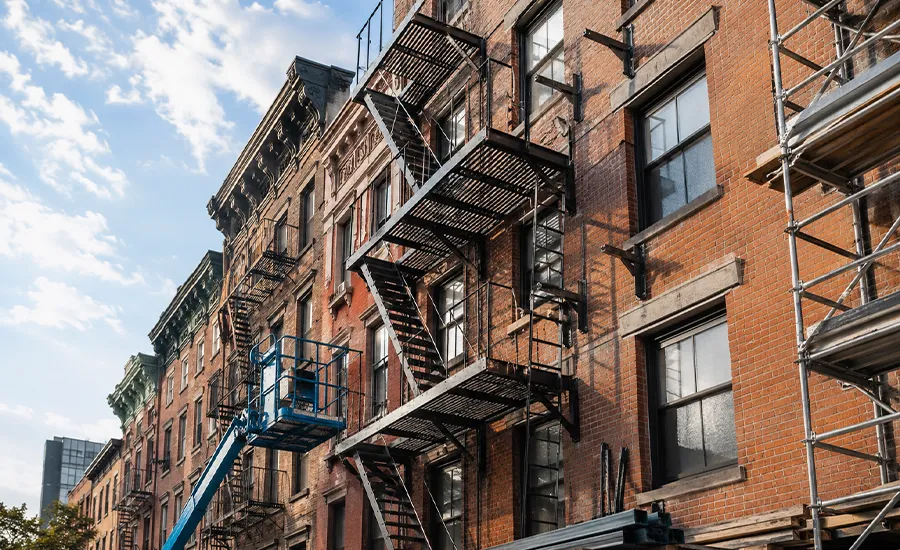

 ChatGPT
 Perplexity
 Google AI
 Claude
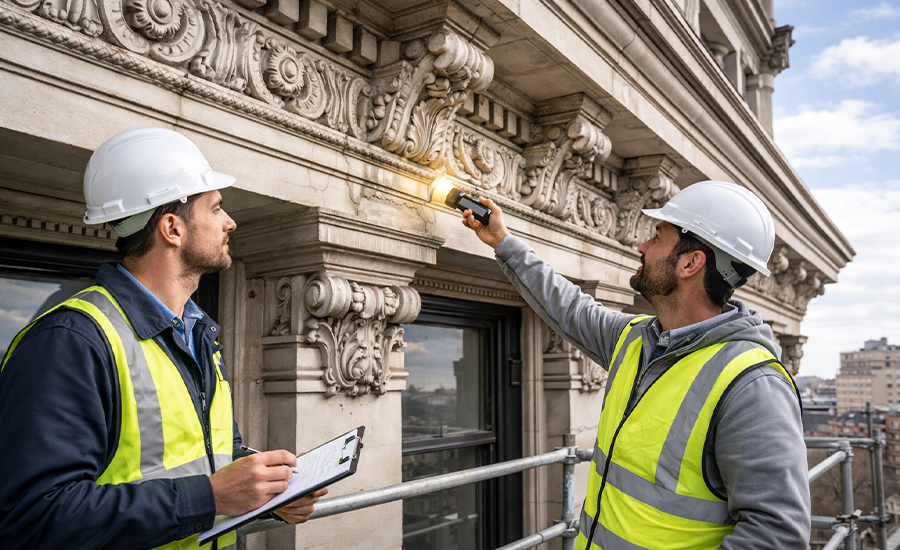
One of the most defining characteristics of a building’s framework is its cornice. Located on the upper façade, it not only adds architectural detail but also helps manage water runoff. However, constant exposure to rain, pollution, and temperature changes causes cornices to deteriorate over time. This makes early identification of damage and timely repair planning essential.
A professional cornice inspection helps identify structural risks, water damage, and safety concerns before they turn into costly repairs. This article explains how contractors inspect a building’s cornice and the key steps involved in the process.
- Ο A cornice is an architectural feature located at the top of a building façade.
- Ο Professional inspectors identify cracks, rust, and structural weaknesses.
- Ο Advanced tools such as drones, scaffolding, and moisture meters are commonly used.
- Ο Early inspections reduce safety risks and prevent expensive repairs.
- Ο Regular maintenance helps extend the lifespan of the structure.
How Do Cornice Inspections Protect Buildings?
Cornices are positioned high above ground level, making damage difficult to detect without a professional inspection. Over time, exposure to weather conditions can lead to cracks, loose materials, and water infiltration, which is why timely façade repairs in NYC are important for preventing minor issues from becoming serious structural concerns.
- Detect structural damage early
- Prevent falling debris and safety hazards
- Identify water intrusion risks
- Preserve architectural and historical elements
- Maintain the durability of the building façade
- Plan timely repairs and maintenance
Without routine inspections, minor issues such as small cracks or loose components can develop into serious structural problems and safety risks.
What Materials Are Used in Building Cornices?
Different buildings use different cornice materials, and each material requires a slightly different inspection approach. Understanding the material also connects closely with broader design elements such as the types of building façades, helping contractors identify common damage patterns and choose the right repair method.
| Cornice Composition | Features | Recurring Concerns |
|---|---|---|
| Brick | Resilient and classic material | Surface cracking and splitting |
| Stone | Durable and refined | Gradual surface deterioration |
| Terra cotta | Lightweight and decorative | Cracking, chipping, and fragment loss |
| Metal | Strong and weather-resistant | Rusting and oxidation |
| Wood | Common in heritage structures | Water infiltration and rot |
Understanding the material allows contractors to detect early signs of deterioration and address issues before they affect the structural integrity of the cornice.
Step-by-Step Cornice Inspection Process
Professional cornice inspections follow a structured process to identify visible damage, hidden risks, and potential safety concerns before they escalate, forming an important part of overall façade work in construction.
1. Surface-Level Examination
The first step is a visual inspection from the ground. Contractors examine the cornice using binoculars, cameras, or drones to identify visible signs of damage.
What contractors typically look for:
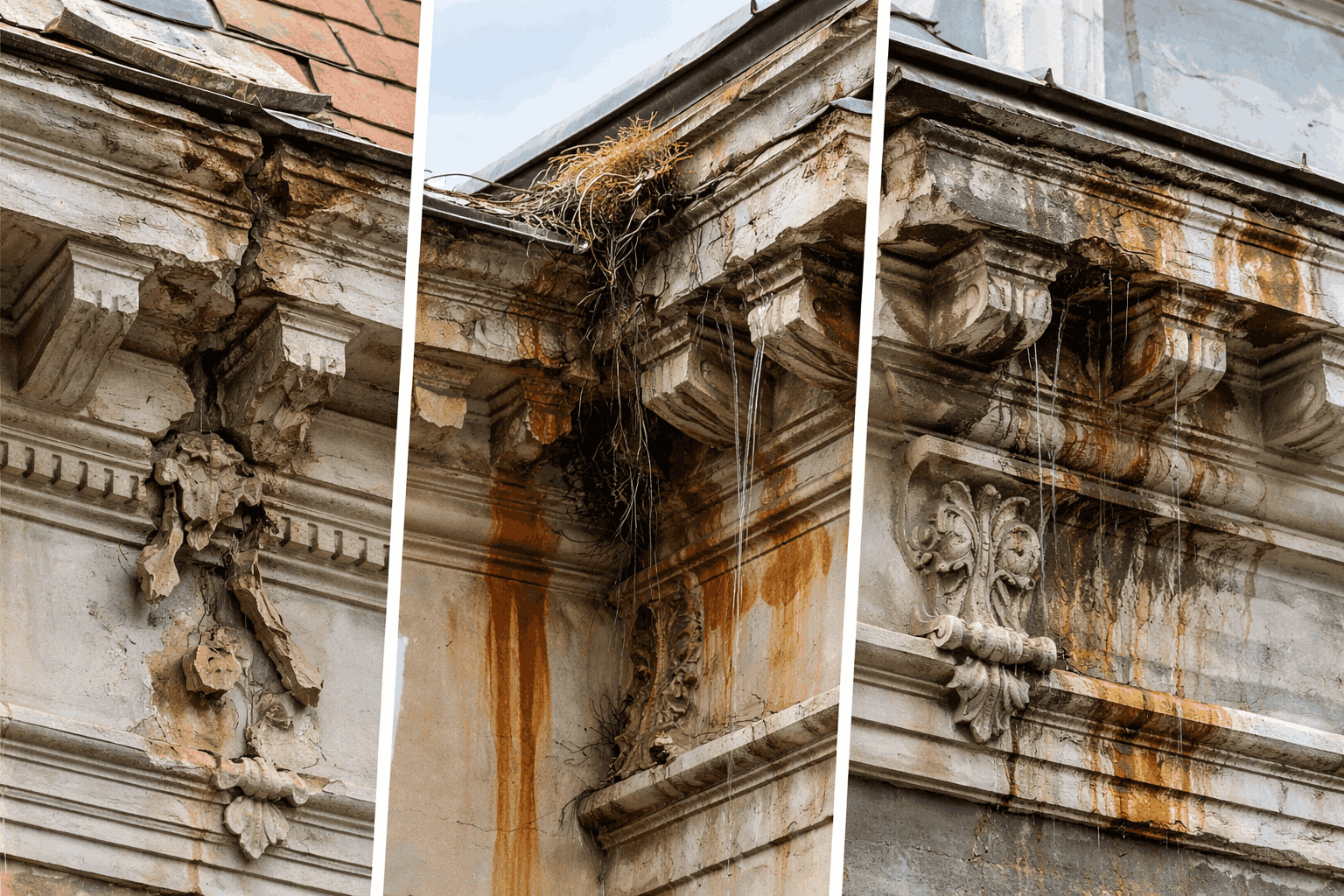
- Cracks in masonry or decorative elements
- Loose or missing pieces
- Rust or corrosion on metal cornices
- Peeling paint or exposed materials
- Signs of sagging or misalignment
- Water stains on the façade
This initial assessment helps determine whether a closer, hands-on inspection is required.
2. Moisture Assessment
Water exposure is one of the leading causes of cornice deterioration. Contractors inspect areas where moisture may collect or penetrate the structure, especially in conditions where freeze-thaw damage in cornices can accelerate material breakdown and structural weakening.
Common signs of moisture-related damage include:
- Efflorescence
- Fungal or organic growth
- Rusted metal components
- Cracked or weakened mortar joints
- Staining on the surrounding walls
Early detection of moisture issues helps prevent long-term structural damage and costly repairs.
3. Stability Analysis
Contractors assess whether the cornice is securely attached to the building and capable of supporting its own weight safely.
They typically examine:
- Anchors and brackets
- Supporting masonry or framing
- Primary structural support components
- Signs of movement, shifting, or displacement
If any section appears unstable, immediate corrective action may be required to prevent detachment or collapse.
4. Data Recording
After completing the inspection, contractors document their findings in a detailed report to guide repair and maintenance decisions.
This documentation usually includes:
- Photographs of damaged areas
- Description of structural conditions
- Identification of safety hazards
- Recommended repair or maintenance actions
- Estimated repair priorities
Clear documentation ensures property owners understand the condition of the cornice and can plan timely repairs.
Signs of Cornice Damage
Property owners should watch for visible signs that a cornice may require professional inspection. Early detection helps prevent safety risks and more extensive structural damage.
- Cracks in decorative elements
- Pieces of masonry falling from the roofline
- Rust stains on exterior walls
- Water leakage near the roofline
- Bulging or sagging sections
- Missing or loose ornamental features
If any of these signs appear, it is advisable to contact a professional contractor promptly to assess the condition and recommend repairs.
How Often Should a Cornice Be Inspected?
The ideal inspection frequency depends on the building’s age, location, and level of environmental exposure.
| Building Category | Optimal Inspection Timing |
|---|---|
| Residential buildings | Every 3–5 years |
| Commercial buildings | Every 2–3 years |
| Historic or preserved buildings | Once a year |
| Buildings exposed to harsh climates | Every 1–2 years |
Regular inspections help maintain structural integrity, reduce long-term repair costs, and ensure the safety of the building façade.
Final Thoughts
Even if visible damage seems minor, a professional inspection is essential to assess the condition of a building cornice accurately. Contractors can identify hidden structural issues, moisture-related damage, and potential safety risks that may not be obvious from the ground.
With proper documentation, photographic evidence, and expert recommendations, timely inspections help maintain the structural integrity of both residential and commercial buildings and prevent costly repairs in the future.
Sardar Restoration Corp provides cornice inspection and repair services across NYC, including the Bronx, Manhattan, Brooklyn, Westchester, and Queens. For property assessments, contact our team at (+1) 917-355-8556, email sardarrestoration@gmail.com, or visit 2770 Fish Ave, Bronx, NY 10469, United States.
FAQs
How do contractors access high cornices during inspections?
Contractors use specialized access methods such as boom lifts, suspended platforms, or drones to safely inspect high or hard-to-reach cornice areas without causing damage to the structure.
What causes most cornice damage?
The most common causes include water infiltration, freeze-thaw cycles, ageing materials, and long-term exposure to weather conditions, all of which gradually weaken the structure.
Can a damaged cornice be repaired?
Yes, minor to moderate damage can usually be repaired. However, severely deteriorated sections may require partial or full replacement depending on the structural condition.
How long does a cornice inspection take?
Most inspections take a few hours to a full day, depending on the building size, height, and accessibility of the cornice.
Is a cornice inspection necessary for older buildings?
Yes, older buildings are more vulnerable to material deterioration and structural weakening, making regular inspections especially important for safety and maintenance.
Do cornice inspections require scaffolding every time?
Not always. Initial inspections are often carried out using drones or binoculars, but scaffolding or access equipment may be required for close-up inspection or repair work.
What risks can an untreated damaged cornice cause?
An untreated cornice can lead to falling debris, water infiltration, and structural instability, posing safety risks to occupants and pedestrians.
Can weather conditions affect cornice inspection results?
Yes, weather conditions such as rain, snow, or extreme temperatures can impact visibility and material behavior, which is why inspections are usually scheduled during stable conditions for accurate assessment.