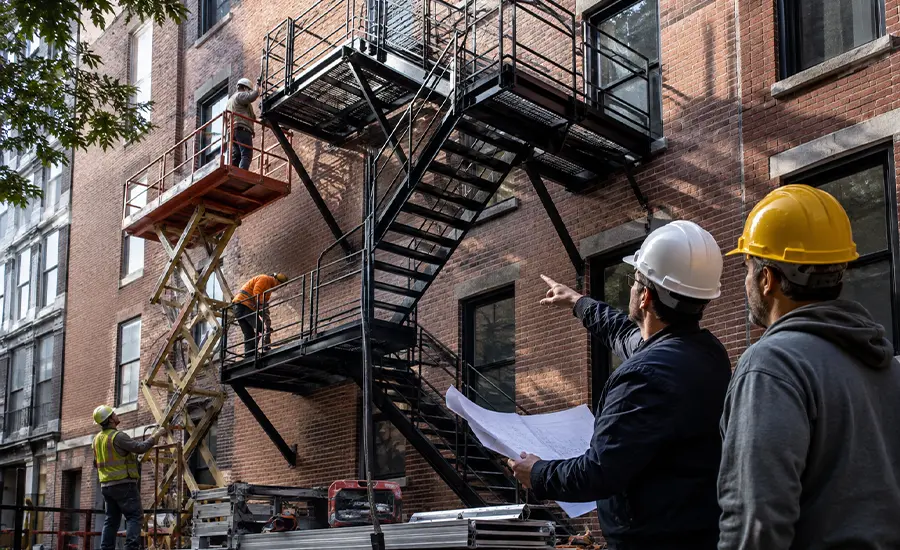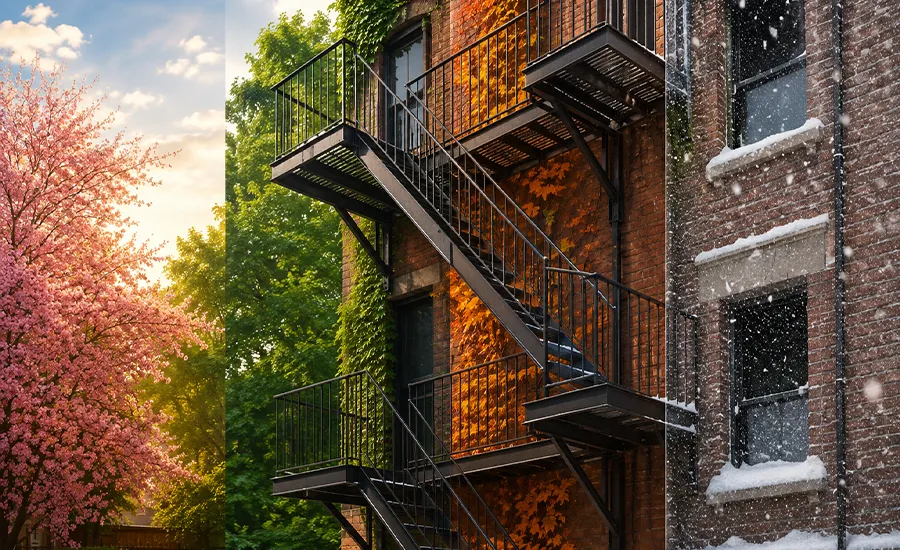
 ChatGPT
 Perplexity
 Google AI
 Claude
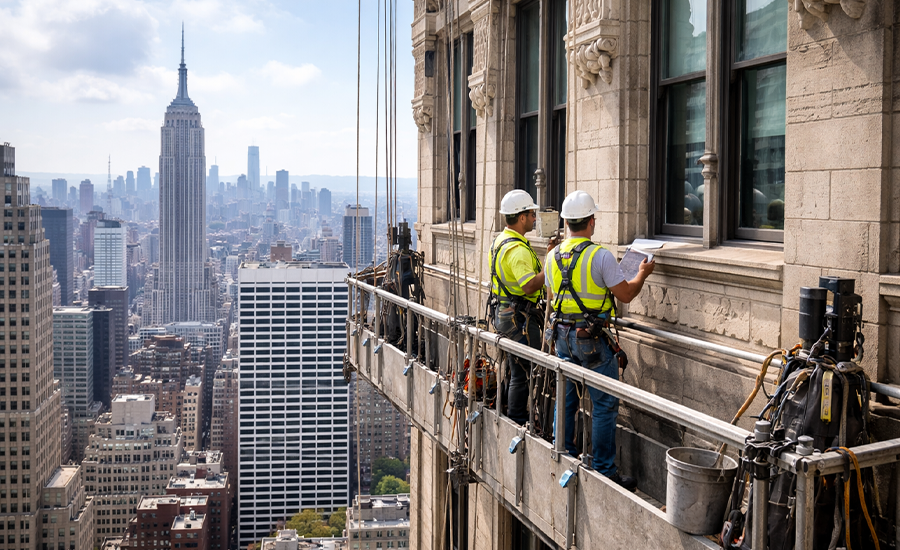
Local Law 11 is a critical safety regulation in New York City that requires regular inspection of building facades for properties taller than six stories. It is enforced by the NYC Department of Buildings to reduce the risk of falling debris and ensure public safety in densely populated areas.
This law applies to both residential and commercial buildings and follows a structured inspection cycle. This guide explains how Local Law 11 works, which buildings must comply, how inspections are carried out, and what property owners should do to avoid violations and unexpected repair costs.
- Ο Local Law 11 applies to NYC buildings taller than six stories
- Ο Façade inspections are required every 5 years
- Ο Inspections must be performed by certified QEWIs
- Ο Buildings are classified as Safe, SWARMP, or Unsafe façade conditions
- Ο Unsafe conditions require immediate repairs
- Ο Non-compliance can lead to fines and legal consequences
What Is Local Law 11?
Local Law 11, also known as the Façade Inspection & Safety Program (FISP), is a New York City regulation that requires periodic inspection of exterior building walls for structures taller than six stories. It is enforced by the NYC Department of Buildings (DOB) to ensure that facades remain structurally sound and safe for occupants and pedestrians, especially when considering how façade work in construction directly impacts long-term building safety.
Under this law, property owners must arrange inspections through certified professionals and report the condition of their building’s exterior. The primary goal is to identify potential hazards early, such as cracks, loose materials, or deterioration, before they pose a safety risk.
Why Local Law 11 Was Introduced
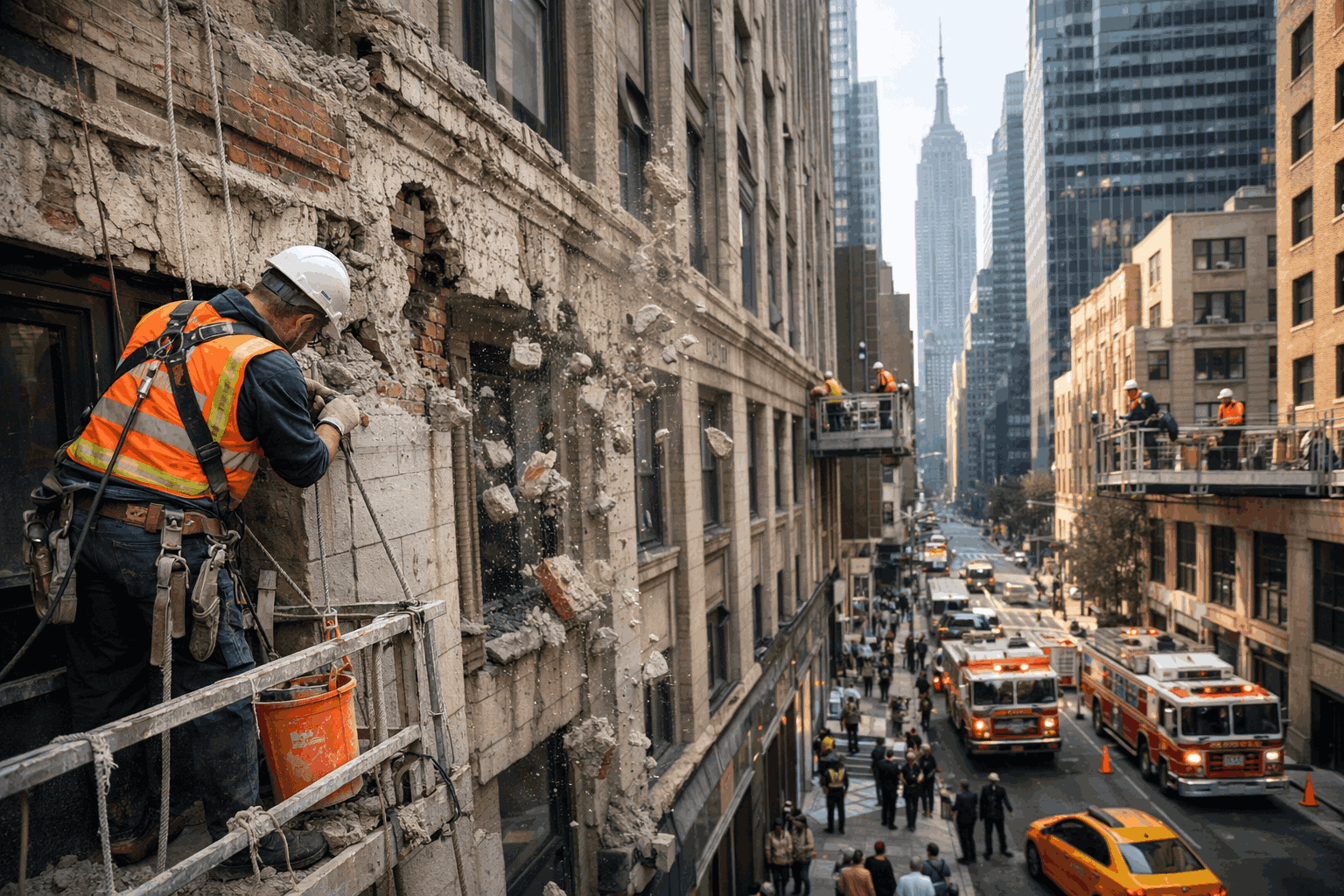
Local Law 11 was introduced to address serious safety risks in New York City caused by falling building materials and deteriorating facades. Past incidents involving façade debris highlighted the dangers associated with aging structures and a lack of regular maintenance, leading to stricter inspection requirements.
The law focuses on preventing accidents by making inspections and repairs mandatory. It encourages property owners to take a proactive approach by identifying issues early.
This helps reduce long-term repair costs while maintaining overall building stability and safety.
Key Objectives of Local Law 11
- Prevent injuries and fatalities caused by falling debris
- Detect structural issues before they worsen
- Ensure consistent maintenance of building facades
- Improve safety in high-density urban areas
Which Buildings Must Comply with Local Law 11?
Local Law 11 applies to buildings in New York City that exceed six stories in height. These structures are considered higher risk due to the potential danger posed by deteriorating façade elements at elevation.
The law applies across various property types, including residential, commercial, and mixed-use buildings such as co-operatives and condominiums. Compliance is required regardless of building age or ownership structure, as long as it meets the height requirement.
Buildings Required to Comply
- Buildings exceeding six stories
- Residential and commercial properties
- Mixed-use developments, co-ops, and condos
Exempt Buildings Under Local Law 11
- Buildings with six stories or fewer
- Small or detached residential structures
Local Law 11 Inspection Requirements and Timeline
Local Law 11 requires buildings to follow a fixed inspection cycle to ensure that façade conditions are regularly evaluated for safety. Inspections must be completed every five years under the NYC Department of Buildings’ official compliance program.
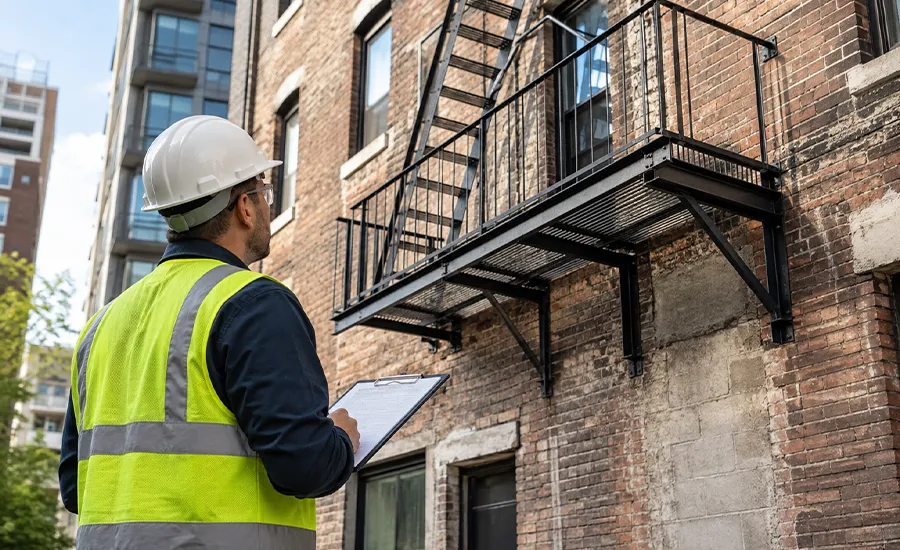
All inspections must be conducted by a Qualified Exterior Wall Inspector (QEWI), including licensed engineers or registered architects. During the inspection, critical exterior components are carefully assessed to identify both visible and hidden defects that may compromise safety, especially across different types of building facades that may require varying inspection approaches.
Primary Areas Assessed During Inspection
- Exterior walls and façade surfaces
- Balconies, railings, and parapets
- Windows, lintels, and structural supports
- Cornices and decorative elements
Inspection Timeline Overview
| Requirement | Details |
|---|---|
| Inspection frequency | Every 5 years |
| Inspection authority | NYC Department of Buildings |
| Qualified inspector | QEWI (Engineer or Architect) |
| Current inspection cycle | Cycle-based (e.g., Cycle 9) |
Façade Condition Categories in Local Law 11
After a façade inspection, buildings are assigned a condition status based on structural safety. This classification determines whether repairs are required and how urgently they must be completed.
Under Local Law 11, façade conditions are classified into three categories based on safety and repair urgency:
1. Safe
- No visible structural issues are present
- No immediate repairs are required
- The facade is considered stable and compliant with safety standards
2. SWARMP (Safe With a Repair and Maintenance Program)
- Minor defects or early-stage deterioration are identified
- Repairs are required within a specified timeframe
- The building remains safe but needs scheduled maintenance
3. Unsafe
- Serious structural hazards are present
- Immediate action is required to protect public safety
- Temporary safety measures, such as sidewalk sheds, may be necessary
Required Repairs and Compliance Actions After Inspection
Once a building’s façade condition is classified, property owners must take the appropriate corrective actions based on the severity of the issues identified during the inspection.
Timely repairs are essential to maintain compliance and avoid penalties, especially when safety risks are involved. This highlights the importance of timely façade repairs in NYC to prevent issues from escalating.
Repair Actions Based on Façade Condition
- Unsafe: Repairs must begin immediately, along with safety measures to protect pedestrians
- SWARMP: Issues must be resolved within the timeframe assigned by the DOB
- Safe: No repairs are required, but regular maintenance should continue
All repair work must be completed by qualified professionals and must comply with NYC building regulations. Proper documentation and permits are required to ensure full compliance and avoid regulatory issues.
Penalties for Non-Compliance with Local Law 11
Failure to comply with Local Law 11 can lead to significant financial penalties, legal consequences, and increased liability risks for building owners. The NYC Department of Buildings enforces strict compliance measures to ensure that building owners address safety risks without delay.
Penalties depend on the type of violation and how long the issue remains unresolved. Delays in filing, ignoring unsafe conditions, or failing to complete required repairs can quickly increase overall costs, especially when compared to the cost of Local Law 11 compliance when addressed early.
Key Consequences of Non-Compliance
- Fines for late or missing inspection reports
- Daily penalties for unresolved unsafe conditions
- Enforcement actions or legal notices from the city
- Increased liability in case of accidents or damage
Violation and Enforcement Overview
| Violation Type | Enforcement Action |
|---|---|
| Late filing | Monetary fines |
| Unsafe façade conditions | Daily penalty charges |
| Unresolved repair issues | Legal and regulatory action |
Key Benefits of Complying with Local Law 11
Complying with Local Law 11 provides long-term benefits beyond basic legal requirements, helping property owners maintain building safety and reduce the risk of costly structural issues.
By following the inspection cycle and addressing minor issues early, property owners can protect structural integrity and maintain long-term property value.
Key Benefits of Local Law 11 Compliance
- Improves safety for occupants and pedestrians
- Reduces the risk of sudden structural failures
- Extends the lifespan of façade materials
- Helps maintain property value over time
- Minimizes unexpected repair expenses
How to Stay Compliant with Local Law 11
Maintaining compliance with Local Law 11 requires a proactive approach, with a focus on regular inspections, timely maintenance, and proper documentation to avoid violations and unexpected costs.
Staying organized and working with qualified professionals ensures that façade issues are identified early and resolved within the required timeframe.
Best Practices to Maintain Local Law 11 Compliance
- Schedule inspections well before the official deadline
- Hire certified QEWIs with experience in façade inspections
- Keep detailed records of inspections, repairs, and permits
- Perform routine maintenance between inspection cycles
- Address minor issues early to prevent costly repairs
Final Thoughts on Local Law 11 Compliance
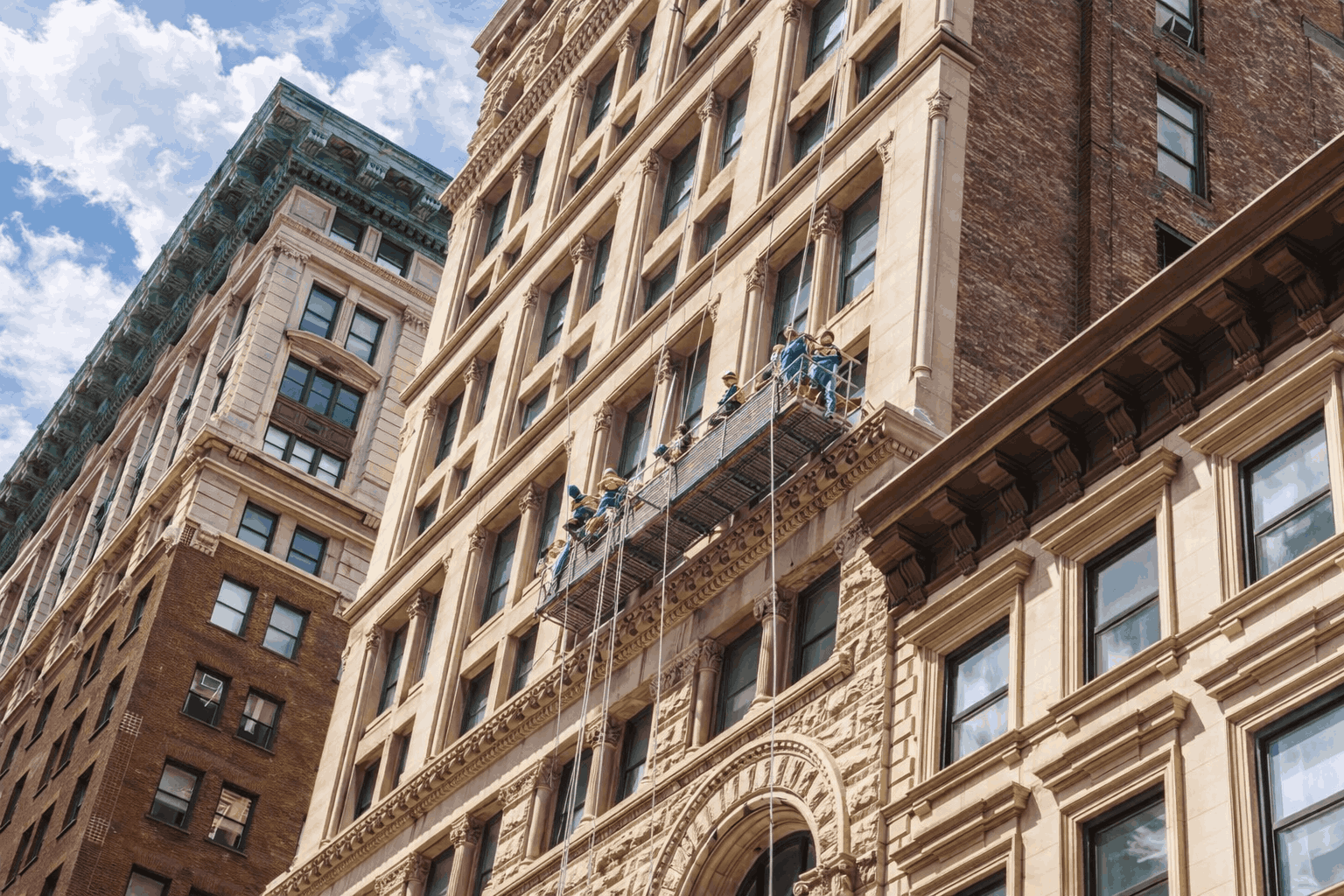
Local Law 11 plays a critical role in maintaining building safety across New York City by requiring regular façade inspections and timely repairs to reduce structural risks.
For property owners, following the inspection cycle and addressing issues early helps prevent penalties, extend the lifespan of building materials, and protect long-term property value. A proactive approach makes compliance more manageable and cost-effective over time.
Need Professional Help with Local Law 11 Compliance?
Managing inspections, reports, and repairs under Local Law 11 can be complex without the right expertise. Working with experienced professionals helps ensure your building meets NYC Department of Buildings requirements without delays, compliance issues, or safety risks.
Sardar Restoration Corp supports residential and commercial properties across NYC, including the Bronx, Manhattan, Brooklyn, Westchester, and Queens. For inspection support, façade assessments, or repair services, you can contact our team at (+1) 917-355-8556, email sardarrestoration@gmail.com, or visit 2770 Fish Ave, Bronx, NY 10469, United States.
FAQs
How often are inspections required under Local Law 11?
Local Law 11 requires façade inspections every five years as part of a fixed inspection cycle set by the NYC Department of Buildings. Each building is assigned a filing window, and inspections must be completed within that timeframe to remain compliant.
What happens if a building is classified as unsafe?
If a building is marked as unsafe, immediate action is required. Property owners must begin repairs without delay and install temporary safety measures, such as sidewalk sheds, to protect pedestrians and the surrounding areas.
Who is qualified to perform Local Law 11 inspections?
Inspections must be carried out by a Qualified Exterior Wall Inspector (QEWI). This includes licensed professional engineers or registered architects who are certified to evaluate façade conditions under NYC regulations.
Is Local Law 11 compliance expensive?
Costs can vary depending on the building size, condition, and required repairs. While inspections and documentation involve upfront expenses, early maintenance and timely repairs can help avoid larger, more costly structural issues in the future.
Do all buildings in NYC need to comply with Local Law 11?
No, the law applies only to buildings taller than six stories. However, smaller buildings should still maintain their facades regularly to prevent safety risks and long-term damage.
What is SWARMP under Local Law 11?
SWARMP stands for Safe With a Repair and Maintenance Program. It means the building is currently safe, but certain issues must be repaired within a specific timeframe to maintain compliance.
What areas of a building are inspected during Local Law 11?
Inspectors evaluate all exterior elements, including façade walls, balconies, parapets, windows, lintels, and decorative features. The goal is to identify any signs of deterioration or structural weakness.
What are the risks of delaying Local Law 11 repairs?
Delays can lead to daily penalties, legal action, and increased repair costs. More importantly, unresolved issues can pose serious safety risks to occupants and the public.
Can regular maintenance help avoid Local Law 11 violations?
Yes, routine maintenance between inspection cycles helps identify minor issues early. This reduces the risk of violations, lowers repair costs, and keeps the building in good condition over time.
How long do Local Law 11 repairs usually take?
Repair timelines vary depending on the severity of the condition, permit requirements, access needs, and building size. Minor repairs may be completed relatively quickly, while unsafe conditions or larger façade restoration projects can take significantly longer.