 ChatGPT
 Perplexity
 Google AI
 Claude
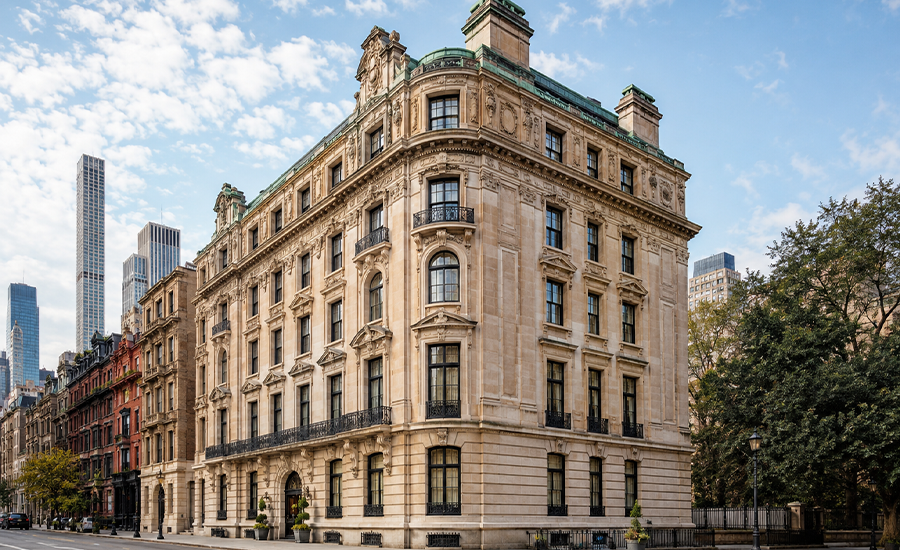
A landmark property in New York City is more than an old or well-known building. It is a legally recognized structure, site, interior, landscape, or district protected by the New York City Landmarks Preservation Commission because of its historical, architectural, cultural, or aesthetic significance.
In a city that continues to grow and change, landmark buildings help preserve the character of NYC’s streets, neighborhoods, and boroughs. They give residents, visitors, and property owners a stronger connection to the city’s past while protecting the design details that make many older buildings valuable.
In this blog, you’ll understand what makes a building a landmark in NYC, what the LPC looks for, the main types of landmark designations, the approval process, and why landmark protection matters for long-term preservation.
- Ο Landmark status in NYC is decided by the Landmarks Preservation Commission.
- Ο A building must usually be at least 30 years old to qualify.
- Ο Age alone does not make a building a landmark.
- Ο Architectural, historical, cultural, or aesthetic value matters most.
- Ο Landmark protection helps preserve NYC’s character and neighborhood identity.
- Ο Property owners may need LPC approval before making visible exterior changes.
Key Factors That Make a Building a Landmark in NYC
A building may become a landmark in NYC when it has a clear connection to the city’s history, architecture, culture, or development. The LPC does not approve a property simply because it is old. The building must show special value that makes it worth preserving.
For many older buildings, original masonry, façade details, brickwork, stonework, and decorative features are part of that value. When these elements begin to deteriorate, working with a qualified masonry contractor can help protect the structure without damaging its historic appearance.
Factors that contribute to making a building a landmark include:
1. Time-Honored Historical Value
A building may qualify if it is connected to important events, people, or periods in NYC’s history.
- Site of major historical events
- Linked to influential political or cultural figures
- Represents a key period in NYC’s development
- Reflects social or industrial history
2. Architectural Significance
Design, craftsmanship, and construction quality play a major role in landmark consideration.
- Unique or rare architectural style
- Designed by a well-known architect
- Represents a specific era
- Contains exceptional craftsmanship or detailing
- Innovative engineering for its time
Landmark work is different from ordinary repair because original materials, design details, and preservation rules must be respected. Property owners can better plan their projects by understanding the key differences between landmark restoration and standard building repair.
3. Cultural and Public Legacy
Some buildings are preserved because they have played an important role in community life.
- Important community gathering spaces
- Historic theaters or entertainment venues
- Religious or educational institutions
- Connected to cultural movements or traditions
4. Historical Timeframe
Older buildings are more likely to be considered, but age alone is not enough. A property must still show meaningful historical, architectural, or cultural value.
- Usually 30 years old or more
- Reflects early city development
- Shows historic construction methods
- Helps document urban growth
5. Structural Soundness
A building should still retain enough original character to show why it is historically or architecturally important.
- Original exterior design preserved
- Minimal structural alterations
- Authentic materials are still visible
- Recognizable historical appearance
Ignoring cracks, loose masonry, water damage, or weak mortar can make restoration more difficult later. This is why property owners should understand why delaying masonry repairs gets costly in NYC before small issues affect historic materials.
Main Types of Landmark Designations in NYC
Different landmark designations protect different types of historic value across NYC. Some designations apply to one building, while others protect interiors, outdoor spaces, or entire historic districts. This helps preserve the city’s architectural identity while still allowing responsible maintenance and restoration.
Each designation can affect how future exterior work, façade repair, masonry restoration, or visible alterations are planned. In Manhattan, where many landmark buildings sit within dense historic streetscapes, property owners often need landmark restoration in Manhattan to preserve original exterior details while meeting local building and preservation requirements.
| Categories of Landmark | Overview | Example |
|---|---|---|
| Individual Landmark | A specific building, structure, or object with special historic, cultural, or architectural value. | Historic townhouses, civic buildings, churches, or towers |
| Interior Landmark | A publicly accessible interior space with historic or design value. | Theater interiors, lobbies, or ceremonial spaces |
| Scenic Landmark | A protected landscape or outdoor feature with special value. | Parks, public landscapes, or historic outdoor settings |
| Historic District | A group of buildings that together create a historically or architecturally important area. | Rows of historic homes, blocks, or neighborhood sections |
How the Landmark Designation Process Works in NYC
Having a building designated by the LPC can provide legal protection, preserve historic identity, and support long-term property value. The process usually includes research, evaluation, public input, and a final decision by the Commission.
For property owners, the process can feel detailed because landmark status may affect future repairs, façade work, and exterior changes. Many projects also come with material-matching, approval, and compliance issues, which is why understanding the common challenges in historic building restoration can help before work begins.
| Steps | Breakdown |
|---|---|
| Preliminary Review | LPC examines the building’s historical background, architecture, and community value. |
| Eligibility Appraisal | The property is evaluated for age, condition, design, and significance. |
| Open Community Forum | Property owners, community members, and interested parties may provide comments. |
| Regulatory Committee Verdict | LPC reviews the research, testimony, and designation details. |
| Administrative Green Light | Final confirmation may be required through the city review process. |
Why Do Buildings in NYC Get Landmark Protection?
Landmark properties can hold long-term value because of their historic character, architectural individuality, and protected status. They also help maintain the identity of neighborhoods, support tourism, and prevent inappropriate changes that could weaken the character of an area.
In boroughs such as Brooklyn, where historic row houses, churches, and older mixed-use buildings still shape many streets, landmark restoration in Brooklyn can help protect original features while keeping the property safe and functional.
- Preserve NYC’s architectural heritage
- Protect the historical identity of neighborhoods
- Maintain cultural and artistic distinction
- Pass down historic value to future generations
- Support tourism and the local economy
These buildings are living evidence of the past, helping people understand how NYC became a global center for design, culture, business, and community life.
Common Features of NYC Landmark Buildings
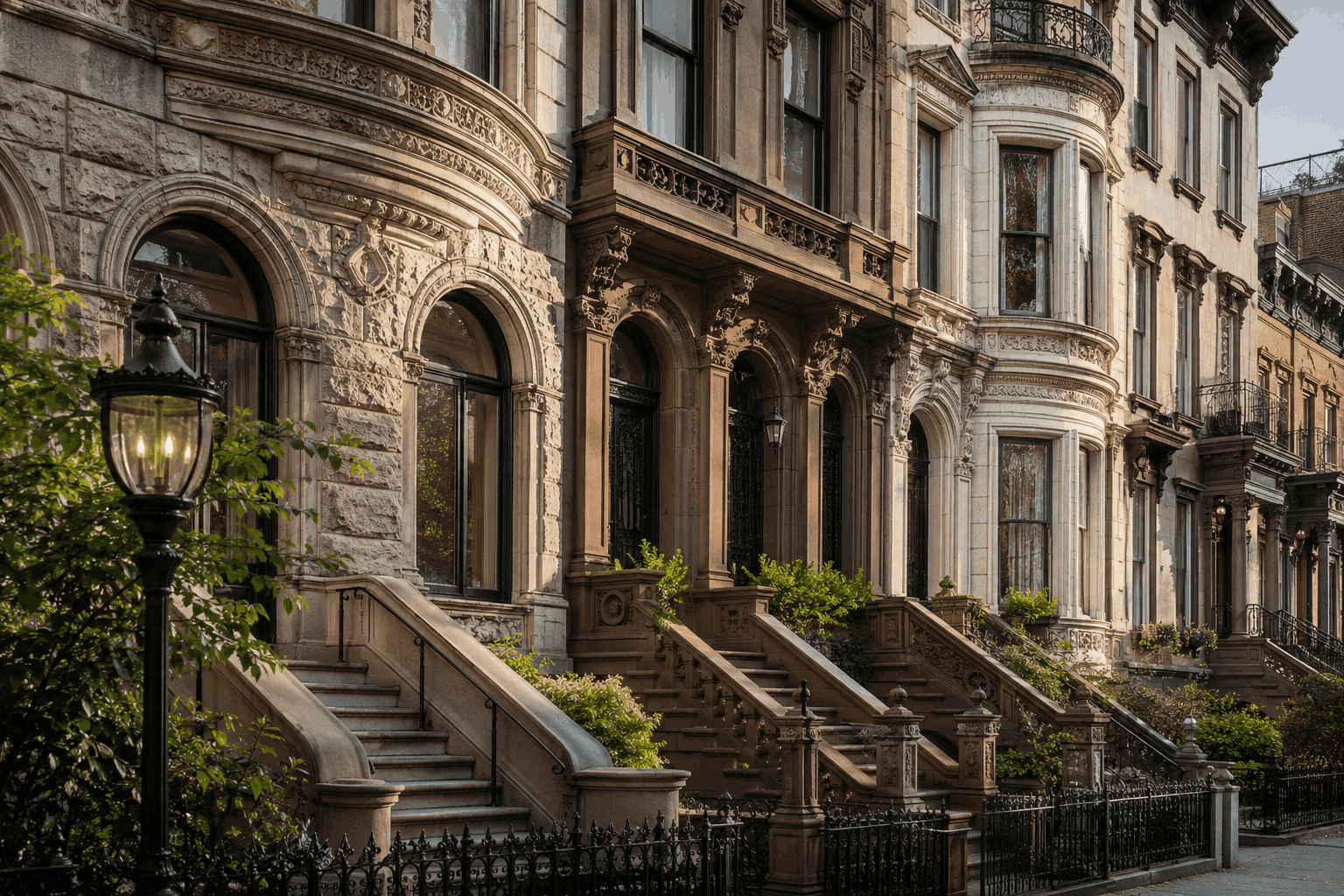
New York City is known for landmark buildings that reflect different periods of architecture, construction, and cultural history. These properties may include brownstones, row houses, theaters, churches, civic buildings, apartment buildings, warehouses, and commercial structures.
Many landmark buildings have historic brickwork, stone details, decorative cornices, original façades, or unique masonry features. In the Bronx, where older residential and commercial buildings remain part of the borough’s identity, landmark restoration in the Bronx can help preserve these details while addressing repair needs.
- Historic architectural design
- Strong cultural or social relationship
- Situated in historically significant areas
- Recognized by preservation authorities
- Maintains authentic construction materials
Property owners in NYC must follow LPC preservation standards when planning visible work on designated buildings. Understanding why masonry is important also helps owners choose the right repair methods for older brick, stone, and façade systems.
Final Thoughts on Landmark Properties in NYC
Landmark properties hold a distinctive importance in NYC because of their historical, architectural, social, and cultural value. With continued protection from the LPC, these buildings help preserve New York’s character while allowing careful restoration when repairs are needed.
For property owners across Manhattan, Brooklyn, the Bronx, Queens, and Westchester, understanding landmark requirements early can reduce risks, control costs, and protect long-term property value. In Queens, where older homes and mixed-use buildings often need careful exterior repair, landmark restoration in Queens can help maintain original character while addressing structural and weather-related concerns.
Sardar Restoration Corp supports residential and commercial properties across NYC with reliable restoration solutions designed for local building conditions and compliance standards. If you are planning a project or need expert guidance, explore our landmark restoration in NYC services to protect your property while maintaining its original character.
For more information or to discuss your property needs, call (+1) 917-355-8556, email sardarrestoration@gmail.com, or visit 2770 Fish Ave, Bronx, NY 10469, United States.
FAQs
What is a landmark building in NYC?
A landmark building in NYC is a property officially recognized by the Landmarks Preservation Commission because it has special architectural, historical, cultural, or aesthetic value.
Who decides if a building is a landmark in New York City?
The New York City Landmarks Preservation Commission decides whether a building, interior, scenic site, or district qualifies for landmark designation.
Can any old building become a landmark in NYC?
No. A building usually needs to be at least 30 years old, but age alone is not enough. It must also have special historical, architectural, cultural, or aesthetic value.
Can landmark buildings be renovated?
Yes. Landmark buildings can be repaired or renovated, but visible changes usually require LPC approval. The work should protect the features that make the building significant.
Why are landmark buildings important in NYC?
Landmark buildings help preserve NYC’s history, architecture, and neighborhood identity. They also give residents and visitors a stronger connection to the city’s past.
Does landmark status affect property value?
Landmark status may support long-term value because it protects historic character and neighborhood appeal. However, repair needs, approval requirements, and property condition can also affect value.
Do landmark properties need special restoration work?
Yes. Landmark properties often need careful restoration because original materials, façade details, and LPC requirements must be respected during repair work.
What happens if a landmark building is repaired incorrectly?
Incorrect repairs can damage historic materials, reduce the building’s character, and create compliance issues. Property owners should plan repairs carefully before starting visible exterior work.