 ChatGPT
 Perplexity
 Google AI
 Claude
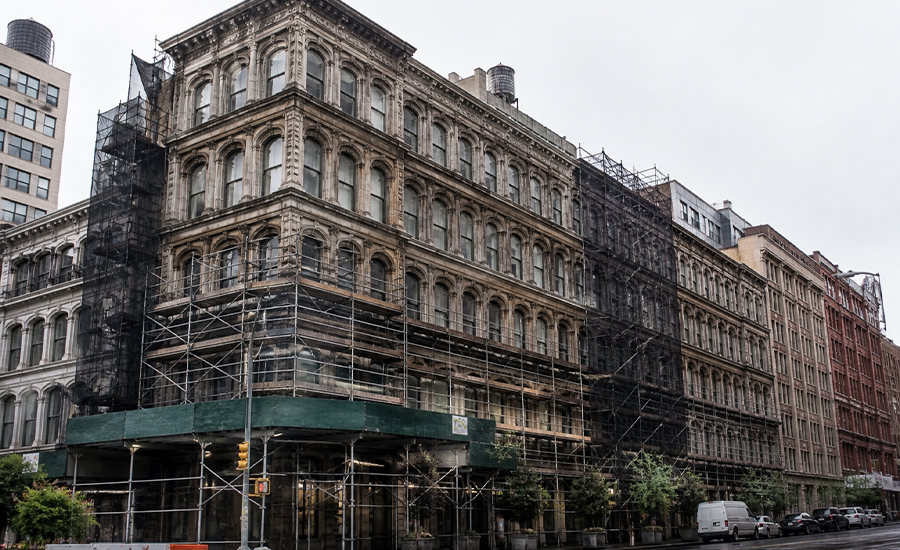
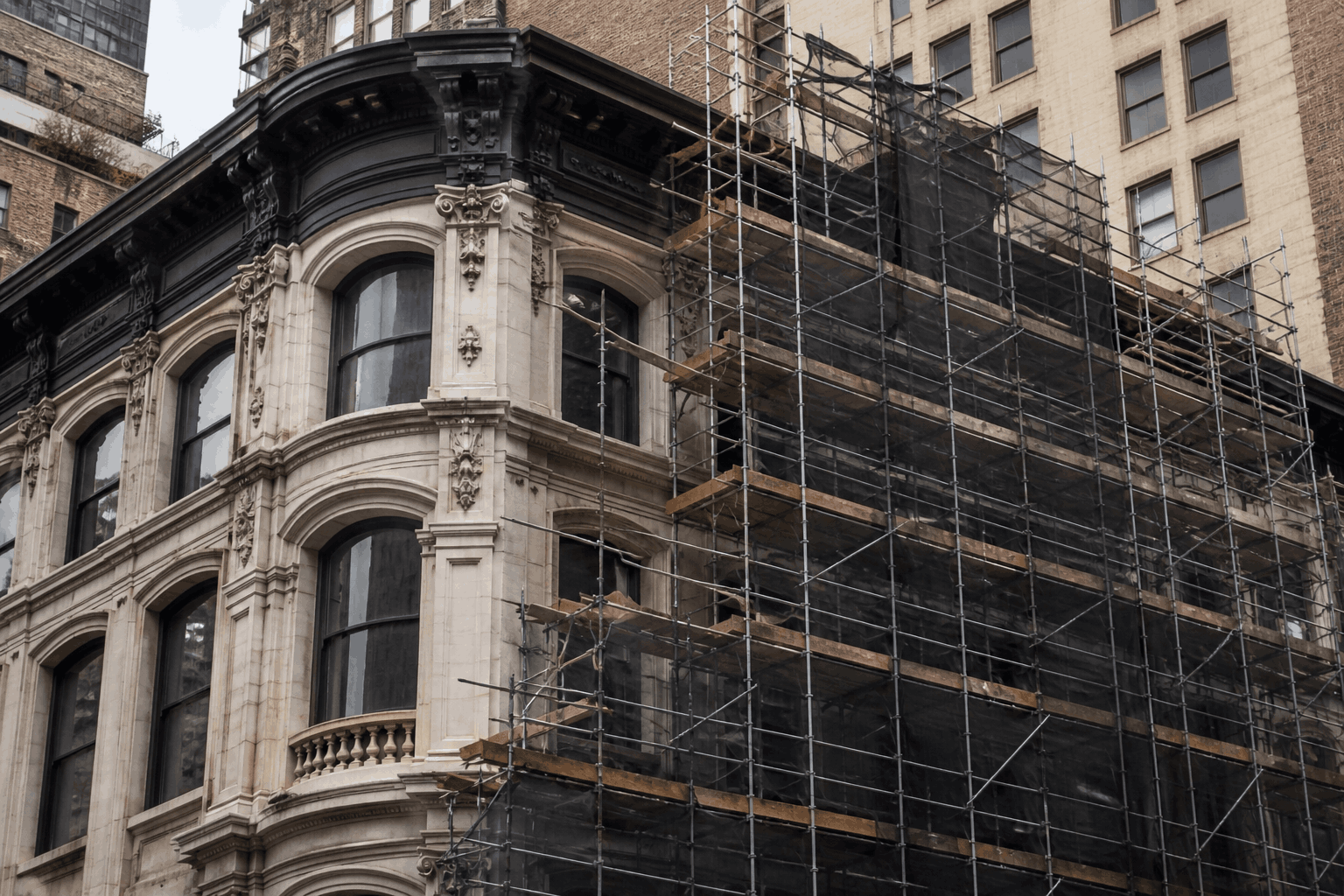
Historic building restoration in NYC involves more than repairing visible damage. It requires preserving original architectural features while meeting modern safety and compliance standards. Many residential and commercial properties across areas like Manhattan, Brooklyn, and the Bronx are part of the city’s historic fabric, which makes restoration work more complex than standard construction.
Older structures often hide underlying structural issues such as weakened masonry, moisture intrusion, or foundation movement. At the same time, strict regulations from the Department of Buildings, Local Law 11, and the Landmarks Preservation Commission must be followed to avoid penalties and ensure public safety. These factors make historic restoration a detailed and highly regulated process in New York City.
In this blog, you will explore the key challenges involved in historic building restoration in NYC, along with practical insights to manage these issues effectively while maintaining structural safety and historical accuracy.
- Ο Historic restoration in NYC requires balancing preservation, safety compliance, and structural stability.
- Ο Hidden structural issues are common in older buildings across Manhattan, Brooklyn, and the Bronx.
- Ο Maintaining original materials and architectural details can be difficult due to limited availability.
- Ο Compliance with Local Law 11 and LPC guidelines adds complexity to restoration projects.
- Ο Skilled labor, proper planning, and flexible budgeting are essential for successful outcomes.
What Makes the Restoration of Historic Properties Difficult in NYC?
Restoring older buildings in New York City comes with a unique set of challenges that go beyond standard repair work. From strict approval processes to hidden structural conditions, each project requires careful planning and technical expertise to move forward without delays.
In many cases, property owners in Manhattan, Brooklyn, and the Bronx deal with buildings that were constructed decades ago, where materials, design methods, and structural systems differ significantly from modern standards. This makes it difficult to apply current construction practices without affecting the building’s original character.
Here are the top five challenges that commonly affect historic building restoration projects in New York City.
1. Conserving Historical Accuracy
Maintaining the original appearance and character of a historic building is one of the most important aspects of restoration. Many NYC properties, especially older brownstones and pre-war buildings, require careful material selection and craftsmanship to preserve their architectural identity.
For property owners who are unsure whether their project requires preservation-focused work or standard repair, understanding the difference between landmark restoration and regular building repair can help clarify the right approach before work begins.
Major challenges:
- Matching original materials such as brick, stone, wood, and mortar
- Preserving architectural details and traditional workmanship
- Limited availability of period-specific construction materials
- Risk of altering the building’s historic character
Typical Issues & Solutions
| Challenges | Consequences | Strategy |
|---|---|---|
| Shortage of authentic material | Inconsistent finish | Use custom-built components or reclaimed materials |
| Improper restoration | Loss of historical accuracy | Follow documented restoration methods |
| Use of incompatible materials | Visual and structural mismatch | Select materials that match original composition |
2. Structural Wear and Underlying Damage
Historic buildings across NYC often experience long-term wear due to weather exposure, environmental stress, and aging materials. In many cases, structural issues are hidden behind walls or within masonry until restoration work begins.
This is why early inspection is important. Small cracks, loose mortar, and water entry can become expensive if ignored, especially in older structures where delayed masonry repairs often lead to higher costs over time.
Typical Structural Concerns:
- Cracked foundations
- Weak or unstable load-bearing walls
- Deteriorated mortar joints
- Moisture intrusion and internal damage
- Corrosion in metal components
Why is it complex?
- Damage is not always visible during initial inspection
- Structural issues may worsen once work starts
- Repairs must be done without disturbing the original construction
Structural Risk Analysis
| Problem | Underlying factors | Repair approach |
|---|---|---|
| Structural cracks | Ground movement | Load stabilization techniques |
| Masonry deterioration | Long-term environmental exposure | Targeted masonry restoration |
| Material damage | Water penetration | Localized repair and sealing |
3. Adherence to Modern Building Codes
Historic buildings in NYC must meet current safety and accessibility standards, which can conflict with their original design. This creates challenges when integrating modern systems into older structures without compromising their appearance.
Because many historic properties rely heavily on brick, stone, mortar, and load-bearing masonry, understanding why masonry remains important in building performance helps explain why code upgrades must be handled carefully.
Core project needs:
- Fire protection systems
- Electrical upgrades
- Plumbing improvements
- Accessibility compliance
Critical challenges:
- Installing systems without damaging historic features
- Limited space for modern upgrades
- Strict compliance with preservation regulations
Complications in Preservation Compliance
| Compliance needs | Complications | Integrated solutions |
|---|---|---|
| Fire protection systems | Impact on original structure | Concealed sprinkler systems |
| Accessibility upgrades | Design limitations | Carefully planned modifications |
| Electrical systems | Outdated wiring | Low-impact installation methods |
4. Hiring Skilled Artisans
Historic restoration in NYC requires specialized craftsmanship that is not widely available. Skilled professionals who understand traditional construction techniques are essential for maintaining structural integrity and visual authenticity.
Before starting this type of work, property owners should understand the role of a qualified masonry contractor, especially when repairs involve brick, stone, mortar, façade details, or structural masonry.
Technical Expertise:
- Traditional masonry
- Lime plaster work
- Wood restoration
- Decorative detailing
- Stone repair techniques
Why this is difficult:
- Limited availability of experienced artisans
- Higher labor costs compared to standard construction
- Longer project timelines due to detailed work
- Risk of poor-quality restoration if shortcuts are used
Limited Skilled Professionals
| Area of expertise | Significance | Obstacle |
|---|---|---|
| Brickwork | Structural strength and durability | Decline in traditional skills |
| Carpentry | Preserves original design elements | Limited trained workforce |
| Wall finishing | Surface protection and appearance | Shortage of specialists |
| Decorative work | Maintains historic value | Time-intensive process |
5. Limited Budget and Cost Factors
Restoration projects in NYC often exceed initial estimates due to hidden damage, regulatory requirements, and the need for specialized materials and labor. Budget planning becomes more complex as unexpected issues arise during the process.
In older residential and commercial buildings, costs can increase when repairs require custom materials, careful documentation, or phased work to protect the structure. A realistic budget should account for both visible damage and potential hidden issues found during inspection.
Cost Factors:
- Custom or hard-to-find materials
- Skilled labor requirements
- Structural repairs
- Extended timelines
- Permit and compliance costs
Budget Limitations:
- Hidden structural damage increases overall cost
- Delays caused by approval processes
- Custom materials add to project expenses
- Labor-intensive work extends timelines
Budget Analysis Table
| Cost factors | Explanation | Effect on budget |
|---|---|---|
| Project materials | Custom-fabricated or rare materials | Higher cost |
| Workforce | Requires skilled craftsmanship | Increased labor cost |
| Corrective work | Unexpected structural repairs | Budget expansion |
| Official permits | Required for compliance | Project delays and added cost |
Additional Factors That Impact Historic Restoration in NYC
Even after addressing the main restoration challenges, several external factors can influence how smoothly a project progresses in New York City. These factors are often overlooked during early planning but can significantly affect timelines, material performance, and compliance requirements.
In boroughs like the Bronx, Brooklyn, and Queens, environmental exposure, material compatibility, and approval processes can vary based on building type and location. Understanding these elements early helps property owners avoid delays and maintain both structural reliability and historical accuracy.
Environmental Conditions
- Continuous exposure to seasonal weather changes across NYC
- Freeze-thaw cycles and moisture intrusion, especially in older Bronx properties
- Long-term impact of humidity, rain, and temperature shifts on masonry
Cold temperatures can affect mortar, brick surfaces, and exterior wall systems, which is why understanding seasonal masonry damage and repair concerns is important before planning restoration work in the winter months.
Material Compatibility
- New materials must align with the original construction to prevent damage
- Incorrect combinations can weaken bonding and reduce durability
- Careful selection is required to maintain both strength and visual consistency
Material compatibility matters across all masonry work, including walls, façades, boundary structures, and exterior features. Property owners can better understand long-term durability by reviewing how masonry fences and similar structures depend on proper material selection.
Documentation and Approvals
- Detailed reporting is required for preservation and inspection authorities
- Approval timelines can vary depending on building classification
- Delays often occur if documentation is incomplete or non-compliant
Public Expectations
- Strong emphasis on maintaining original architectural identity
- Higher expectations in historic neighborhoods across Manhattan and Brooklyn
- Pressure to preserve both visual appeal and structural authenticity
Final Thoughts
Historic building restoration in NYC requires a balanced approach that considers preservation, structural stability, and regulatory compliance. From maintaining architectural accuracy to addressing hidden structural issues and adapting to modern codes, each stage of the process demands careful planning and skilled execution.
For property owners across Manhattan, Brooklyn, the Bronx, Queens, and Westchester, understanding these challenges early helps reduce risks, control costs, and ensure long-term durability. A well-managed restoration project not only protects the structure but also preserves its historical value within the city’s evolving landscape.
Sardar Restoration Corp supports residential and commercial properties across NYC with reliable solutions designed for local building conditions and compliance standards. If you are planning a project or need expert guidance, explore our landmark restoration in NYC services to understand how professional restoration can protect your property while maintaining its original character.
For more information or to discuss your property needs, call (+1) 917-355-8556, email sardarrestoration@gmail.com, or visit 2770 Fish Ave, Bronx, NY 10469, United States.
FAQs
What is the biggest challenge in restoring Manhattan’s historic buildings?
Maintaining original architectural details while meeting NYC safety and compliance standards is the biggest challenge, especially in older Manhattan properties.
How do professionals handle hidden structural damage in NYC buildings?
Experts identify hidden issues through detailed inspections and use targeted repair methods that protect both the structure and original design.
Can modern materials be used in historic restoration?
Yes, but only if they are compatible with original materials. Mismatched materials can weaken the structure and affect the appearance over time.
Why is historic restoration expensive in NYC?
Costs are higher due to skilled labor, custom materials, strict regulations, and unexpected structural repairs during the project.
Do Brooklyn’s historic buildings need to meet modern building codes?
Yes, most projects must follow current safety and accessibility rules while still preserving the building’s original character.
How long does a historic restoration project take in NYC?
Timelines vary based on condition and scope, but projects usually take longer due to detailed work, approvals, and hidden issues.
Do I need permits for historic building restoration in NYC?
Yes, most restoration projects require approvals from the Department of Buildings or the Landmarks Preservation Commission, depending on the property type.