 ChatGPT
 Perplexity
 Google AI
 Claude
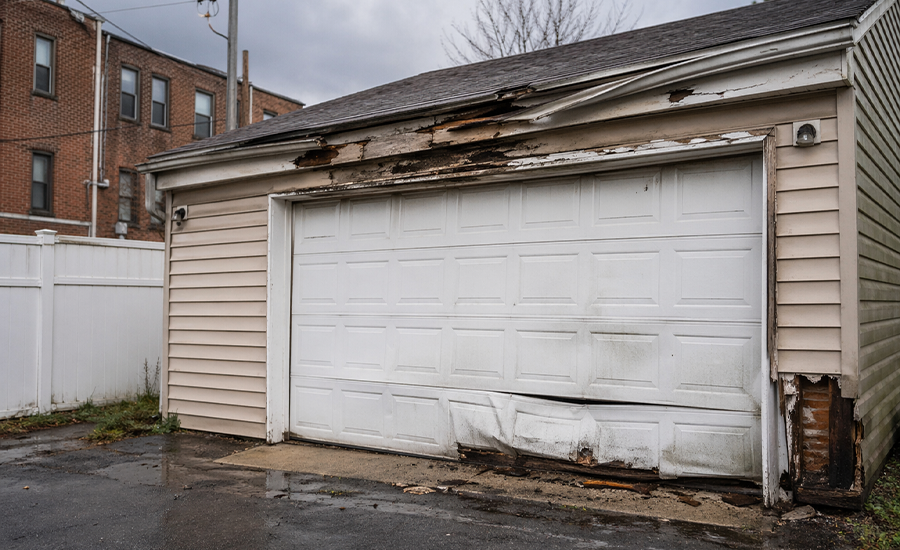
In NYC, a garage does more than just protect your vehicle. It plays a critical role in supporting your property’s structural stability under constant environmental and urban stress. From freeze-thaw cycles in winter to heavy rainfall and aging construction, garages in New York City face conditions that gradually weaken their structure.
Garage structures in NYC commonly fail due to moisture intrusion, foundation movement, and long-term temperature changes. Over time, issues like cracks, misalignment, or dampness may start small but can quickly develop into serious structural problems if not addressed early.
This guide explains the most common signs your garage structure needs repair, how to identify them early, and when it is the right time to involve a professional contractor in NYC before the damage becomes costly.
- Ο Small wall cracks often indicate deeper structural movement in NYC conditions.
- Ο A sagging roof usually signals weakened support or long-term water exposure.
- Ο Misaligned garage doors often point to frame shifting or foundation issues.
- Ο Moisture buildup gradually weakens walls, ceilings, and structural materials.
- Ο Visible deterioration, like rust or crumbling concrete, requires immediate attention.
How to Tell If Your Garage Structure Is Failing in NYC
Garage structural issues in NYC usually develop gradually due to moisture exposure, temperature fluctuations, and foundation movement. These factors weaken the structure over time, turning minor defects into visible problems that can affect safety and usability.
Early identification is essential. Recognizing these warning signs at the right stage helps prevent expensive repairs and protects both residential and commercial properties from long-term structural risks.
1. Wall and Surface Cracks
Cracks in garage walls are one of the earliest and most visible indicators of structural stress. In NYC, soil movement, aging construction, and freeze-thaw cycles often cause cracks to expand faster than expected. In many cases, what appears to be a surface issue can extend deeper within the structure, which is why detecting hidden moisture damage in masonry becomes important during professional inspections.
What to Look For
- Horizontal cracks running across walls
- Vertical cracks wider than 1/4 inch
- Stair-step (zig-zag) cracks in brickwork
- Cracks that continue to expand over time
- Gaps are forming between the wall and the floor
What It Indicates
- Foundation settlement or shifting
- Movement in underlying soil layers
- Moisture weakens structural integrity
Crack Severity Guide
| Crack Type | Risk Level | Recommended Action |
|---|---|---|
| Hairline cracks | Low | Monitor regularly |
| Vertical cracks | Medium | Schedule professional inspection |
| Horizontal cracks | High | Immediate repair required |
| Stair-step cracks | High | Structural assessment needed |
2. Uneven or Sagging Garage Roof
A properly functioning garage roof should remain straight and level. In NYC, heavy rain, snow load, and poor drainage often lead to roof deformation over time. These conditions become more severe during winter, when moisture issues during freezing weather in NYC accelerate damage through repeated freeze-thaw cycles.
What to Look For
- Visible dips or uneven rooflines
- Water is pooling on the roof surface
- Ceiling sagging inside the garage
- Cracked or weakened support beams
What It Indicates
- Compromised structural support
- Long-term water exposure
- Excess load from debris or snow accumulation
3. Garage Door Misalignment or Jamming
Garage door performance often reflects underlying structural problems. When the frame shifts, even slightly, the door loses proper alignment.
What to Look For
- Difficulty opening or closing the door
- Uneven spacing around door edges
- Door not sealing properly
- Grinding or unusual operating sounds
What It Indicates
- Frame misalignment
- Structural movement within the garage
- Foundation instability
Door Issue Breakdown
| Issue | Structural Cause | Risk Level |
|---|---|---|
| Hard to open | Frame out of alignment | Moderate |
| Uneven gaps | Structural shifting | High |
| Door won’t close | Foundation movement | High |
| Noisy operation | Frame wear | Moderate |
4. Moisture and Dampness Damage
Water intrusion is one of the most damaging factors for garage structures in NYC. Poor drainage, clogged gutters, and wall cracks allow moisture to enter and weaken materials over time. This type of exposure often leads to deeper structural concerns, including the long-term effects of moisture damage on NYC homes.
What to Look For
- Musty or damp odors
- Water stains on walls or ceilings
- Mold or mildew growth
- Standing water on the floor
- Rust on metal components
What It Indicates
- Ineffective drainage system
- Water entering through cracks or joints
- Roofing or gutter system failure
Impact of Moisture on Structure
- Weakens concrete and wooden elements
- Accelerates corrosion in metal components
- Promotes mold growth and indoor air issues
- Leads to gradual structural instability
Moisture Impact Overview
| Affected Area | Type of Damage | Long-Term Risk |
|---|---|---|
| Structural walls | Mold growth | Reduced strength |
| Foundation | Structural cracks | Risk of settlement |
| Roofing system | Water leakage | Uneven roofline |
| Steel components | Rust | Functional failure |
5. Visible Structural Deterioration
As garages age, materials begin to weaken. In NYC, constant environmental exposure accelerates this process, making visible damage a clear sign that repair work is overdue. In many cases, property owners reach a point where they must decide between minor fixes or a more extensive solution, especially when comparing garage renovation vs reconstruction differences to determine the most effective long-term approach.
What to Look For
- Rotting wooden elements
- Rusted steel supports
- Flaking paint or surface damage
- Crumbling concrete
- Open joints or separation gaps
What It Indicates
- Material fatigue over time
- Lack of maintenance
- Impact of harsh weather conditions
Why Early Garage Repairs Matter in NYC
Delaying garage repairs in NYC often leads to faster deterioration due to constant exposure to moisture, temperature fluctuations, and heavy urban usage. What starts as a minor issue can quickly turn into a major problem if not addressed at the right time.
Acting early helps protect the structure, reduce repair costs, and maintain safety for both residential and commercial properties.
Key Benefits of Early Garage Repairs:
- Helps prevent major damage caused by delayed fixes
- Maintains property value in competitive NYC markets
- Improves safety by reducing the risk of sudden failures
- Protects vehicles and stored belongings from environmental exposure
- Extends the lifespan of building materials and components
When Should You Call a Garage Repair Contractor in NYC?
Garage issues may seem minor at first, but visible structural problems should never be ignored. In NYC, strict building conditions and environmental exposure make early professional inspection essential.
If the damage affects alignment, stability, or moisture control, it is best to contact a qualified contractor before the issue worsens.
Signs You Should Call a Professional:
- Cracks are widening or spreading rapidly
- The roof shows visible sagging or uneven sections
- Moisture or water damage continues despite basic fixes
- The garage door no longer opens, closes, or aligns properly
- Structural materials show severe wear, rust, or decay
Final Thoughts
Garage issues in NYC rarely stay minor for long. With constant exposure to moisture, temperature changes, and heavy urban use, even small defects can quickly develop into serious structural problems if left unaddressed.
Acting early helps prevent costly repairs and protects the long-term safety and stability of your property. Issues such as cracks, moisture intrusion, or misalignment should be addressed as soon as they appear to avoid further damage and maintain a secure garage environment for both residential and commercial use.
Sardar Restoration Corp provides expert inspection and repair services across NYC, including the Bronx, Manhattan, Brooklyn, Westchester, and Queens. If you’re noticing any of these warning signs, it’s best to consult a professional masonry contractor in NYC for a proper assessment before the issue becomes severe.
For reliable garage and masonry repair services, call (+1) 917-355-8556, email sardarrestoration@gmail.com, or visit 2770 Fish Ave, Bronx, NY 10469, United States.
FAQs
How often should I inspect my garage structure in NYC?
It is recommended to inspect your garage at least twice a year, ideally after winter and summer. In NYC, seasonal changes like freeze-thaw cycles and heavy rain can accelerate structural damage, making regular checks important.
Are small cracks in garage walls a serious problem?
Small cracks are not always dangerous, but in NYC conditions, they can expand quickly due to soil movement and moisture exposure. Monitoring them early and repairing when needed helps prevent larger structural issues.
Can I fix a sagging garage roof myself?
Minor surface issues can sometimes be handled, but a sagging roof often indicates structural weakness. In most cases, it is safer to have a professional contractor inspect and repair the issue properly.
When should I call a professional for garage repairs?
You should contact a professional if you notice widening cracks, persistent water damage, roof sagging, or door misalignment. These signs usually indicate deeper structural problems that require expert attention.
How can I prevent moisture damage in my garage?
Maintaining proper drainage, sealing cracks, and ensuring gutters are working correctly can help prevent water intrusion. Regular inspections are especially important in NYC due to frequent weather changes.
What happens if I delay garage structural repairs?
Delaying repairs can lead to worsening structural damage, higher repair costs, and potential safety risks. In some cases, untreated issues may affect the overall stability of the property.
Do garages in NYC require structural inspections for compliance?
In some cases, especially for multi-story or attached structures, inspections may be required to meet local building safety standards. It’s best to consult a professional contractor familiar with NYC regulations.
Can foundation issues affect my garage structure?
Yes, foundation movement is one of the most common causes of garage damage in NYC. It can lead to cracks, misalignment, and structural instability if not addressed early.
Is garage repair different for residential and commercial properties?
Yes, commercial garages often handle heavier loads and require more frequent inspections, while residential garages focus more on moisture control and structural integrity. Both require proper maintenance in NYC conditions.