
 ChatGPT
 Perplexity
 Google AI
 Claude
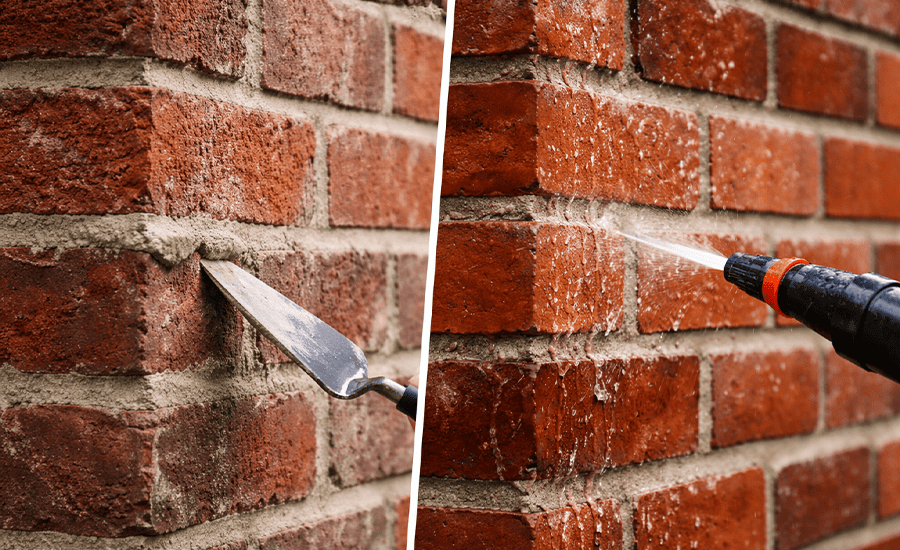
In masonry repairs and restorations, two of the most essential methods are brick pointing and waterproofing, which keep your brick and mortar properly bonded and sealed, protecting them from cracks, damp patches, loose bricks, or water stains. Although both protect brick structures, they work in very different ways. Make sure to understand the difference between the two methods to choose the proper protection, avoid wasted money, and prevent long-term damage.
In this blog, we’ll explore the differences between brick pointing and waterproofing, cost comparison, protection effectiveness, and mistakes to avoid.
Basics Of Brick Pointing
Brick pointing is the process of removing deteriorated mortar from between bricks and replacing it with new, compatible mortar. It offers the following characteristics:
- Seals open or cracked mortar joints.
- Restores structural stability.
- Prevents water from entering through joints.
- Improves the appearance of masonry.
- Extends the life of brickwork.
If you want a deeper breakdown of why this process matters for masonry health, read benefits of brick pointing for a complete overview.
Here are the conditions where you should opt for brick pointing:
- Mortar is cracked, loose, or missing.
- Bricks feel unstable or shifting.
- Water leaks follow mortar lines.
- Aging or historic brickwork with weak joints.
In colder climates, timing plays a key role, which is why can you do brick pointing in winter? is worth reviewing before planning repairs.
Basics Waterproofing
Waterproofing involves applying protective coatings or sealers to brick surfaces to reduce water absorption. It offers the following characteristics:
- Repels moisture from brick surfaces.
- Reduces water absorption and staining.
- Protects against freeze-thaw damage.
- Minimizes efflorescence.
- Improves resistance to harsh weather.
Here are the conditions where you should opt for waterproofing:
- Bricks are porous but structurally sound.
- Surface moisture or staining issues.
- Preventive protection in wet or cold climates.
- Newly repaired or newly constructed brickwork.
Level Of Protection: Brick Pointing vs Waterproofing
Let’s have a look at the comparison of the protection and structural soundness level of both methods:
| Affected issues | Brick Pointing | Waterproofing |
|---|---|---|
| Eroded joints | Highly effective | Not effective |
| Brick instability | Reinforces connection | Not beneficial |
| Surface dampness | Not effective | Highly effective |
| Salt deposits | Moderate | High-strength |
| Internal moisture damage | Suitable | Based on the cause |
What Are The Practices That Compromise Results?
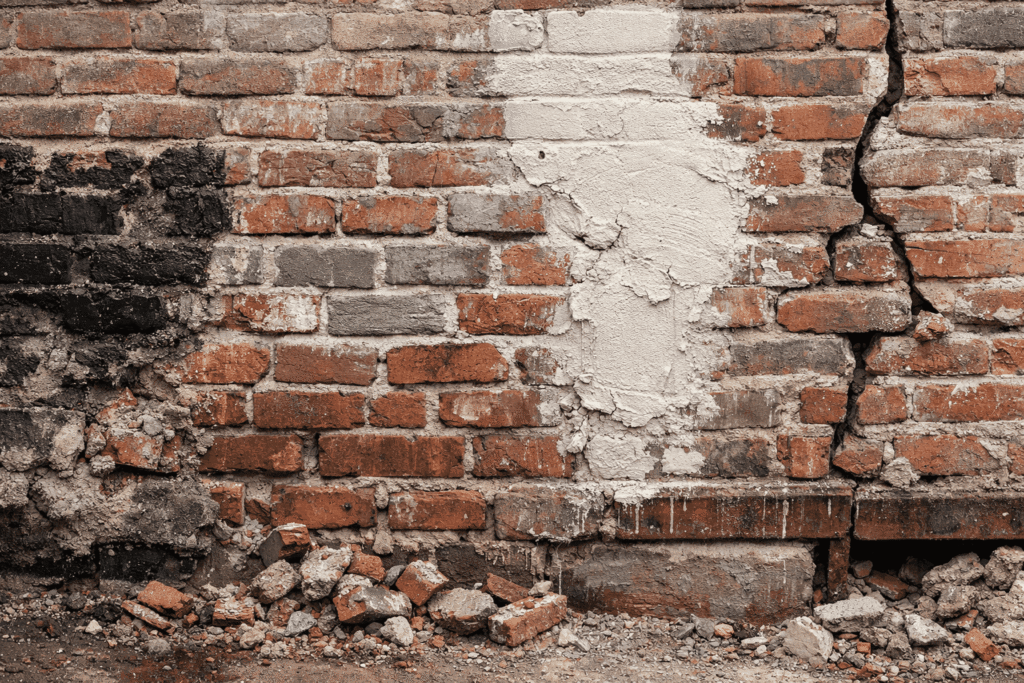
By applying these practices, you can elevate the risk of structural failure. Make Sure to avoid these steps:
- Waterproofing over failed mortar joints.
- Using rigid cement mortar on old bricks.
- Applying non-breathable coatings.
- Skipping curing time after repointing.
- Ignoring underlying structural issues.
To avoid winter-related failures, it’s recommended to follow the guidance shared in best temperature range for brick pointing in winter.
Which Method Is More Effective?
To identify which method has the best masonry health, look at the table below:
| Masonry health | Ideal method |
|---|---|
| Compromised joint integrity | Brick Pointing |
| Water-permeable bricks | Waterproofing |
| Moisture-related wall damage | Brick Pointing first |
| Need for durable defense | Pointing + Waterproofing |
Are They Cost-Effective Over Time?
Let’s have a look at the cost comparison between brick pointing and waterproofing:
| Elements | Brick Pointing | Waterproofing |
|---|---|---|
| Upfront expense | Increased | Reduced |
| Longevity | Decades | 5–15 years |
| Structural integrity | Intensive | Zero |
| Routine care | Very low | Routine renewal |
| Long-term return | Optimal | Average |
Final Verdict
The final verdict is that brick pointing seals the joints, and waterproofing acts as a barrier to repel moisture, but neither alone can work properly. Opt for brick pointing when the mortar is damaged, or the brick structure is deteriorated, and waterproofing when bricks have high porosity. Make sure to use both together for maximum durability and moisture defense.
Sardar Restoration Corp proudly serves every corner of NYC, including the Bronx, Manhattan, Brooklyn, Westchester, and Queens. Our services are designed to meet your specific needs, providing top-quality solutions wherever you are. Check our service areas to see how we can assist you in your location.
Contact us today at (+1) 917-355-8556 or sardarrestoration@gmail.com, or visit us at 2770 Fish Ave, Bronx, NY 10469, United States.
FAQs
Is brick pointing the same as waterproofing?
Not at all! Brick pointing differs from waterproofing: brick pointing repairs mortar joints, whereas waterproofing prevents water from reaching brick surfaces. Brick pointing strengthens the structure while waterproofing protects the structural surface.
Which protects better against water damage?
Both services protect from water damage. Brick pointing seals mortar joints, and waterproofing applies protective sealants to the joints to block water entry.
Can waterproofing replace brick pointing?
No! Waterproofing has one job: to protect brick and mortar surfaces from water infiltration. To waterproof the bricks, repair them before applying waterproofing sealants.
How long does brick pointing last?
Brick pointing can last approximately 25-50 years, provided it’s done correctly with the appropriate mortar type. The service life also depends on mortar quality, climate, and maintenance.
How long does waterproofing last?
Waterproofing can last for 5–15 years, depending on product type, sealant quality, and exposure to weather.
Which option is more cost-effective?
Brick pointing is the most cost-effective yet lasting solution. However, for short-term service, waterproofing is best. But personally, our expert brick pointing contractor in NYC recommends doing both for a longer lifespan.