 ChatGPT
 Perplexity
 Google AI
 Claude
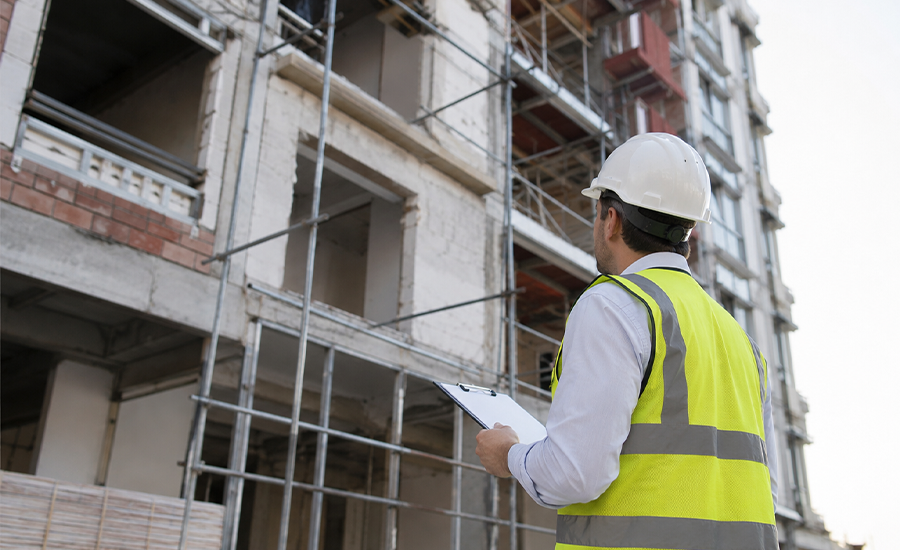
New York City buildings must meet strict safety, zoning, construction, and maintenance standards set by the NYC Department of Buildings (DOB). Whether the property is a residential brownstone, an apartment building, a mixed-use structure, or a commercial building, owners are responsible for keeping it safe, legal, and code-compliant.
DOB violations often happen when property owners delay maintenance, perform work without permits, ignore required inspections, or allow unsafe building conditions to continue. These issues can lead to fines, stop-work orders, repair costs, legal notices, and delays during property sales or renovations.
This article explains the top reasons buildings receive DOB violations in NYC and how property owners can reduce compliance risks before small problems become costly enforcement issues.
- Ο DOB violations often come from unsafe work, poor maintenance, and missing permits.
- Ο Unpermitted construction can trigger fines and Stop Work Orders.
- Ο Facade defects are a major issue for aging NYC buildings.
- Ο Illegal conversions can create fire, zoning, and occupancy risks.
- Ο Early repairs and licensed contractors help reduce DOB enforcement.
How DOB Violations Affect NYC Buildings
DOB violations are not just paperwork issues. They can affect building safety, property value, renovation timelines, tenant occupancy, and future transactions. Once a violation is issued, the owner is usually required to correct the condition, submit proof of compliance, and resolve any related penalties.
Ignoring DOB notices can increase the risk of costly property violation mistakes, especially when unsafe or non-compliant conditions remain unresolved.
Common consequences include:
- DOB fines and civil penalties
- Stop Work Orders
- Delayed renovation or construction projects
- Legal enforcement actions
- Unsafe building conditions
- Property sale or refinancing delays
- Higher repair costs
- Reduced buyer confidence
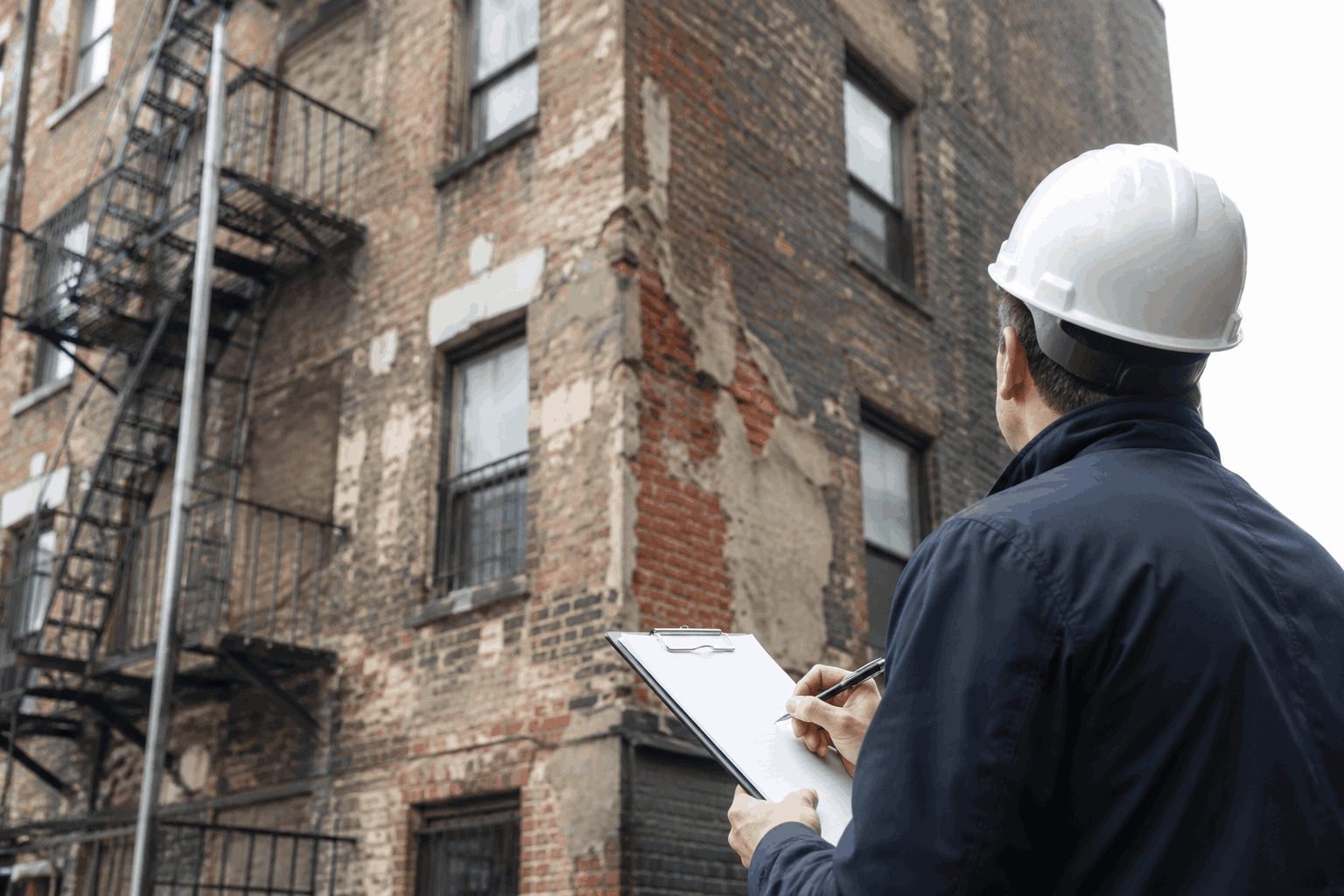
Addressing DOB violations early helps protect the building, reduce legal exposure, and maintain a safer environment for residents, workers, and the public.
5 Common Reasons Buildings Receive DOB Violations in NYC
The following issues are among the most common reasons buildings receive DOB violations in NYC. These problems often appear in older buildings, active construction sites, illegally altered spaces, and properties where routine inspections or repairs have been delayed.
1. Unpermitted Construction Work Without DOB Approval
One of the most common reasons buildings receive DOB violations is construction work performed without the proper permits. Some property owners assume small upgrades do not require approval, but DOB permits are often required for structural, plumbing, electrical, mechanical, roofing, facade, and occupancy-related work.
Unpermitted work can become a serious issue when it changes the structure, layout, safety systems, or approved use of a building. Property owners who ignore permit requirements may face fines, project delays, and corrective work before the building can return to compliance.
Common examples include:
- Removing or altering walls
- Structural modifications
- Plumbing upgrades
- Electrical rewiring
- Roof alterations
- Facade restoration
- Mechanical system installation
- Changing the approved property use
Why Property Owners Skip DOB Permits
| DOB Permit Problem | Common Compliance Risk |
|---|---|
| Unfiled construction work | Owners try to avoid permit filing costs |
| Work started before approval | Contractors rush the project timeline |
| Limited DOB code knowledge | Owners do not realize approval is required |
| Unlicensed contractor involvement | Contractors ignore permit and inspection rules |
Risks of Unpermitted Work
- Immediate Stop Work Orders
- DOB penalties
- Forced removal of completed work
- Delays in obtaining Certificates of Occupancy
- Structural or safety hazards
- Insurance complications
Unauthorized construction can also create long-term legal and financial problems during property sales, refinancing, or future renovation approvals.
2. Unsafe Facade Conditions and Exterior Wall Defects
Facade-related violations are common in NYC because exterior walls face weather exposure, moisture intrusion, freeze-thaw damage, aging masonry, and daily urban wear. When walls, parapets, balconies, lintels, or masonry components become unsafe, DOB can issue violations to protect pedestrians, neighboring buildings, and occupants.
Buildings taller than six stories must comply with NYC’s Facade Inspection and Safety Program, formerly known as Local Law 11. Property owners dealing with aging exterior walls should understand Local Law 11 compliance costs before minor defects turn into larger repair needs.
Exterior Wall Defects That Can Lead to DOB Violations
- Cracked masonry
- Loose bricks
- Spalling stone or concrete
- Bulging parapets
- Deteriorated mortar joints
- Rusted steel lintels
- Unsafe balconies
- Water penetration
| Facade Defect Type | DOB Safety Risk |
|---|---|
| Loose wall cladding | Falling material risk |
| Damaged parapet walls | Structural instability |
| Water penetration | Masonry and interior deterioration |
| Rust-weakened supports | Exterior wall safety hazard |
DOB inspectors take facade safety seriously because falling debris can injure pedestrians and damage nearby property. Issues such as rusted steel lintels should be inspected early because corrosion can weaken the surrounding masonry and exterior wall support.
3. Unsafe Construction Site Conditions and Poor Site Protection
Unsafe construction site conditions are another major reason the DOB takes enforcement action. NYC construction sites are often close to sidewalks, neighboring buildings, traffic, businesses, and residential spaces, so that poor site control can create serious safety risks.
These violations may result in Stop Work Orders, repeat inspections, penalties, and project delays. Many problems can be avoided when contractors follow approved plans, maintain site protection, and correct hazards before they become public safety issues.
Common Construction Site Safety Issues
- Unsafe scaffolding
- Missing or improper sidewalk sheds
- Inadequate fall protection
- Poor debris containment
- Hazardous excavation work
- Unsecured materials
- Unsafe demolition practices
| Construction Safety Violation | DOB Enforcement Action |
|---|---|
| Unsafe work environment | Stop Work Order |
| Missing protective measures | DOB penalties |
| Poor site supervision | Additional inspections |
| Work outside approved plans | Required correction and reinspection |
Construction companies that ignore approved drawings, safety requirements, or site protection rules often face repeated DOB inspections. Property owners should also understand how ignored NYC building violations can become more expensive when unsafe conditions remain unresolved.
4. Illegal Conversions and Occupancy Code Violations
Illegal conversions are a frequent cause of DOB violations in NYC. These violations usually happen when a property is used in a way that does not match its approved occupancy, zoning, or Certificate of Occupancy.
Many cases involve basements, cellars, attics, or divided apartments being used as living spaces without approval. These conditions are taken seriously because they can create fire safety risks, overcrowding, poor ventilation, blocked exits, and unsafe living conditions.
Common Illegal Occupancy Issues
- Basement apartments
- Cellar living spaces
- Dividing apartments into smaller units
- Illegal rooming houses
- Attic conversions
| Illegal Occupancy Issue | DOB Code Violation Risk |
|---|---|
| Unauthorized residential use | Zoning non-compliance |
| Non-permitted living space | Fire safety deficiencies |
| Insufficient exit access | Emergency safety risk |
| Overcrowded units | Unsafe living conditions |
Illegal spaces often fail to meet NYC standards for fire exits, ventilation, ceiling height, electrical safety, plumbing systems, and approved occupancy classifications. Properties with emergency access concerns should also be checked against NYC fire escape safety code requirements, where applicable.
Risks of Illegal Occupancy
- Vacate orders
- DOB penalties
- Fire hazards
- Legal liabilities
- Tenant safety concerns
- Insurance issues
Illegal conversions are heavily enforced because they can place occupants at serious risk during emergencies.
5. Missed Required Inspections and Poor Building Maintenance
Many DOB violations happen because owners fail to complete required inspections or allow routine maintenance problems to continue. In NYC, certain building systems and exterior components must be inspected, maintained, and repaired on schedule to remain compliant.
This is especially important for older residential and commercial properties where exterior walls, roofs, fire escapes, boilers, elevators, and drainage systems can deteriorate over time.
| Building System | Required DOB Compliance Check |
|---|---|
| Facades | Scheduled FISP inspections |
| Elevators | Periodic safety inspections |
| Boilers | Required routine inspections |
| Fire protection systems | Safety checks and compliance records |
| Exterior building elements | Ongoing maintenance and repair tracking |
Maintenance Problems That Can Trigger DOB Violations
- Deteriorated structural elements
- Leaking roofs
- Unsafe stairways
- Damaged fire escapes
- Faulty building systems
- Neglected exterior walls
A small maintenance issue can become a DOB violation when it affects public safety, building stability, or required code compliance. For facade-related risks, understanding why Local Law 11 inspections fail in NYC can help owners prepare before the next inspection cycle.
How Preventive Maintenance Helps Avoid DOB Violations
Preventive maintenance is one of the strongest ways to reduce DOB violation risk. Regular inspections, early repairs, and proper documentation help property owners identify unsafe conditions before they lead to enforcement action.
For residential and commercial properties, preventive maintenance should include exterior wall checks, roof inspections, drainage review, fire escape assessments, structural repairs, and permit review before renovation work begins.
Routine maintenance helps property owners:
- Reduce long-term repair expenses
- Avoid unsafe conditions
- Extend building lifespan
- Improve occupant safety
- Prevent DOB penalties
- Maintain property value
Most violations begin as small problems. When they are ignored, they can develop into unsafe conditions, legal issues, and expensive repairs.
How to Reduce the Risk of DOB Violations
Property owners can reduce DOB violation risk by staying proactive instead of waiting for inspectors, tenants, or neighbors to report a problem. This is especially important in NYC, where dense streets, older buildings, and active construction zones increase safety exposure.
Key steps include:
- Secure the required DOB permits before starting work
- Hire licensed and insured contractors
- Schedule regular building inspections
- Repair facade and roof damage promptly
- Keep permit and maintenance records organized
- Follow approved construction plans
- Review occupancy use before renting or converting spaces
If a property already has an open issue, professional DOB violation removal support in NYC can help owners understand the repair scope, correct unsafe conditions, and move toward compliance without unnecessary delays.
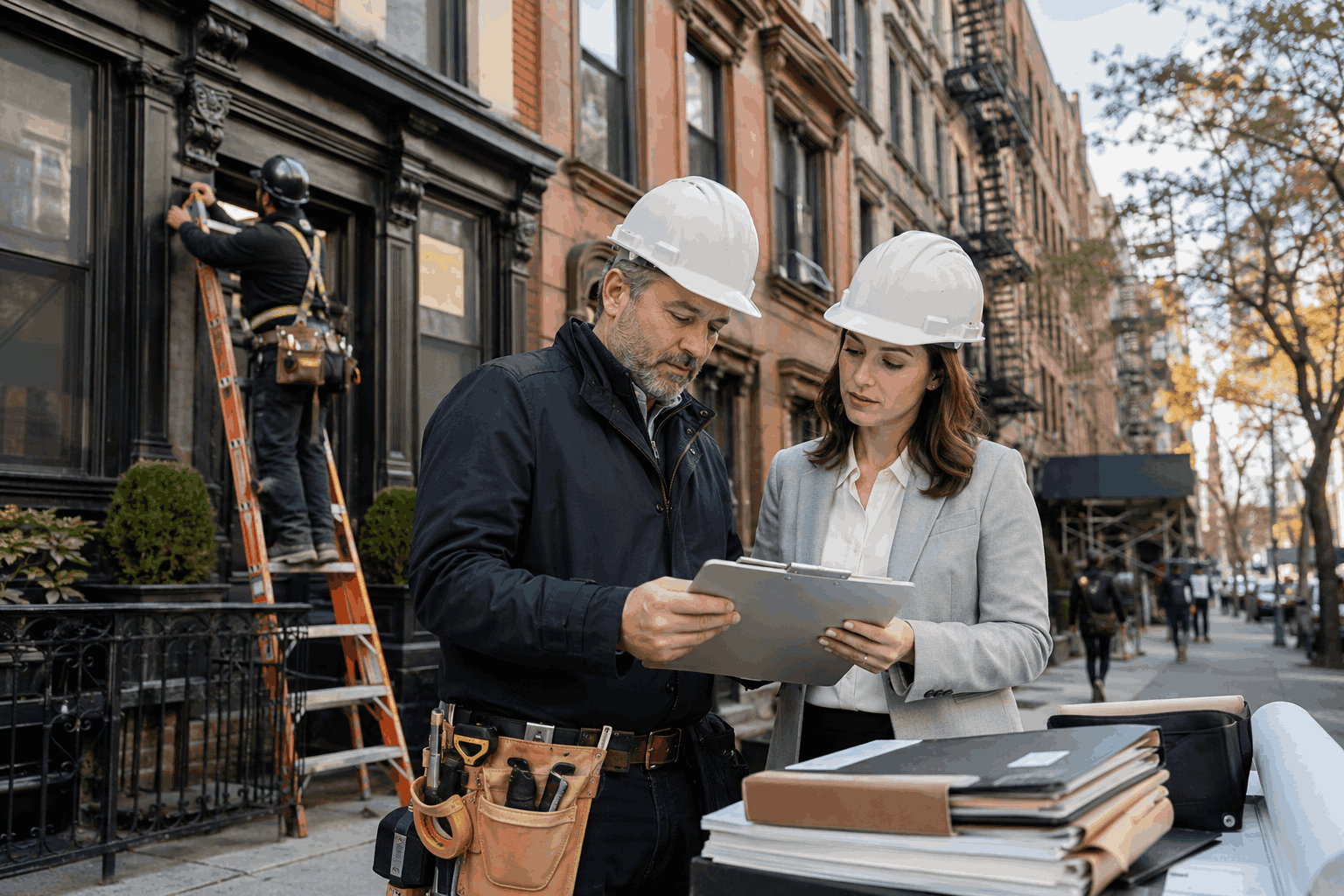
Warning Signs Your Property May Be at Risk of DOB Violations
DOB violations often begin with visible defects, unsafe conditions, or unapproved changes. Property owners should act early when these signs appear.
Exterior Wall and Façade Damage
Cracked masonry, loose bricks, damaged cladding, bulging parapets, rusted lintels, and water stains can point to facade deterioration. If these issues are visible, timely facade restoration in NYC can help prevent unsafe exterior conditions from becoming DOB violations.
Water Leaks and Moisture Intrusion
Roof leaks, basement dampness, interior stains, and bubbling paint may indicate building envelope failure. Moisture problems can weaken masonry, damage structural materials, and increase future repair costs.
Unsafe Fire Escapes or Exit Access
Rusted fire escapes, loose stairs, blocked exits, and damaged platforms can create serious emergency safety risks. For older buildings, professional fire escape repair in NYC can help correct unsafe access issues before they become larger compliance problems.
Unapproved Interior Changes
Extra rooms, cellar living spaces, divided units, and overcrowded areas may signal illegal occupancy or unpermitted layout changes. These conditions can lead to DOB penalties, vacate orders, and fire safety concerns.
Unsafe Construction Site Conditions
Missing sidewalk protection, unsafe scaffolding, exposed debris, and unsecured materials can trigger DOB enforcement. These issues should be corrected quickly to reduce the risk of Stop Work Orders.
Delayed Building Maintenance
Leaking roofs, unsafe stairs, damaged exterior walls, failing boilers, and neglected structural components can become DOB issues when repairs are ignored. Early inspections help prevent small defects from turning into costly violations.
Final Thoughts on Preventing DOB Violations in NYC
DOB violations in NYC commonly happen because of unpermitted construction, unsafe site conditions, facade deterioration, illegal occupancy, and missed inspections. Property owners can reduce these risks by maintaining their buildings, hiring qualified contractors, keeping records, and correcting small issues before they become serious compliance problems.
Sardar Restoration Corp helps residential and commercial property owners with inspection, repair, restoration, and code-related building solutions across NYC, including the Bronx, Manhattan, Brooklyn, Westchester, and Queens. If you need a trusted violation removal contractor in NYC, the team can help identify building issues, plan corrective repairs, and support safer long-term compliance.
For expert inspections and repair solutions, call (+1) 917-355-8556, email sardarrestoration@gmail.com, or visit 2770 Fish Ave, Bronx, NY 10469, United States.
FAQs
What is a DOB violation in NYC?
A DOB violation is an official notice issued when a property does not comply with NYC building, zoning, safety, or construction rules.
What are the most common DOB violations in NYC?
Common DOB violations include unpermitted work, unsafe construction sites, facade defects, illegal conversions, and missed required inspections.
Can DOB violations affect a property sale?
Yes. Open DOB violations can delay sales, reduce buyer confidence, affect financing, and require correction before closing.
What happens if construction work is done without a permit?
DOB may issue fines, Stop Work Orders, correction requirements, and additional inspections until the work is properly resolved.
Are facade inspections mandatory in NYC?
Yes. Buildings taller than six stories must follow FISP requirements, and missed inspections can lead to penalties and compliance issues.
Why are illegal conversions serious in NYC?
Illegal conversions can create fire, ventilation, exit, plumbing, and occupancy risks, especially in basements, cellars, and overcrowded units.
Do DOB violations always come with fines?
Many DOB violations include fines, but the amount depends on the violation type, severity, correction status, and enforcement process.
How can property owners prevent DOB violations?
Owners can prevent many violations by getting permits, hiring licensed contractors, scheduling inspections, and repairing unsafe conditions early.