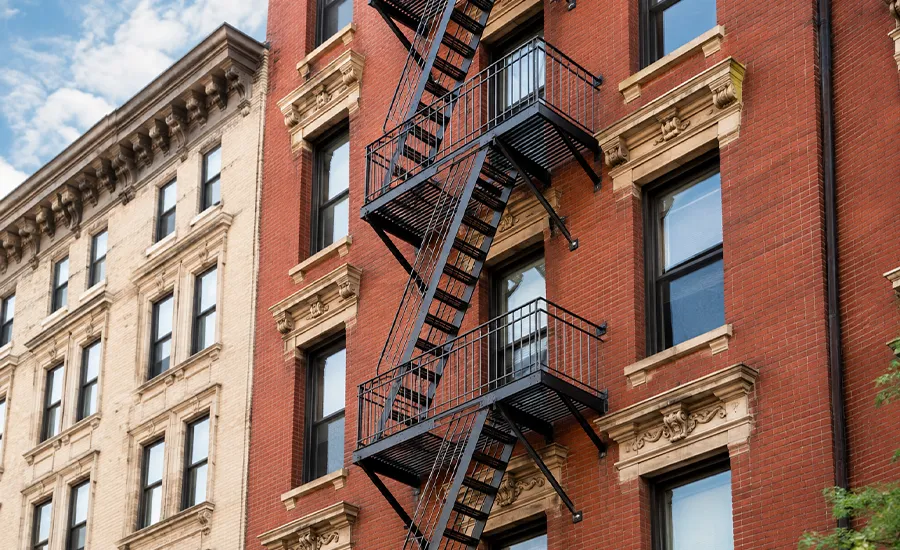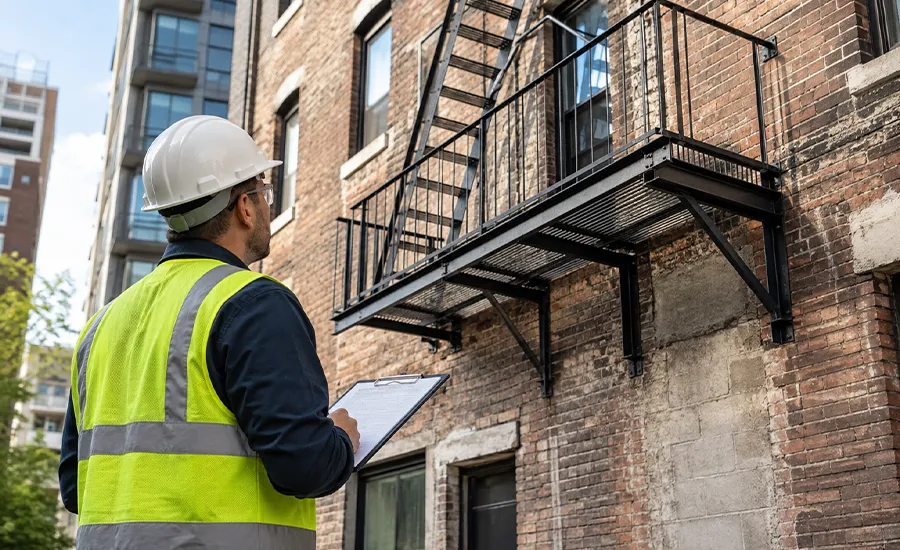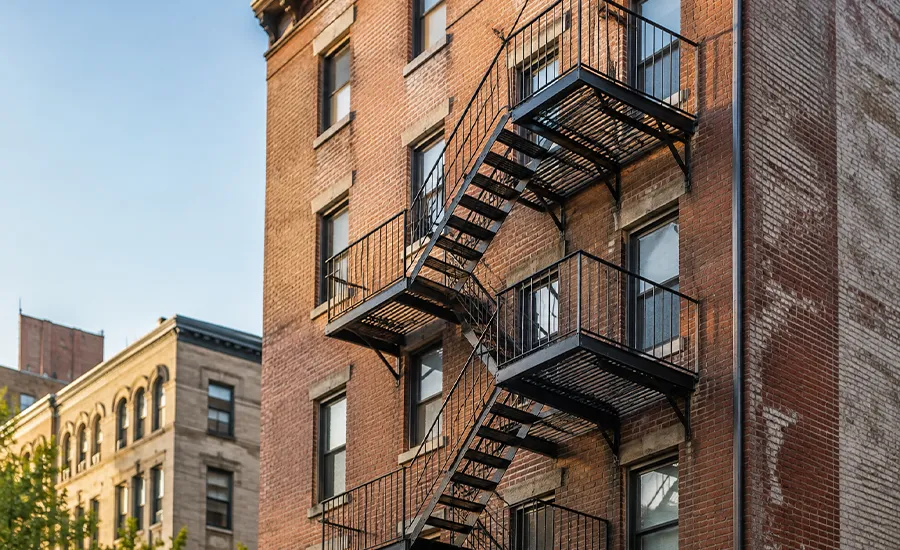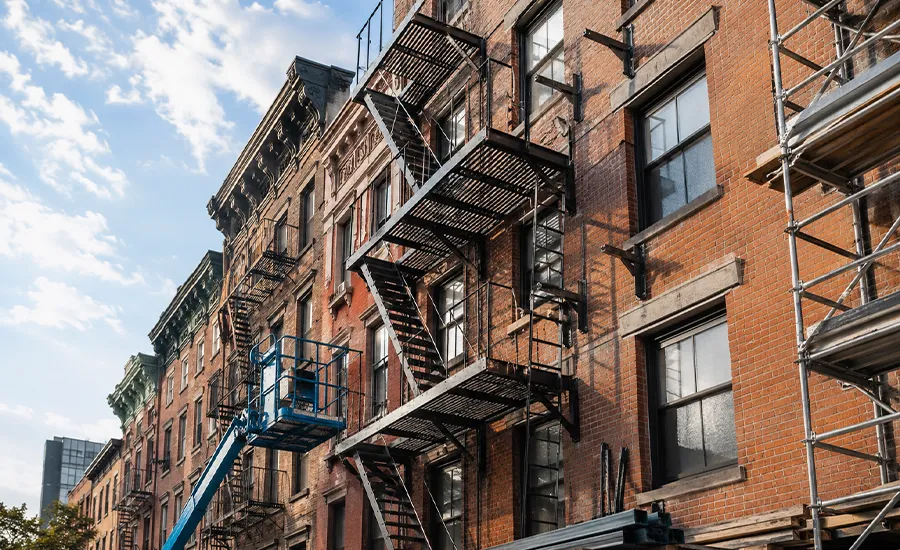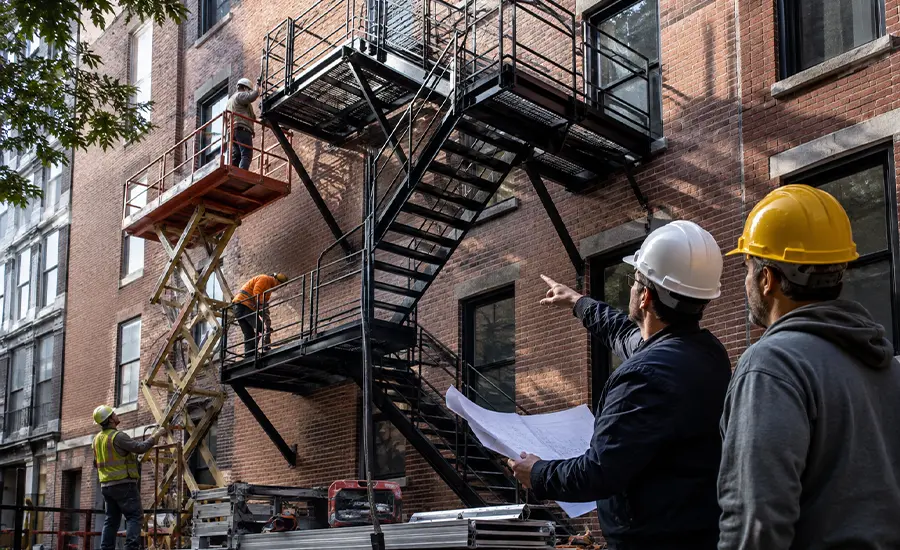
 ChatGPT
 Perplexity
 Google AI
 Claude
Local Law 11 inspections are essential for buildings over six stories in New York City. These facade inspections, officially known as the Facade Inspection and Safety Program (FISP), are required to maintain structural stability and protect pedestrians in high-density areas.
Buildings fail NYC facade inspections mainly due to facade deterioration, water infiltration, poor maintenance, structural instability, and incomplete compliance documentation. These issues are commonly identified during inspections and can lead to violations, penalties, or unsafe classifications.
If your building is repeatedly failing a facade inspection in NYC, understanding the root causes is critical. Identifying these issues early helps property owners stay compliant with NYC Department of Buildings (DOB) regulations, avoid costly repairs, and maintain long-term building safety.
- Ο Local Law 11 (FISP) inspections are mandatory for NYC buildings taller than six stories and must be completed every five years.
- Ο Facade failures are often caused by underlying structural issues such as corrosion, moisture damage, and material aging.
- Ο Temporary or incorrect repairs can lead to repeated inspection failures and higher long-term costs.
- Ο Proper documentation and compliance records are essential for passing NYC facade inspections.
- Ο Working with licensed facade inspection professionals and contractors improves compliance accuracy and safety outcomes.
What is Local Law 11 (FISP)?
Local Law 11, also known as the Facade Inspection and Safety Program (FISP), requires buildings in New York City that are over six stories tall to undergo facade inspections every five years. These inspections must be conducted by qualified professionals and submitted to the NYC Department of Buildings (DOB).
After inspection, buildings are classified into three categories:
- Safe – No issues found, facade is stable.
- Safe with a Repair and Maintenance Program (SWARMP) – Repairs are required within a specified timeframe.
- Unsafe – Immediate hazards exist, and urgent corrective action is required.
Failing to address facade issues or missing required filings can result in violations, fines, and increased safety risks, especially in dense urban areas where falling debris can pose serious threats.
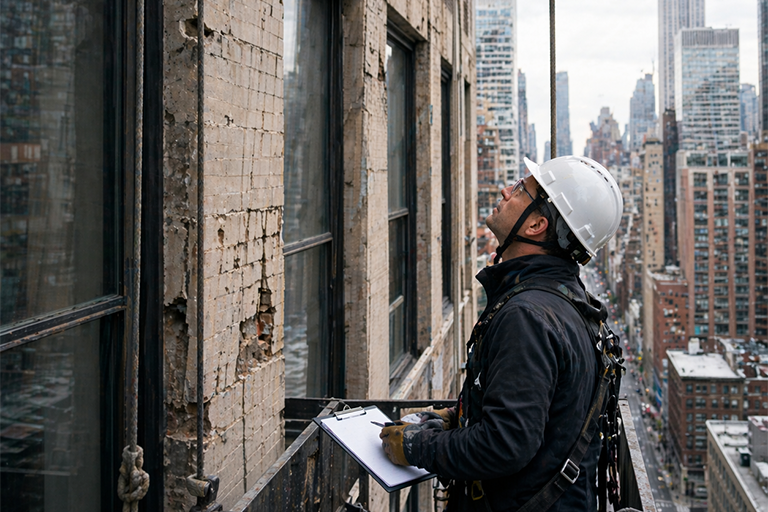
Top Reasons Buildings Fail Local Law 11 Inspections in NYC
Despite regular inspection requirements, many buildings in New York City fail Local Law 11 (FISP) inspections due to overlooked structural issues and compliance gaps. Below are the most common reasons identified during facade inspections that lead to violations or unsafe classifications.
1. Degraded Brickwork and Mortar Failure
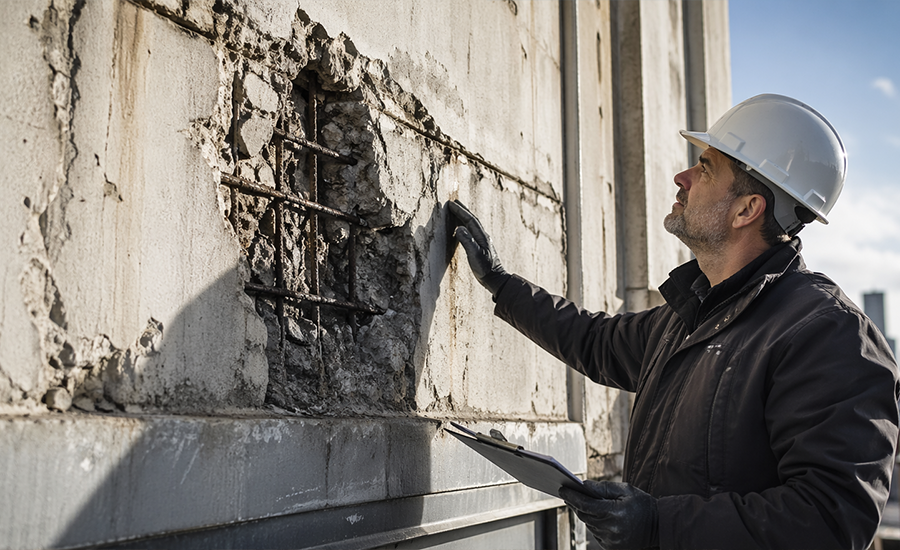
Damaged brickwork is one of the leading causes of failure in NYC facade inspections. Over time, brick and mortar joints weaken due to constant exposure to harsh weather, freeze-thaw cycles, and aging construction materials.
Common causes include:
- Continuous weather exposure
- Freeze-thaw expansion and contraction
- Poor-quality initial construction
Visible warning signs:
- Deteriorating masonry surfaces
- Missing or eroded mortar joints
- Bulging or shifting walls
When left untreated, these issues can result in loose masonry and falling debris, which is a major safety concern in high-traffic areas.
2. Water Penetration and Moisture Damage
Water infiltration is one of the most critical factors behind facade failure in Local Law 11 inspections. Poor drainage systems, failed waterproofing, and aging materials allow moisture to enter the building envelope.
Impact of moisture intrusion:
- Corrosion of embedded steel components
- Mold and mildew development
- Interior water leaks
- Gradual structural weakening
In many properties, prolonged moisture exposure accelerates facade deterioration and leads to costly violations if not addressed early, highlighting the importance of timely facade repairs in NYC.
3. Deferred Maintenance and Neglect
Lack of routine maintenance significantly increases the risk of failing a facade inspection. Many multi-story buildings develop minor defects over time that turn into major structural concerns when ignored.
Signs of poor maintenance:
- Unrepaired cracks and surface damage
- Blocked or inefficient drainage systems
- Loose facade components
- Worn or failing sealants
Delaying small repairs often results in higher long-term costs and increases the likelihood of inspection failure under FISP requirements, especially when property owners underestimate the cost of Local Law 11 inspections and repairs.
4. Unsafe or Loose Facade Elements
Facade components that are unstable or improperly secured are considered immediate hazards under NYC safety standards. Inspectors prioritize pedestrian safety, especially in densely populated areas.
Typical hazardous conditions:
- Loose or falling bricks and stones
- Unstable parapets and coping units
- Cracked or weakened lintels
- Detached decorative facade elements
Any risk of falling debris can lead to an Unsafe classification and may require urgent corrective action or protective measures.
5. Corroded Structural Support Components
Steel elements within the facade system, such as lintels and reinforcement bars, are highly vulnerable to corrosion when exposed to moisture over time.
Common problem areas:
- Steel lintels above windows and openings
- Wall ties and metal connectors
- Embedded reinforcements
As corrosion expands, it creates internal pressure within the masonry, leading to cracks, displacement, and visible facade damage that often fails inspection.
6. Improper or Non-Compliant Repairs
In many cases, buildings fail inspections due to previously completed repairs that do not meet NYC building codes or FISP standards.
Common repair issues:
- Use of incompatible or low-quality materials
- Poor workmanship or incorrect repair methods
- Temporary fixes instead of permanent solutions
During inspection, these deficiencies are identified and often require full corrective work to meet compliance standards, especially when they result from common mistakes property owners make when fixing facade violations.
7. Missing or Incomplete Compliance Documentation
Documentation plays a critical role in Local Law 11 compliance. Even structurally sound buildings can face issues if proper records are not maintained or submitted correctly, especially when property owners lack a clear understanding of Local Law 11 requirements in NYC.
Required documentation may include:
- Inspection reports filed with DOB
- Repair and maintenance records
- Engineering certifications and approvals
Incomplete or missing documentation can delay approvals, trigger violations, and prevent successful FISP filing.
8. Aging and Outdated Building Systems
Older structures are more prone to facade issues due to material degradation and outdated construction practices.
Common age-related problems:
- Material fatigue and weakening
- Obsolete construction techniques
- Long-term wear and deterioration
Without proper upgrades and reinforcement, aging properties are more likely to fail facade inspections.
9. Parapet and Rooftop Deterioration
Parapets and roof-level components are highly exposed to environmental stress, making them one of the most common failure points in facade inspections.
Typical issues include:
- Cracked or displaced coping stones
- Loose or unstable parapet walls
- Ineffective or damaged waterproofing systems
These conditions are considered high-risk because falling debris from upper levels can directly endanger pedestrians below.
10. Unresolved SWARMP Repair Requirements
Buildings previously classified as SWARMP must complete recommended repairs within a specified timeframe.
Failures typically occur when:
- Recommended repairs are delayed
- Identified issues are ignored
- Follow-up inspections are not completed
If SWARMP conditions are not resolved, the building may be reclassified as Unsafe in the next inspection cycle, leading to stricter enforcement and penalties.
How to Pass Local Law 11 Inspections in NYC (Best Practices)
Passing a Local Law 11 inspection requires proactive maintenance, proper documentation, and compliance with NYC Department of Buildings (DOB) standards.
- Schedule Annual Facade Inspections: Conduct regular checks to identify issues early instead of waiting for the five-year cycle
- Address Minor Defects Immediately: Fix small cracks and water entry points before they escalate into structural problems
- Work with Licensed NYC Professionals: Hire qualified inspectors, engineers, and contractors familiar with FISP requirements
- Maintain Detailed Compliance Records: Keep all inspection reports and repair logs organized for smooth approvals
- Use Code-Compliant Materials and Methods: Ensure all repairs meet NYC building codes and long-term durability standards
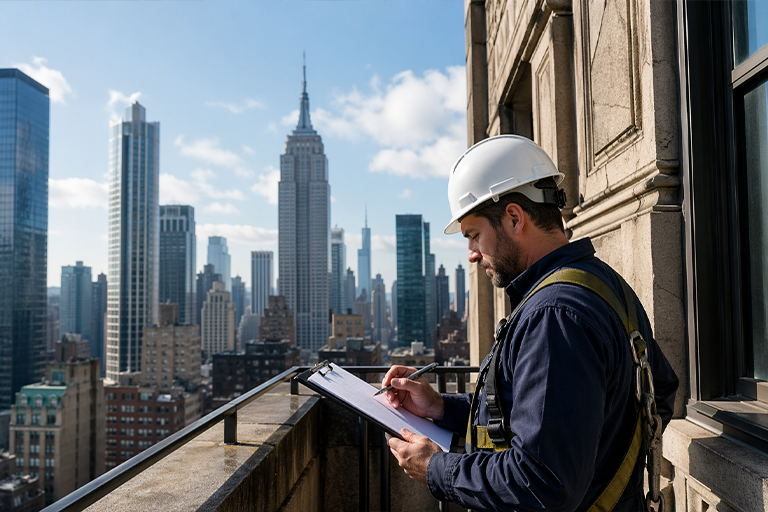
Preventive Maintenance Checklist for Local Law 11 Compliance
The following maintenance schedule helps reduce the risk of inspection failure and supports long-term facade compliance in NYC.
| Scope of Work | Service Frequency | Risk Level |
|---|---|---|
| Facade condition assessment | Annually | High |
| Leak detection and waterproofing checks | Every 2–3 years | High |
| Brickwork and mortar repairs | As required | Critical |
| Drainage system cleaning | Every 6 months | Medium |
| Structural framework evaluation (FISP cycle) | Every 5 years | Critical |
Final Thoughts
Local Law 11 inspections play a critical role in maintaining facade safety and protecting public spaces across New York City. Most inspection failures are linked to preventable issues such as delayed maintenance, hidden structural damage, or incomplete compliance records.
By addressing problems early and following a structured maintenance plan, property owners can reduce the risk of violations, avoid emergency repairs, and maintain long-term building stability. Regular facade monitoring and timely repairs remain the most effective way to stay compliant with NYC regulations.
Sardar Restoration Corp supports residential and commercial properties across NYC, including the Bronx, Manhattan, Brooklyn, Westchester, and Queens. If your building requires a professional inspection or repair assessment, working with an experienced local law 11 contractor in NYC can help you stay compliant and avoid costly penalties. Contact our team at (+1) 917-355-8556, email sardarrestoration@gmail.com, or visit 2770 Fish Ave, Bronx, NY 10469, United States.
FAQs
What happens if a building fails a Local Law 11 inspection?
If a building fails a Local Law 11 inspection, the identified issues must be corrected within a defined timeframe. Failure to comply can result in DOB violations, penalties, or unsafe conditions.
How often are Local Law 11 inspections required in NYC?
Buildings taller than six stories must be inspected every five years under the Facade Inspection and Safety Program (FISP).
What does SWARMP mean in Local Law 11?
SWARMP stands for Safe With a Repair and Maintenance Program, meaning repairs are required within a specific timeframe while the building remains safe.
What is an Unsafe classification under Local Law 11?
An Unsafe classification means there is an immediate hazard on the building facade that can pose a risk to public safety. This requires urgent repairs and may involve protective measures like sidewalk sheds.
Can minor cracks cause a building to fail inspection?
Minor cracks alone may not cause failure, but they often indicate deeper structural issues that can worsen over time.
What repairs are commonly required after a failed inspection?
Typical repairs include masonry restoration, waterproofing, sealant replacement, and fixing deteriorated facade components.
Do all buildings in NYC need Local Law 11 inspections?
No, Local Law 11 inspections apply only to buildings that are taller than six stories in New York City. Smaller buildings are not required to follow the FISP cycle but may still need regular maintenance to ensure safety.
Who is qualified to perform a Local Law 11 inspection in NYC?
Only licensed professionals, such as Qualified Exterior Wall Inspectors (QEWI), are authorized to conduct facade inspections and submit reports to the NYC Department of Buildings (DOB).