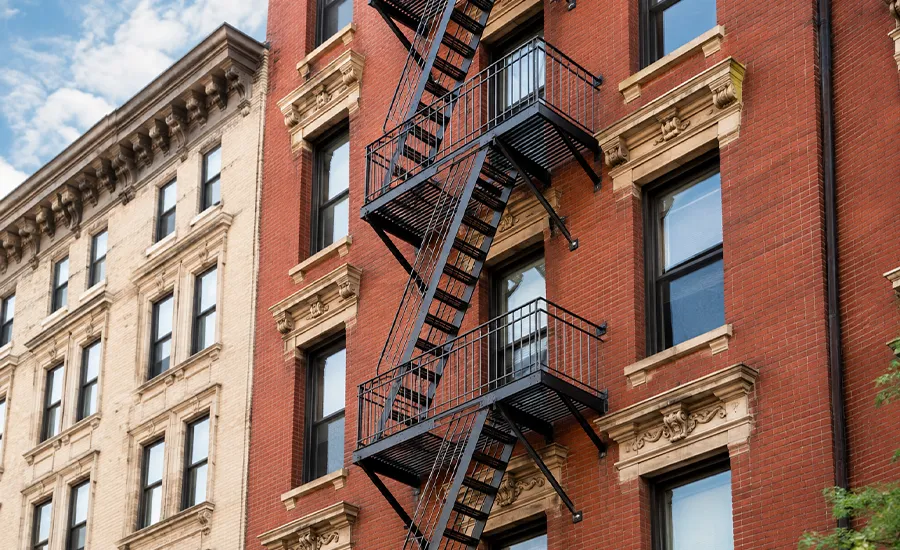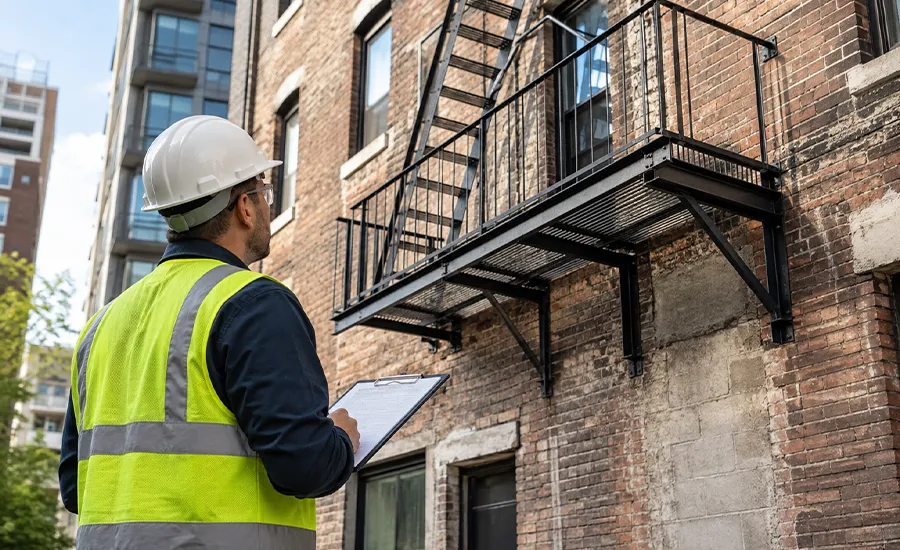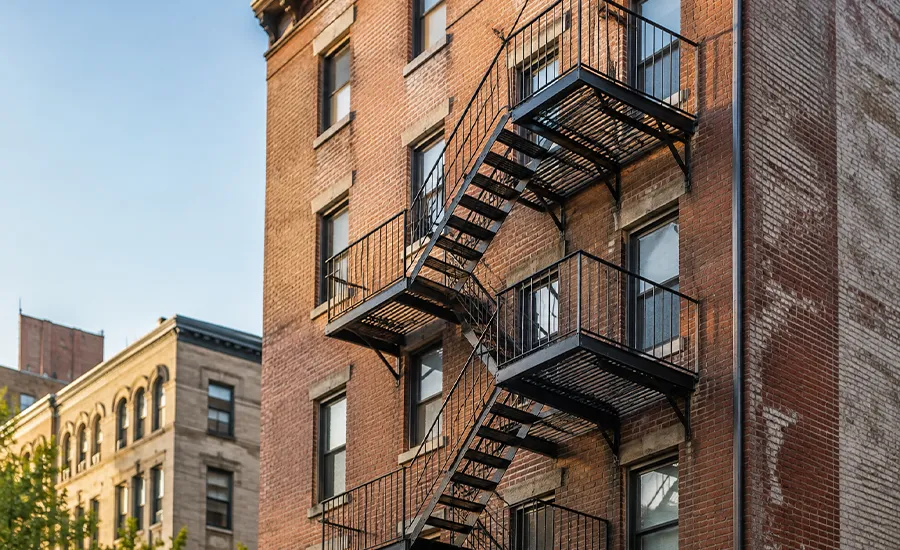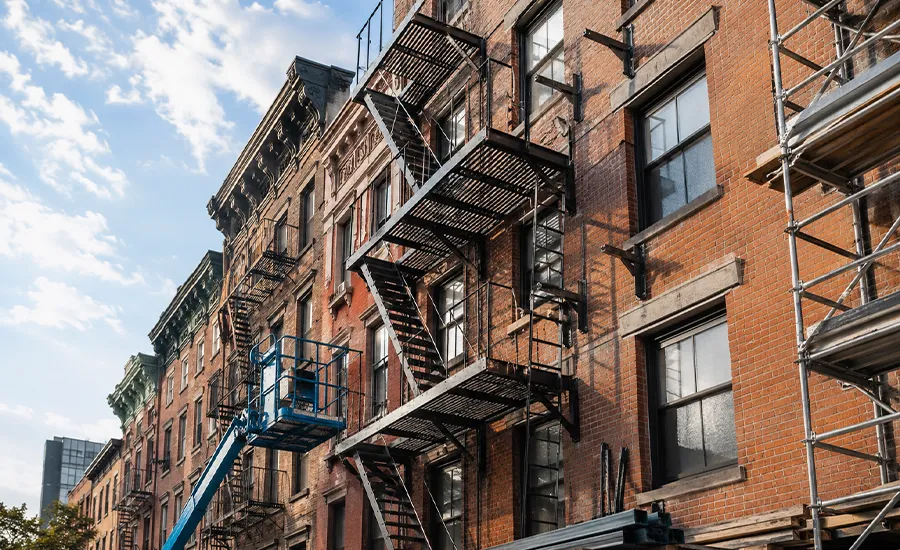
 ChatGPT
 Perplexity
 Google AI
 Claude
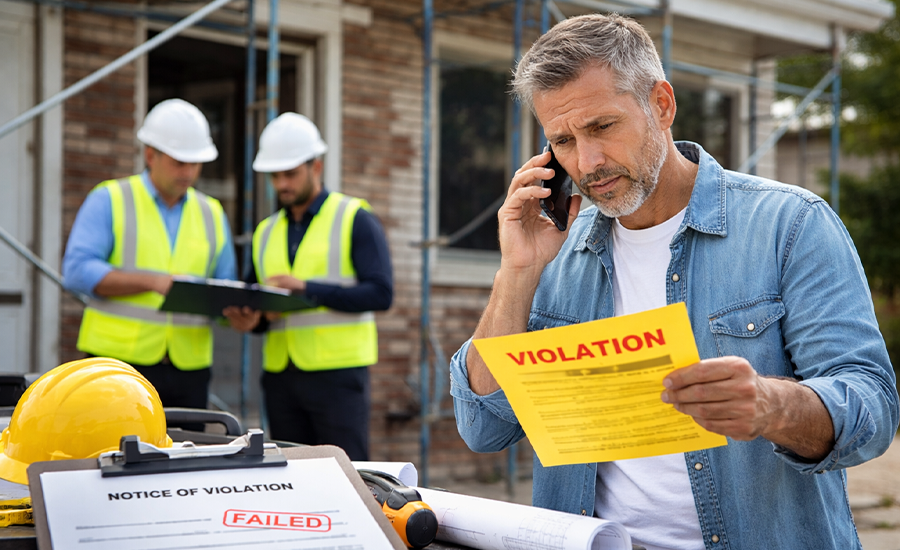
Property owners in NYC often make costly mistakes when fixing building violations, such as delaying repairs, misunderstanding compliance requirements, or hiring unqualified contractors. These mistakes can lead to higher costs, repeated violations, and strict enforcement actions.
In New York City, agencies such as the Department of Buildings (DOB) strictly enforce safety and compliance standards. Whether the issue involves façade damage, structural concerns, or fire safety risks, violations must be handled correctly to avoid legal consequences and long-term property damage.
This guide breaks down the most common mistakes made during violation repairs in NYC and shows how to avoid them with the right strategy.
- Ο Act quickly on NYC property violations to prevent fines and escalating repair costs
- Ο Identify the root cause instead of fixing only visible damage
- Ο Work with licensed and experienced contractors familiar with NYC regulations
- Ο Follow DOB permit requirements and inspection processes properly
- Ο Maintain complete documentation for compliance and re-inspections
What Are Property Violations in NYC?
Property violations in NYC are issued when a building fails to meet local building codes, safety regulations, or maintenance standards enforced by authorities such as the Department of Buildings (DOB).
These violations are typically identified during inspections and must be resolved within a defined timeframe to avoid penalties, enforcement actions, or additional fines.
In many cases, violations are not limited to visible damage. They often point to deeper structural, safety, or compliance issues that require proper evaluation and correction.
Common types of property violations in NYC include:
- Structural or load-bearing deficiencies
- Unsafe building conditions and safety hazards
- Façade deterioration is covered under Local Law 11
- Fire code violations and emergency risks
- Non-compliant construction or unauthorized work
If not addressed properly, these violations can lead to escalating fines, project delays, and serious risks to both occupants and the long-term condition of the property.
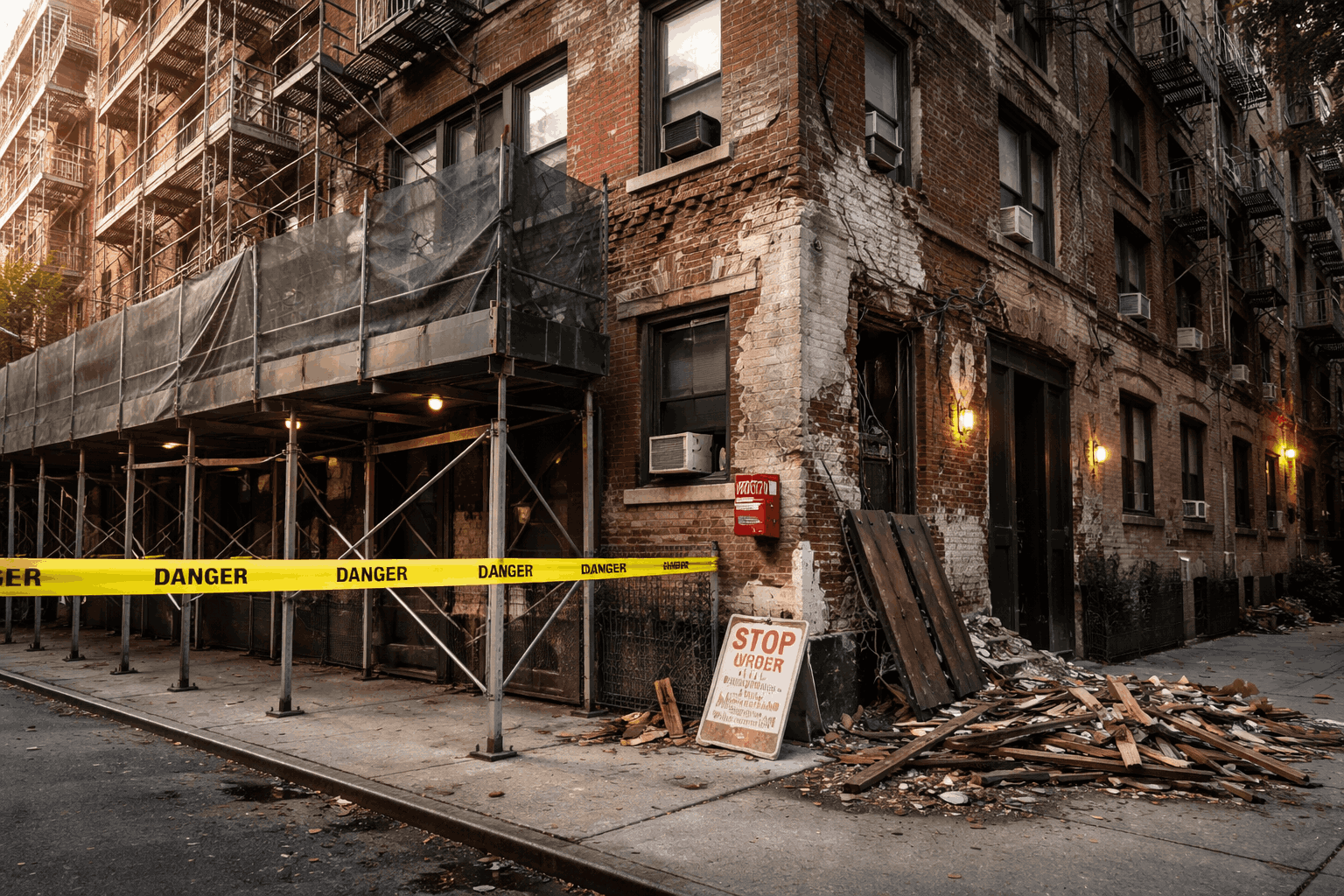
Top 9 Mistakes When Fixing Property Violations in NYC
Fixing property violations in NYC is not just about completing repairs; it requires a clear understanding of building codes, proper planning, and strict compliance with Department of Buildings (DOB) regulations. Many property owners make avoidable mistakes during this process, which leads to delays, repeated violations, and increased costs. Identifying these common mistakes early can help ensure faster compliance, smoother inspections, and long-term property safety.
1. Delaying Violation Repairs
One of the most common mistakes in NYC is delaying action after receiving a violation notice. Many property owners assume they can handle it later, but delays often make the situation worse, increasing the risks associated with the importance of timely façade repairs in NYC and other structural issues.
Why does this become a serious issue?
- Fines from NYC agencies increase over time
- Minor defects can turn into structural problems
- The Department of Buildings (DOB) may escalate enforcement
What works better:
- Respond to violation notices immediately
- Schedule inspections as early as possible
- Set a clear repair timeline based on urgency
2. Misunderstanding NYC Building Codes
Violation notices often include technical language that is easy to misinterpret. Fixing the wrong issue or only addressing surface-level damage can lead to repeat violations.
Where mistakes usually happen:
- Misreading DOB violation requirements
- Ignoring underlying structural or safety concerns
- Treating symptoms instead of root causes
How to handle it correctly:
- Review the violation notice in detail
- Consult experienced professionals familiar with NYC codes
- Confirm requirements directly with DOB if needed
3. Hiring Unqualified Contractors
Choosing a contractor based only on cost can lead to poor workmanship and failed inspections. In NYC, improper repairs often result in violations being reissued.
Common hiring mistakes:
- Selecting low-cost contractors without verification
- Not checking NYC licensing or insurance
- Hiring teams without relevant violation repair experience
Better hiring approach:
- Work with licensed and insured NYC contractors
- Review past projects similar to your violation type
- Confirm familiarity with DOB compliance standards
4. Choosing Quick Fixes Over Permanent Solutions
Temporary repairs may reduce immediate costs, but they rarely solve the actual problem. In NYC properties, this often leads to repeat violations and additional expenses, especially when property owners overlook critical aspects of Local Law 11 façade safety regulations that require proper inspection and long-term repair solutions.
Typical shortcut scenarios:
- Covering façade cracks without structural repair
- Painting over water damage or seepage
- Ignoring the underlying cause of deterioration
Why this approach fails:
- Violations are likely to return
- Repair costs increase over time
- Property condition continues to decline
5. Skipping Permits and Approvals
Avoiding permits to save time is a high-risk decision in NYC. Unauthorized work can trigger stop-work orders and additional penalties.
What this can lead to:
- New violations issued by DOB
- Project shutdowns during inspections
- Increased compliance costs
Correct process to follow:
- Apply for the required permits before starting work
- Ensure all repairs meet NYC building codes
- Keep permit and approval records accessible
6. Ignoring Underlying or Hidden Problems
Fixing only what is visible without a full inspection often leaves deeper issues unresolved. This is a major reason why violations reappear, especially when property owners fail to recognize early signs of brick wall damage and other structural warning indicators.
Why does this create long-term risk?
- Hidden structural issues remain untreated
- Safety concerns continue to exist
- Future violations become more likely
Smarter approach:
- Conduct a complete property assessment
- Identify related or hidden damage areas
- Resolve all issues, not just the reported one
7. Poor Budget Planning
Underestimating the cost of violation repairs can result in incomplete work or low-quality fixes. In NYC, unexpected costs are common due to compliance requirements.
Where budgeting fails:
- Ignoring potential additional repairs
- Choosing cheaper materials that do not last
- Underestimating skilled labor costs
How to plan effectively:
- Set a realistic repair budget
- Include a buffer for unexpected expenses
- Prioritize long-term durability over short-term savings
8. Lack of Proper Documentation
Documentation plays a key role in proving compliance during inspections and re-inspections. Missing records can delay the closure of violations.
Common documentation gaps:
- No record of completed repairs
- Lost permits or approval documents
- Lack of contractor work details
Why documentation matters:
- Required for DOB verification
- Helps during follow-up inspections
- Protects against disputes or penalties
9. Missing Violation Deadlines
Every violation notice in NYC comes with a strict deadline. Missing these deadlines can quickly escalate the situation.
Consequences of delays:
- Additional fines and penalties
- Legal enforcement actions
- Forced repairs by city authorities
Best way to stay on track:
- Monitor all compliance deadlines
- Set reminders and track progress
- Begin repair work as early as possible
Bottom Line
Fixing property violations in NYC is not just about completing repairs; it requires proper planning, accurate execution, and strict adherence to Department of Buildings (DOB) regulations. Ignoring small issues, delaying action, or relying on incomplete fixes often leads to repeat violations, higher costs, and compliance risks.
A well-managed approach focuses on identifying root causes, following permit requirements, and working with qualified professionals. This ensures faster violation clearance, smoother inspections, and long-term property safety in NYC.
Sardar Restoration Corp supports residential and commercial properties across NYC, including the Bronx, Manhattan, Brooklyn, Westchester, and Queens. If you need expert assistance, working with a violation removal contractor in NYC can help ensure your property meets all compliance standards efficiently. For inspections and repair assessments, contact (+1) 917-355-8556 or email sardarrestoration@gmail.com, or visit 2770 Fish Ave, Bronx, NY 10469, United States.
FAQs
What happens if I don’t fix a property violation in NYC?
Unresolved violations in NYC can lead to escalating fines, legal enforcement, and possible stop-work orders issued by the Department of Buildings. In some cases, authorities may take corrective action at the owner’s expense, making delays significantly more costly.
Can I fix property violations myself in NYC?
Minor issues may be handled independently, but most violations in NYC require licensed professionals. Repairs often need to meet strict building codes, and improper fixes can result in failed inspections or repeated violations.
How long does it take to resolve a property violation in NYC?
The timeline depends on the type of violation, required permits, and inspection schedules. Simple issues may be resolved quickly, while structural or façade-related violations under Local Law 11 can take longer due to compliance procedures.
Are permits required for fixing violations in NYC?
In most cases, yes. The Department of Buildings requires permits for repairs that affect structural, safety, or mechanical systems. Starting work without permits can lead to additional violations and penalties.
What is the difference between a violation and a fine in NYC?
A violation is a notice indicating non-compliance with building codes, while a fine is the financial penalty imposed if the violation is not resolved within the given timeframe.
How can I prevent repeat property violations?
Preventing repeat violations requires regular inspections, proper maintenance, and addressing issues at their root cause. Working with experienced contractors and following NYC compliance standards helps reduce the risk of future violations.
What types of property violations are most common in NYC?
In NYC, the most common violations include façade issues under Local Law 11, unsafe structural conditions, fire code violations, and unauthorized construction work. These violations are typically issued by the Department of Buildings (DOB) after inspections.
How do I check if my property has active violations in NYC?
Property owners can check active violations through the NYC Department of Buildings (DOB) online system. It provides details about violation type, status, and required actions, helping owners plan repairs and compliance steps.