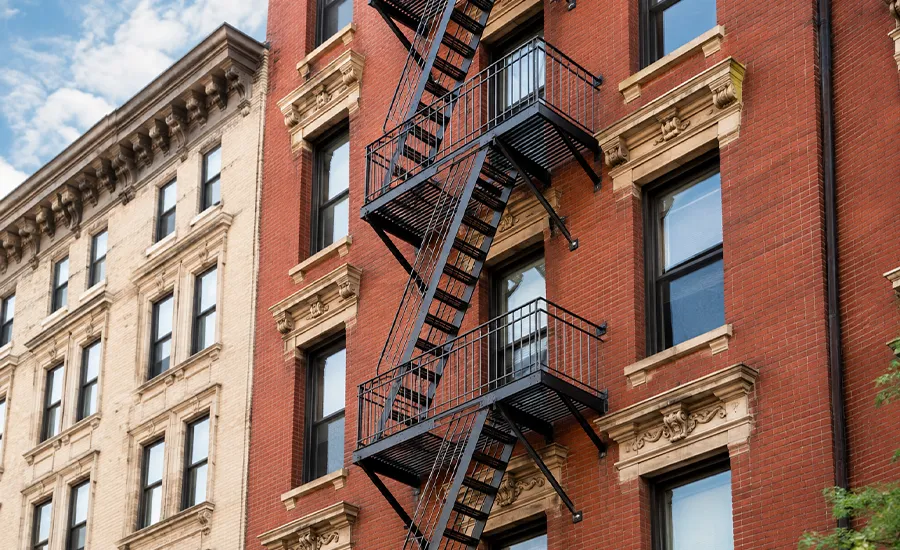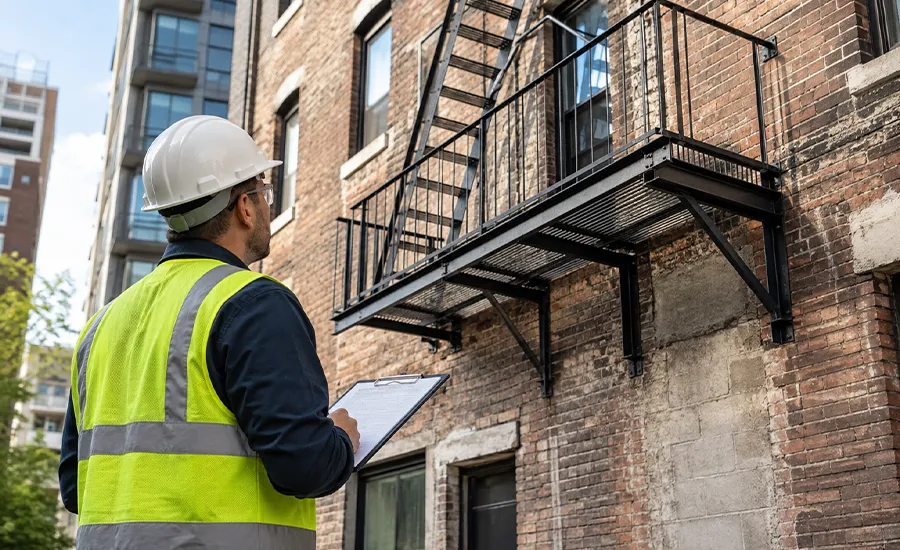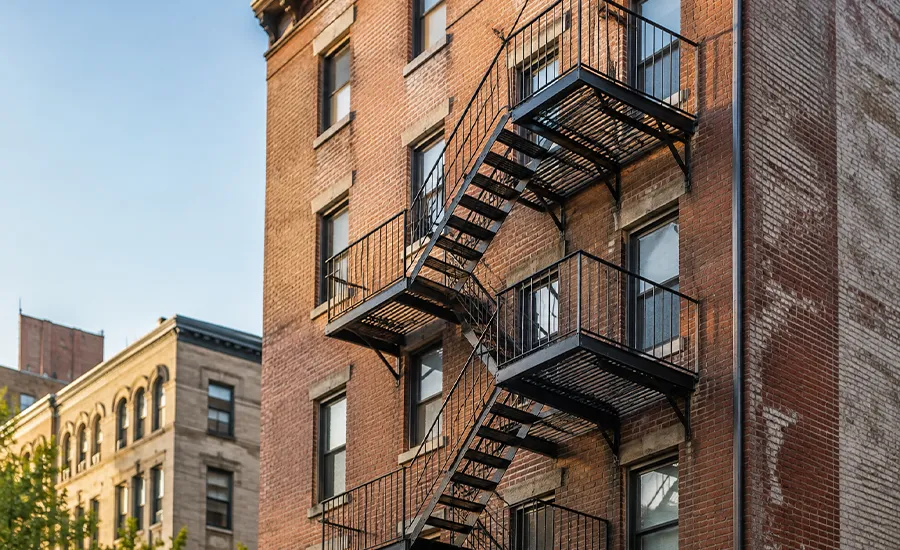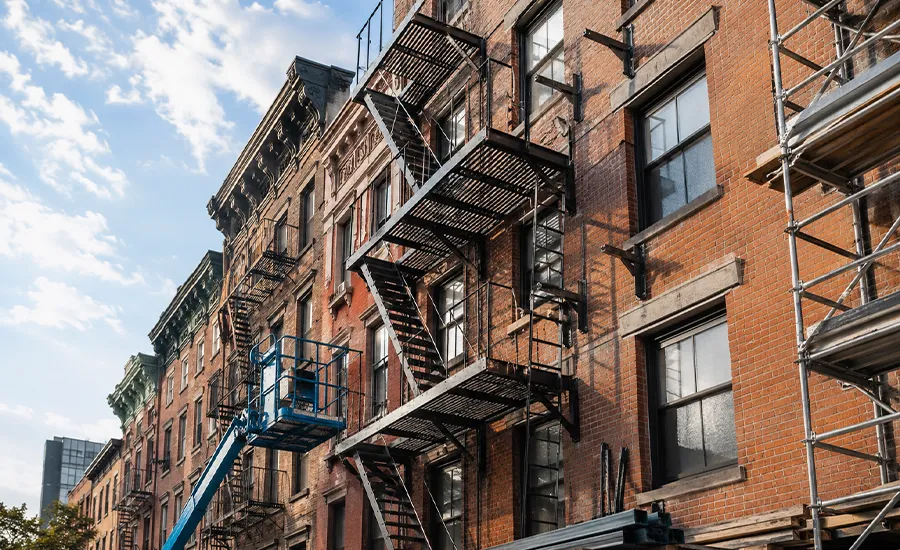

 ChatGPT
 Perplexity
 Google AI
 Claude
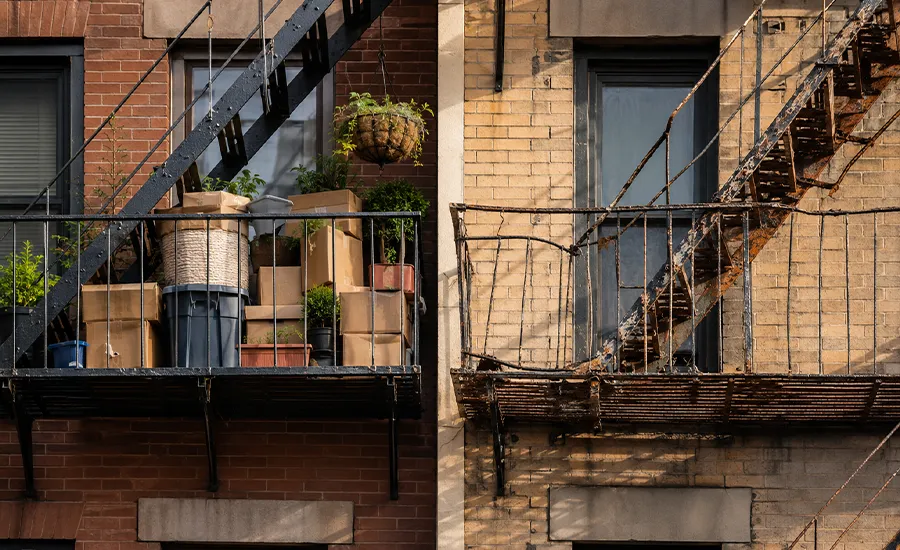
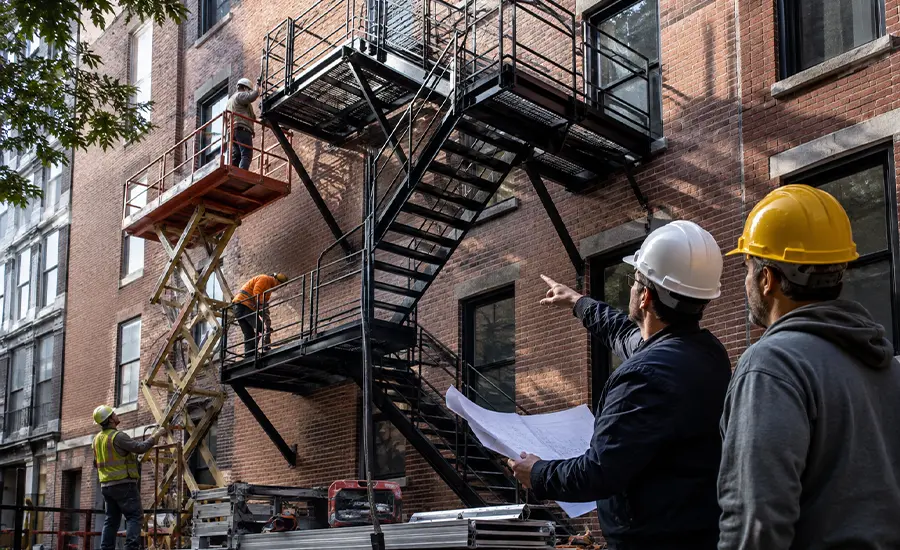
When dealing with fire escape safety in NYC, property owners often hear two terms: fire escape violation and fire escape safety issue. Many owners treat them as the same thing, but they are different in meaning, process, urgency, and legal impact.
A fire escape violation usually means an official notice has been issued because the fire escape does not meet the required code or compliance standards. A safety issue may exist even before any formal citation is issued. It can involve rust, loose railings, blocked access, structural weakness, debris, or any condition that may put occupants at risk.
This blog explains the difference between fire escape violations and fire escape safety issues in NYC, how they overlap, what property owners should do, and why timely action helps prevent fines, liability, and emergency risks.
- Ο A fire escape violation is usually an official code or compliance notice.
- Ο A safety issue may exist even if no formal violation has been issued.
- Ο Removing a violation does not always mean the fire escape is fully safe.
- Ο Safety issues can become violations when ignored.
- Ο Both require timely inspection, documentation, and corrective action.
- Ο Proactive maintenance helps reduce liability and protect occupants.
What Is a Fire Escape Violation in NYC?
A fire escape violation is a documented compliance issue. It usually means an inspector, agency, or authority has identified that the fire escape does not meet required safety, access, maintenance, or code expectations.
Property owners should understand how violations relate to different fire escape systems and their legal requirements. Older buildings that rely on exterior emergency exits often face more compliance challenges, so reviewing NYC fire escape types, installation, laws, and safety can help clarify system differences. For a clearer understanding of how inspections, maintenance duties, and enforcement connect, refer to NYC fire escape laws, codes, and compliance.
A fire escape violation may involve:
- A written notice from a building, housing, or fire safety authority
- A required correction within a stated timeframe
- Documentation or proof of completed corrective work
- Possible re-inspection or follow-up review
- Fines or enforcement if the issue is not corrected
Common examples of fire escape violations include:
- Missing or damaged components
- Severely deteriorated structural members
- Failure to complete required inspections
- Missing documentation or certifications
- Unauthorized alterations or modifications
- Blocked access routes
- Failure to complete mandated repairs
- Non-compliance with applicable building regulations
Property owners should also review NYC fire escape code requirements, because many violations are connected to access, structure, documentation, and delayed repairs.
What Is a Fire Escape Safety Issue?
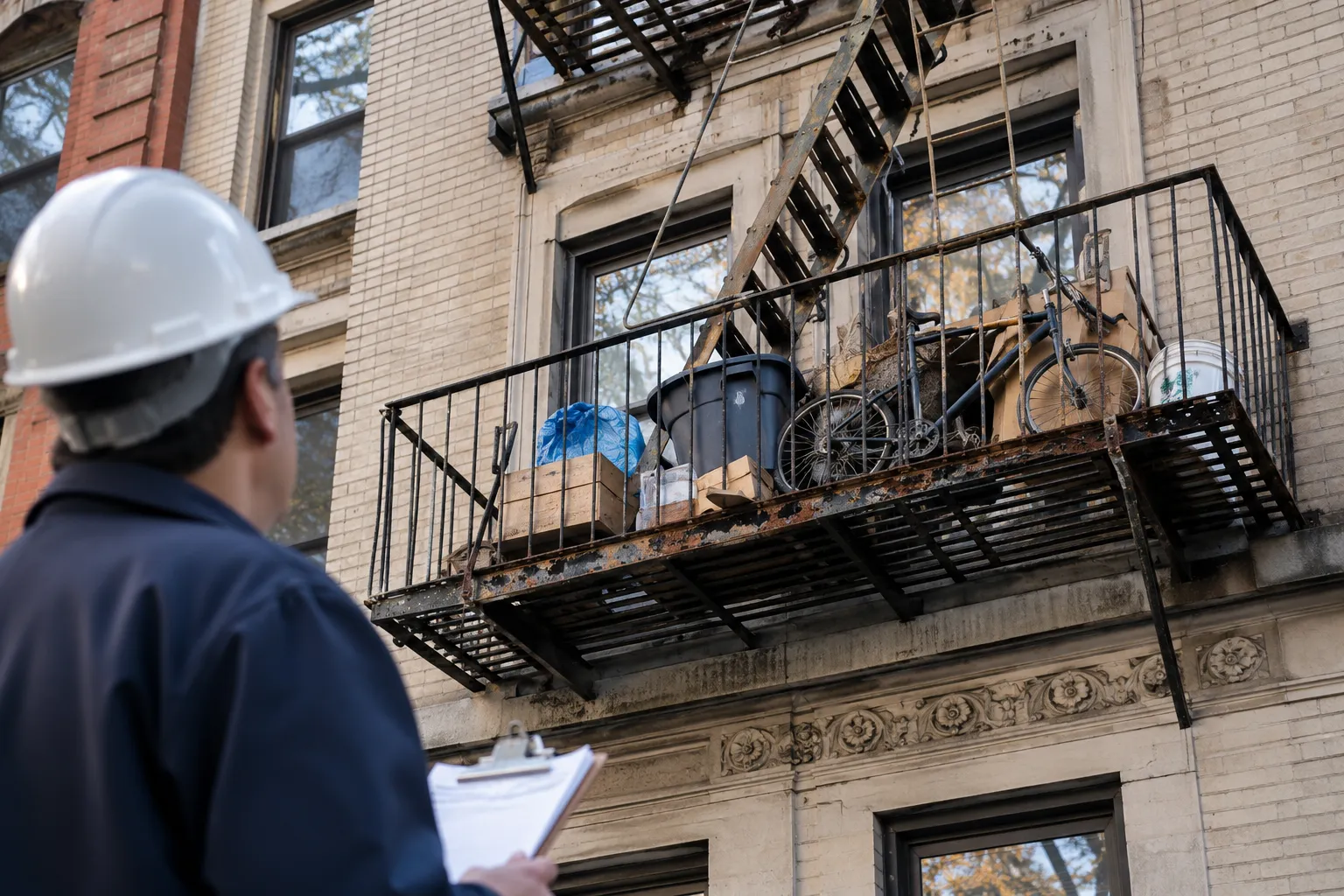
A fire escape safety issue concerns the physical condition of the fire escape and the risk it may create for occupants. It may or may not already be documented as a violation.
This is an important distinction. A fire escape can look usable from a distance but still have hidden or developing safety concerns, such as weak connections, early corrosion, loose rails, or unsafe walking surfaces.
Common fire escape safety issues include:
- Early signs of corrosion
- Loose handrails
- Minor structural wear
- Accumulated debris
- Slippery walking surfaces
- Vegetation growth around access points
- Inadequate lighting near fire escape routes
- Objects stored near exits
- Loose brackets, bolts, or anchors
- Unsafe access from windows or doors
Some safety issues may not yet be cited, but they can still create real risk. A professional fire escape inspection in NYC can help determine whether the condition is cosmetic, structural, safety-related, or likely to become a code issue.
If damage is visible, timely fire escape repair in NYC can help correct unsafe conditions before they become documented violations.
When Fire Escape Violations and Safety Issues Occur Together
In many NYC buildings, the same fire escape condition can be both a violation and a safety issue. This often happens when visible deterioration affects both compliance and occupant safety.
Examples include:
- Heavy rust and structural deterioration that create unsafe conditions and code concerns
- A blocked exit gate that limits evacuation and may violate egress requirements
- Missing stair treads that create a physical hazard and compliance issue
- Loose railings that increase fall risk and may require corrective work
- Unauthorized alterations that affect both structural safety and code approval
When both problems exist together, property owners should act quickly. Delayed action can increase fines, repair costs, tenant complaints, insurance concerns, and legal exposure.
Owners should understand what makes a fire escape non-compliant in NYC, because non-compliance often begins with safety concerns that were visible before formal enforcement. They should also know what happens when a fire escape violates NYC building codes, especially when violations remain unresolved.
If the condition involves cracked welds, loose joints, or weakened metal connections, fire escape welding in NYC may be needed as part of corrective work.
How Property Owners Should Respond to Compliance and Safety Concerns
Property owners should respond differently depending on whether they are dealing with a formal violation notice, a visible safety concern, or both. The goal is to correct the condition, document the work, and prevent the issue from becoming more serious.
If a violation notice is issued, owners should:
- Read the notice carefully and confirm the correction deadline
- Identify the exact violation category and required action
- Arrange a qualified fire escape assessment
- Document completed repairs with photos, invoices, and reports
- Provide required evidence of correction where applicable
- Schedule follow-up review if needed
If a safety issue is found, owners should:
- Take prompt action before the condition worsens
- Limit unsafe access if the fire escape is not usable
- Arrange for a professional inspection and documentation
- Inform occupants if emergency access is affected
- Plan repair, restoration, or reinforcement work
- Keep records to reduce future liability concerns
Responsibility is also important. Property owners should understand who is responsible for fire escape violations in NYC, because ownership, landlord duties, tenant misuse, and property management roles can all affect how a problem is created or corrected.
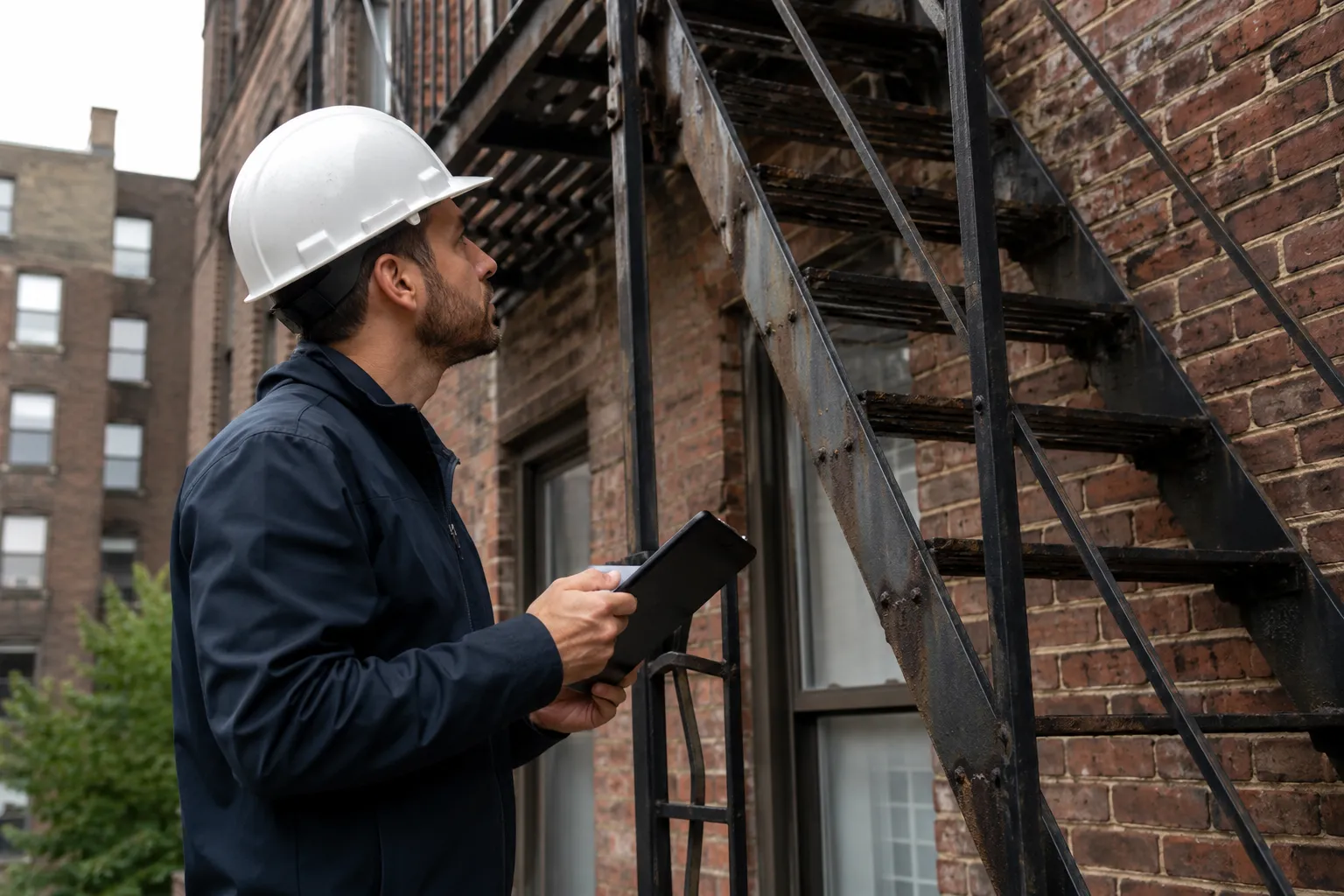
If a safety issue involves unauthorized structural changes, owners should review whether they can remove or alter a fire escape in NYC before changing any ladder, platform, railing, bracket, or access point.
Best Practices to Reduce Fire Escape Violations and Safety Issues in NYC
A proactive strategy can reduce both compliance problems and physical safety risks. Property owners should not wait for a formal violation before addressing rust, blocked access, loose components, or deteriorated coatings.
1. Carry Out Regular Fire Escape Inspections
Routine inspections help identify developing concerns before they become major problems. Older buildings, high-exposure façades, and heavily weathered fire escapes may need more frequent review.
2. Resolve Minor Fire Escape Issues Immediately
Small issues are usually easier and less costly to correct than widespread deterioration. Rust, loose bolts, minor rail damage, and failing coatings should not be ignored.
A planned schedule for fire escape maintenance in NYC can help owners prevent recurring safety issues and reduce the chance of enforcement.
3. Maintain Clear and Unobstructed Fire Escape Routes
Fire escape pathways should remain clear of furniture, plants, storage items, trash, and personal belongings. Blocked access can create both a safety concern and a compliance issue.
Tenants should also understand that fire escapes are not balconies or storage areas. Misusing them for sitting or storage can create serious safety risks, which is why it’s important to know whether sitting on a fire escape in NYC is actually allowed and how such behavior can impact both occupants and property owners.
4. Track Weather-Related Fire Escape Damage
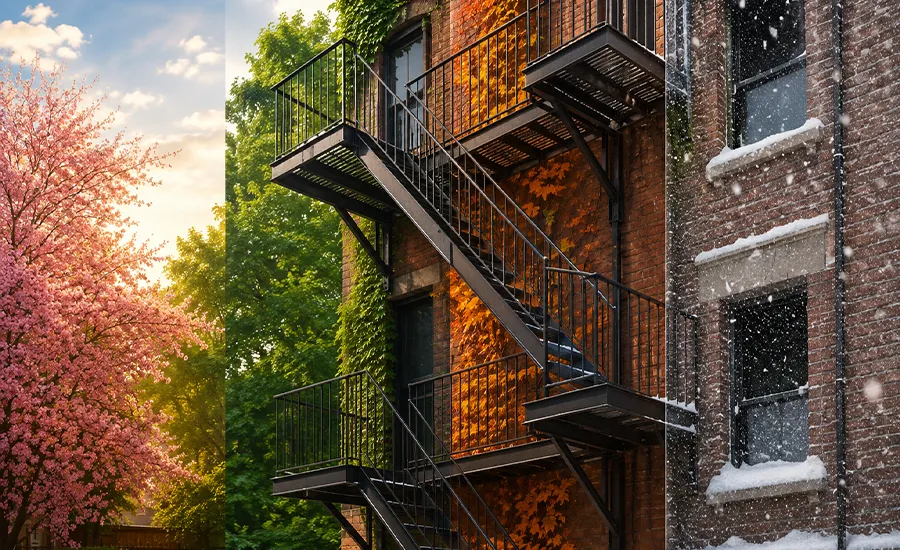
Rain, snow, humidity, moisture, and freeze-thaw cycles can accelerate deterioration. This is especially important for older metal fire escapes exposed to NYC weather.
Property owners should understand why ignoring fire escape maintenance during NYC winters costs more, because seasonal wear can turn small safety issues into larger repair and compliance problems.
If protective coatings are failing, fire escape painting in NYC can help protect exposed metal from corrosion. If the system is still serviceable but worn, fire escape refurbishment in NYC may help improve the condition without unnecessary replacement.
5. Keep Accurate Fire Escape Documentation
Inspection reports, repair invoices, maintenance records, photos, and contractor notes can help demonstrate that the owner acted responsibly. Documentation is especially useful when responding to complaints, violations, insurance questions, or property transactions.
Owners should also review NYC landlord fire escape maintenance responsibilities, because routine maintenance records can help show that the fire escape was not ignored.
If deterioration is advanced, fire escape restoration in NYC may be needed to restore safe function. If a building requires a new approved system as part of a larger project, fire escape installation in NYC may be necessary.
Final Thoughts on Fire Escape Violations vs Safety Issues
The difference between a fire escape violation and a fire escape safety issue matters. A violation is usually a documented compliance problem, while a safety issue may exist before any formal notice appears. Both can create serious risks if ignored.
Sardar Restoration Corp supports residential, commercial, mixed-use, and historic properties across NYC, including the Bronx, Manhattan, Brooklyn, Queens, Westchester, and nearby areas. If your building has rust, blocked access, loose railings, damaged stairs, cracked welds, failed coatings, or violation-related concerns, a trusted fire escape contractor in NYC can help inspect the system and recommend the right corrective work.
Contact Sardar Restoration Corp today at (+1) 917-355-8556 or sardarrestoration@gmail.com, or visit us at 2770 Fish Ave, Bronx, NY 10469, United States.
FAQs
Can a fire escape pass inspection and still be unsafe?
Yes. A fire escape may pass a limited inspection but still have hidden or developing safety concerns. Property owners should continue monitoring rust, loose components, blocked access, and structural wear.
Who is responsible for fixing fire escape violations?
The property owner is usually responsible for correcting fire escape violations in NYC. Tenants may report problems, but owners generally carry the duty to correct unsafe or non-compliant conditions.
How often should fire escapes be inspected?
Fire escapes should be inspected regularly, especially in older buildings or after severe weather. Owners can review a fire escape safety checklist for NYC apartments to identify access, rust, railing, ladder, and platform concerns.
What happens if I ignore a fire escape violation?
Ignoring a violation can lead to escalating fines, enforcement pressure, repair orders, legal exposure, insurance concerns, and safety risks for occupants.
Are fire escapes required on every NYC building?
Not every building has the same requirements. Building age, use, height, layout, and approved exit systems can affect whether fire escapes are required on NYC buildings.
What is a fire escape?
A fire escape is an emergency exit system that helps occupants leave a building when interior routes are unsafe or unavailable. This guide explains what a fire escape is and why it must remain safe, clear, and accessible.
Can a safety issue become a fire escape violation?
Yes. A safety issue can become a violation if it is reported, inspected, documented, or left unresolved. Early correction helps prevent formal enforcement and higher repair costs.