
 ChatGPT
 Perplexity
 Google AI
 Claude
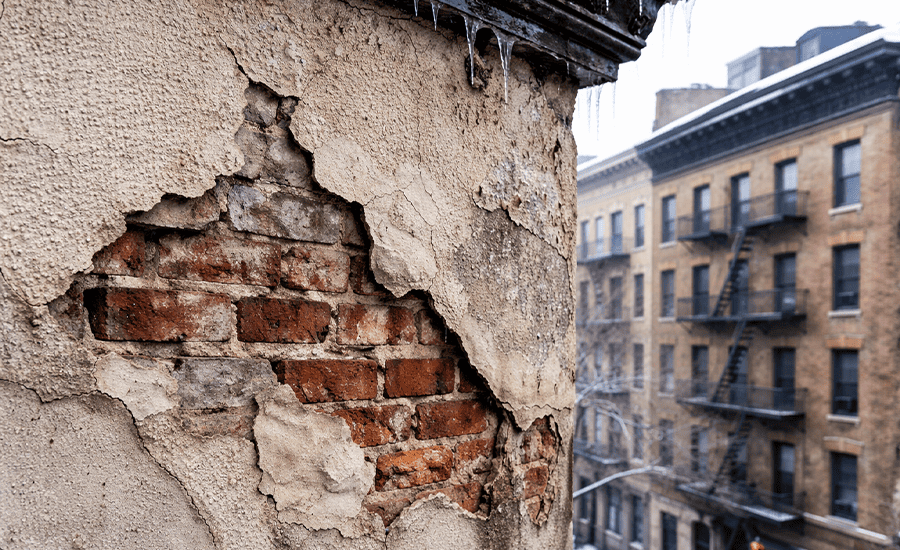
Winter brings harsh conditions like freezing temperatures, snow, ice, and freeze-thaw cycles, which can silently damage stucco surfaces. Some damage is visible, while some remains hidden beneath stucco surfaces. If you ignore these damages, they gradually compromise the structure and lead to expensive repairs. It is advised to hire experienced professionals to identify hidden stucco damage after winter, as this is critical for homeowners. Make sure to immediately fix all the problems before the DOB violates your home.
In this blog, we’ll thoroughly explore seasonal stucco damage, preventive measures for stucco damage, and when to call a professional.
What Are the Seasonal Challenges For Stucco Surfaces?
Stucco is a protective and decorative sealant that offers strong, long-lasting performance, but in winter conditions, it can cause hidden damage beneath the surface:
- When moisture penetrates the stucco, it leads to efflorescence.
- Stucco may lose adhesion from the underlying lath or wall.
- Sealants start to blister, peel, or flake.
- The internal framework may be damaged if water seeps into the stucco.
To better understand how freezing and thawing cycles affect stucco performance, you may also find it useful to read our guide on Stucco weatherproofing: preparing for freeze and thaw.
What Are The Subtle Warning Signs of Stucco Damage?
The following are signs that indicate your stucco is badly damaged and needs periodic inspection after winter to last for decades.
Observable Cues
- Hairline cracks that are difficult to see from a distance.
- Slight bulging or uneven areas.
- Stains, discoloration, or efflorescence.
- Blistering or peeling paint.
- Loose or hollow-feeling areas when tapped gently.
Performance-based Signs
- Drafts or moisture in interior walls.
- Damp spots or mold inside the building.
- Higher energy bills due to reduced insulation performance.
Cold weather often accelerates surface cracking, and our article on Why cold weather makes stucco crack faster explains this process in more detail.
Stepwise Assessment to Identify Hidden Stucco Damage
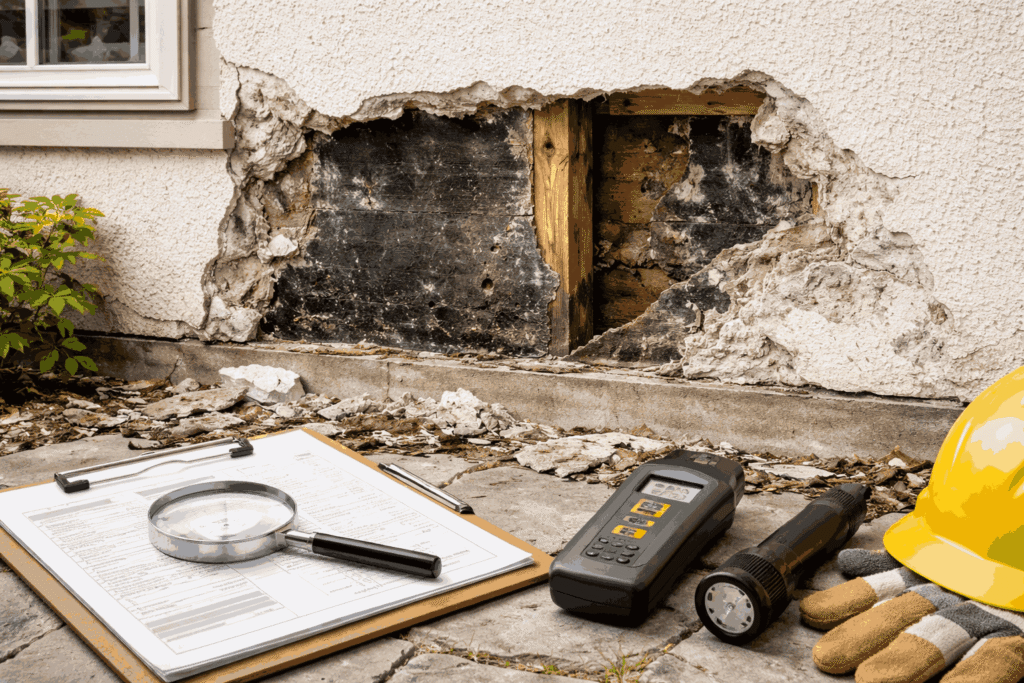
Inspecting the condition of your stucco is essential and requires skilled observation. Make sure to use simple testing tools to get an accurate assessment. Here is the step-by-step guide to identify hidden stucco damage:
Surface examination
- Walk around the building and examine the stucco under good lighting.
- Use a flashlight to highlight surface irregularities.
- Check all corners, around windows, doors, and rooflines where water accumulates.
Percussion Testing
- Gently tap the stucco with a small hammer or the handle of a screwdriver.
- Hollow sounds indicate detachment from the wall substrate.
Dampness assessment
- Use a moisture meter if available to detect trapped water in stucco.
- Check areas prone to leaks, like around windows and doors.
Internal space review
- Inspect interior walls for damp spots, mold, or peeling paint.
- Hidden stucco damage often manifests as interior moisture problems.
If repairs are needed during colder months, reviewing best practices for repairing stucco in cold temperatures can help ensure the work is done safely and correctly.
Maintenance Steps To Prevent Winter Damage
Make sure to follow these preventive maintenance guidelines to cut the long-term repair costs:
- Clear snow and ice away from the base of the building.
- Remove moisture-retaining debris from the stucco surface.
- Make sure to fix the minor cracks before they get worse.
- Apply protective waterproof coating over stucco.
- Schedule professional inspections for extensive damage.
For seasonal care routines, our post on Winter maintenance tips for your stucco walls offers practical steps to reduce weather-related deterioration.
When To Hire A Certified Stucco Contractor?
Here are some red flags that alert you to the damage before it spreads. Take these actions into account and call a professional contractor:
- When cracks get wider than 1/8 inch.
- When large sections of stucco start bulging.
- When damp patches or mold appear on interior walls.
- When damage appears near load-bearing walls or structural components.
- When DIY repairs fail to resolve recurring problems.
Conclusion
In conclusion, inspecting the hidden stucco damage helps prevent future damage and reduce the worsening of stucco over time. Make Sure to conduct post-winter inspections, perform careful observation, and follow preventive maintenance guidelines to preserve your stucco’s strength and appearance. If the stucco issue worsens, consult a professional stucco contractor to ensure safe, effective repairs.
Sardar Restoration Corp proudly serves every corner of NYC, including the Bronx, Manhattan, Brooklyn, Westchester, and Queens. Our services are designed to meet your specific needs, providing top-quality solutions wherever you are. Check our service areas to see how we can assist you in your location.
Contact us today at (+1) 917-355-8556 or sardarrestoration@gmail.com, or visit us at 2770 Fish Ave, Bronx, NY 10469, United States.
FAQs
How soon should I inspect my stucco after winter?
Our stucco contractor in NYC recommends inspecting your stucco as soon as temperatures start freezing, usually in early spring. This is when winter-related moisture damage, cracks, and separation become visible. Stucco should be inspected annually by a professional to identify hidden damage.
What are the most common hidden stucco problems after winter?
The following are the problems that happen due to hidden stucco damage:
- Moisture intrusion
- Cracking of the stucco
- Efflorence
- Flaky stucco
- Mold growth inside the walls
Can stucco be damaged even without visible cracks?
Yes! Stucco may have hidden damage due to moisture trapped inside, which gradually destabilizes the base, reduces insulation, and allows the foundation to bulge.
How can I tell if stucco damage is severe?
The following signs indicate that your stucco is severely damaged:
- Soft or spongy areas
- Hollow sounds during a tap test
- Bulging surfaces
- Interior water stains
- Cracks wider than 1/8 inch
Can winter moisture cause long-term structural damage to stucco?
Yes, trapped winter moisture can weaken the wall system over time, leading to structural issues if the damage is not detected and repaired early.
Is hidden stucco damage covered by homeowners insurance?
Coverage depends on the policy, but insurance may cover damage caused by sudden events, not long-term moisture issues or poor maintenance.