 ChatGPT
 Perplexity
 Google AI
 Claude
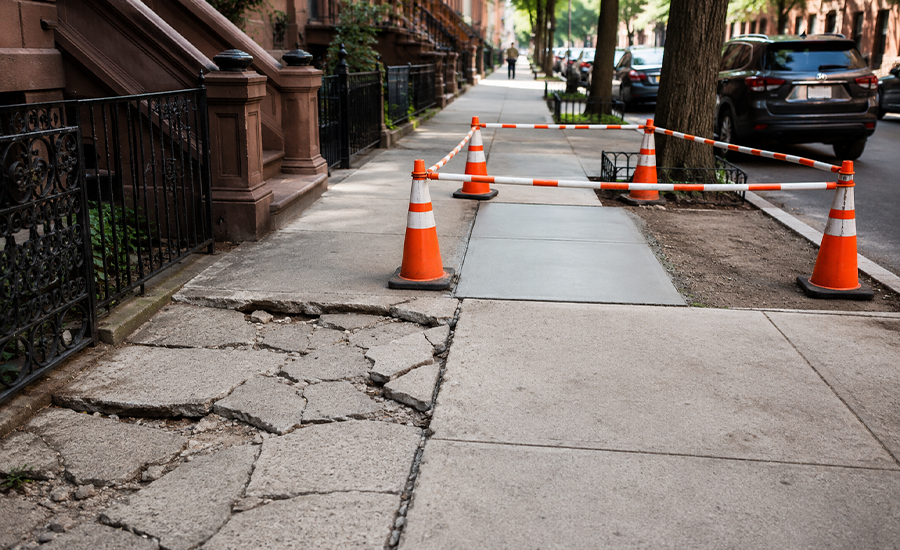
Property owners in NYC often receive DOT sidewalk violations when the sidewalk next to their property becomes unsafe, damaged, uneven, or non-compliant with city standards. These violations are issued by the Department of Transportation and should not be ignored because they can lead to repair costs, legal concerns, property record issues, and possible city action if left unresolved.
Most sidewalk violations happen because of cracked concrete, raised slabs, deteriorated surfaces, poor drainage, tree root damage, or previous repair work that does not meet city requirements. For homeowners and building owners in New York City, handling the issue early is the best way to protect pedestrian safety and avoid unnecessary stress.
This guide explains the step-by-step process to remove DOT sidewalk violations in NYC, understand common causes, estimate possible repair costs, and stay compliant with local sidewalk rules.
- Ο DOT sidewalk violations should be fixed quickly to avoid added costs.
- Ο NYC property owners are generally responsible for nearby sidewalk repairs.
- Ο Violation removal includes inspection, permits, repair, and DOT clearance.
- Ο Licensed contractors help ensure repairs meet city sidewalk standards.
- Ο Routine maintenance reduces repeat violations and safety risks.
What Triggers DOT Sidewalk Violations in NYC?
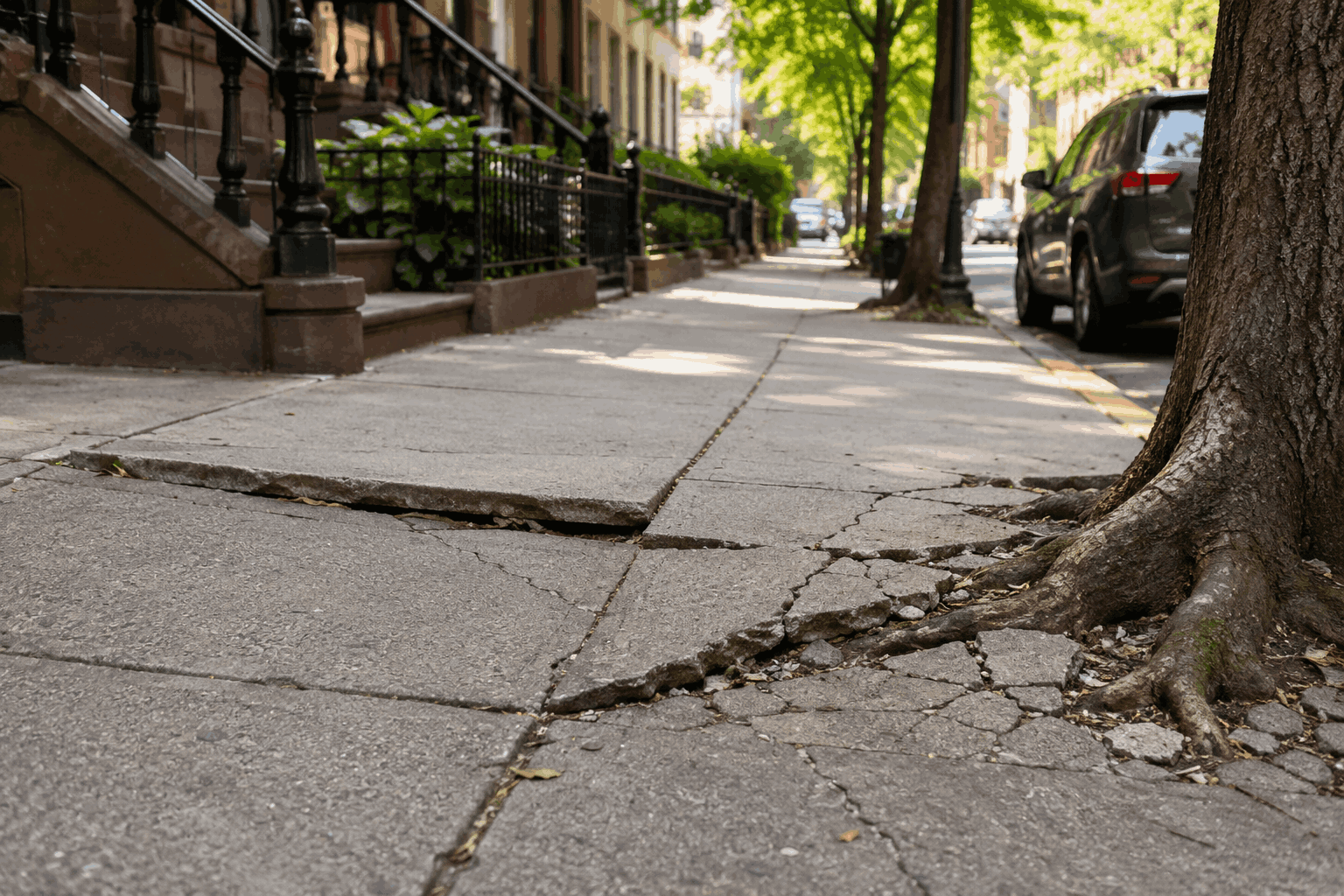
A DOT sidewalk violation is a notice issued to property owners when the sidewalk adjacent to their property is unsafe, damaged, or not compliant with city standards. In New York City, sidewalks must remain safe, accessible, and properly maintained for pedestrians.
The following are some common issues that result in sidewalk violations by the DOT:
- Cracked or broken concrete
- Uneven walking surface
- Raised or sunken sidewalk slabs
- Unsafe walking conditions
- Underground tree root intrusion
- Deteriorating concrete slabs
- Poor drainage or water pooling
The responsibility for repair usually falls on the property owner, not the city, unless the issue qualifies for a specific city-managed tree-related sidewalk case.
Step-by-Step Method to Remove a DOT Sidewalk Violation in NYC
In NYC boroughs such as Manhattan, the Bronx, Brooklyn, Queens, and Staten Island, property owners must keep sidewalks safe and compliant. Nearby service areas such as Westchester may also require careful sidewalk maintenance, but DOT sidewalk violation rules mainly apply within New York City.
Understanding and following this step-by-step process helps property owners correct violations properly, reduce repeat issues, and keep their property records clear.
Step 1: Examine the Violation Notice
Once you receive the notice, carefully review it. It typically includes:
- Property details
- Description of the sidewalk defect
- Deadline for repair
- Violation number
Make sure all the information is accurate. If there are discrepancies, you may have grounds to dispute them within the allowed timeframe.
Step 2: Assess the Sidewalk Condition
Conduct a thorough inspection of the sidewalk area mentioned in the notice.
Look for:
- Visible cracks or holes
- Raised or sunken slabs
- Water pooling issues
- Damage caused by tree roots
You may also consider hiring a professional contractor to assess the damage more accurately. Regular surface care can also reduce early deterioration, especially when property owners follow safe methods for cleaning concrete sidewalks without damage.
Step 3: Select DOT-Approved Contractor
If you decide to proceed with repairs, hire a qualified and experienced contractor.
What to look for:
- Proper licensing and insurance
- Experience with DOT sidewalk repairs
- Knowledge of local regulations
- Ability to obtain permits
Hiring the right contractor ensures compliance and prevents future violations. A contractor who understands proper base preparation, concrete strength, and finishing standards can also help create a durable concrete sidewalk that performs better in NYC weather and foot traffic.
Step 4: File Appropriate Permits
Before starting any work, permits are usually required.
Typical requirements:
- Sidewalk construction permit
- Tree work permit
- Traffic control plan
Your contractor often handles this process, but you should confirm it. Permit mistakes or unapproved work can delay violation clearance and may create additional compliance issues.
Step 5: Carry out Sidewalk Repairs
The contractor will repair or replace the damaged sidewalk sections according to DOT standards.
Common repair methods:
- Concrete slab replacement
- Grinding uneven surfaces
- Root barrier installation
- Full sidewalk reconstruction
Make sure the work meets all safety and compliance guidelines. Sidewalk safety is part of a wider property maintenance responsibility, similar to identifying unsafe exterior building conditions before they become serious risks.
Step 6: Book the DOT Inspection
After completing the repairs, you must notify the DOT for inspection.
The inspection process includes:
- Verifying repairs meet standards
- Checking for remaining hazards
- Ensuring proper finishing and grading
If everything is compliant, the violation will be cleared. Property owners dealing with multiple open issues should also understand what can happen when a building violation is left unresolved, especially before selling, refinancing, or insuring a property.
Step 7: Get Your Violation Cleared
Once the DOT approves the work:
- The violation is officially removed
- You receive confirmation or clearance documentation
- Your property record is updated
Keep this documentation for future reference, especially if you plan to sell your property. Clear records help show that the sidewalk issue was corrected properly and that the property remains in better compliance standing.
Why Do Sidewalk Violations Happen in NYC?
Sidewalk violations mostly happen when concrete becomes unsafe due to age, weather exposure, tree root pressure, improper construction, unpermitted work, or poor repair methods. In NYC, sidewalks face constant pedestrian use, freeze-thaw damage, drainage issues, and underground movement, which can make small defects worse over time.
The following elements commonly cause sidewalk violations:
- Environmental breakdown
- High-traffic pedestrian areas
- Climate-driven deterioration, like freeze-thaw damage
- Expanding root systems
- Improper initial paving
- Poor-quality previous repairs
Property owners should treat sidewalk issues as part of overall building compliance. If your building also requires exterior inspections, understanding the reasons for Local Law 11 inspection failures can help you manage sidewalk, façade, and safety responsibilities more carefully.
How Much Will It Cost To Remove Sidewalk Violations in NYC?
The cost to remove sidewalk violations in NYC depends on the repair size, permit needs, concrete condition, tree root involvement, labor, materials, and whether partial repair or full reconstruction is required. Small corrections may cost less, while major sidewalk replacement can become expensive.
Hiring a qualified contractor can help property owners avoid failed inspections, poor repair work, and repeated violations. The right repair method should address the actual cause of the damage, not only the visible surface issue.
This table indicates the estimated cost of sidewalk violation removal:
| Professional Work | Approximate Cost |
|---|---|
| Compliance check | $100 – $300 |
| City permits | $50 – $500 |
| Cosmetic corrections | $500 – $1,500 |
| Total sidewalk reconstruction | $2,000 – $10,000+ |
Costs vary depending on location, severity, sidewalk condition, and materials used.
How to Stay Compliant in NYC?
NYC homeowners and property owners can prevent future DOT sidewalk violations by focusing on routine maintenance, prompt repairs, and local code compliance. Early action is usually more affordable than waiting for city-issued notices or repeat repair problems.
Check your sidewalk frequently for cracks, raised slabs, drainage issues, and pedestrian safety risks. Inadequate repair work can also trigger re-violation, so repairs should meet city-approved specifications for slope, thickness, finishing, and material quality.
- Schedule routine sidewalk inspections.
- Repair minor cracks early before they escalate.
- Install underground root shields near trees.
- Maintain an effective drainage system.
- Use quality materials during repairs.
For larger buildings, sidewalk compliance should also be managed alongside façade safety obligations. Property owners can review NYC Local Law 11 requirements to understand better how exterior maintenance, inspections, and safety rules connect across different parts of a property.
Final Thoughts
Removing a DOT sidewalk violation in New York City becomes easier when property owners act quickly, review the notice carefully, hire a qualified contractor, complete permitted repairs, and request the proper DOT inspection. The goal is not only to clear the violation but also to keep the sidewalk safe, compliant, and less likely to fail again.
Sardar Restoration Corp supports residential and commercial property owners across NYC, including the Bronx, Manhattan, Brooklyn, Westchester, and Queens. If you are dealing with open violations, working with a professional DOT sidewalk violation removal contractor in NYC can help ensure proper repairs, correct documentation, and fewer risks of recurring penalties.
For expert inspections and repair solutions, call (+1) 917-355-8556, email sardarrestoration@gmail.com, or visit 2770 Fish Ave, Bronx, NY 10469, United States.
FAQs
How long do I have to fix a DOT sidewalk violation in NYC?
Property owners should act within the timeframe given by DOT. Delays can lead to city repair work, added costs, or property record issues.
Can I fix the sidewalk myself?
In some cases, owners may apply for a permit themselves. If a contractor does the work, choose a licensed concrete sidewalk contractor in NYC for compliant repairs.
What happens if I ignore the violation as a property owner in Manhattan?
Ignoring a violation can lead to higher costs, city repair charges, and property record issues. It may also affect the sale or refinancing.
Can the NYC DOT officials fix the sidewalk and charge me?
Yes, DOT may repair the sidewalk if the owner does not act. The cost is usually billed to the property owner.
How do I know if my violation has been removed?
After repair, DOT must approve the dismissal inspection. Once accepted, the violation is cleared from the property record.
Are tree-related damages my responsibility as a NYC property owner?
It depends on the property type, tree ownership, and damage source. Some cases may need review before repair responsibility is confirmed.
Do sidewalk violations affect other NYC property compliance issues?
Yes, open sidewalk violations can affect sale, refinancing, insurance review, and property records. Larger buildings may also need Local Law 11 inspection support for façade compliance.