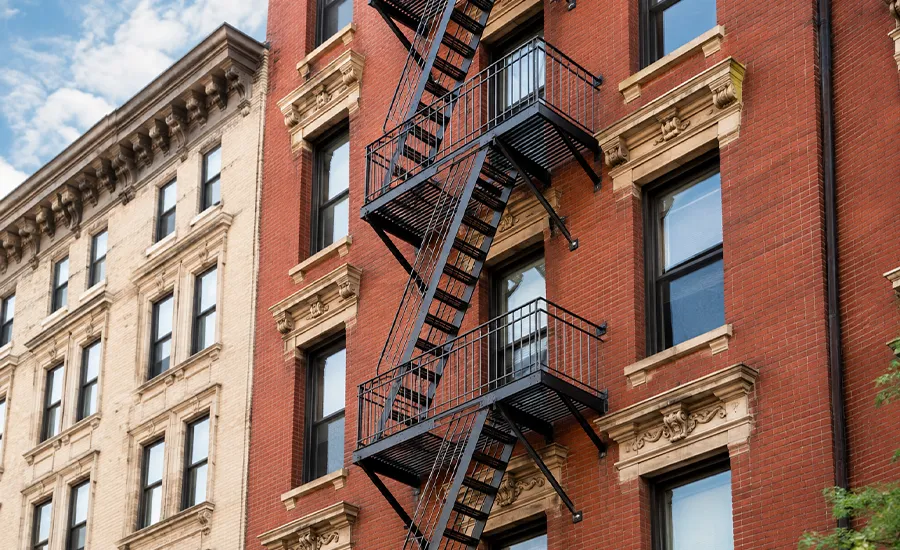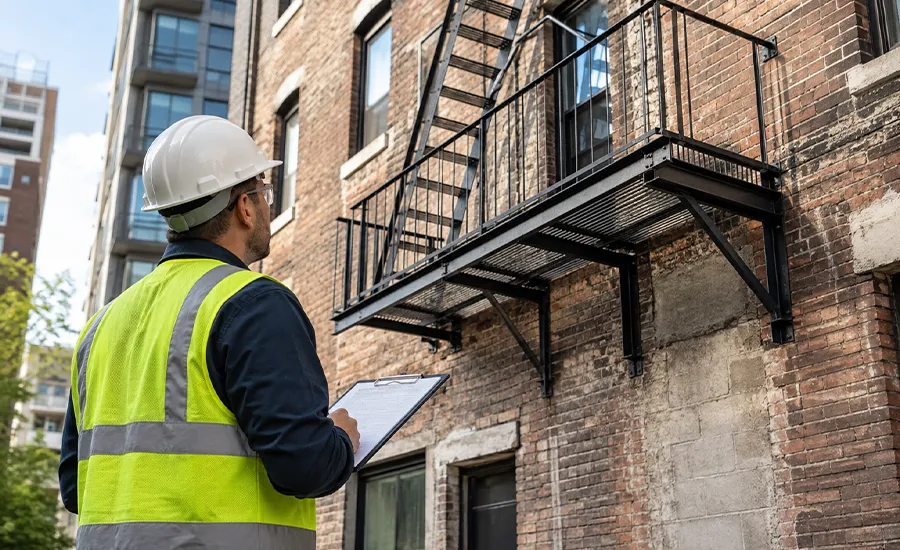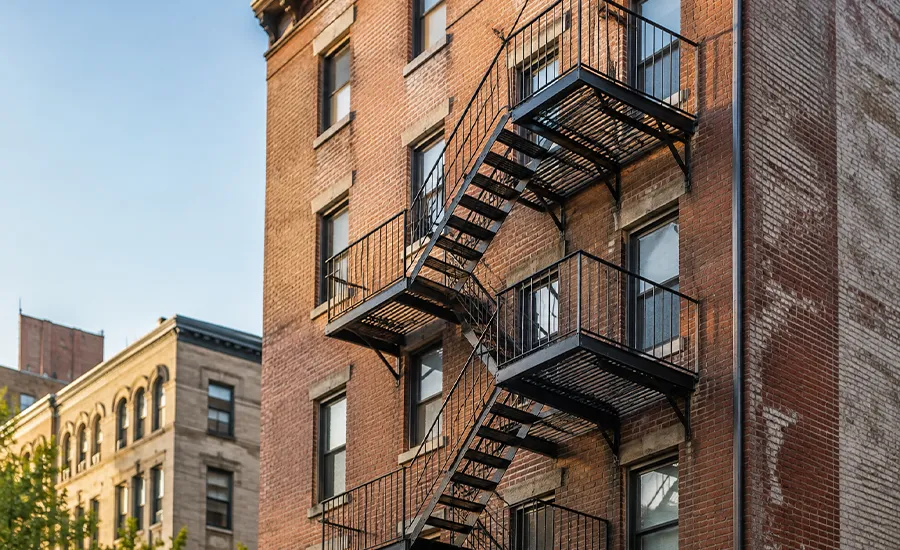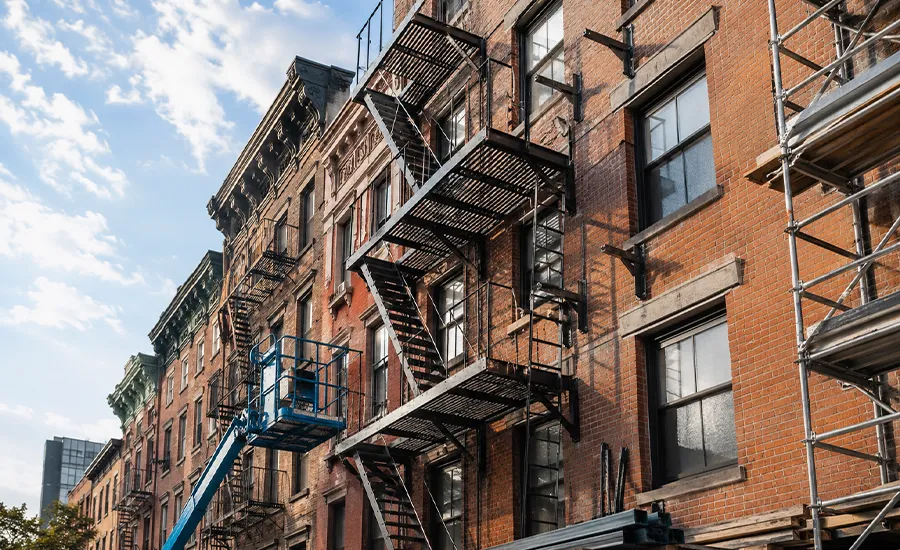
 ChatGPT
 Perplexity
 Google AI
 Claude
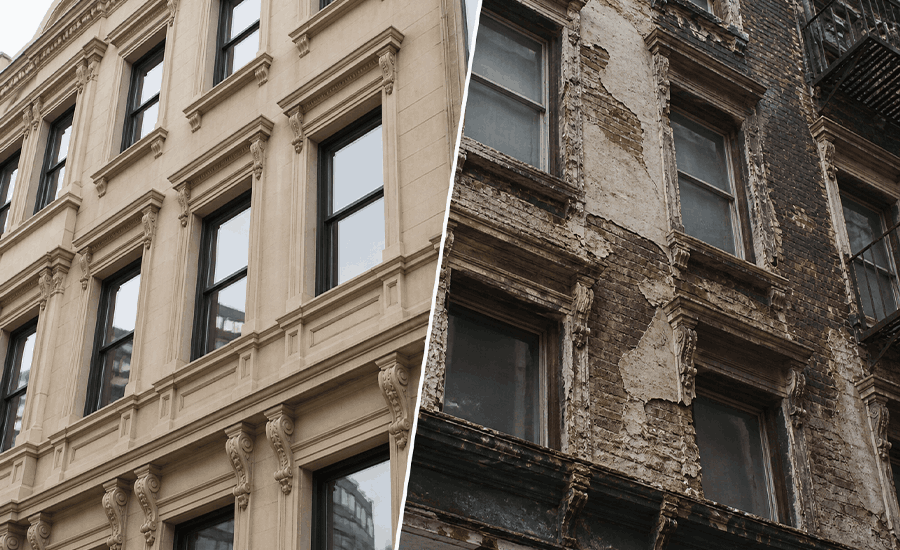
A building façade is more than the outer face of a property. In NYC, it protects the structure, occupants, and pedestrians from weather exposure, loose materials, water intrusion, and long-term deterioration. When façade issues are ignored, small cracks, open joints, displaced masonry, or damaged exterior elements can turn into serious safety concerns.
For NYC property owners, façade condition is also a compliance matter. Buildings that fall under façade inspection requirements must be reviewed and maintained according to DOB standards, especially when exterior wall defects create a risk to people or nearby public areas. Understanding the difference between safe and unsafe façade conditions helps owners plan repairs early, reduce violation risks, and protect long-term property value.
This guide explains how safe and unsafe façade conditions differ, what warning signs to look for, and why regular professional assessment matters for residential and commercial buildings across New York City.
- Ο A safe façade is stable, well-maintained, and free from visible hazards.
- Ο Unsafe façade conditions may include loose materials, cracks, bulging, water damage, or weakened exterior components.
- Ο NYC property owners should not ignore early signs of façade deterioration, especially on older masonry and mixed-use buildings.
- Ο Regular inspections help identify repair needs before they become safety risks or costly restoration work.
- Ο A professional façade assessment gives clear guidance on whether the issue needs maintenance, repair, or urgent corrective action.
What Is a Building Façade in NYC?
A building façade is the exterior surface of a property, usually the side facing the street, although it can also include other exposed walls and attached exterior elements. In NYC, façades are commonly made from brick, stone, stucco, concrete, terra cotta, metal panels, glass, or other cladding materials, depending on the age, design, and structure of the building.
The façade does more than improve appearance. It helps protect the building from rain, wind, temperature changes, and moisture penetration. On older NYC properties, especially brick and masonry buildings, the façade also plays an important role in preserving exterior stability and preventing loose or damaged materials from becoming a hazard.
A properly maintained façade supports:
- Weather protection for exterior walls
- Better control of water and moisture entry
- Longer life for masonry, joints, anchors, and coatings
- Improved curb appeal and property value
- Safer conditions for occupants, visitors, and pedestrians
What Are Safe Façade Conditions?
A safe façade is stable, properly maintained, and free from visible conditions that could create risk for occupants, pedestrians, or nearby properties. In NYC, this usually means the exterior walls, masonry units, joints, anchors, coatings, and attached components are in sound condition and not showing signs of movement, water damage, or material failure.
Safe conditions do not mean the façade needs no attention. They mean the building can continue with regular maintenance, scheduled inspections, and timely minor repairs before small issues become costly or unsafe. The exact details may vary based on common façade system types, building age, material condition, and exposure to weather.
| Key Elements | Details |
|---|---|
| Structural stability | Exterior walls and attached components remain secure and properly aligned. |
| Well-preserved materials | Brick, stone, concrete, stucco, or cladding materials show no major deterioration. |
| Sound mortar joints | Joints are firm, properly bonded, and not deeply cracked or missing. |
| Controlled water runoff | Rainwater is directed away from walls, joints, openings, and foundation areas. |
| Proper sealing | Gaps, seams, and penetrations are sealed to reduce moisture entry. |
| Secure exterior elements | Cornices, lintels, panels, railings, and other attachments remain firmly fixed. |
Key Features of a Safe Façade
- Mortar joints are intact and not visibly deteriorating.
- No loose bricks, stone pieces, panels, or concrete fragments are present.
- Exterior surfaces remain even, with no bulging, leaning, or outward movement.
- Metal components do not show active rust, staining, or anchor-related weakness.
- Paint, coatings, and sealants are maintained enough to protect the exterior surface.
- No major water stains, mold patches, damp areas, or repeated leakage signs are visible.
A safe façade helps protect the building’s structure, keeps pedestrian areas safer, and reduces the chance of emergency repairs. For NYC residential and commercial properties, consistent upkeep also supports long-term compliance and property value.
What Are Unsafe Façade Conditions?
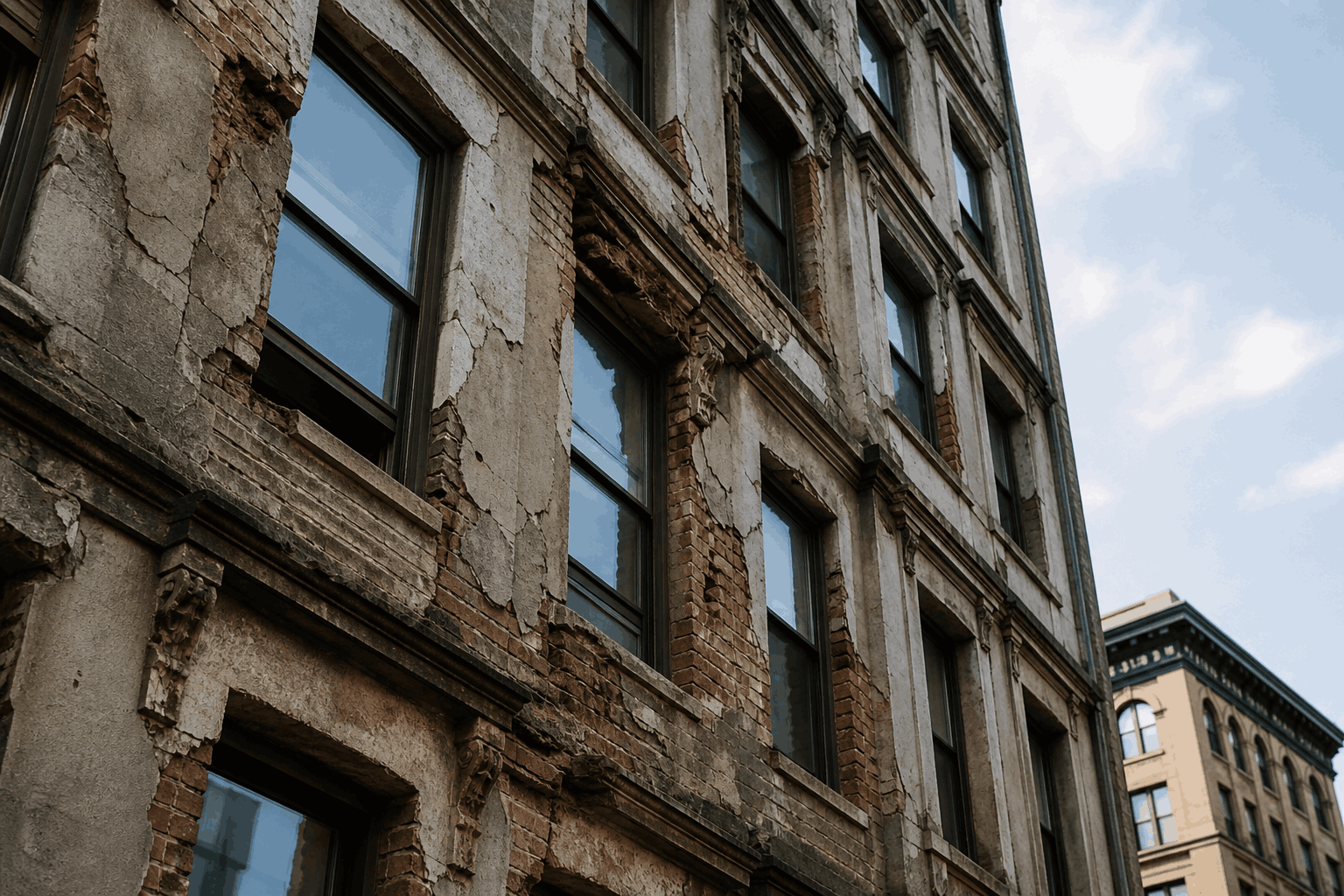
An unsafe façade has visible or hidden defects that may allow materials to loosen, shift, crack, leak, or fall. In NYC, these conditions are especially important because many buildings sit close to sidewalks, neighboring properties, storefronts, entrances, and public walkways.
Unsafe conditions can develop from water infiltration, freeze-thaw cycles, aging masonry, corroded anchors, poor previous repairs, or long-term maintenance delays. Once the exterior becomes unstable, the issue should be assessed quickly by a qualified professional before it creates a larger safety or compliance problem.
| Defect | Severity Level | Description |
|---|---|---|
| Loose or shedding masonry | Severe | Brick, stone, or concrete may be separating from the façade surface. |
| Falling exterior materials | Dangerous | Creates immediate risk for pedestrians, occupants, vehicles, or nearby property. |
| Wall bulging or deformation | Severe | May indicate movement, pressure buildup, or deeper structural weakness. |
| Water infiltration | High | Moisture entry can damage masonry, joints, anchors, and interior wall systems. |
| Corroded anchors or supports | Severe | Weakens the connection between exterior elements and the building structure. |
| Deteriorated mortar joints | Moderate to severe | Reduces bonding strength and allows more moisture to enter the wall system. |
Serious Warning Signs of Façade Damage
- Crumbling brick, stone, concrete, or stucco on the exterior surface.
- Visible gaps between masonry units, panels, joints, or structural elements.
- Bulging, bowing, leaning, or outward movement on any façade area.
- Ongoing water leakage, damp stains, or repeated moisture marks.
- Rust stains near lintels, anchors, railings, cornices, or metal supports.
- Cracking sounds, shifting materials, or sudden surface separation.
Ignoring these signs can increase repair costs and create serious safety risks. In NYC, unsafe façade issues should be reviewed promptly so the right repair, protection, or restoration plan can be completed before the condition worsens.
Safe, SWARMP, and Unsafe: How NYC Classifies Façade Conditions
For buildings covered by NYC façade inspection rules, exterior wall conditions are generally reported as safe, SWARMP, or unsafe. These categories help building owners understand whether the façade can continue with normal maintenance or needs repair within a defined period.
| Classification | Meaning |
|---|---|
| Safe | The façade is in acceptable condition and does not need repair to maintain safety at the time of inspection. |
| SWARMP | The façade is safe now but needs repair or maintenance before the next inspection cycle. |
| Unsafe | The façade has a condition that may create a safety risk and needs corrective action. |
SWARMP stands for Safe With a Repair and Maintenance Program. It is important because a condition that is manageable today can become unsafe if the required repair is delayed. NYC owners often review Local Law 11 rules and compliance before planning inspection, repair, or filing-related work.
For buildings higher than six stories, NYC requires exterior walls and appurtenances to be inspected every five years under the Façade Inspection & Safety Program.
How Do Safe and Unsafe Façades Compare?
Safe and unsafe façades differ in stability, surface condition, moisture control, and the level of risk they create for people around the building. A safe façade can usually continue with routine maintenance, scheduled inspections, and minor repairs. An unsafe façade needs faster attention because loose materials, water damage, wall movement, or weakened connections can create hazards near sidewalks, entrances, neighboring buildings, and public areas.
For NYC residential and commercial properties, this difference matters because façade issues are not only cosmetic. They can affect building safety, repair planning, insurance concerns, property value, and compliance with local inspection expectations.
| Aspect | Safe Façade | Unsafe Façade |
|---|---|---|
| Structural condition | Stable, aligned, and secure | Shows weakness, movement, or instability |
| Surface condition | Maintained with no major visible defects | Cracked, bulging, loose, stained, or damaged |
| Moisture control | Properly sealed with controlled runoff | Water entry, damp patches, or repeated leakage |
| Exterior components | Masonry, panels, anchors, and joints remain secure | Materials may be loose, corroded, displaced, or failing |
| Risk level | Low risk when maintained regularly | Higher risk for occupants, pedestrians, and nearby property |
| Repair approach | Routine inspection, maintenance, and minor repairs | Urgent assessment, safety protection, and corrective work |
A safe façade supports long-term building performance, while an unsafe façade can quickly turn into a larger repair and safety issue. In NYC, early action is usually the better choice because façade problems often become more expensive when moisture, corrosion, or structural movement is allowed to continue.
Factors That Lead to Unsafe Façade Conditions
Unsafe façade conditions usually develop over time. NYC buildings face constant exposure to rain, snow, freeze-thaw cycles, humidity, traffic vibration, aging materials, and previous repair work that may not have been completed correctly. These conditions can gradually weaken masonry, joints, anchors, coatings, and exterior wall systems.
The most common causes are listed below.
1. Weather Exposure
Rain, wind, heat, snow, and freezing temperatures slowly wear down exterior materials. On older NYC masonry buildings, repeated weather exposure can weaken brick, stone, stucco, concrete, sealants, and protective coatings.
Over time, this may lead to surface cracks, open joints, loose pieces, staining, and water entry.
2. Moisture Penetration
Moisture is one of the main causes of façade deterioration. When water enters through cracks, open mortar joints, roof edges, window openings, or failed sealants, it can damage both the outer surface and hidden wall components.
Moisture-related issues may include:
- Freeze-thaw damage on masonry and façade details
- Mold, staining, or damp interior areas
- Rust or oxidation around metal supports
- Weakened mortar joints and bonding strength
- Spalling, cracking, or surface shedding
Brick façades are especially vulnerable when mortar joints begin to fail, which is why brick pointing for façade preservation is often part of long-term exterior maintenance.
3. Poor-Quality Materials or Repairs
Low-grade materials, rushed repairs, wrong mortar mixes, weak sealants, or poor installation can shorten the life of a façade. Even if the surface looks repaired at first, weak materials may fail quickly under NYC weather and building movement.
For residential and commercial properties, this can result in repeated repair costs and uneven exterior performance.
4. Building Movement and Structural Stress
Buildings naturally shift over time because of settlement, vibration, temperature changes, and structural load. In NYC, traffic vibration, nearby construction, and aging building systems can add more stress to exterior walls.
When movement is not addressed, it can cause cracks, separated joints, bulging sections, or pressure around masonry and façade connections.
5. Delayed Maintenance
Small façade issues often become unsafe when they are ignored. Hairline cracks, minor leaks, rust stains, loose sealant, or early mortar deterioration may seem manageable at first, but they can spread when exposed to moisture and seasonal weather changes.
Regular inspection and timely repair help prevent minor defects from turning into falling materials, wall instability, or emergency restoration work. Many NYC property owners schedule timely façade repairs before small exterior problems grow into urgent safety concerns.
How to Maintain a Safe Façade in NYC
Keeping a façade safe in NYC requires regular upkeep, early detection of defects, and timely professional attention. Because city buildings face constant exposure to rain, snow, freeze-thaw cycles, humidity, and traffic-related vibration, even small exterior issues can worsen faster if they are ignored. Routine care helps reduce safety risks, supports long-term building performance, and lowers the chance of larger repair costs later.
For NYC property owners, façade maintenance is not only about appearance. It also helps protect pedestrians, occupants, and surrounding public areas from loose materials, water damage, and exterior deterioration. A consistent maintenance plan makes it easier to spot developing issues before they turn into unsafe conditions.
Regular Façade Maintenance Checklist
- Check for visible cracks, open joints, or outward movement.
- Review mortar joints, sealants, and caulking for wear or gaps.
- Look for water stains, damp areas, or repeated signs of moisture entry.
- Inspect metal components for rust, corrosion, or staining.
- Confirm that exterior elements remain secure and properly fixed.
- Monitor any loose brick, stone, stucco, concrete, or façade attachments.
Preventive Care for Long-Term Façade Safety
- Schedule regular professional façade inspections.
- Repair minor defects early, including repointing, sealing, and patching.
- Keep drainage paths working properly to direct water away from the façade.
- Replace failed materials before they affect nearby areas.
- Address moisture entry quickly around joints, edges, openings, and transitions.
- Maintain a record of repairs and inspections for ongoing property care.
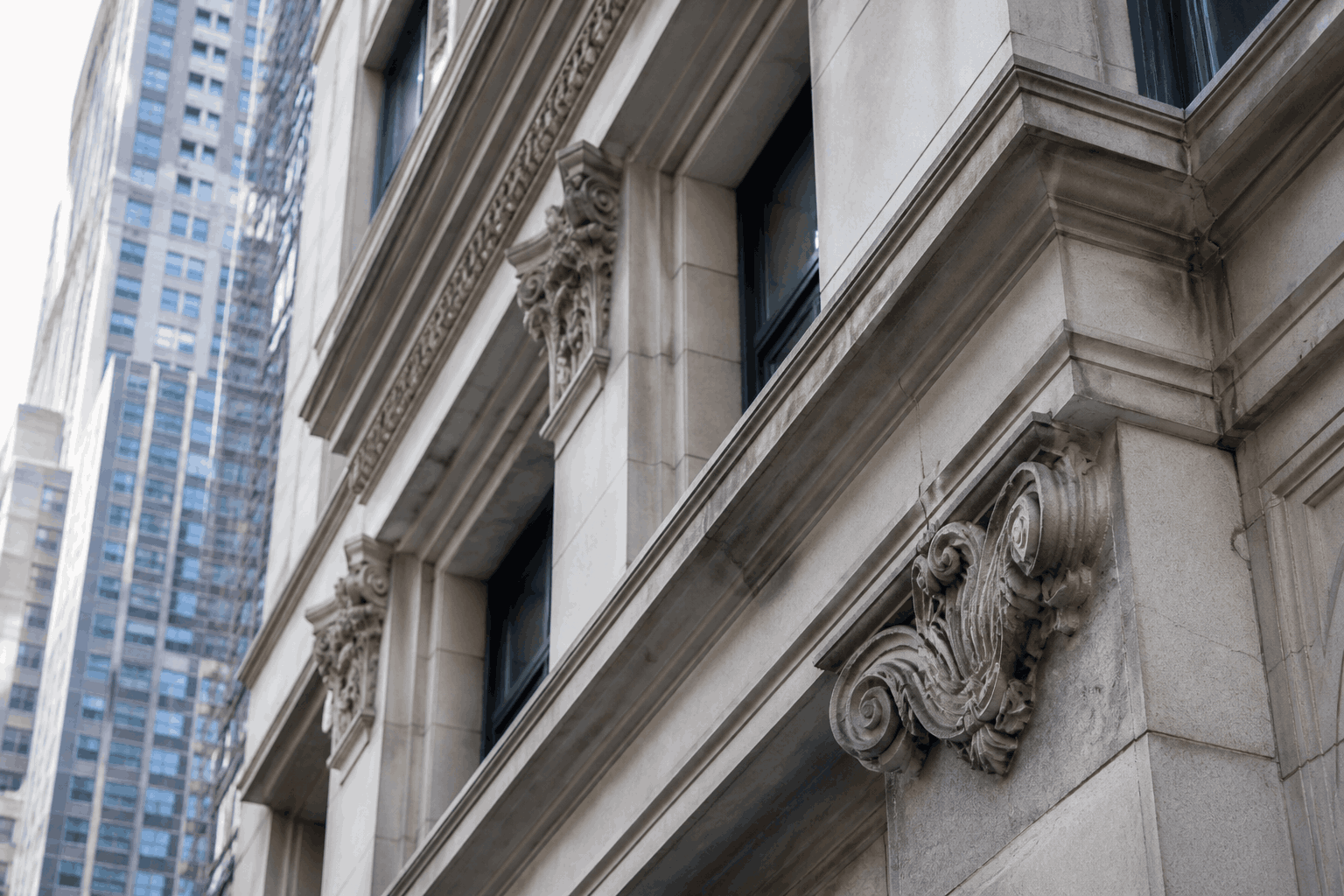
Consistent maintenance helps NYC residential and commercial properties stay safer, perform better in changing weather, and avoid small defects turning into larger restoration problems.
Repair vs Replacement: Which Is Right for Your NYC Façade?
The right solution depends on the extent of the damage, the condition of the surrounding materials, and whether the issue is localized or widespread. In many NYC buildings, minor façade defects can be corrected with targeted repairs when they are identified early. However, when damage affects structural stability, attachment strength, or large sections of the exterior wall, replacement or more extensive restoration may be the better option.
A professional assessment is usually the best way to decide. It helps determine whether the condition can be safely repaired or whether the damaged façade area has deteriorated too far for patch-based work alone. This is also where understanding façade work in construction helps owners choose between inspection, repair, restoration, or replacement.
Repairs Are Usually Best for Minor or Localized Issues
Repairs are often suitable when the damage is limited, and the surrounding façade remains in sound condition.
Common examples include:
- Surface-level cracking
- Small areas of mortar joint deterioration
- Localized sealant failure
- Minor water entry
- Limited surface spalling or patch deterioration
Typical solution: Repointing, sealing, patch repairs, localized masonry repair, or targeted waterproofing correction.
Replacement Is Often Needed for Major or Widespread Damage
Replacement becomes more appropriate when the façade shows deeper failure, broader deterioration, or repeated problems that repairs alone are unlikely to solve.
Common examples include:
- Severe cracking, bulging, or wall movement
- Widespread material failure
- Loose or unstable exterior sections
- Advanced water damage affecting larger wall areas
- Deteriorated components that can no longer perform safely
Typical solution: Partial rebuilding, section replacement, façade restoration, reinforcement, or full replacement of damaged exterior areas.
Choosing the correct approach early can save time, reduce repeat repairs, and improve long-term safety. For NYC properties, timely evaluation is especially important because visible façade problems can affect both public safety and future repair costs.
What Happens If a Façade Is Marked Unsafe in NYC?
If a façade is marked unsafe in NYC, the property owner may need to install public protection, such as a sidewalk shed, construction fence, or other safety measure, depending on the condition and location of the hazard. This helps protect pedestrians, occupants, vehicles, and nearby properties while the issue is being corrected.
Unsafe conditions must be repaired within 90 days after the unsafe FISP report is filed. If repairs are not completed within that period, the QEWI must file an extension request through DOB NOW, and once the unsafe condition is corrected, an amended report must be filed.
For property owners, the best approach is to act early. Delayed repairs can increase costs, extend safety protection needs, and create more pressure during inspection or compliance deadlines.
Conclusion
Understanding the difference between safe and unsafe façade conditions helps NYC property owners protect their buildings, reduce safety risks, and plan repairs before minor defects become serious problems. A stable façade supports exterior performance, prevents loose materials from creating hazards, and helps preserve long-term property value.
For buildings subject to NYC façade inspection rules, regular assessment is also important for DOB compliance. Properties higher than six stories must have exterior walls and appurtenances inspected every five years by a Qualified Exterior Wall Inspector and file a technical façade report with the Department of Buildings.
Sardar Restoration Corp serves residential and commercial properties across NYC, including the Bronx, Manhattan, Brooklyn, Westchester, Queens, and nearby areas. If you need façade repair, masonry restoration, exterior maintenance, or a trusted local law 11 contractor in NYC, our team can help inspect visible issues, recommend the right repair plan, and complete quality work based on local building conditions.
For more information or to discuss your property concerns, contact (+1) 917-355-8556, email sardarrestoration@gmail.com, or visit 2770 Fish Ave, Bronx, NY 10469, United States.
FAQs
How often should a façade be inspected in NYC?
Buildings higher than six stories in NYC must be inspected every five years under the Façade Inspection & Safety Program, also called Local Law 11.
What is the difference between a safe and unsafe façade?
A safe façade is stable, maintained, and free from visible hazards. An unsafe façade has loose materials, bulging, cracks, water damage, or weakened components.
What does SWARMP mean for NYC façades?
SWARMP means Safe With a Repair and Maintenance Program. The façade is safe now, but it needs repair before it becomes unsafe.
What is the most common cause of façade damage in NYC?
Moisture is one of the main causes. Rain, snow, freeze-thaw cycles, open joints, and failed sealants can weaken masonry and exterior walls.
Can small façade cracks become dangerous?
Yes, small cracks can become serious if water enters and the damage spreads. Early repair helps prevent loose materials and larger structural issues.
Is façade repair expensive for NYC property owners?
Cost depends on the damage level, access, materials, and repair size. Minor repairs are usually cheaper than delayed or emergency restoration.
What happens if a façade is marked unsafe in NYC?
The owner may need safety protection, urgent repairs, and DOB compliance steps. Delaying repairs can increase risk, cost, and violation issues.
Can water damage make a façade unsafe?
Yes, water can weaken mortar joints, corrode metal supports, and cause brick or stone to crack, shift, or break away.
Who should inspect a building façade in NYC?
For Local Law 11 buildings, a Qualified Exterior Wall Inspector should inspect and file the required façade report with the DOB.
How can NYC property owners prevent unsafe façade conditions?
Regular inspections, timely repointing, sealing, drainage care, and quick repair of cracks or leaks help keep façades safer.