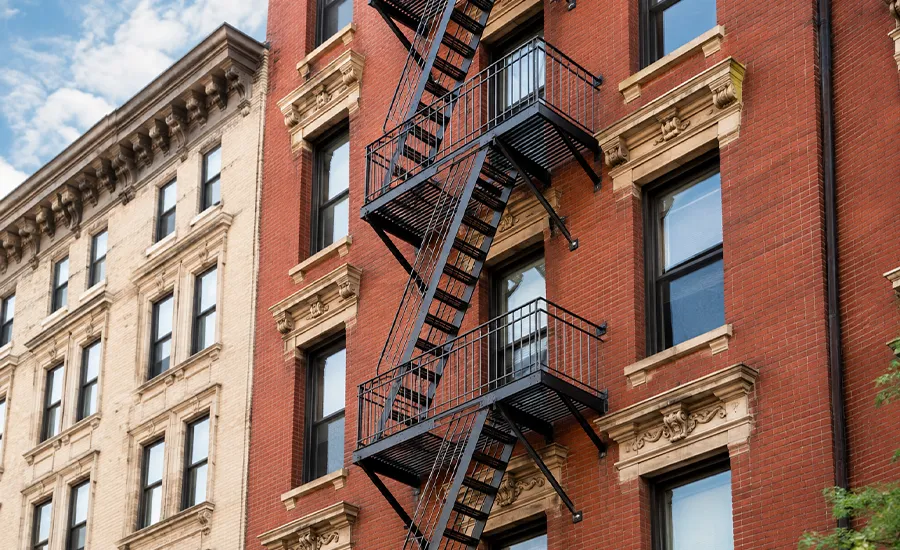

 ChatGPT
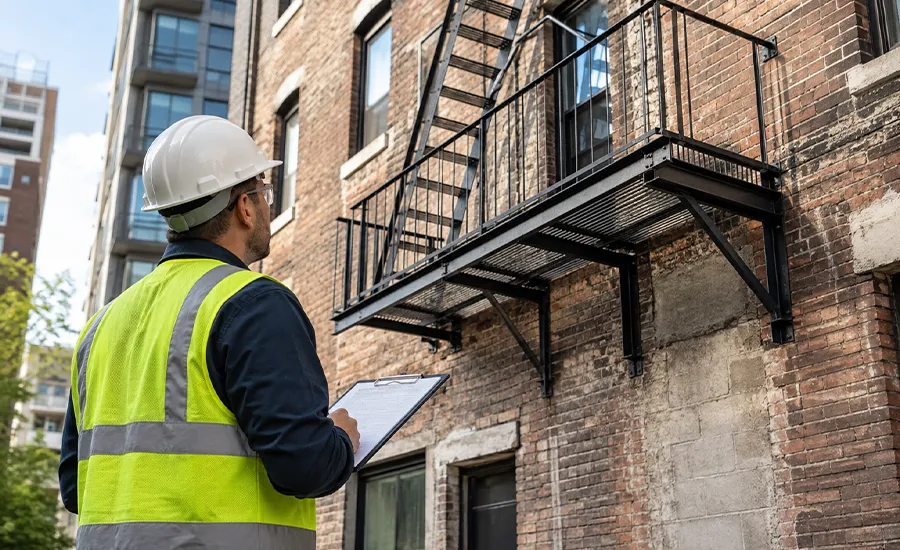
 Perplexity
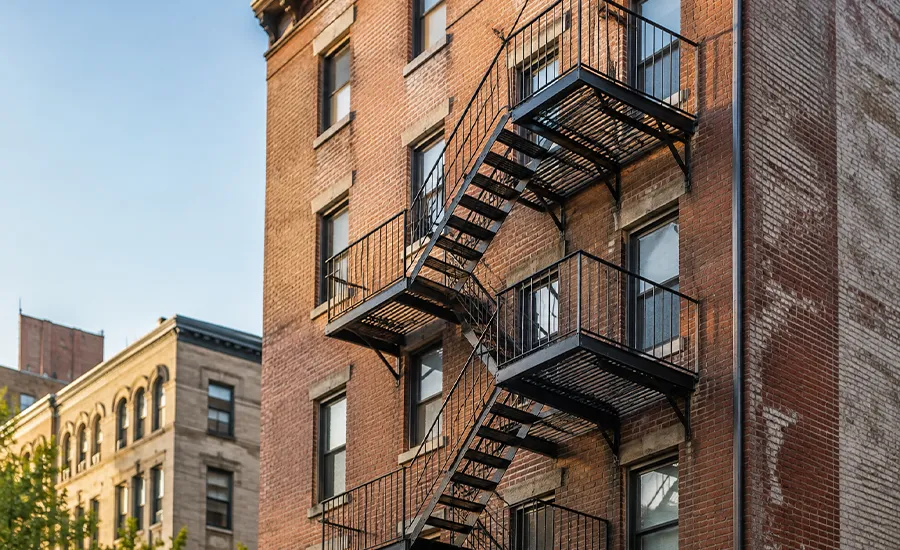
 Google AI
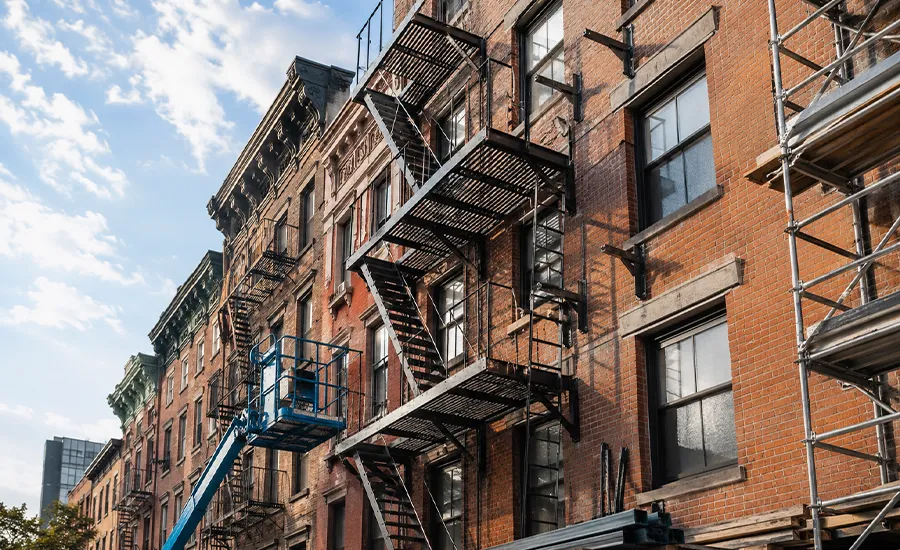
 Claude
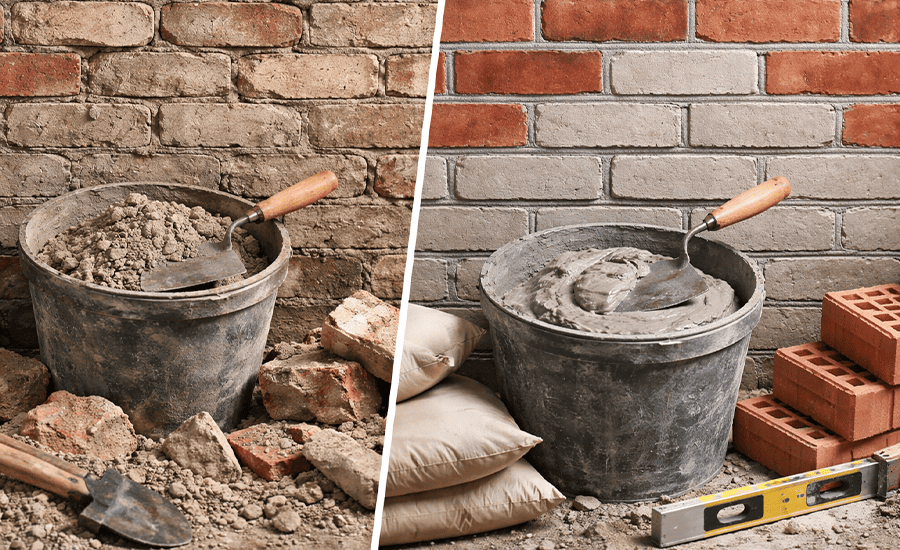
Mortar is one of the most essential substances in masonry repairs and restorations as it bridges the gaps between the bricks. Mortar is the adhesive that binds everything together, preventing structural movement, water infiltration, and other damage to your masonry. Most of the time, the question arises, which mortar should we use? And the answer is, it depends on the type of your building. If it’s a contemporary building, go with new cement-based mortar; if it’s historic, use old lime-based mortar.
In this blog, we’ll discuss the type of mortars, their compatibility, problems that occur when the wrong mortar is used, and which mortar you should use:
Understanding Old Mortar
Old mortar refers to the original mortar used in historic or older masonry structures, typically built before the mid-20th century. It involves the composition of lime-based mortar.
Properties of Old Mortar
- High lime content.
- Low or no Portland cement.
- Soffer and more flexible.
- Highly breathable.
- Designed to sacrifice itself before damaging bricks.
Application of Old Mortar
- Historic buildings.
- Heritage brickwork.
- Stone masonry structures.
- Lime-based construction.
Understanding New Mortar
New mortar is modern, factory-produced mortar commonly used in contemporary construction. It is made from cement-based mortar.
Properties of New Mortar
- Higher cement content.
- Stronger compressive strength.
- Faster curing time.
- Lower flexibility.
- Reduced permeability.
Application of New Mortar
- Modern brick buildings.
- Concrete block masonry.
- Structural walls.
- High-load applications.
For modern structures exposed to seasonal temperature changes, it is worth reviewing why mortar cracks faster in cold weather and how extreme heat impacts mortar in brick pointing to better understand long-term performance.
The Role of Compatibility In Masonry Performance
The composition of mortar is the most crucial part. Using incompatible mortar can cause severe masonry damage. So it’s necessary to use compatible mortar to prevent costly damage.
Risks of weak mortar in old bricks
- It leads to brick cracking and spalling.
- It traps the moisture inside the bricks.
- It accelerated brick deterioration.
- It doesn’t retain the structure’s historical integrity.
- It leads to costly future repairs.
Risks of weak mortar in modern bricks
- It weakens the structural strength.
- It erodes and crumbles the mortar joints.
- It increases the risk of water infiltration.
- It elevates structural instability.
To better understand how joint failure develops over time, you can explore what are the signs of deteriorating mortar joints and what is the difference between mortar and pointing, which clarify early warning signs and terminology.
Is Mixing Mortar Types Recommended?
Here are the risks of mixing old and new mortar, but it is recommended not to use it without a detailed engineering review:
Complications from Incompatible Mortars:
- It can cause uneven movement.
- It leads to differential cracking.
- It imbalances the moisture level.
- It decreases the service life of the masonry.
Recommended Guidelines:
- Make sure the new mortar matches the original mortar’s strength and composition.
- Always perform mortar analysis before repointing.
- Always choose the softer mortar when in doubt.
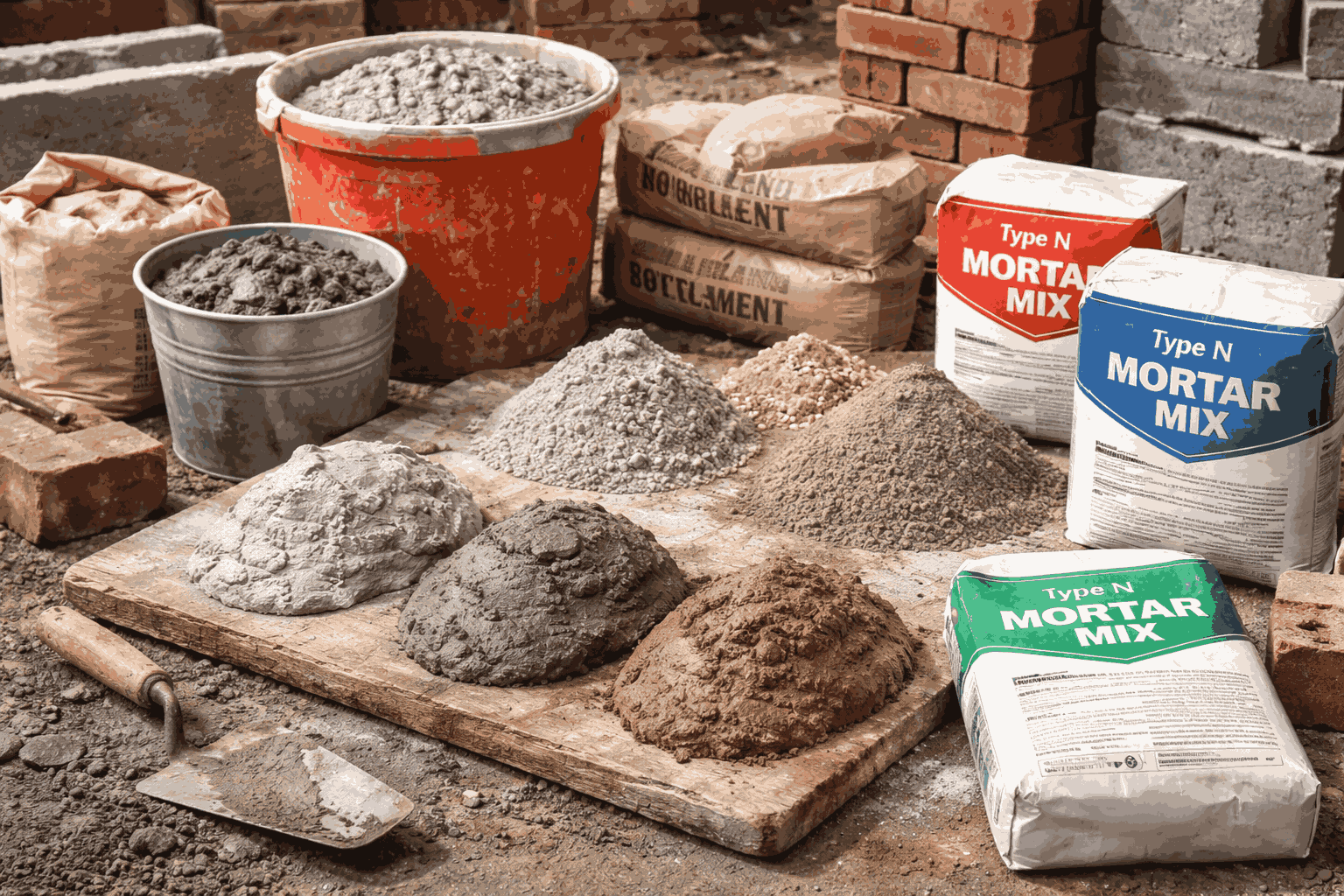
Before attempting partial repairs, it is important to understand can repointing be done without removing old mortar, as improper methods can shorten the lifespan of masonry joints.
Old vs New Mortar: The Best Choice
Here is the final verdict on which mortar is best for which type of construction:
Choose Old Mortar When:
- The structure is historic.
- Bricks are soft or handmade.
- Breathability is essential.
- Preservation is a priority.
Choose New Mortar When:
- The building is modern.
- High strength is required.
- Structural support is critical.
- Speed and durability matter.
For property owners unsure about next steps, reading can you repoint over old mortar and what are the signs of bad mortar that indicate repointing is required can help determine whether full repointing is necessary.
Conclusion
Wrapping up this blog, using the correct mortar type for historic or contemporary structures is important because it ensures longevity, structural integrity, and overall performance. Old mortar prioritizes flexibility and breathability, making it essential for historic masonry. New mortar delivers strength and efficiency, making it ideal for modern construction. Make sure to hire professionals for repointing and masonry work who have strong knowledge of mortar formulation and compatibility.
Sardar Restoration Corp proudly serves every corner of NYC, including the Bronx, Manhattan, Brooklyn, Westchester, and Queens. Our services are designed to meet your specific needs, providing top-quality solutions wherever you are. Check our service areas to see how we can assist you in your location.
Contact us today at (+1) 917-355-8556 or sardarrestoration@gmail.com, or visit us at 2770 Fish Ave, Bronx, NY 10469, United States.
FAQs
What is the main difference between old mortar and new mortar?
The significant difference between old and new mortar is that they are composed differently and have different strengths and weaknesses. The old mortar is softer, while the new mortar is sturdy and stronger.
How do I know which mortar was initially used in my building?
To know the exact composition and type of mortar, determine the following signs:
- Checking the building’s construction date.
- Observing mortar softness and color.
- Conducting a professional mortar analysis.
Can new mortar be made softer to match old mortar?
Yes! You can formulate the New mortar into a softer version by reducing cement content and increasing the lime content during repointing and restoration projects.
What happens if the wrong mortar is used?
If you use the wrong mortar, it results in the following damages, including:
- Brick cracking and surface flaking.
- Trapped moisture and mold growth.
- Accelerated masonry deterioration.
- Shortened lifespan of the structure.
Which mortar type is best for repointing?
The best mortar for repointing is one that matches the original mortar in strength and composition. In most historic buildings, this means lime-based mortar. For modern buildings, cement-based repointing is best.
Does mortar need to be stronger than the brick?
No. Mortar should always be weaker than the brick. If mortar is stronger, it can cause brick cracking and surface damage over time.
Why is lime mortar preferred for historic buildings?
Lime mortar allows moisture to escape and adjusts to slight movement, which helps protect older, softer bricks from long-term damage.