
 ChatGPT
 Perplexity
 Google AI
 Claude
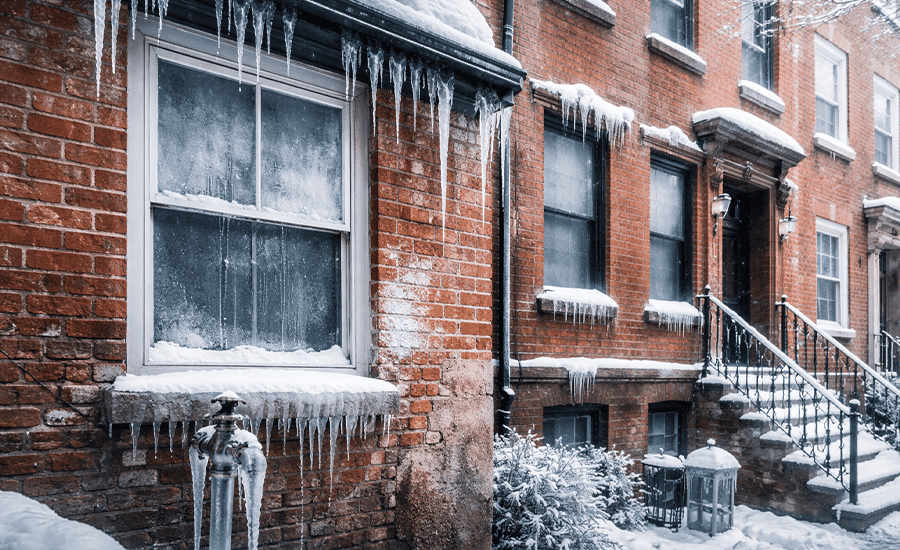
Freezing temperatures create ideal conditions for moisture-related damage in residential and commercial properties. As outdoor temperatures drop, trapped moisture expands, condensation forms on cold surfaces, and water begins to penetrate vulnerable building materials. Over time, this leads to structural weakening, interior damage, and conditions that support mold growth.
Winter moisture damage is especially dangerous because much of it develops out of sight. Pipes can freeze inside walls, snowmelt can back up beneath roofing materials, foundations absorb water during freeze-thaw cycles, and indoor humidity levels rise without obvious warning signs. If these issues are not addressed early, they can result in serious structural deterioration, indoor air quality concerns, and costly emergency repairs.
Understanding how freezing conditions affect moisture behavior allows homeowners to identify risks early, protect critical building components, and reduce long-term damage during winter months.
- Ο Freezing temperatures cause trapped moisture to expand, stressing brick, mortar, and concrete.
- Ο Condensation forms quickly on cold surfaces in older buildings with limited insulation.
- Ο Pipes, roofs, basements, and attics are highly vulnerable during New York winters.
- Ο Hidden moisture damage frequently leads to mold growth and material deterioration.
- Ο Early detection helps limit repair costs and reduces safety concerns for occupants.
How Freezing Conditions Create Moisture Problems in NYC Buildings
During winter, moisture damage in New York City buildings develops through a combination of temperature shifts, restricted airflow, insulation gaps, and limited drainage around building envelopes. Warm indoor air comes into contact with cold exterior surfaces, frozen ground prevents proper water absorption, and melting snow refreezes along roofs, parapets, and exterior walls.
As these conditions occur at the same time, moisture-related issues can affect multiple areas of a property before visible damage appears. The sections below outline the most common moisture problems homeowners encounter during freezing weather and explain how each issue develops.
1. Excess Indoor Humidity During Freezing Weather
Condensation is one of the earliest and most visible moisture problems homeowners experience during freezing conditions, particularly in NYC apartments and older residential buildings where insulation and airflow can be limited.
Why Condensation Increases in Winter
- Warm indoor air comes into contact with cold windows and exterior walls.
- Limited ventilation traps humid air inside enclosed living spaces.
- Inadequate insulation on exterior-facing walls allows surface temperatures to drop.
- Daily household activities such as cooking, bathing, and heating increase indoor moisture levels.
Areas Most Affected by Indoor Condensation
- Windows and window frames where temperature differences are highest.
- Exterior-facing and façade walls common in many NYC properties.
- Bathrooms and kitchens due to frequent moisture-producing activities.
- Basements and crawl spaces where airflow is limited.
Effects of Excess Indoor Moisture
- Fungal and mold growth on damp surfaces.
- Peeling or flaking interior paint.
- Wood deterioration in window sills and trim.
- Persistently elevated indoor humidity levels.
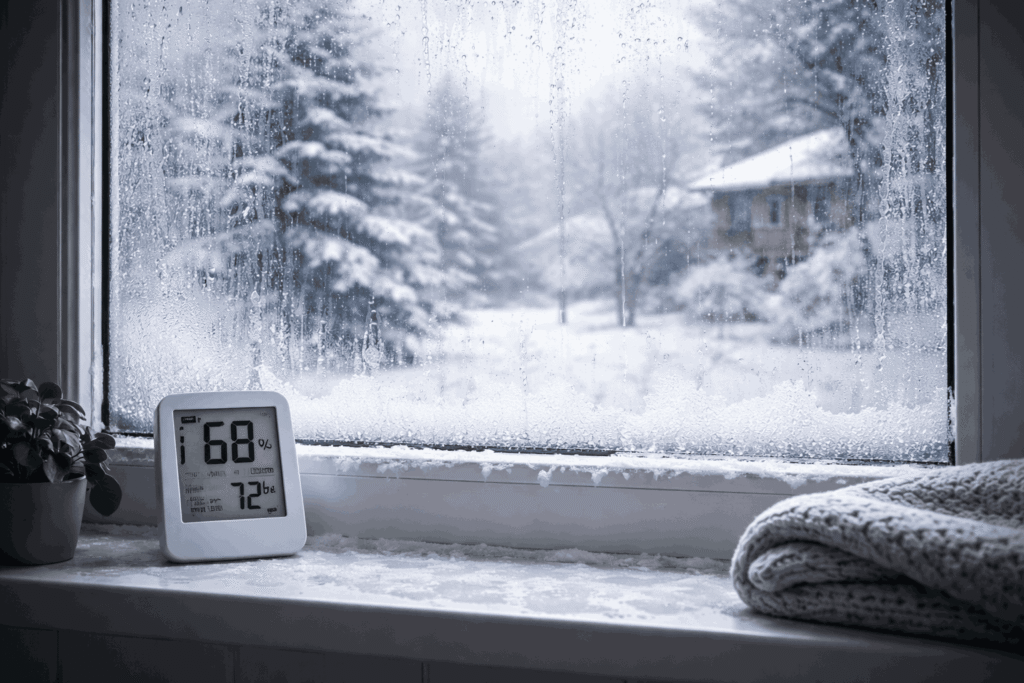
Cold weather does not only affect indoor moisture. Structural elements can also be impacted, which explains How cold temperatures cause structural stress on lintels.
2. Frozen Pipe Failures in Winter Conditions
Frozen pipes are among the most damaging moisture-related issues during freezing temperatures and are a common winter concern in NYC homes and mixed-use buildings.
Why Pipes Freeze During Cold Weather
- Exposure to cold air in unheated or poorly insulated areas.
- Inadequate insulation around plumbing lines.
- Sudden drops in outdoor temperatures.
- Reduced water usage during overnight freezing conditions.
High-Risk Pipe Locations
- Foundation-level interiors and utility rooms.
- Attics with limited insulation.
- Garages and service areas.
- Pipes running along exterior walls.
Warning Signs of Freezing Pipes
- Reduced or no water flow from fixtures.
- Frost visible on exposed pipes.
- Musty odors near walls or floors.
- Damp patches forming on interior surfaces.
Damage Caused by Burst Pipes
- Interior flooding after thawing.
- Structural water damage to walls and floors.
- Mold growth within 24 to 48 hours.
- Costly emergency repairs and service disruptions.
Water from frozen or burst pipes often travels downward, which is one reason Why basements leak more during winter.
3. Roof Ice Formation and Ice Dam Development
Ice dams are a serious winter moisture issue that affects roofs, ceilings, and interior spaces, especially on flat and low-slope roofs common across NYC buildings.
How Ice Dams Form on Roofs
- Heat escapes from interior spaces into the attic.
- Snow melts on warmer roof surfaces.
- Melted water refreezes at roof edges and gutters.
- Ice buildup blocks proper drainage paths.
Signs of Ice-Related Roof Moisture
- Icicles forming along roof edges.
- Water stains appearing on ceilings.
- Damp or compressed roof insulation.
- Peeling or bubbling interior paint.
Structural Impact of Ice Dams
- Water intrusion beneath roofing materials.
- Deterioration of roof decking.
- Interior wall and ceiling damage.
- Reduced insulation performance.
Roof moisture problems often extend to exterior wood elements, showing How winter weather damages window sills.
4. Basement Moisture Leaks During Freezing Temperatures
Freezing weather intensifies moisture problems around foundations, making basements especially vulnerable during winter, particularly in NYC properties with below-grade spaces.
Why Foundations Are Vulnerable in Winter
- Freeze-thaw cycles widen existing foundation cracks.
- Snowmelt accumulates near foundation walls.
- Poor drainage directs water toward the building.
- Frozen soil limits natural water absorption.
Common Warning Signs of Basement Moisture
- Moist basement walls or surfaces.
- White mineral deposits forming on masonry.
- Surface water pooling near foundation areas.
- Persistent musty odors.
Risks of Ongoing Basement Moisture
- Gradual structural weakening.
- Mold growth in enclosed areas.
- Damage to stored belongings.
- Increasing repair costs over time.
Ongoing winter dampness can weaken protective layers, raising concerns about How cold air impacts waterproofing effectiveness.
5. Mold Formation Triggered by Winter Moisture
Although mold is often associated with warm climates, winter moisture can create favorable conditions for mold growth inside homes and buildings throughout NYC.
Why Mold Develops During Winter
- Water vapor buildup inside enclosed spaces.
- Inefficient or blocked ventilation systems.
- Damp insulation retaining moisture.
- Hidden subsurface water leaks.
Areas Most Prone to Mold Growth
- Bathrooms with limited ventilation.
- Basements and lower-level spaces.
- Wall cavities behind finished surfaces.
- Areas around windows and exterior walls.
Health and Property Concerns
- Breathing discomfort and irritation.
- Sensitivity to biological growth and airborne particles.
- Damage to drywall and interior finishes.
- Decline in indoor air quality.
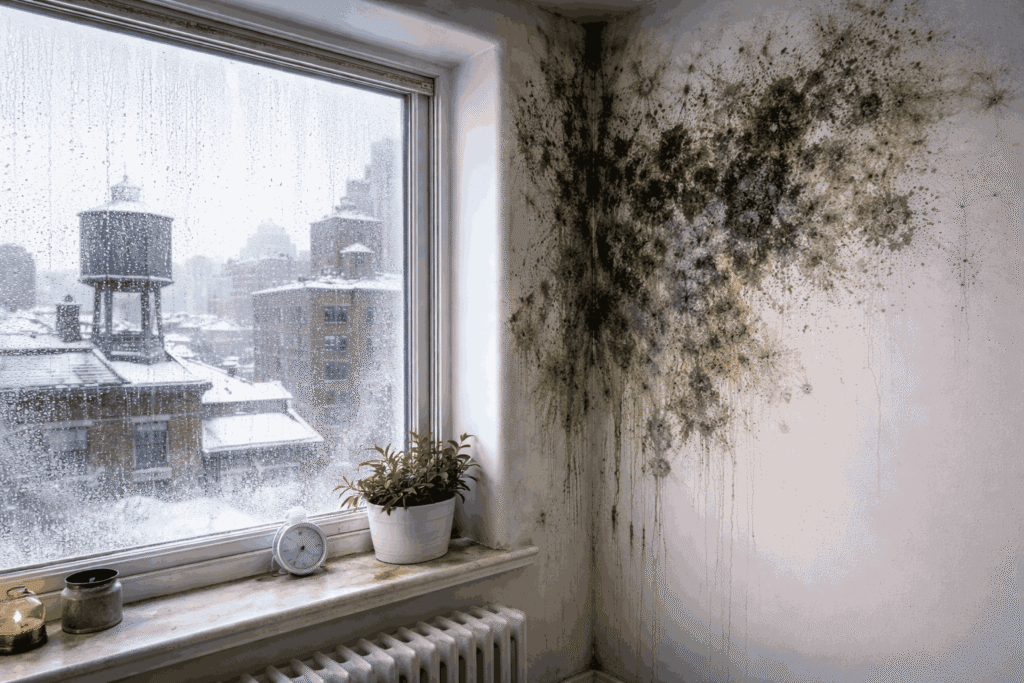
Many mold issues begin with damaged masonry joints, closely related to Why mortar cracks faster in cold weather.
6. Attic Dampness Caused by Cold Weather Conditions
Attics often trap moisture during freezing weather, leading to hidden damage in residential and commercial properties.
Causes of Moisture Buildup in Attics
- Warm air rising from occupied living spaces.
- Insufficient attic ventilation.
- Inadequate insulation coverage.
- Roof leaks related to ice dam formation.
Signs of Moisture in Attic Spaces
- Frost forming on roof decking.
- Wet or compacted insulation.
- Mold growth on wood surfaces.
- Early signs of wood decay.
Risks of Unaddressed Attic Dampness
- Reduced insulation effectiveness.
- Structural damage to roof components.
- Increased heating and energy consumption.
Attic moisture is often part of broader Cold weather masonry problems and fixes affecting multiple parts of a building.
Final Thoughts
Freezing weather creates more than short-term discomfort for homeowners in NYC, as winter moisture can quietly affect structural components, interior materials, and indoor air quality. Issues such as excess humidity, frozen pipes, roof ice buildup, basement leaks, and hidden dampness often develop without clear warning signs, making early attention essential to preventing long-term damage. Property owners across residential and commercial buildings who remain alert to these seasonal risks are better positioned to protect their properties, maintain safe living conditions, and reduce costly repairs during harsh winter conditions.
Sardar Restoration Corp serves residential and commercial properties across NYC, including The Bronx, Manhattan, Brooklyn, Westchester, and Queens, providing solutions suited to local building conditions and seasonal challenges.
For more information or to discuss your property concerns, contact (+1) 917-355-8556, email sardarrestoration@gmail.com, or visit 2770 Fish Ave, Bronx, NY 10469, United States.
FAQs
Why does condensation appear more during freezing days?
Condensation tends to appear more during freezing days because the humidity in the climate leads to the cold surfaces, which then turn into water droplets.
When should I call a professional for moisture problems?
If condensation, damp walls, or mold odors continue despite basic prevention steps, professional inspection is recommended to prevent further structural damage.
How can I prevent my pipes from freezing?
Homeowners are advised to follow these tips to prevent pipes from freezing:
- Wrap the exposed pipes to prevent freezing.
- Keep a slow drip of running water during extreme cold.
- Block the opening that lets air leak near the pipes.
- Keep the indoor temperatures warm.
How do freeze-thaw cycles damage foundations and masonry?
When the masonry expands and contracts in winter, it lets water trapped in cracks, which weakens the bricks, mortar, and concrete, leading to structural damage, leaks, and costly repairs.
Can high humidity damage a home in winter?
Yes. In cold weather, excess indoor humidity can condense inside walls, ceilings, and window frames without visible leaks, leading to material damage and air quality issues.
What signs indicate hidden moisture problems in my home?
Following sign indicates the hidden moisture problems in your home:
- Musty odors
- Peeling paint
- Frost on windows
- Humid walls
- Cracks in masonry
Can mold grow in winter?
Yes! Due to cold weather, the masonry often traps moisture, which leads to mold growth behind walls, in basements, bathrooms, and attics, in addition to the musty odor.
Why is moisture worse in apartments during winter?
Apartments often have limited ventilation and shared walls, which allow humidity to build up more easily during freezing weather, especially when heating systems are running.