
 ChatGPT
 Perplexity
 Google AI
 Claude
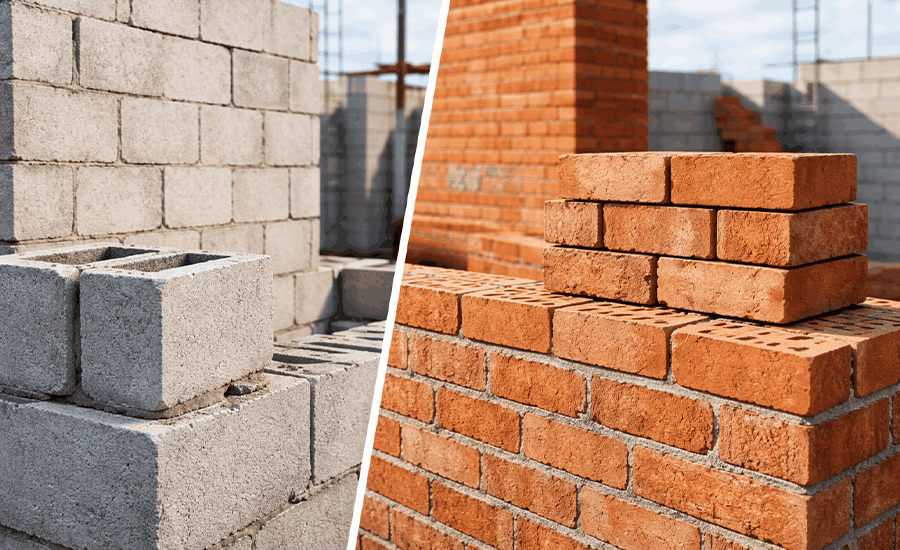
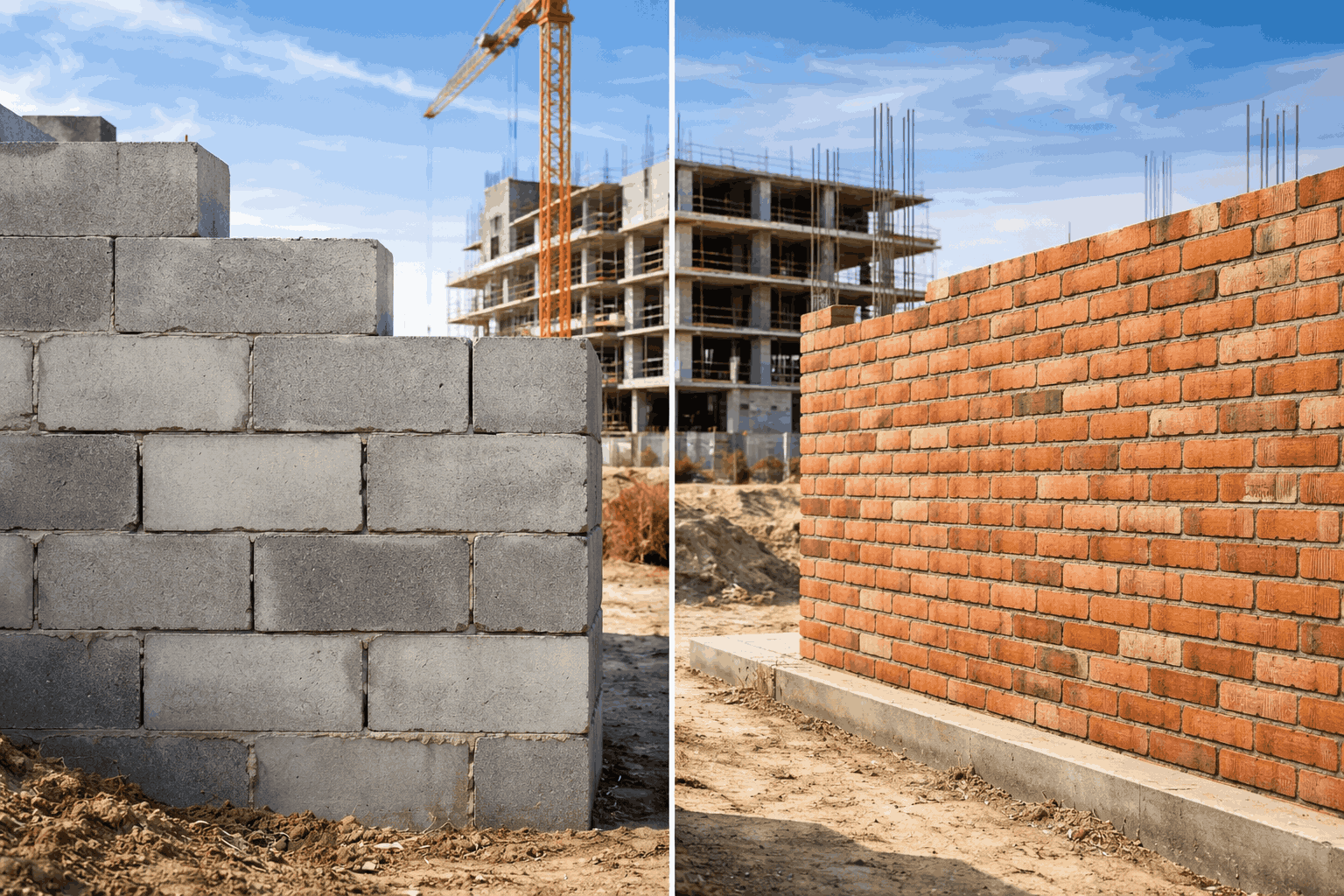
Blockwork uses concrete or cement blocks for faster, cost-effective construction, while brickwork uses fired clay bricks for durability and exterior aesthetics. In NYC, blockwork is commonly used for structural walls, while brickwork is preferred for facades due to its weather resistance and visual appeal.
In NYC construction, the choice between blockwork and brickwork depends on structural requirements, budget, and whether the surface will remain exposed or finished. Both materials are often used together, with blockwork forming the internal structure and brickwork used for exterior performance and compliance.
Understanding these differences helps property owners choose the right material based on structure, exposure, and long-term performance.
- Ο Brickwork uses fired clay bricks, while blockwork uses concrete or cement blocks.
- Ο Blockwork is more cost-effective and faster to install for structural walls.
- Ο Brickwork offers better durability and visual appeal for exterior surfaces.
- Ο Blockwork typically requires plastering or rendering, while brickwork can remain exposed.
- Ο In NYC, buildings often use blockwork internally and brickwork externally.
What Is Brickwork in Construction?
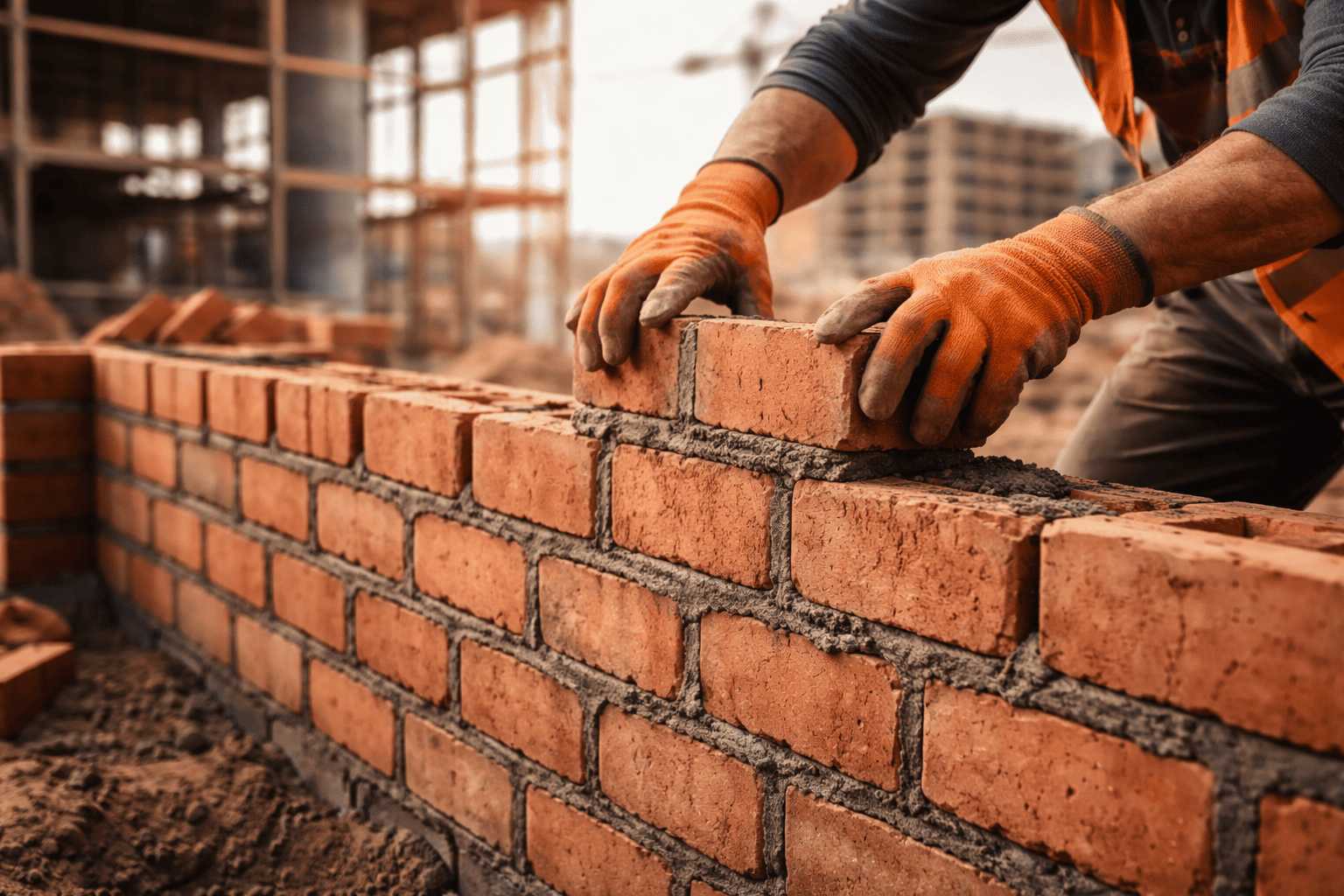
Brickwork is the process of laying fired clay bricks bonded with mortar to create strong, durable, and visually appealing structures. It is widely used in NYC for exterior facades, boundary walls, and architectural detailing due to its resistance to weather and long service life, making it a key part of understanding brickwork construction in real-world building applications.
In high-exposure environments like New York, brickwork performs well against moisture and freeze-thaw cycles, making it a reliable choice for buildings that require both structural integrity and aesthetic value, especially when considering how cold weather impacts brickwork repairs over time.
Key Features of Brickwork
- Made from kiln-fired clay for long-term durability
- Smaller, uniform units allow precise detailing
- High compressive strength for structural reliability
- Can be left exposed for a classic façade finish
- Available in multiple colors and textures
- Resistant to moisture and freeze-thaw conditions
Where Brickwork Is Commonly Used
- Exterior facades in residential and commercial buildings
- Boundary and garden walls
- Brownstones and traditional NYC structures
- Decorative and architectural detailing
What Is Blockwork in Construction?
Blockwork refers to the use of large concrete or cement blocks laid with mortar to form structural walls. Due to their larger size and uniform shape, blocks allow faster wall construction and efficient structural assembly. In NYC construction, different types of concrete blockwork used in NYC buildings are selected based on structural requirements and building design.
In modern construction, blockwork is typically used behind finished surfaces, where strength and efficiency are prioritized over appearance. It forms the primary structural layer that supports building loads before exterior finishes are applied.
Key Features of Blockwork
- Made from concrete or cement-based materials
- Larger units reduce the number of joints in a wall
- Speeds up on-site wall construction
- Commonly used as a structural backing system
- Requires finishing, such as plaster, render, or cladding
- Used across residential and commercial structural systems
Where Blockwork Is Commonly Used
- Structural and load-bearing walls
- Foundations and base structures
- Internal wall systems and partitions
- Commercial and multi-unit residential buildings
- Backing walls behind brick or stone facades
Key Differences Between Blockwork and Brickwork
Blockwork and brickwork differ in structural role, installation speed, and how they are used in finished construction.
In NYC construction, both materials are often used together, with blockwork forming the internal structural base and brickwork used for exposed exterior surfaces that must withstand weather and meet façade standards.
Material and Structural Differences
| Attribute | Brickwork | Blockwork |
|---|---|---|
| Core material | Fired clay | Concrete or cement |
| Unit size | Smaller, uniform bricks | Larger, standardized blocks |
| Structural role | Exterior walls and finishes | Structural and backing walls |
| Wall density | Moderate | Higher mass and thickness |
| Thermal behavior | Retains heat (thermal mass) | Offers better insulation properties |
| Surface finish | Can remain exposed | Requires plaster or cladding |
Installation Efficiency on Site
- Brickwork: Requires more units and joint work, resulting in slower, detail-focused installation
- Blockwork: Covers more surface area with fewer joints, allowing faster structural wall completion
Practical Impact
- Blockwork speeds up construction timelines, especially in large-scale or commercial projects
- Brickwork allows better control over alignment, detailing, and exposed finishes
Cost and Finishing Considerations
- Brickwork:
- Higher upfront cost due to material and labor intensity
- Often does not require additional surface finishing if used as an exposed façade
- Blockwork:
- Lower construction cost for structural walls
- Requires finishing layers such as plaster, paint, or render before final use
Appearance and Design Use
- Brickwork:
- Used for visible exterior surfaces
- Suitable for both traditional and modern façade designs
- Common in brownstones and exposed exterior walls in NYC
- Blockwork:
- Used as a hidden structural layer
- Not intended for final visual finish
- Typically covered with façade materials
Performance in Environmental Conditions
| Feature | Brickwork | Blockwork |
|---|---|---|
| Expected lifespan | 100+ years | 50–75 years |
| Weather exposure | Suitable for direct exposure | Needs protective finishing |
| Moisture handling | Naturally resistant | Requires sealing and ventilation |
| Maintenance level | Low (periodic joint work) | Moderate (surface protection) |
Maintenance and Long-Term Use
- Brickwork:
- Requires periodic repointing of mortar joints, but remains structurally stable over long periods
- Blockwork:
- Requires maintained surface protection (plaster, coating, or sealants) to prevent moisture-related issues
When to Use Blockwork vs Brickwork
Blockwork is typically used where structural strength, speed, and cost efficiency are the priority, especially for internal walls and large-scale construction.
Brickwork is preferred for exterior applications where durability, weather resistance, and appearance matter, particularly in NYC facades exposed to harsh conditions and regulatory requirements.
In NYC construction, both materials are often combined to balance structural strength and exterior durability, especially when evaluating a brick vs concrete block comparison for your building based on project requirements.
Advantages and Limitations of Blockwork and Brickwork
Blockwork and brickwork are used for different purposes in construction, so their advantages and limitations depend on where they are applied within a structure.
In NYC projects, this distinction becomes important when deciding between structural efficiency and exterior performance, especially under local building requirements and environmental exposure.
Brickwork: Advantages and Limitations
Brickwork is used where walls remain exposed and must perform well against weather and long-term environmental conditions.
Advantages
- Provides a finished exterior surface without additional cladding
- Performs reliably in exposed conditions such as rain and freeze-thaw cycles
- Allows precise detailing for architectural and façade work
Limitations
- Requires more time to install due to the smaller unit size
- Increases overall construction cost when used extensively
- Less efficient for large structural wall systems
Brickwork: Advantages and Limitations
Brickwork is used where walls remain exposed and must perform well against weather and long-term environmental conditions.
Advantages
- Provides a finished exterior surface without additional cladding
- Performs reliably in exposed conditions such as rain and freeze-thaw cycles
- Allows precise detailing for architectural and façade work
Limitations
- Requires more time to install due to the smaller unit size
- Increases overall construction cost when used extensively
- Less efficient for large structural wall systems
Blockwork: Advantages and Limitations
Blockwork is used as a structural system where walls are finished or covered rather than left exposed.
Advantages
- Allows rapid wall construction with fewer joints
- Used for structural frameworks in both residential and commercial buildings
- Serves as a base for additional finishes or façade systems
Limitations
- Cannot be left exposed in most cases
- Requires protective finishing to prevent moisture-related issues
- Not suitable for exposed architectural finishes
Final Thoughts: Choosing Between Blockwork and Brickwork
Blockwork and brickwork serve different roles in construction, and the right choice depends on structural needs and exterior requirements.
Blockwork is used for structural systems where speed and efficiency are critical, while brickwork is used for exposed surfaces where durability and appearance matter.
In most NYC projects, combining both materials provides the best outcome, with blockwork supporting the structure and brickwork enhancing durability and appearance.
Sardar Restoration Corp provides licensed and insured masonry services across NYC, including the Bronx, Manhattan, Brooklyn, Westchester, and Queens. Our team follows NYC building codes and ensures every project meets structural and façade compliance requirements.
For inspections or repairs, call (+1) 917-355-8556, email sardarrestoration@gmail.com, or visit us at 2770 Fish Ave, Bronx, NY 10469, United States.
FAQs
What is the main difference between blockwork and brickwork?
Blockwork uses larger concrete blocks for structural walls, while brickwork uses smaller fired clay bricks typically for exterior surfaces and finishes.
Is blockwork cheaper than brickwork?
Yes, blockwork is generally more cost-effective because larger units reduce labor time and material usage during construction.
Can brickwork and blockwork be used together?
Yes, most buildings use both, with blockwork forming the structural base and brickwork used for exterior facades.
Which is better for load-bearing walls: blockwork or brickwork?
Blockwork is generally better for load-bearing walls because concrete blocks provide higher structural stability with fewer joints. Brickwork can also be load-bearing, but is more commonly used for exterior walls where appearance matters.
Which is better for insulation and energy efficiency?
Blockwork provides better insulation performance, while brickwork helps regulate temperature through thermal mass.
Do blockwork walls need finishing?
Yes, blockwork walls usually require plastering, rendering, or cladding to protect against moisture and improve appearance.
Is brickwork stronger than blockwork?
Both materials are strong, but they serve different roles. Blockwork is better for load-bearing structural walls, while brickwork provides strong and durable exterior surfaces.
Do NYC buildings require brick facades?
Not always, but many NYC buildings use brick for exterior facades to meet durability and aesthetic requirements. Local regulations may influence façade material choices depending on the building type.
How long do blockwork and brickwork last?
Brickwork can last over 100 years with proper maintenance, while blockwork typically lasts 50–75 years, depending on finishing and exposure conditions.
Which is better for NYC weather conditions?
Brickwork performs better in exposed NYC conditions due to its resistance to moisture and freeze-thaw cycles, while blockwork requires protective finishing to prevent damage.