
 ChatGPT
 Perplexity
 Google AI
 Claude
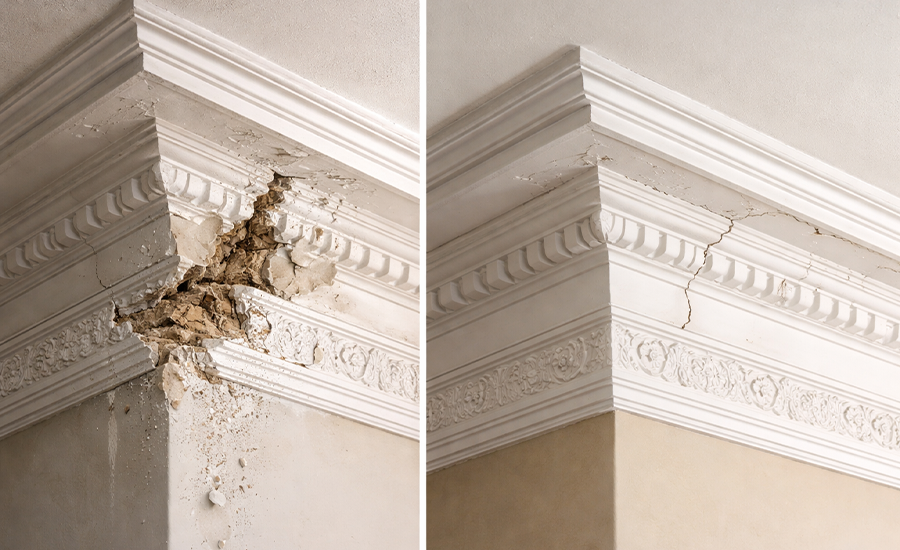
Cornice damage in NYC buildings is often misunderstood, especially when identifying whether the issue is structural or purely cosmetic. Structural cornice damage affects the stability and safety of a property, while cosmetic damage mainly impacts appearance without compromising integrity.
Due to NYC’s weather conditions, moisture exposure, and building movement, cornices can deteriorate over time. Identifying the type of damage early helps property owners avoid unnecessary repairs, reduce costs, and maintain building safety.
This guide explains the difference between structural and cosmetic cornice damage, how to recognize each type, and when professional inspection becomes necessary.
- Ο Structural cornice damage affects building stability and requires immediate attention
- Ο Cosmetic damage is surface-level and does not impact structural safety
- Ο Expanding cracks, separation, or visible movement indicate structural issues
- Ο Small cracks or paint damage are typically cosmetic
- Ο Early identification helps prevent costly repairs in NYC properties
- Ο Professional inspection is recommended for unclear or severe damage
What Is Cornice Damage?
Cornice damage refers to any form of cracking, deterioration, or deformation in the architectural molding located at roof edges or where walls meet ceilings. In NYC residential and commercial buildings, cornices are exposed to environmental stress, including the impact of freeze-thaw cycles on cornices, which can gradually weaken their condition.
Common causes of cornice damage include:
- Moisture intrusion and water leaks
- Temperature fluctuations and freeze-thaw cycles
- Building settlement or structural movement
- Poor installation or outdated construction methods
- Natural aging of materials over time
What Is Structural Cornice Damage in NYC?
Structural cornice damage affects the stability and integrity of the cornice and, in some cases, the surrounding structure. In NYC properties, this type of damage is often linked to long-term stress factors such as moisture exposure, building movement, or load-related issues. For better clarity when evaluating exterior design elements, it is useful to understand the difference between coving and cornice, as both features are often confused but perform differently under structural stress. Because it can impact safety, structural damage requires a timely professional evaluation.
Common causes of structural cornice damage include:
- Foundation movement or shifting
- Roof or load-bearing structural issues
- Prolonged water infiltration
- Severe weather exposure, including freeze-thaw cycles
Key Signs of Structural Cornice Damage
Structural damage typically shows visible movement or material failure rather than just surface-level changes.
- Cornice separating or pulling away from the wall
- Large or widening cracks extending into ceilings or adjacent surfaces
- Soft, loose, or crumbling material
- Persistent water stains or mold near the cornice area
- Recurring damage even after previous repairs

What Is Cosmetic Cornice Damage?
Cosmetic cornice damage refers to surface-level deterioration that affects the appearance of the structure but does not compromise its stability. This type of damage is common in NYC buildings due to aging finishes and routine environmental exposure, and is generally easier and less costly to repair.
Common causes of cosmetic cornice damage include:
- Natural wear and aging over time
- Minor humidity or temperature changes
- Peeling, fading, or aging paint finishes
- Light impact or surface-level damage
Key Signs of Cosmetic Cornice Damage
Cosmetic damage remains limited to the surface and does not involve movement, separation, or any structural weakness.
- Small, non-expanding cracks
- Fading, peeling, or flaking paint
- Minor surface imperfections or uneven finishes
- No visible movement, shifting, or detachment
Why Identifying Cornice Damage Early Matters
Misidentifying cornice damage can lead to unnecessary repairs or serious structural risks. In NYC buildings, early identification helps determine whether the issue is structural or cosmetic in nature, allowing property owners to take the correct action at the right time. It also highlights the importance of timely façade repairs in NYC, particularly when early signs are ignored or misjudged.
Recognizing the type of damage also helps prevent minor issues from developing into larger structural problems, especially in environments exposed to moisture, temperature changes, and building movement.
Risks of Ignoring Structural Cornice Damage
Failing to address structural damage can lead to safety concerns and increased long-term costs.
- Increasing repair costs over time
- Potential safety hazards for occupants
- Further structural deterioration
- Moisture intrusion is affecting the surrounding areas
Risks of Treating Structural Issues as Cosmetic
Misjudging structural damage as a minor cosmetic issue can lead to ineffective repairs and delayed action.
- Unnecessary short-term fixes that do not resolve the root cause
- Higher costs due to repeated repairs
- Loss of time and resources
- Increased risk of damage spreading to adjacent areas
How to Inspect Cornice Damage: Step-by-Step Guide
A basic visual inspection can help identify early signs of cornice damage before consulting a professional inspector. This is especially useful for NYC property owners managing routine maintenance, but for a more accurate evaluation, understanding the professional cornice inspection process can help identify deeper structural issues that are not visible during a basic check.
Cornice Inspection Checklist
Use the following steps to assess visible damage:
- Check cracks for size, depth, and whether they are expanding
- Look for signs of structural movement or separation
- Identify water stains, damp patches, or discoloration
- Gently press the surface to test for softness or instability
- Inspect nearby walls and ceilings for related damage

Best Repair Methods for Structural Cornice Damage
Structural cornice damage often requires detailed repair or full replacement to restore safety and stability. In NYC buildings, repairs must address both visible damage and the underlying structural cause to prevent recurring issues.
Repairing structural damage is critical because improper methods can lead to further deterioration, long-term structural issues, and increased safety risks over time.
- Reinforcing the cornice framework to restore structural strength
- Reattaching or replacing damaged or detached sections
- Addressing underlying structural or load-related issues
- Applying sealants to protect against moisture and weather exposure
- Replastering and finishing to restore surface integrity
Failure to properly repair structural damage can compromise both the appearance and long-term stability of the building.
Best Repair Methods for Cosmetic Cornice Damage
Cosmetic cornice damage is typically easier and more cost-effective to repair, as they only affect surface appearance. However, proper repair techniques are still essential to ensure a clean finish and prevent future surface deterioration.
Poorly executed cosmetic repairs can lead to uneven finishes or recurring issues, especially in environments exposed to moisture and temperature changes.
- Filling cracks and joints using appropriate compounds
- Smoothing and leveling uneven surfaces
- Performing minor patch repairs on damaged areas
- Applying paint and finishing for a consistent appearance
Cosmetic repairs do not resolve structural problems, but well-executed surface treatments can protect materials from moisture, dirt, and environmental wear, reducing the need for frequent maintenance.
Tips to Prevent Cornice Damage in NYC
Preventing cornice damage is more cost-effective than frequent repairs, especially in NYC, where buildings are exposed to moisture, temperature changes, and material aging. Regular maintenance helps extend the lifespan of cornices and reduce long-term repair costs, and reduces the risk of structural issues developing over time.
- Schedule regular visual inspections
- Address roof leaks and drainage issues promptly
- Maintain proper ventilation to reduce moisture buildup
- Use durable, high-quality materials for repairs
- Plan routine maintenance for both residential and commercial properties
Consistent upkeep and timely repairs help maintain structural stability and prevent minor issues from escalating into costly damage.

Conclusion
Structural cornice damage poses serious risks to building stability and occupant safety, while cosmetic damage mainly affects appearance and is generally easier to repair. Understanding the difference between these two types helps property owners take the right action at the right time.
Early identification and proper repair decisions help reduce long-term costs, maintain property value, and ensure the safety of both residential and commercial buildings in NYC.
Sardar Restoration Corp provides professional masonry inspections and repair services across NYC, including the Bronx, Manhattan, Brooklyn, Yonkers, Westchester, and Queens. Property owners can contact the team at (+1) 917-355-8556 or via email at sardarrestoration@gmail.com for expert evaluation and professional guidance.
FAQs
How can I tell if a cornice crack is structural?
Structural cracks are usually large, expanding, or accompanied by movement. If the cornice appears to be separating from the wall, feels soft, or shows recurring damage after repairs, it may indicate a deeper structural issue. In such cases, a professional inspection is recommended.
Are hairline cracks in cornices serious?
Hairline cracks are typically cosmetic and do not affect structural integrity. However, if left untreated, they can allow moisture to enter and gradually worsen over time, so timely repair is still important.
Can cosmetic cornice damage turn into structural damage?
Yes, cosmetic damage can develop into structural problems if ignored. Moisture intrusion and continued exposure to environmental conditions can weaken materials, eventually affecting the stability of the cornice.
How often should cornices be inspected in NYC?
Cornices should be inspected at least once a year. In NYC, additional inspections are recommended after severe weather, heavy rainfall, or freeze-thaw cycles, which can accelerate deterioration.
Is replacing a cornice better than repairing it?
It depends on the extent of the damage. Severely damaged or unstable cornices may require replacement, while minor or surface-level issues can usually be repaired more cost-effectively.
What causes cornice damage in NYC buildings?
Cornice damage in NYC is commonly caused by moisture exposure, freeze-thaw cycles, aging materials, and structural movement. Over time, these factors weaken the material and lead to cracks or deterioration.
How much does cornice repair cost in NYC?
The cost depends on the severity of the damage, accessibility, and repair method. Cosmetic repairs are generally affordable, while structural repairs or replacements can be significantly more expensive.
Do NYC buildings require cornice inspections?
Yes, depending on the building type and height, façade inspections may be required under NYC regulations. Regular inspections help ensure compliance and prevent safety hazards.