
 ChatGPT
 Perplexity
 Google AI
 Claude
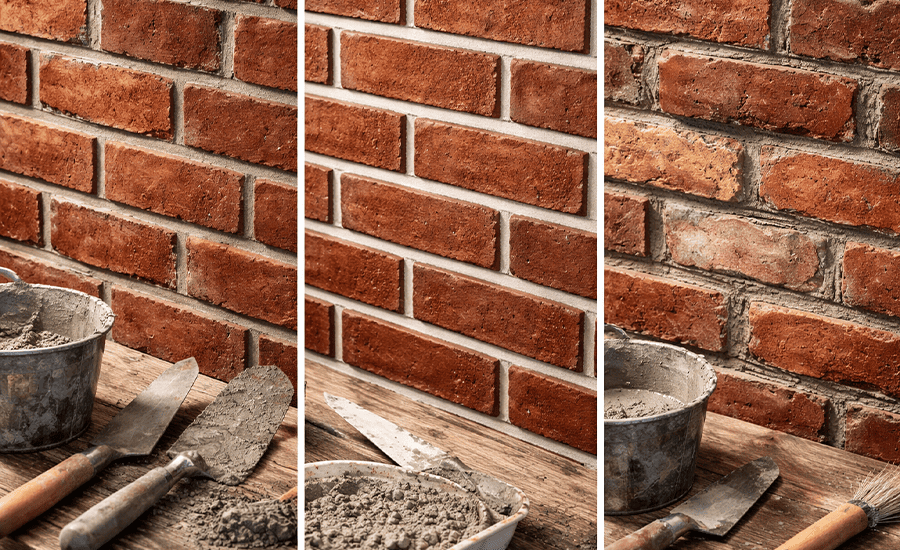
Pointing refers to the filling of masonry joints with the appropriate type of mortar. But the most important mortar is of three types, which involves all the masonry strengthening, decorating, and restoration. These include brick pointing, tuckpointing, and spot pointing. Each one of them performs its own task with attention to detail while ensuring prevention from weather exposure, moisture infiltration, freeze-thaw cycles, and natural aging, which leads to the mortar cracking, eroding, or failing. Ensure that you hire professionals to perform this method, selecting the best option according to your property’s needs.
In this blog, we break down the real differences between brick pointing, tuckpointing, and spot pointing, including how they work, when each one makes sense, and how cost and durability compare, so you can make a confident, informed decision for your property.
The Importance of Mortar Pointing
Mortar pointing plays an integral role in the structural stability of the whole building. If the mortar formulation is not suitable, it can risk structural integrity. Proper pointing helps to:
- It bonds the bricks firmly and aligns them in place.
- It reduces the chances of water intrusion.
- It prevents freeze-thaw damage to the walls.
- It fosters structural stability & visual appearance.
- It extends the lifespan of masonry.
- It preserves architectural appearance.
- It adheres to all the NYC safety codes.
For a deeper comparison between repair approaches, you may also find it helpful to read Brick repair vs brick replacement: which is more worth it?, which explains when mortar repair is enough and when full brick replacement makes more sense.
Understanding Brick Pointing
Brick pointing is the process of removing deteriorated mortar joints and refilling the joints with new, accurate mortar in every brick unit.
Features of Brick Pointing:
- It entails controlled mortar removal or raking out old mortar.
- It involves the application of the freshly made.
- It matches existing mortar strength and composition.
- It focuses on structural reinforcement rather than decoration.
Signs you require Brick Pointing:
- Mortar joints are crumbling or missing.
- Bricks feel loose or unstable.
- Water penetration is evident.
- Large wall sections show uniform deterioration.
- Building fails masonry safety inspections.
Advantages of Brick Pointing
- It reestablishes structural integrity.
- It enhances structural load resistance.
- It halts the spread of damage.
- It prolongs the structure’s service life.
- It supports regulatory & code compliance.
If you are deciding between different protective solutions, Brick pointing vs waterproofing: what protects better? offers useful insight into how mortar repairs compare with surface-level protection methods.
Understanding Tuckpointing
The tuckpointing method is approached when the brick structures need decoration and demand to create an illusion of perfectly even joints.
Features of Tuckpointing:
- It integrates structural repairs with architectural refinement.
- It demands attention to detail & specialized craftsmanship.
- It is preferred for historic or significant buildings.
Signs you require Tuckpointing:
- Mortar joints are worn but not severely damaged.
- Brickwork looks uneven or aged.
- Visual restoration is a priority.
- Historic façade preservation is required.
Advantages of Tuckpointing:
- It restores visual consistency.
- It creates sharp brick lines.
- It safeguards historic craftsmanship.
- It improves street facing appearance.
- It offers additional structural strength.
For property owners considering alternative exterior finishes, Repointing vs rendering: which option lasts longer? explains how tuckpointing compares with rendering in terms of durability and appearance.
Understanding Spot Pointing
Spot pointing involves short-term repair methods, which are quite economical but not as sturdy as brick pointing. It applies only to minor repairs.
Features of Spot Pointing:
- It only focuses on specific areas of concern.
- It is used for selective mortar replacement.
- It is more affordable than full repointing.
- It is designed to stop damages.
Signs you require Spot pointing:
- Damage is limited to small sections.
- Early-stage mortar deterioration.
- Preventive maintenance work.
- Budget-sensitive repairs.
Advantages of Spot Pointing:
- It is an affordable maintenance solution.
- It lowers urgent safety risks.
- It prevents material degradation.
- It offers minimal disruption to occupants.
- It is suitable for ongoing maintenance.
To better understand material-related limitations, Lime mortar vs cement mortar: which is better for brick walls? explains how mortar choice affects the success of smaller repair methods like spot pointing.
How To Choose The Right Pointing Method?
Make sure to use the suitable method wisely, depending on the damage severity, budget, and long-term goals.
When Brick Pointing Is the Right Choice
- Mortar deterioration is widespread.
- Structural integrity is compromised.
- A long-term repair solution is required.
- The building must meet safety and compliance standards.
When Tuckpointing Makes More Sense
- Visual appearance is a priority.
- The property has historic or architectural value.
- Mortar joints are uneven but not severely damaged.
- Both durability and aesthetic refinement are important.
When Spot Pointing Is Sufficient
- Damage is limited to specific areas.
- A quick and affordable repair is needed.
- Routine maintenance is being performed.
- A full restoration is planned for later.

Material type also plays a role in decision-making, which is why Stone vs brick pointing: what you should know can help clarify how pointing needs differ based on masonry surfaces.
Cost Breakdown of Different Pointing Methods:
Here is the cost comparison of all three types of pointing. While brick pointing is costly at one point, it is a long-lasting project and one time investment.
| Process | Typical Cost Range (NYC) | Long-Term value |
|---|---|---|
| Brick Pointing | $10 – $25 per sq. ft. | Strong long-term durability |
| Tuckpointing | $15 – $35 per sq. ft. | Visual upgrade + solid lifespan |
| Spot Pointing | $5 – $10 per sq. ft. | Short-term / maintenance only |
Tips to Avoid Common Pointing Mistakes
Making the wrong decisions during masonry repairs can shorten the lifespan of your brickwork and increase long-term costs. Keeping these common mistakes in mind helps ensure your pointing work remains durable, safe, and structurally sound.
- Choosing spot pointing for severe mortar damage instead of full repointing.
- Using mortar that does not match the brick type or original composition.
- Prioritizing appearance over structural stability.
- Delaying repairs until minor issues turn into major masonry problems.
- Hiring unqualified or inexperienced contractors for tuckpointing work.
Final Thoughts
Understanding the difference between brick pointing, tuckpointing, and spot pointing helps you avoid unnecessary repairs and choose a solution that actually fits your building’s condition. Brick pointing works best when structural strength is the priority, tuckpointing suits properties where appearance and detail matter, and spot pointing is useful for limited, early-stage repairs. Each method serves a clear purpose, but applying the wrong one can shorten the life of your masonry and increase future costs. By matching the pointing method to the level of damage, visual goals, and long-term plans, property owners can protect their investment, maintain safety, and keep their brickwork performing well for years to come.
Sardar Restoration Corp proudly serves every corner of NYC, including the Bronx, Manhattan, Brooklyn, Westchester, and Queens. Our services are designed to meet your specific needs, providing top-quality solutions wherever you are. Check our service areas to see how we can assist you in your location.
Contact us today at (+1) 917-355-8556 or sardarrestoration@gmail.com, or visit us at 2770 Fish Ave, Bronx, NY 10469, United States.
FAQs
How long does each pointing method take?
Spot pointing work may take 1-2 days, Brick pointing takes Several days to a few weeks, depending on the severity of the condition, while tuckpointing takes much time due to the intricacy and attention towards every detail.
Does spot pointing last as long as full brick pointing?
No. Spot pointing is meant for limited repairs and short-term maintenance. It does not replace full brick pointing when mortar damage is widespread or structural strength is affected.
How do I know which pointing method my building needs?
The following factors indicate your building needs pointing. But make sure to conduct a professional survey for the best identification of the appropriate method.
- Extent of mortar deterioration
- Brick condition
- Moisture exposure
- Building age
Can tuckpointing be done on modern brick buildings?
Yes, but it is usually more common on older or historic buildings. Modern structures often prioritize structural repointing unless visual restoration is specifically required.
Is pointing work affected by building height or access?
Yes. Taller buildings or properties requiring scaffolding, lifts, or special access methods usually increase project complexity and overall cost.
Is brick pointing the same as repointing?
Yes! Both Brick pointing and repointing methods are the same, involving the process of removing old mortar and refilling the joints with new mortar to gain structural strength and architectural durability.
Which option is the most cost-effective?
- Spot pointing: It is the most affordable short-term option.
- Brick pointing: It provides the best long-term value despite higher upfront costs.
- Tuckpointing: It offers a balance between appearance and durability.
What happens if damaged mortar is not repaired on time?
Ignoring mortar deterioration can lead to water penetration, brick movement, freeze-thaw damage, and costly structural repairs over time, especially in harsh weather conditions.
Is tuckpointing only for decorative purposes?
No! Tuckpointing offers both the functions of decoration and mortar joints. While it enhances visual aesthetics, it also prevents water from entering the masonry.