 ChatGPT
 Perplexity
 Google AI
 Claude
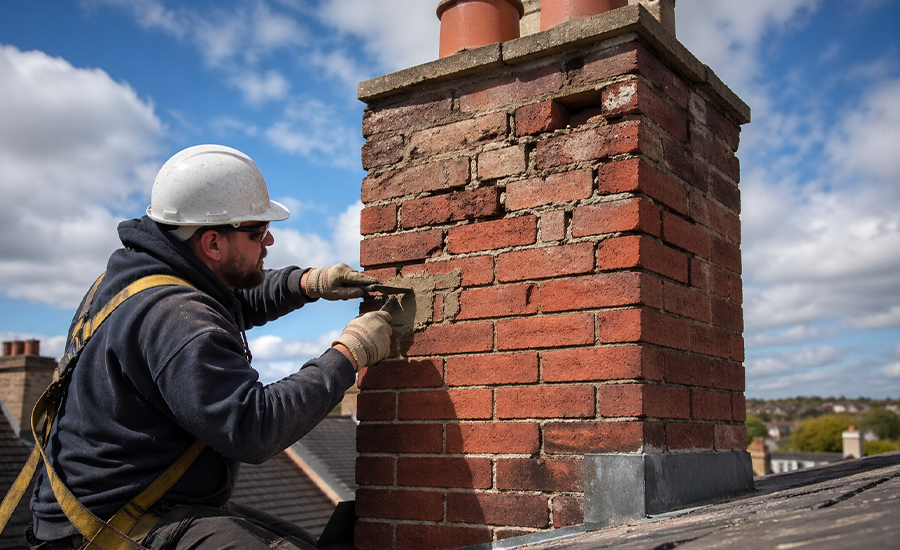
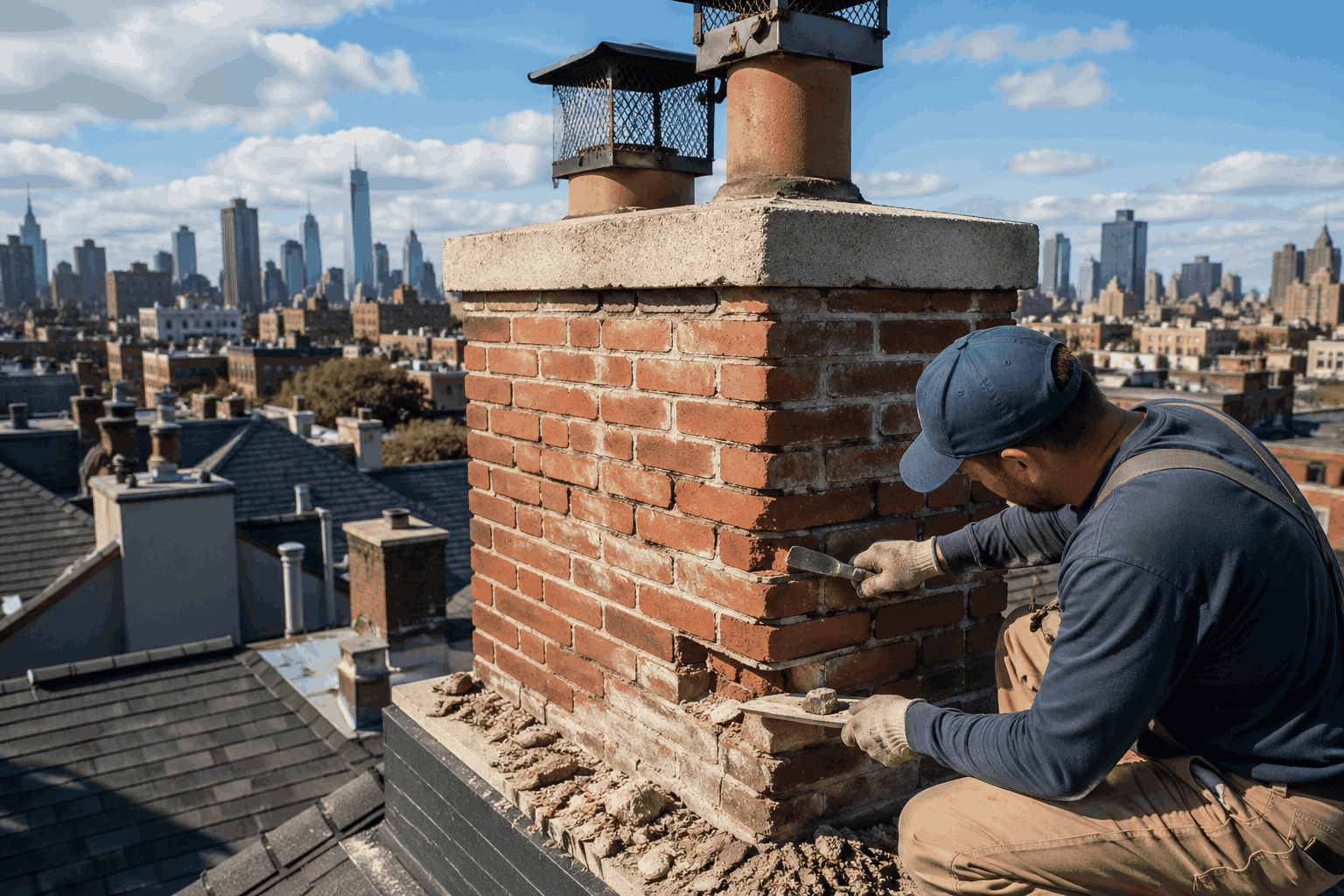
Chimney brick restoration helps protect homes, multifamily buildings, and commercial properties from water damage, weak masonry, reduced chimney ventilation, and long-term structural issues. In NYC, chimneys are exposed to rain, snow, wind, rooftop moisture, and freeze-thaw conditions, which can gradually weaken mortar joints, crack bricks, damage the chimney crown, and allow water to enter the structure.
When early chimney damage is ignored, small cracks can turn into loose masonry, water intrusion, ventilation problems, and costly repairs. Professional chimney brick restoration repairs damaged brickwork, repoints weakened joints, replaces broken bricks where needed, restores the chimney crown, and adds moisture protection to help extend the life of the structure.
This guide explains the step-by-step chimney brick restoration process used by masonry professionals, along with the key benefits, common mistakes to avoid, and why timely repairs matter for NYC property owners.
- Ο Chimney brick restoration helps protect structural safety, chimney ventilation, and long-term masonry performance.
- Ο The process usually includes inspection, cleaning, mortar removal, repointing, damaged brick replacement, crown repair, flashing checks, and waterproofing.
- Ο NYC chimneys often face rain, snow, rooftop moisture, aging mortar, and freeze-thaw damage.
- Ο Early inspections help catch cracks, loose mortar, water stains, and brick damage before repairs become more costly.
- Ο Professional restoration is especially important for older residential and commercial properties across NYC.
Why Chimney Brick Restoration Matters for NYC Properties
Chimney brickwork is not only part of a property’s exterior appearance. It also supports safe ventilation, protects the roofline from moisture damage, and helps maintain the overall stability of the chimney structure. In NYC, many residential and commercial buildings have older masonry that can weaken faster due to weather exposure, rooftop drainage issues, and seasonal temperature changes.
If damaged bricks, open mortar joints, crown cracks, or flashing problems are left untreated, water can enter the chimney and the surrounding roof area. Over time, this may lead to spalling bricks, interior leaks, leaning masonry, reduced chimney performance, and higher repair costs. Property owners should also understand the risks of ignoring chimney structural damage before small masonry issues develop into larger safety and repair concerns.
For NYC property owners, timely chimney restoration helps reduce safety risks, protect building value, and prevent minor masonry issues from turning into major structural repairs.
- Helps prevent water infiltration and moisture damage
- Restores weakened mortar joints and damaged brickwork
- Supports safer chimney ventilation
- Improves the appearance of the property exterior
- Extends the working life of the chimney structure

Step-by-Step Chimney Brick Restoration Process for NYC Properties
Chimney brick restoration should begin with a proper assessment, not direct repair. For NYC properties, a step-by-step process helps identify the real cause of damage, repair affected areas correctly, and protect the chimney from future moisture problems.
The following process explains how masonry professionals restore damaged chimney brickwork on residential and commercial properties while keeping safety, durability, and local building conditions in mind. Property owners who want to understand the role of brickwork in construction can better see why strong masonry, stable mortar joints, and moisture control matter for long-term chimney performance.
1. Full Chimney Diagnostic Assessment
The first step is a detailed inspection of the chimney’s visible condition, structural stability, mortar joints, crown, flashing, and surrounding roofline. This helps professionals understand whether the chimney needs minor repointing, brick replacement, crown repair, waterproofing, or a more extensive restoration approach.
What professionals check:
- Cracked, loose, or bulging bricks
- Open, missing, or deteriorated mortar joints
- Leaning, shifting, or unstable chimney sections
- Water stains, mold growth, or moisture marks
- Damaged chimney crown, cap, or sealing joints
- Flashing gaps near the roofline
A proper inspection is especially important for older NYC buildings, where weather exposure and aging masonry can create hidden damage before clear signs appear.
2. Deep Cleaning of the Chimney Surface
Before any masonry repair begins, the chimney surface must be cleaned to remove dirt, soot, loose debris, organic growth, and old surface buildup. Clean brickwork allows new mortar, sealants, and repair materials to bond properly.
Common cleaning methods include:
- Low-pressure washing is suitable
- Wire brushing for loose surface material
- Masonry-safe cleaning solutions for stubborn stains
- Careful debris removal around joints and repair areas
For NYC chimneys exposed to rooftop moisture, pollution, and seasonal weather, cleaning can reveal cracks, weak joints, and hidden surface damage.
3. Removal of Deteriorated Mortar and Loose Material
After cleaning, damaged mortar is carefully removed from the joints between the bricks. This step prepares the chimney for proper repointing and prevents weak material from remaining inside the structure.
Key repair points:
- Deteriorated mortar is removed to a suitable depth
- Tools are used carefully to avoid damaging the surrounding bricks
- Dust, loose particles, and debris are cleared from the joints
- Weak or unstable material is removed before new mortar is applied
This step is important because applying new mortar over weak or crumbling joints can lead to poor bonding and early failure, especially in NYC’s freeze-thaw weather conditions.
4. Professional Chimney Repointing
Repointing is the process of filling cleaned mortar joints with fresh mortar that matches the existing masonry as closely as possible. This restores strength, improves appearance, and helps stop moisture from entering through open joints.
For chimney owners who want to understand this step further, brick pointing for chimney maintenance explains how proper joint work protects masonry from moisture and early deterioration.
The repointing process includes:
- Matching the mortar type, color, and texture with the existing chimney
- Filling joints evenly and firmly
- Compacting mortar to reduce gaps and weak spots
- Finishing the joints for a clean and consistent look
Main benefits:
- Restores weakened mortar joints
- Helps block water intrusion
- Improves chimney stability
- Gives the brickwork a cleaner exterior finish
For older NYC masonry, proper mortar matching is important because using the wrong mix can damage bricks or shorten the life of the repair.
5. Replacement of Severely Damaged Bricks
Not every damaged chimney needs full rebuilding. In many cases, only the cracked, spalling, loose, or unstable bricks need to be replaced. This keeps the repair focused and helps preserve the existing chimney structure where possible.
Replacement steps include:
- Carefully removing damaged bricks
- Cleaning the surrounding repair area
- Selecting matching replacement bricks
- Installing new bricks with suitable mortar
- Checking alignment with the existing chimney face
Brick replacement may be needed when there is:
- Severe cracking
- Surface peeling or spalling
- Loose or unstable brick units
- Moisture-damaged masonry
This targeted approach is useful for NYC residential and commercial properties because it repairs the damaged area without unnecessary reconstruction.
6. Chimney Crown Repair or Reconstruction
The chimney crown is the top surface that helps direct water away from the chimney structure. When the crown cracks, breaks, or loses its seal, water can enter the brickwork and cause deeper masonry damage.
Common crown repairs include:
- Sealing minor cracks with suitable repair materials
- Rebuilding badly damaged crown sections
- Improving the slope where water is not draining properly
- Applying moisture protection to repaired areas
A properly repaired crown helps reduce long-term water damage, protects mortar joints, and supports the overall life of the chimney. This is especially important in NYC, where rain, snow, and rooftop exposure can speed up masonry deterioration.
7. Chimney Flashing Repair and Waterproof Sealing
Flashing is the metal barrier installed where the chimney meets the roof. Its job is to stop water from entering the gap between the chimney and the roofing system. If flashing is loose, rusted, cracked, or poorly sealed, water can leak into the roofline and interior areas.
Flashing repair tasks include:
- Securing loose flashing
- Replacing corroded or damaged sections
- Sealing gaps around the chimney base
- Checking nearby roof areas for moisture entry
Proper flashing repair helps protect both the chimney and the surrounding roof structure. For NYC buildings with flat roofs, older roofing systems, or tight roof access, this step can prevent hidden leaks and costly interior damage.
8. Breathable Waterproofing and Moisture Protection
After the masonry repairs are complete, a breathable waterproofing treatment may be applied to help protect the chimney from water absorption. This does not trap moisture inside the brickwork. Instead, it allows trapped vapor to escape while reducing new water entry.
Features of proper moisture protection:
- Helps reduce water absorption
- Allows masonry to breathe
- Lowers the risk of freeze-thaw damage
- Protects repaired mortar joints and brick faces
- Supports longer repair performance
For NYC chimneys, breathable waterproofing helps reduce weather-related masonry deterioration without trapping moisture inside the brickwork.
9. Final Walkthrough and Quality Assurance
The final step is a careful review of all completed work. This ensures that the chimney has been repaired properly, all affected areas have been addressed, and the structure is ready for continued use.
Final checklist includes:
- Mortar joints are filled and finished properly
- Replacement bricks are secure and aligned
- Crown repairs are sealed and shaped correctly
- Flashing areas are checked for gaps
- Waterproofing is applied evenly where needed
- No visible cracks, loose bricks, or open joints remain
A final walkthrough helps confirm that the restoration work supports safety, durability, and long-term masonry performance for NYC property owners.
Why Chimney Brick Restoration Is Worth It for NYC Properties
Chimney brick restoration helps NYC property owners prevent small masonry issues from turning into expensive structural repairs. Cracked bricks, open mortar joints, crown damage, and flashing gaps can allow water to enter the chimney and roofline, especially in older residential and commercial buildings.
Timely restoration protects the chimney from water intrusion, supports safer ventilation, improves exterior appearance, and helps extend the life of the masonry. Repair needs may vary from simple repointing to brick replacement, crown repair, flashing correction, waterproofing, or partial rebuilding.
Key benefits include:
- Accurate damage assessment
- Stronger mortar joints and brickwork
- Better protection from moisture damage
- Longer-lasting repairs
- Improved property appearance
- Lower risk of larger repairs later
For NYC properties, early chimney restoration is usually more practical than waiting until loose bricks, leaks, or structural movement become serious.
Chimney Restoration Mistakes NYC Property Owners Should Avoid
Chimney restoration should not be treated as a quick surface repair. In NYC, weather exposure, rooftop moisture, and aging masonry can make small issues worse when the root cause is not fixed. Working with a qualified brick mason helps ensure the repair method, mortar mix, and masonry work are suitable for the existing chimney structure.
Property owners should avoid these mistakes:
- Using the wrong mortar mix
- Ignoring small cracks or loose joints
- Skipping crown, cap, or flashing checks
- Applying waterproofing over damaged masonry
- Attempting structural repairs without expertise
- Delaying repairs until leaks or brick movement appear
Avoiding these mistakes helps protect the chimney, reduce repeat damage, and keep restoration work stronger for the long term.
Final Thoughts on Chimney Brick Restoration in NYC
Chimney brick restoration helps NYC property owners protect damaged masonry before small issues turn into larger repair problems. With proper inspection, repointing, brick replacement, crown repair, flashing checks, and moisture protection, the chimney can remain safer, stronger, and more reliable for long-term use.
Sardar Restoration Corp serves residential and commercial properties across NYC, including The Bronx, Manhattan, Brooklyn, Westchester, and Queens. As a trusted chimney repair contractor in NYC, our team restores damaged chimney brickwork with careful inspection, suitable materials, and repair methods built for local building conditions.
Working with an experienced masonry contractor also helps property owners understand why proper materials, mortar matching, moisture control, and workmanship matter for long-term chimney performance.
For more information or to discuss your property concerns, contact (+1) 917-355-8556, email sardarrestoration@gmail.com, or visit 2770 Fish Ave, Bronx, NY 10469, United States.
FAQs
How long does chimney brick restoration take?
Most small to mid-size chimney brick restoration projects take 1 to 5 days, depending on the damage level, access, weather conditions, and whether the work includes repointing, brick replacement, crown repair, flashing, or waterproofing.
How often should a chimney be inspected in NYC?
NYC property owners should have their chimneys inspected at least once a year, especially before heavy winter use or after noticing cracks, leaks, loose mortar, water stains, or brick movement.
Can I restore chimney bricks myself?
Small visual checks or light cleaning may be manageable, but cracked bricks, deteriorated mortar, water intrusion, leaning sections, or crown damage should be handled by a professional chimney repair contractor.
What is the difference between chimney repointing and rebuilding?
Chimney repointing replaces damaged mortar joints while keeping most of the existing brickwork in place. Rebuilding is needed when the chimney structure is severely cracked, unstable, leaning, or too damaged for standard repair.
How long does chimney brick restoration last?
With proper materials, professional workmanship, and routine maintenance, chimney brick restoration can last for many years. Its lifespan depends on weather exposure, masonry condition, waterproofing, and regular inspections.
What are the signs that my chimney bricks need restoration?
Common signs include cracked bricks, missing mortar, white staining or efflorescence, loose masonry, water marks near the roofline, chimney crown cracks, and leaks around the fireplace or attic area. In NYC, these issues often become worse after rain, snow, and freeze-thaw weather.
Why do NYC chimneys deteriorate faster?
NYC chimneys often face heavy rain, snow, rooftop moisture, pollution, aging brickwork, and freeze-thaw cycles. Older brownstones, row houses, multifamily buildings, and commercial properties often need more regular inspection because masonry can weaken over time.