
 ChatGPT
 Perplexity
 Google AI
 Claude
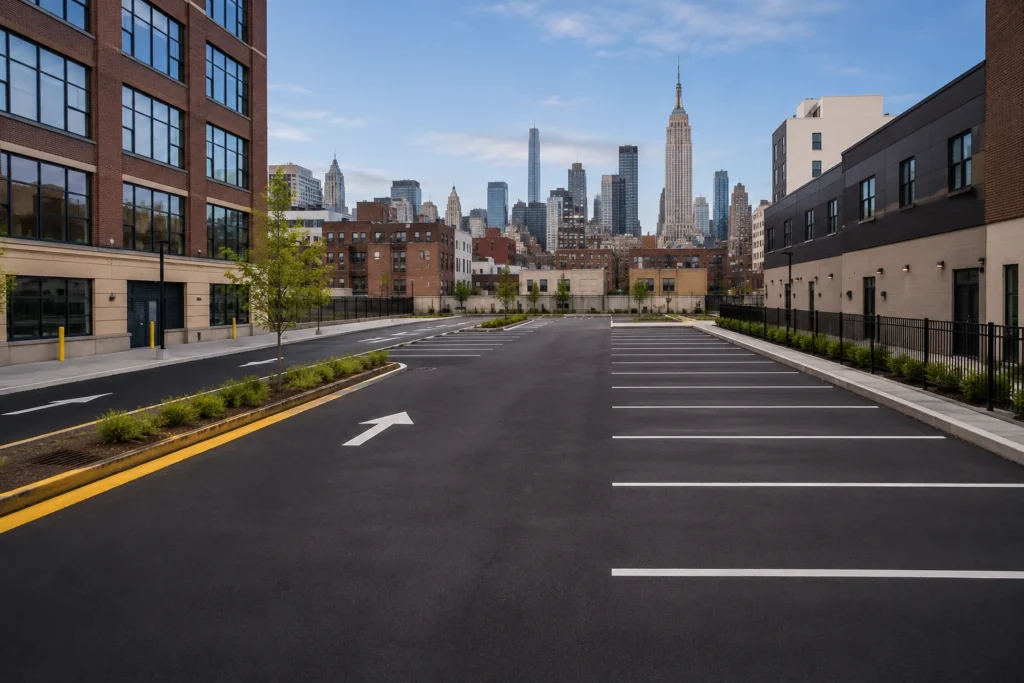
A parking lot is often one of the first areas customers, tenants, visitors, and residents notice when they arrive at a property. In New York City, parking lots face constant wear from vehicle traffic, rain, snow, freeze-thaw cycles, sunlight, oil spills, chemicals, and daily use. Without regular care, small surface issues can turn into cracks, potholes, drainage problems, and costly pavement failure.
Proper parking lot maintenance helps protect asphalt strength, improve safety, support curb appeal, and reduce long-term repair costs. For NYC property owners, a clean, stable, and clearly marked parking lot also creates a safer environment for vehicles and pedestrians.
- Ο Regular maintenance extends asphalt life and lowers repair costs.
- Ο Crack repair helps stop water from damaging the pavement base.
- Ο Sealcoating protects asphalt from weather, oil, and UV exposure.
- Ο Proper drainage reduces standing water and pavement failure.
- Ο Clear striping improves traffic flow, safety, and appearance.
Why Parking Lot Maintenance Matters for NYC Properties
Routine parking lot maintenance helps residential, commercial, and mixed-use properties stay safer, cleaner, and more functional. In NYC, where parking areas deal with heavy traffic, changing weather, and limited exterior space, pavement condition can affect daily access, safety, and long-term property value.
Well-maintained parking lots help:
- Improve exterior appearance
- Reduce trip, slip, and vehicle damage risks
- Slow asphalt surface deterioration
- Extend pavement service life
- Prevent small cracks from becoming larger failures
- Improve drainage and water control
- Support safer vehicle and pedestrian movement
- Keep parking areas organized and efficient
Neglecting parking lot upkeep often leads to deeper cracking, potholes, poor drainage, loose pavement, and more expensive reconstruction work.

Parking Lot Maintenance Tips to Extend Pavement Life
Consistent maintenance is one of the most effective ways to protect asphalt surfaces. The goal is to identify small problems early, repair them properly, and prevent water, traffic stress, and weather exposure from causing deeper pavement damage.
1. Schedule Regular Parking Lot Inspections
Routine inspections help property owners spot early signs of pavement damage before they become larger structural problems. A parking lot should be inspected at least twice a year, especially after winter, heavy rain, or major storms.
During a parking lot inspection, check for:
- Surface cracks
- Potholes
- Standing water
- Faded striping
- Drainage issues
- Surface depressions
- Oil stains
- Loose asphalt or gravel
Property owners should pay close attention to areas near drains, entrances, exits, loading zones, and high-traffic sections because these areas usually wear down faster. If cracks, potholes, and uneven surfaces keep returning, it may also help to review the warning signs that a parking lot may need repaving before small repairs turn into a larger project.
Benefits of Regular Parking Lot Inspections
| Parking Lot Inspection Benefit | How It Helps Protect Pavement |
|---|---|
| Early damage detection | Helps prevent expensive asphalt repairs |
| Better safety planning | Reduces risks from unstable pavement |
| Improved repair scheduling | Makes maintenance easier to plan and budget |
| Longer pavement lifespan | Slows wear before damage spreads |
2. Apply Asphalt Sealcoating for Surface Protection
Sealcoating is a preventive maintenance method that helps protect asphalt parking lots from surface damage. It creates a protective layer that reduces exposure to moisture, sunlight, oil, chemicals, oxidation, and daily traffic wear.
A protective sealcoat helps guard against:
- UV rays
- Rain and snow
- Oil spills
- Chemicals
- Oxidation
- Freeze-thaw damage
- General weather exposure
Without sealcoating, asphalt can become dry, faded, brittle, and more likely to crack. Correct installation also matters because weak base preparation can shorten pavement life, so property owners planning new surface work should understand the basics of proper paving installation steps.
Recommended Parking Lot Sealcoating Schedule
| Parking Lot Traffic Level | Recommended Sealcoating Frequency |
|---|---|
| Light traffic | Every 3 to 5 years |
| Moderate traffic | Every 2 to 3 years |
| Heavy commercial traffic | Every 1 to 2 years |
Key Benefits of Asphalt Sealcoating
- Improves pavement appearance
- Slows asphalt aging
- Reduces water penetration
- Helps protect surface flexibility
- Extends pavement durability
3. Repair Asphalt Cracks Before They Spread
Small cracks may look minor at first, but they can quickly expand when water enters the pavement. Once moisture reaches the base layer beneath the asphalt, the parking lot can develop potholes, shifting surfaces, and more serious structural damage. Many of these problems begin with moisture intrusion, weak base layers, or freeze-thaw stress, which are common causes behind parking lot cracks and potholes.
Cracks can lead to:
- Potholes
- Surface movement
- Base layer weakness
- Larger pavement failure
- Higher repair costs
Why Early Asphalt Crack Repair Matters
- Helps prevent moisture intrusion
- Reduces future repair costs
- Protects the pavement foundation
- Slows structural deterioration
Crack filling and sealing are usually more cost-effective than resurfacing or full parking lot replacement. When damage becomes widespread, property owners may need to compare asphalt resurfacing and full replacement options to decide which solution offers better long-term value.
4. Fix Parking Lot Drainage Issues Early
Poor drainage is one of the most common causes of parking lot deterioration. Standing water weakens asphalt, damages the base layer, and increases the risk of cracking, potholes, erosion, and surface depressions.
Common Signs of Parking Lot Drainage Problems
- Water pooling after rain
- Surface erosion
- Sinkholes or depressions
- Cracking near drains
- Soft pavement areas
- Water flowing toward the building foundation
Drainage Maintenance Tips for Parking Lots
- Keep drains clear of debris
- Check catch basins regularly
- Repair low spots before they expand
- Maintain proper surface grading
- Monitor water flow after storms
Proper drainage helps protect both the asphalt surface and the foundation beneath it. If drainage problems also affect the connected driveway or blacktop areas, professional asphalt driveway and blacktop repair in NYC can help restore smoother access and reduce repeated surface damage.
5. Keep the Parking Lot Clean and Clear
Regular cleaning helps preserve both pavement appearance and surface condition. Dirt, leaves, trash, oil spills, and chemicals can slowly damage asphalt if they stay on the surface for too long.
Essential Parking Lot Cleaning Tasks
- Sweep debris
- Remove trash
- Clean oil stains
- Pressure wash when needed
- Clear leaves and standing water
- Keep drains and catch basins clean
Benefits of Routine Parking Lot Cleaning
| Parking Lot Cleaning Task | Pavement and Safety Benefit |
|---|---|
| Removing surface debris | Reduces surface wear |
| Cleaning oil stains | Helps protect asphalt from softening |
| Clearing water paths | Improves drainage flow |
| Keeping markings visible | Improves safety and organization |
Routine cleaning also makes it easier to identify cracks, potholes, drainage problems, and other pavement damage earlier. For properties with paver walkways, aprons, or nearby hardscape areas, reviewing paver installation cost factors can also help with long-term exterior maintenance planning.
6. Repaint Parking Lot Striping for Safer Traffic Flow
Faded parking lot lines can create confusion, reduce organization, and increase accident risks. Clear striping helps guide drivers, protect pedestrians, and maintain a more professional property appearance.
Proper parking lot striping helps maintain:
- Organized traffic flow
- Pedestrian safety
- ADA-accessible parking spaces
- Parking efficiency
- Clear loading and fire lane areas
- Better property appearance
Parking Lot Areas That Need Clear Pavement Markings
- Parking stalls
- Accessible parking spaces
- Directional arrows
- Crosswalks
- Loading zones
- Fire lanes
When to Repaint Parking Lot Lines
| Parking Lot Striping Condition | Recommended Striping Action |
|---|---|
| Lines are faded or hard to see | Refresh parking lot markings |
| Pavement repairs were completed | Reapply markings after repair work |
| Annual maintenance is being scheduled | Inspect line visibility and layout |
| Traffic flow feels unclear | Review and repaint directional markings |
Fresh striping helps create a safer, cleaner, and more organized parking environment.
7. Work With Experienced Parking Lot Maintenance Contractors
Professional contractors have the equipment, materials, and experience needed to inspect, repair, and maintain parking lots correctly. They can identify surface damage, drainage problems, and early pavement failure before those issues become more costly.
Professional parking lot maintenance services may include:
- Crack sealing
- Sealcoating
- Asphalt patching
- Pothole repair
- Drainage correction
- Surface resurfacing
- Line striping
- Pavement inspections
Material choice also affects maintenance needs. In NYC conditions, property owners often compare asphalt and concrete parking lot performance before choosing the right surface for traffic load, budget, and expected lifespan. If the project also includes driveway surfaces, it is useful to review blacktop driveway cost planning before setting a realistic budget.

Advantages of Hiring Parking Lot Maintenance Contractors
| Contractor Maintenance Advantage | Property Maintenance Outcome |
|---|---|
| Accurate pavement damage diagnosis | Better repair planning |
| Proper asphalt repair methods | More durable results |
| Preventive maintenance planning | Lower long-term repair costs |
| Safer work practices | Reduced property risk |
Working with experienced paving professionals helps protect your investment and prevents small parking lot issues from becoming larger structural problems. For properties with concrete access areas, curb sections, or attached driveway surfaces, professional concrete driveways NYC services can also support stronger, cleaner, and longer-lasting exterior pavement work.
Seasonal Asphalt Maintenance Checklist for NYC Parking Lots
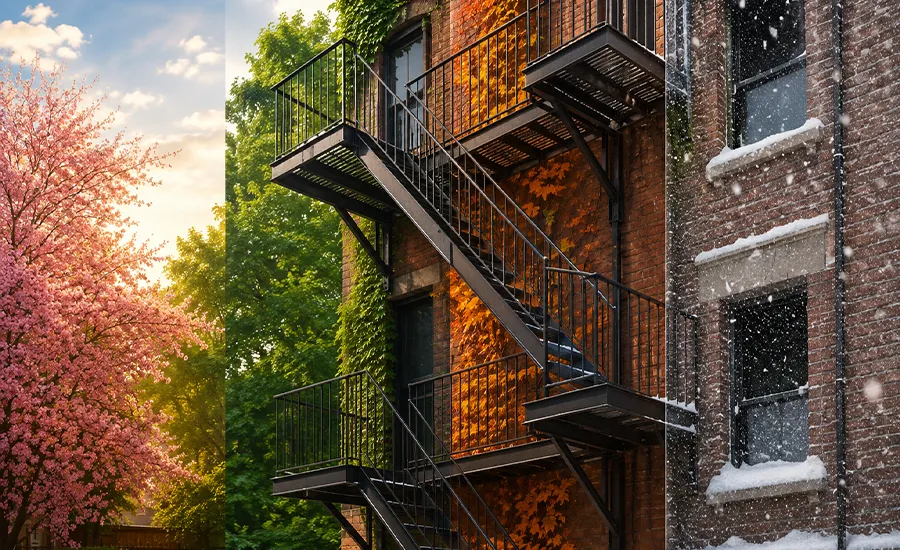
Seasonal asphalt maintenance is especially important in New York City because parking lots are exposed to freezing winters, snow, ice, heavy rain, and hot summer temperatures. These weather changes can cause asphalt to expand, contract, crack, and weaken over time.
| NYC Season | Parking Lot Maintenance Priority |
|---|---|
| Winter | Remove snow buildup and monitor ice damage |
| Spring | Inspect cracks, potholes, drainage, and runoff areas |
| Summer | Schedule sealcoating, striping, and surface repairs |
| Fall | Clear debris and prepare drainage before winter |
Seasonal maintenance helps reduce weather-related pavement damage and keeps parking lots safer throughout the year. Where concrete driveway sections connect to parking areas, choosing durable concrete options for driveway surfaces can help reduce early cracking and weather-related wear.
Final Thoughts
Parking lot maintenance is essential for protecting pavement strength, property appearance, safety, and long-term value. NYC property owners should take a preventive approach by inspecting asphalt regularly, repairing cracks early, controlling water flow, keeping surfaces clean, and repainting faded markings when needed.
Sardar Restoration Corp supports residential and commercial property owners across NYC, including the Bronx, Manhattan, Brooklyn, Westchester, and Queens. If your parking lot has cracks, potholes, drainage issues, faded striping, or asphalt surface damage, working with an experienced parking lot paving contractor in NYC can help ensure proper inspection, durable repair work, and long-term pavement protection.
For expert inspections and repair solutions, call (+1) 917-355-8556, email sardarrestoration@gmail.com, or visit 2770 Fish Ave, Bronx, NY 10469, United States.
FAQs
How often should a parking lot be inspected in NYC?
A parking lot should generally be inspected at least twice a year in NYC, especially after winter, heavy rain, or major storms. High-traffic commercial parking lots may need more frequent inspections.
What is the purpose of sealcoating a parking lot?
Sealcoating helps protect asphalt from moisture, UV exposure, oil spills, chemicals, oxidation, and weather-related damage. It also improves appearance and can help extend pavement lifespan.
How long does an asphalt parking lot last in NYC?
An asphalt parking lot in NYC can often last 20 to 30 years, depending on traffic levels, drainage quality, climate exposure, installation quality, and routine maintenance.
How do drainage problems damage a parking lot?
Poor drainage allows standing water to weaken asphalt and base materials. Over time, this can cause cracks, potholes, erosion, surface depressions, and pavement instability.
When should parking lot cracks be repaired?
Parking lot cracks should be repaired as soon as they appear. Early crack sealing helps prevent water from entering the pavement base and reduces the risk of larger asphalt failure.
How often should parking lot lines be repainted?
Parking lot lines should be repainted when markings become faded, unclear, or worn down. Many commercial properties review striping during annual maintenance or after resurfacing and repair work.
Is professional parking lot maintenance necessary?
Yes. Professional parking lot contractors can assess pavement conditions, perform proper repairs, correct drainage issues, apply sealcoating, and recommend preventive maintenance that reduces long-term repair costs.