
 ChatGPT
 Perplexity
 Google AI
 Claude
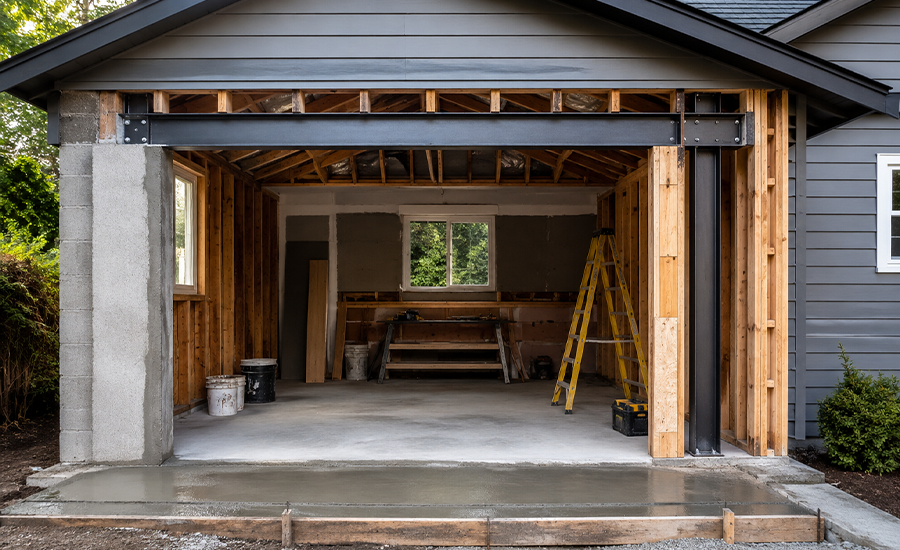
Garages are often overlooked in maintenance planning, even though they deal with daily vehicle load, weather exposure, moisture, and long-term material fatigue. Over time, these conditions can weaken the structure and lead to cracking, settlement, water penetration, corrosion, and safety risks.
Garage structural restoration goes beyond surface repair. It involves proper inspection, safe planning, stabilization, foundation repair, masonry restoration, waterproofing, finishing, and maintenance to restore strength, stability, and long-term durability. In New York City properties, garages are commonly used for parking, storage, workshops, gyms, and small workspaces, so structural safety should not be ignored.
In this article, you’ll explore the step-by-step process of garage structural restoration, including planning, repair methods, and safety considerations. This helps NYC property owners understand the process clearly and make better repair decisions.
- Ο Garage restoration repairs visible and hidden structural damage.
- Ο Inspection helps find cracks, leaks, settlement, and corrosion.
- Ο Planning keeps repairs safe, focused, and code-conscious.
- Ο Waterproofing reduces repeated moisture and concrete damage.
- Ο Maintenance helps prevent costly structural problems later.
Why Garage Structural Restoration Matters for NYC Properties
Garage structural restoration is important for maintaining the durability, load-bearing capacity, and long-term functionality of a property. A damaged garage structure can affect more than just the garage itself. It can:
- Pose safety risks for vehicles and occupants
- Result in seepage, moisture buildup, and mold growth
- Lower the overall value of the property
- Cause damage to nearby building areas
- Demand more extensive repairs if ignored
Timely intervention and a structured restoration process help maintain garage integrity, avoid costly repairs, improve safety, and support local building requirements.
Step-by-Step Garage Structural Restoration Process
For the property owners of New York City, the ideal option is to get the structural integrity restored under proper building standards to keep the garage protected and prevent costly future repairs. It is highly advisable to follow the step-by-step process of the restoration of a damaged structural garage to ensure safety, durability, and proper compliance.
Hiring professional contractors helps ensure that all steps of garage structural restoration are performed safely, accurately, and according to the actual condition of the property.
Step 1: Garage Structural Inspection and Damage Assessment
The restoration process begins with a thorough inspection carried out by professionals. This step identifies both visible and hidden issues before repair work starts.
Key Garage Areas Checked During Inspection
- Base load-bearing capacity
- Wall cracks and movement
- Roof or ceiling bowing
- Poor water drainage
- Corrosion in reinforcing elements
Common Garage Structural Problems Found
- Cracks in masonry or concrete
- Uneven floor surfaces
- Rusted steel beams or supports
- Water damage and moisture stains
- Bulging, leaning, or weakened walls
This step helps determine the severity of the damage and forms the basis of the restoration plan. If a garage already shows movement, leaks, or widening cracks, understanding common garage structure repair warning signs can help property owners know when professional assessment is needed.
Step 2: Garage Restoration Planning and Repair Scope
Once the inspection is complete, a customized restoration plan is created. This plan outlines the scope of work, materials required, repair methods, safety measures, and project timeline.
What a Garage Restoration Plan Includes
- Structural repair planning
- Building material selection
- Waterproofing requirements
- Drainage improvements
- Project timeline and cost estimate
- Safety and code-related considerations
A well-defined plan ensures that the restoration process is efficient and targeted, avoiding unnecessary work and expenses. At this stage, the contractor may also explain whether the property needs repair, upgrades, or a larger project by comparing garage renovation and reconstruction.
Step 3: Pre-Work Safety Preparation for Garage Repairs
Before actual repair work begins, the site must be prepared to ensure safety and accessibility. This protects workers, occupants, stored items, and nearby surfaces.
Garage Site Preparation Steps
- Removal of vehicles and stored items
- Installation of temporary supports
- Setting up safety barriers and signage
- Protecting nearby surfaces
- Disconnecting utilities if required
Proper preparation minimizes risks and creates a controlled environment for restoration.
Step 4: Temporary Structural Stabilization
If the garage has significant structural damage, stabilization is required before repairs can proceed. This helps prevent further movement and reduces the risk of collapse or added damage during the project.
Garage Stabilization Techniques
- Installing temporary supports for weakened beams
- Reinforcing load-bearing walls
- Supporting sagging roof or ceiling sections
- Underpinning foundations where needed
This step is critical when the garage shows signs of settlement, wall movement, sagging, or severe cracking.
Step 5: Garage Foundation Repair and Structural Support
The foundation is the backbone of the garage structure. Any weakness here must be addressed carefully because foundation damage can affect floors, walls, doors, and the overall stability of the garage.
Common Garage Foundation Repair Methods
- Crack injection using epoxy or polyurethane
- Slab leveling or lifting
- Underpinning for deeper support
- Replacing severely damaged sections
- Repairing settlement-related damage
Signs Your Garage Foundation Needs Repair
- Uneven floors
- Large or widening cracks
- Doors that do not close properly
- Gaps between walls and floors
Restoring the garage foundation ensures long-term stability and helps prevent recurring issues. In older buildings, foundation movement is often linked with moisture, settlement, and aging concrete, which is why understanding garage foundation crack causes can help property owners act before the damage spreads. Where water pressure is part of the problem, professional foundation waterproofing in NYC can help reduce repeated moisture damage around the structure.
Step 6: Garage Masonry Wall Restoration
Garage walls, especially those made of brick, block, or concrete, are prone to cracking, weather damage, and moisture exposure. Masonry restoration helps repair damaged sections and restore wall strength.
Masonry Repair Methods for Garage Walls
- Repointing damaged mortar joints
- Replacing cracked bricks or blocks
- Sealing cracks with suitable fillers
- Repairing bulging or leaning wall sections
- Applying protective coatings where needed
Garage Wall Problems Masonry Restoration Fixes
- Flaking or chipping surfaces
- Bulging or leaning walls
- Water penetration
- Loose or damaged mortar joints
Proper wall restoration improves both structural integrity and appearance. When mortar joints are weak or brickwork is allowing moisture inside, professional brick pointing in NYC can help strengthen the wall and reduce water entry.
Step 7: Garage Frame and Support Repair
Many garages in NYC are made from steel, wood, reinforced concrete, or a mix of structural materials. These elements must be repaired or reinforced if damaged.
Garage Frame Repair Methods
- Replacing corroded steel components
- Reinforcing weakened beams
- Treating wood affected by moisture or pests
- Welding or bolting loose joints
- Repairing sagging roof or ceiling supports
Signs of Garage Frame Damage
- Visible rust or decay
- Sagging roof or ceiling
- Unusual movement or sounds
- Loose structural connections
A strong frame helps the garage safely handle vehicle load, storage weight, and weather-related pressure.
Step 8: Garage Roof Restoration and Leak Protection
The roof protects the garage from weather exposure, making its restoration essential. If roof damage is ignored, water can enter the structure and weaken walls, ceilings, framing, and floor surfaces.
Garage Roof Repair Actions
- Fixing leaks and sealing joints
- Replacing damaged roofing materials
- Reinforcing roof trusses or joists
- Improving drainage systems
Common Garage Roof Damage Issues
- Water pooling on flat roofs
- Cracks in ceiling surfaces
- Mold or mildew growth
- Rust or wood decay near the roof edges
A restored roof prevents water damage and improves long-term durability. If roof leaks are contributing to garage deterioration, roof waterproofing in NYC can help protect the upper structure from recurring moisture intrusion.
Step 9: Garage Waterproofing and Drainage Improvement
Water is one of the leading causes of structural damage in garages. Addressing moisture issues is crucial because poor drainage can weaken concrete, damage masonry, and increase foundation pressure.
Garage Waterproofing Measures
- Applying sealants to walls and floors
- Installing drainage systems or channels
- Repairing gutters and downspouts
- Improving runoff around the garage
- Adding vapor barriers where needed
Benefits of Garage Waterproofing
- Prevents mold and mildew
- Reduces structural weakening
- Protects concrete and masonry
- Improves long-term material durability
Proper drainage ensures that water does not accumulate around the structure. In colder months, trapped moisture can make concrete damage worse because frost and snow can damage concrete floors through freeze-thaw movement, cracking, and surface wear. For wider moisture protection, a professional waterproofing contractor in NYC can assess walls, floors, drainage, and foundation areas together.
Step 10: Garage Surface Treatment and Refinishing
Once structural repairs are complete, finishing touches are applied to restore the garage’s appearance, protection, and usability.
Garage Finishing and Surface Repair Work
- Plastering or resurfacing walls
- Painting or applying protective coatings
- Repairing or replacing floor surfaces
- Reinstalling fixtures and utilities
- Cleaning and preparing the space for use
This step improves the look of the garage while adding another layer of protection to repaired surfaces.
Step 11: Final Garage Safety and Quality Inspection
Before the project is completed, a final inspection ensures that all repairs meet safety, quality, and performance expectations.
Garage Restoration Final Inspection Checklist
- Structural stability verification
- Crack and surface review
- Waterproofing and drainage check
- Door, lighting, and fixture function
- Code-related repair confirmation, where applicable
Any remaining issues are corrected at this stage to ensure the garage is safe, stable, and ready for use.
Step 12: Garage Maintenance Plan After Restoration
Restoration does not end with repairs. A maintenance plan helps prevent future damage and keeps the garage structure in better condition.
Recommended Garage Maintenance Practices
- Regular inspections for cracks or leaks
- Cleaning drainage systems
- Reapplying sealants when needed
- Addressing minor issues promptly
- Checking roof and wall moisture signs
Benefits of Regular Garage Maintenance
- Extends the lifespan of the structure
- Reduces future repair costs
- Supports ongoing safety
- Helps prevent repeated water damage
Preventive care is key to maintaining the restored condition of the garage and reducing the risk of major structural issues later. It also helps property owners identify recurring concrete problems in NYC residential buildings before they turn into larger repair needs.
Final Thoughts on Garage Structural Restoration in NYC
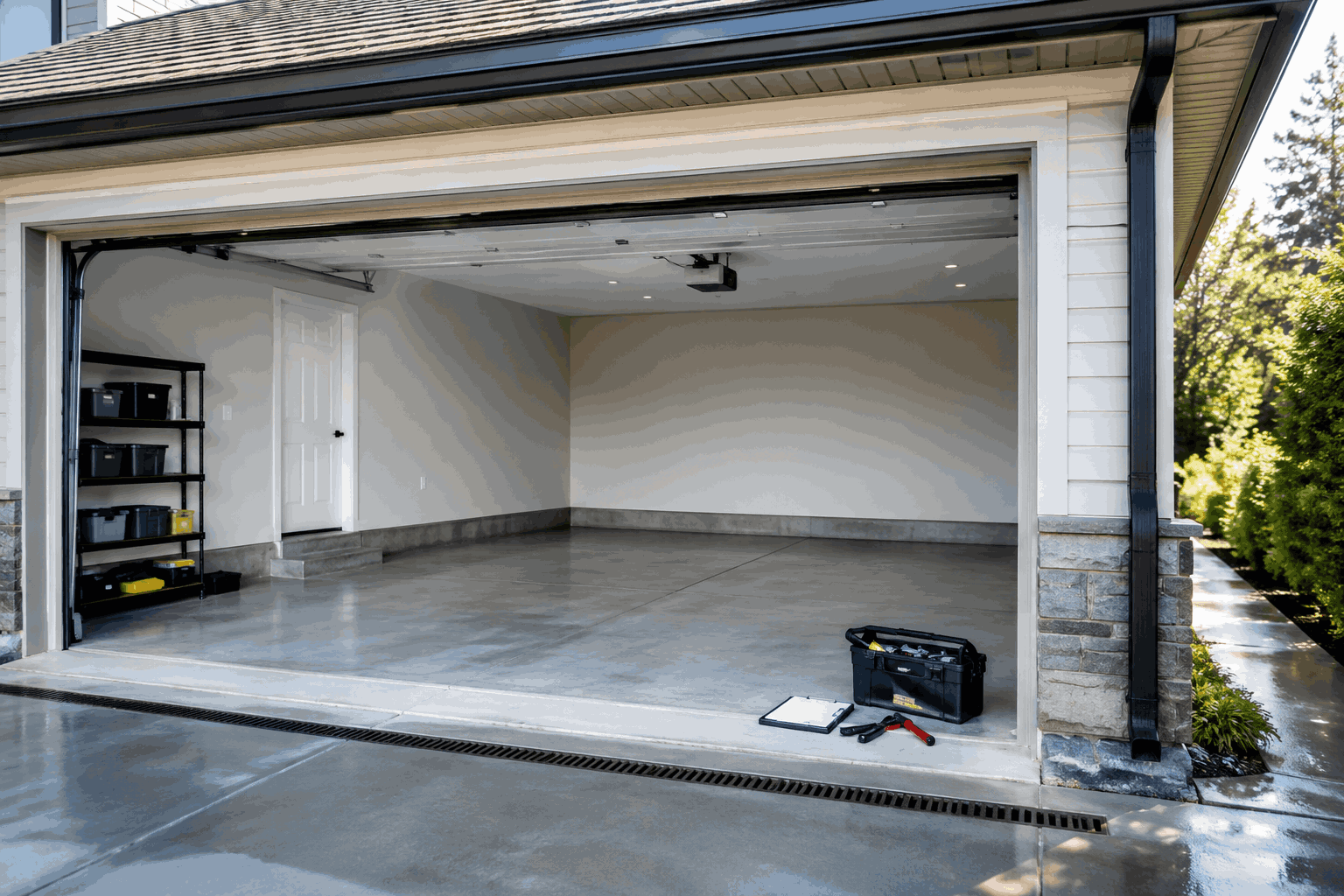
Garage structural restoration is far more difficult than ordinary restoration; it demands specialized repairs, thorough inspections, detailed planning, and advanced tools to reinforce structural integrity, safety, and long-term durability. Each step of the restoration helps preserve the garage structure’s lifespan and structural reliability. Overlooking minor damage can quickly lead to severe structural concerns and higher restoration expenses. A qualified masonry contractor follows a proper restoration and maintenance process, which supports lasting structural protection and keeps the property safer.
Sardar Restoration Corp supports residential and commercial property owners across NYC, including the Bronx, Manhattan, Brooklyn, Westchester, and Queens. If you are dealing with garage foundation damage, working with a professional contractor for garage repair in NYC ensures proper diagnosis, code-compliant repairs, and long-term structural safety.
For expert inspections and repair solutions, call (+1) 917-355-8556, email sardarrestoration@gmail.com, or visit 2770 Fish Ave, Bronx, NY 10469, United States.
Garage Structural Restoration FAQs
How do I know if my garage needs structural restoration?
If you notice cracks, leaks, uneven floors, rusted supports, or sagging areas, the garage should be inspected before the damage spreads. In older homes, these signs are often handled through professional garage repair in the Bronx
How long does garage structural restoration take?
Minor repairs may take a few days, while larger structural work can take longer, depending on the damage, materials, and repair scope.
Is garage structural restoration expensive?
The cost depends on garage size, damage level, materials, and repair complexity. Early repairs usually cost less than delayed structural work.
Can I repair garage structural damage myself?
Small cosmetic fixes may be possible, but foundation cracks, wall movement, roof sagging, and support damage need professional inspection.
What is the most important step in garage restoration?
The inspection is the most important step because it identifies the cause of damage before repair work begins.
Does water damage affect the garage structure?
Yes, repeated water exposure can weaken concrete, masonry, steel, wood, and foundation areas over time.
Can waterproofing prevent garage structural damage?
Waterproofing can reduce moisture entry, protect concrete and masonry, and lower the risk of repeated structural deterioration.
When should I call a garage repair contractor?
Call a contractor when cracks keep widening, water keeps returning, or the garage floor starts shifting. For similar structural issues in attached or detached garages, garage repair in Brooklyn may be the right service to review.