 ChatGPT
 Perplexity
 Google AI
 Claude
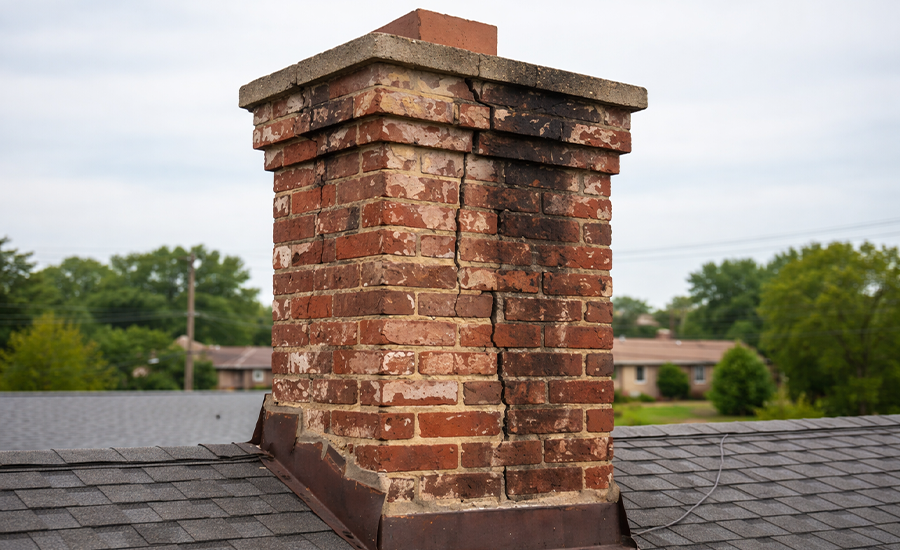
In New York City, chimneys are a key structural and safety component in both residential and commercial buildings, especially in older properties like brownstones and brick homes. Beyond directing smoke and airflow, a properly maintained chimney supports insulation and overall building integrity.
When structural damage is ignored, small issues such as cracked mortar joints or loose bricks can quickly escalate due to NYC’s harsh freeze-thaw cycles, heavy rain, and seasonal temperature changes. Over time, this can impact not only the chimney but also nearby building elements like the roof and walls.
For NYC property owners, regular inspections and timely repairs by a qualified chimney contractor help maintain safety, meet local compliance standards such as DOB requirements, and reduce the risk of costly damage and failures.
This guide explains the key risks of chimney damage, how these issues develop, and the practical steps that help prevent long-term structural and safety problems.
- Ο Ignoring chimney damage can quickly lead to serious safety and structural issues
- Ο Moisture infiltration is a leading cause of long-term chimney deterioration
- Ο NYC weather conditions accelerate wear, especially in older masonry buildings
- Ο Early repairs help prevent costly reconstruction and emergency fixes
- Ο Routine inspections by a qualified contractor help improve safety and extend the chimney’s lifespan
What Constitutes Chimney Structural Damage?
Chimney structural damage refers to any form of deterioration that weakens the stability, safety, or functionality of the chimney system. In NYC properties, especially aging masonry buildings, this type of damage is often gradual but can become severe if not addressed early.
A typical chimney system includes multiple components that must work together to remain structurally sound, and understanding how different types of bricks used in construction perform under stress helps show why some materials are more vulnerable to damage over time:
- Masonry components such as bricks, stone units, and mortar joints
- Chimney flue or liner
- Crown and protective cap
- Flashing and sealants at roof intersections
In most cases, damage begins when one or more of these components fail under environmental or structural stress.
Common Causes of Chimney Damage in NYC
- Freeze-thaw cycles that expand and crack masonry over time
- Water penetration due to damaged flashing or missing caps
- Poor workmanship or aging materials in older buildings
- Lack of routine inspection and maintenance
- Thermal expansion caused by repeated chimney use

If left untreated, these issues gradually weaken the chimney structure and increase the risk of more serious structural damage across the property.
Key Risks of Ignoring Chimney Structural Damage
Ignoring chimney issues in NYC properties can quickly lead to serious safety, structural, and financial consequences. Due to constant exposure to moisture, temperature changes, and urban environmental stress, even minor chimney defects can escalate quickly if not addressed on time.
Below are the most critical risks property owners should be aware of.
1. Loss of Structural Stability
When mortar joints weaken or bricks begin to crack, the chimney gradually loses its ability to support its own weight. In NYC buildings, where many structures are older and masonry-based, this risk becomes more serious over time. In many cases, neglecting the importance of brick pointing in chimney maintenance can accelerate this deterioration and lead to more severe structural issues.
Common signs:
- Leaning or shifting chimney structure
- Loose or displaced bricks
- Visible cracks in joints
Impact:
- Damage to adjacent roof structures
- Risk of falling debris
- Increased danger for occupants and nearby areas
2. Water Penetration and Moisture Damage
Water infiltration is one of the most common and damaging issues for chimneys, especially in NYC, where heavy rain and freeze-thaw cycles are common. Once moisture enters the system, it starts breaking down materials from within.
Typical problems:
- Mold or fungal growth
- Rusting of internal metal components
- Interior wall stains and ceiling marks
Long-term effect:
- Progressive weakening of the chimney and nearby structural elements
- Higher repair costs due to hidden internal damage
3. Elevated Fire Hazards
Cracks in the chimney liner or masonry can allow excessive heat to escape into surrounding areas. In tightly spaced NYC buildings, this significantly increases the risk of fire incidents.
Fire-related risks:
- Heat transfer to the nearby wooden framing
- Creosote buildup due to poor ventilation
- Sparks escaping through damaged sections
Outcome:
- Higher chances of residential fires
- Reduced compliance with fire safety standards
4. Leakage of Harmful Gases
A damaged chimney can disrupt proper ventilation, allowing harmful gases such as carbon monoxide to enter the property. This is a serious concern for both residential and commercial properties.
Potential issues:
- Accumulation of toxic gases
- Reduced indoor air quality
- Health symptoms such as dizziness, headaches, or nausea
5. Increasing Repair Costs Over Time
Small chimney issues rarely stay small. Delayed maintenance often leads to more extensive structural damage, requiring complex repairs or full reconstruction. In many cases, delaying action and not working with a professional masonry contractor in NYC can significantly increase both the complexity and cost of repairs.
The table below shows how repair complexity increases when issues are ignored:
| Damage Stage | Typical Repair Method | Cost Impact |
|---|---|---|
| Minor cracks | Sealing or tuckpointing | Low |
| Expanding damage | Partial masonry repair | Medium |
| Severe deterioration | Full chimney rebuild | Very High |
Addressing issues early with a professional contractor in NYC can significantly reduce long-term repair expenses.
6. Reduced Property Value
Visible chimney damage can negatively affect how a property is perceived in the NYC real estate market. Buyers often associate chimney issues with broader structural problems.
Buyer concerns:
- Structural reliability of the building
- Future maintenance expenses
- Overall property condition
Result:
- Lower resale value
- Delays in property transactions
7. Spread of Damage to Nearby Structures
Chimney damage often extends beyond the chimney itself. In NYC properties, where building elements are closely connected, this spread can affect multiple areas. Since chimneys are directly tied to the overall role of brickwork in building structures, any structural weakness can gradually impact surrounding components as well.
Commonly affected areas:
- Roof shingles and flashing
- Attic insulation
- Interior ceilings and walls
8. Pest Infestation Risks
Openings and cracks in a damaged chimney create entry points for pests. This is a common issue in dense urban environments like NYC.
Typical intruders:
- Birds
- Rodents
- Insects
Associated problems:
- Nesting inside the flue
- Blocked airflow and ventilation
- Hygiene and health risks
9. Heat Loss and Energy Inefficiency
A compromised chimney can affect how heat is retained inside the property, particularly during winter in NYC.
Efficiency issues:
- Loss of indoor heat
- Draft problems
- Increased energy bills
10. Building Code and Compliance Issues
In NYC, building safety regulations require chimneys to be structurally sound and properly maintained. Ignoring chimney damage can lead to compliance issues during inspections and official regulatory checks.
Possible consequences:
- Failed building inspections
- Legal penalties
- Insurance claim complications or rejections
How Severe Can Chimney Structural Damage Become?
Chimney damage in NYC properties can escalate much faster than most property owners expect. What starts as minor cracking or moisture entry can quickly develop into serious safety and structural risks due to constant exposure to weather, temperature changes, and regular use.
In many cases, delaying inspection or repair allows hidden damage to spread, making early intervention critical for both safety and cost control.
The table below shows how different chimney issues vary in severity and how quickly they should be addressed:
| Risk Type | Severity Level | Recommended Action Time |
|---|---|---|
| Structural failure | Severe | Immediate attention |
| Fire hazards | Severe | Immediate attention |
| Ventilation failure | Critical | Urgent inspection |
| Moisture damage | Moderate to high | Time-sensitive |
| Pest infestation | Moderate | Routine priority |
| Heat loss | Early-stage issue | Monitor and address |
The key takeaway is simple: structural and fire-related risks should never be delayed, while early-stage issues still require timely attention to prevent more serious damage.
Practical Ways to Prevent Chimney Damage
Preventing chimney damage is far more cost-effective than repairing it later. In NYC, where buildings face constant environmental stress and strict compliance requirements, regular maintenance plays an important role in long-term performance. Timely inspections, along with repairing fireplace brick cracks before they spread, help prevent minor issues from turning into major structural problems.
A proactive approach helps protect both the chimney system and the overall structure of the property.
Routine Monitoring
- Schedule annual chimney inspections, especially before and after winter
- Check for visible cracks, leaks, or airflow issues
- Identify early warning signs before they develop into major damage
Regular Maintenance and Cleaning
- Clean the chimney to prevent creosote buildup and blockages
- Address minor cracks or joint damage without delay
- Ensure proper ventilation to reduce internal stress on the structure
Moisture Protection Measures
- Apply water-repellent sealants to exposed masonry
- Maintain chimney crown and flashing to prevent water entry
- Replace damaged caps to protect against rain and debris
Professional Repair and Restoration
- Hire an experienced chimney contractor in NYC for structural repairs when needed
- Avoid temporary fixes that do not address the root cause
- Ensure all work meets local building and safety standards
Avoid DIY Repairs for Structural Issues
- Major chimney problems require proper tools and expertise
- Incorrect repairs can worsen structural damage
- Professional assessment ensures long-term safety and compliance

Final Thoughts
Chimney structural damage is not something that improves over time. In NYC properties, where buildings are constantly exposed to moisture, temperature changes, and aging materials, even minor issues can quickly turn into serious safety and structural concerns.
Addressing problems early through regular inspections and timely repairs helps prevent long-term damage, reduces unexpected costs, and keeps your property safe and compliant with local regulations. A well-maintained chimney not only supports overall stability but also protects indoor air quality and overall building performance.
Sardar Restoration Corp supports residential and commercial properties across NYC, including the Bronx, Manhattan, Brooklyn, Westchester, and Queens. For professional masonry inspections and chimney repair assessments, you can contact the team directly at (+1) 917-355-8556, email sardarrestoration@gmail.com, or visit 2770 Fish Ave, Bronx, NY 10469, United States.
FAQs
How can I tell if my chimney has structural damage?
Common signs include cracks in mortar joints, loose or missing bricks, spalling, and a leaning chimney structure. In NYC, moisture exposure and freeze-thaw cycles often make these issues more visible over time. If you notice any of these signs, a professional inspection is recommended before the damage worsens.
Is chimney structural damage dangerous?
Yes, it can become a serious safety risk if ignored. Structural damage may lead to chimney collapse, fire hazards, or harmful gas leakage into indoor spaces. Early repair reduces these risks significantly and helps maintain a safe living environment.
Can small chimney cracks be ignored?
No, even minor cracks should not be overlooked. In NYC weather conditions, small cracks can expand quickly due to moisture and temperature changes, leading to more complex and expensive repairs.
How often should a chimney be inspected in NYC?
At least once a year is recommended. However, in NYC, it’s also wise to inspect chimneys after winter, as freeze-thaw cycles can cause hidden damage that affects performance and safety.
What are the main causes of chimney deterioration?
Chimney deterioration is usually caused by water penetration, aging materials, poor maintenance, and repeated exposure to extreme weather. In NYC, seasonal temperature shifts and moisture are major contributing factors.
Can chimney damage affect indoor air quality?
Yes, a damaged chimney can allow harmful gases like carbon monoxide to enter the property. This can reduce indoor air quality and create health risks, making regular inspection essential.
Do chimneys in NYC need to meet specific building codes?
Yes, chimneys must comply with NYC building regulations and safety standards. Failure to maintain a structurally sound chimney can result in failed inspections, violations, or insurance issues.
How much does chimney repair cost in NYC?
Costs vary depending on the level of damage. Minor repairs like sealing cracks are relatively affordable, while structural rebuilding can be significantly more expensive. Early intervention helps control overall costs.